Discover Santa Maria, Azores
The Island of Sunshine & Golden Shores
Welcome to Santa Maria
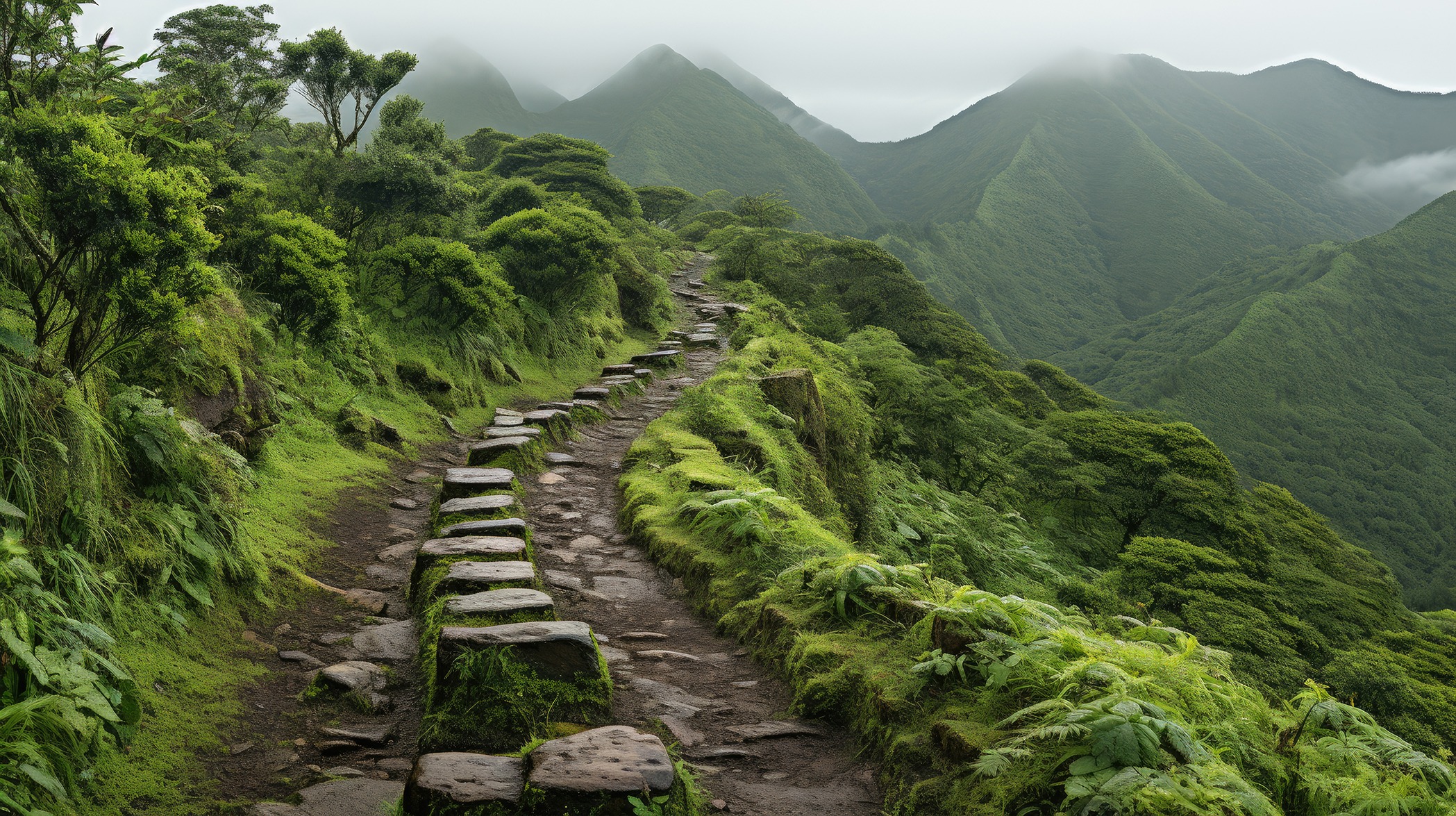
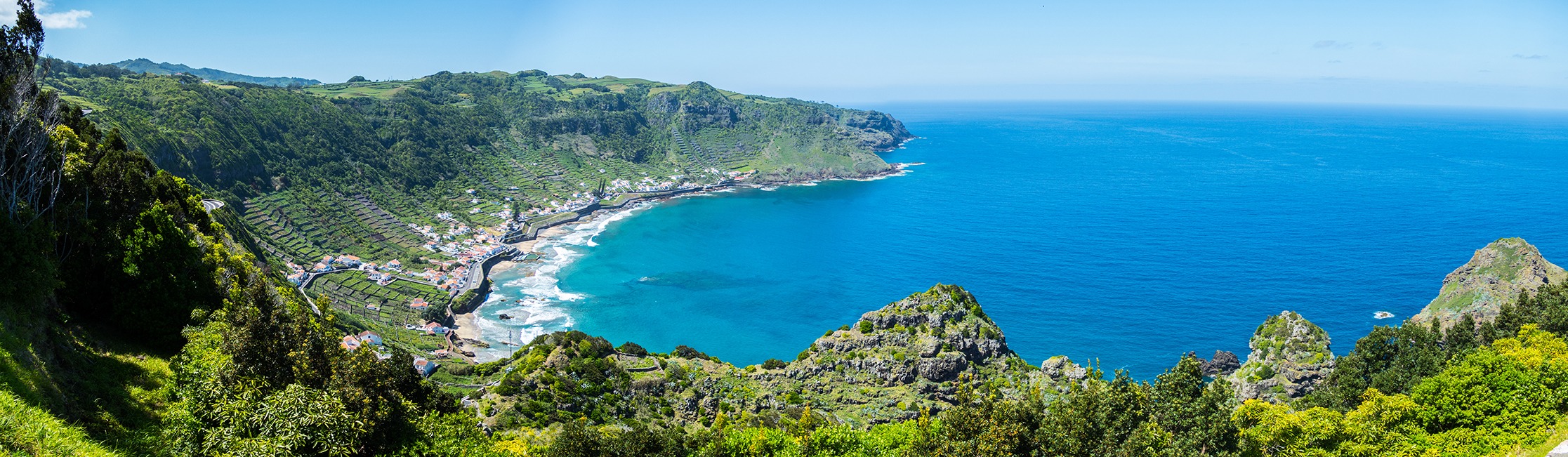
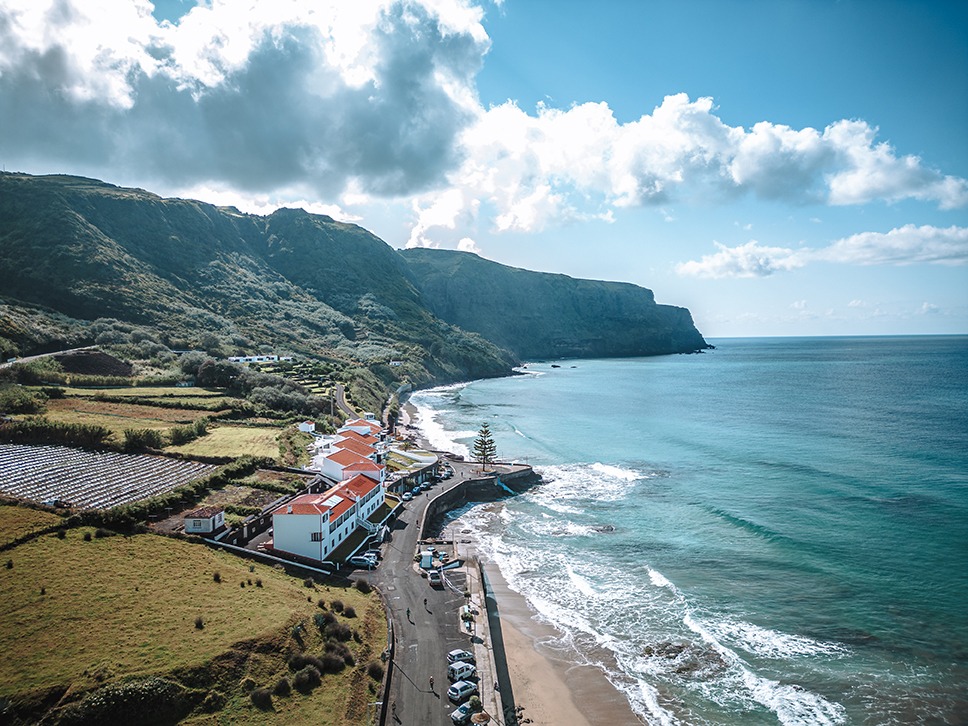
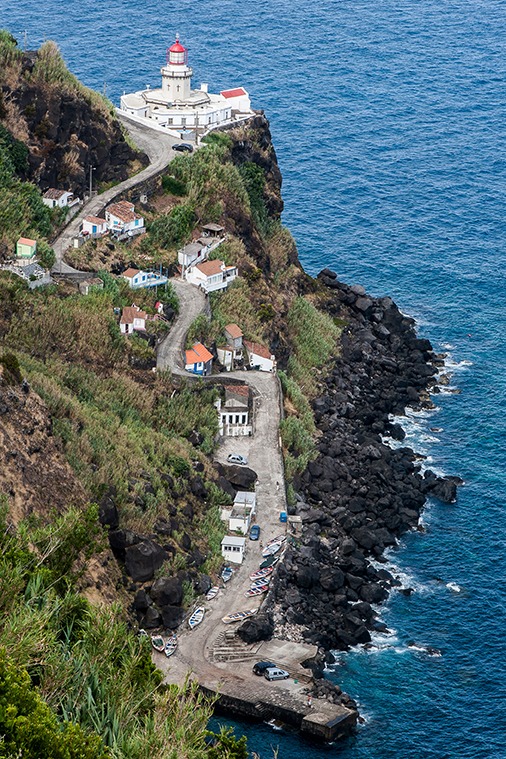
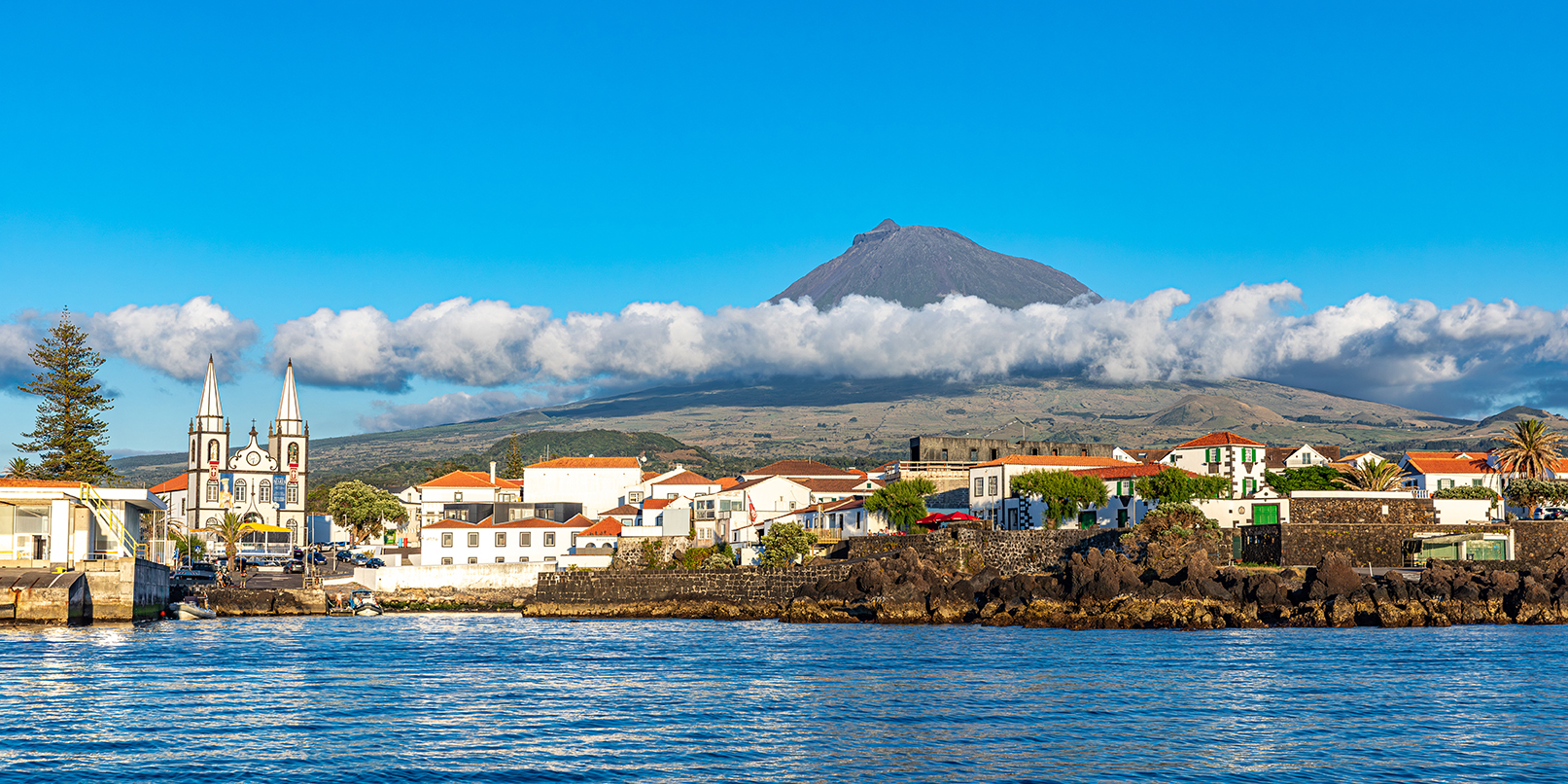
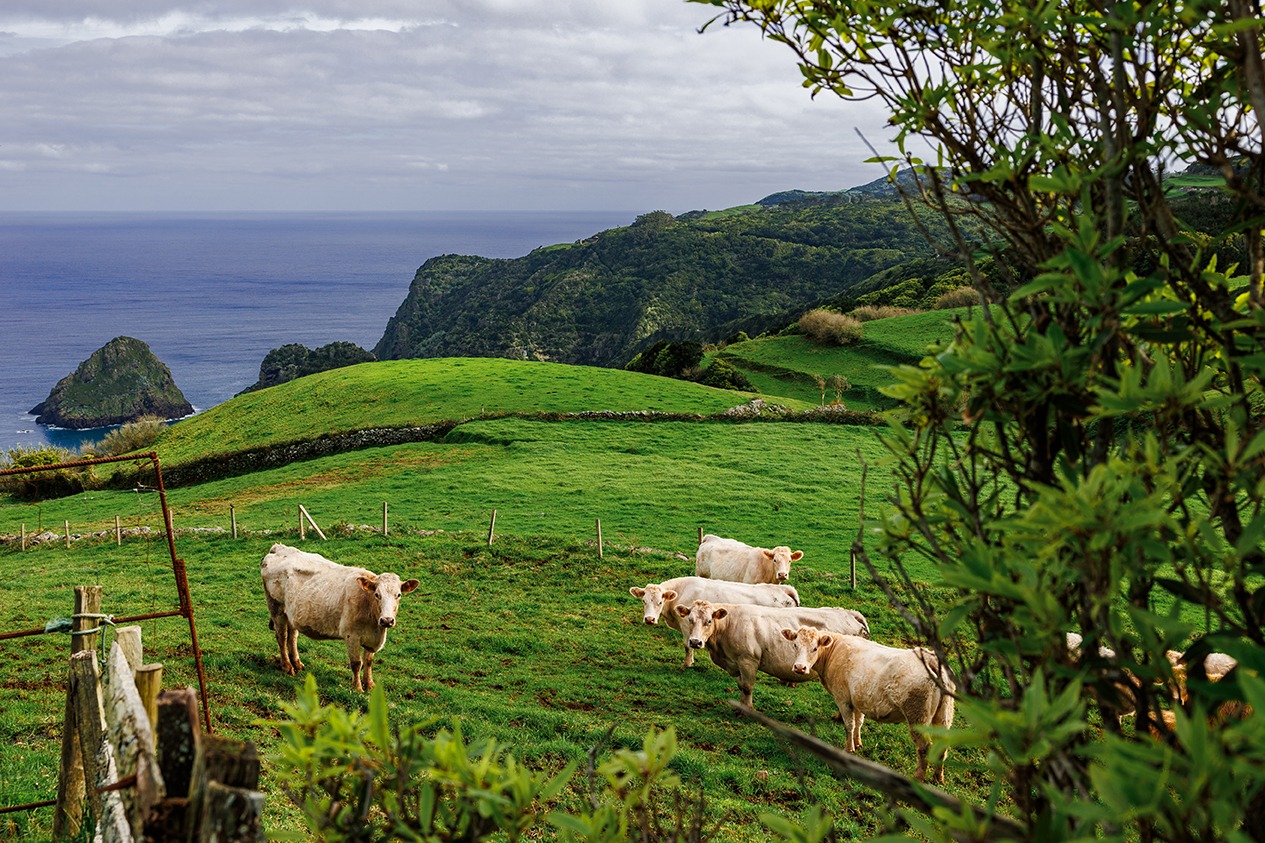
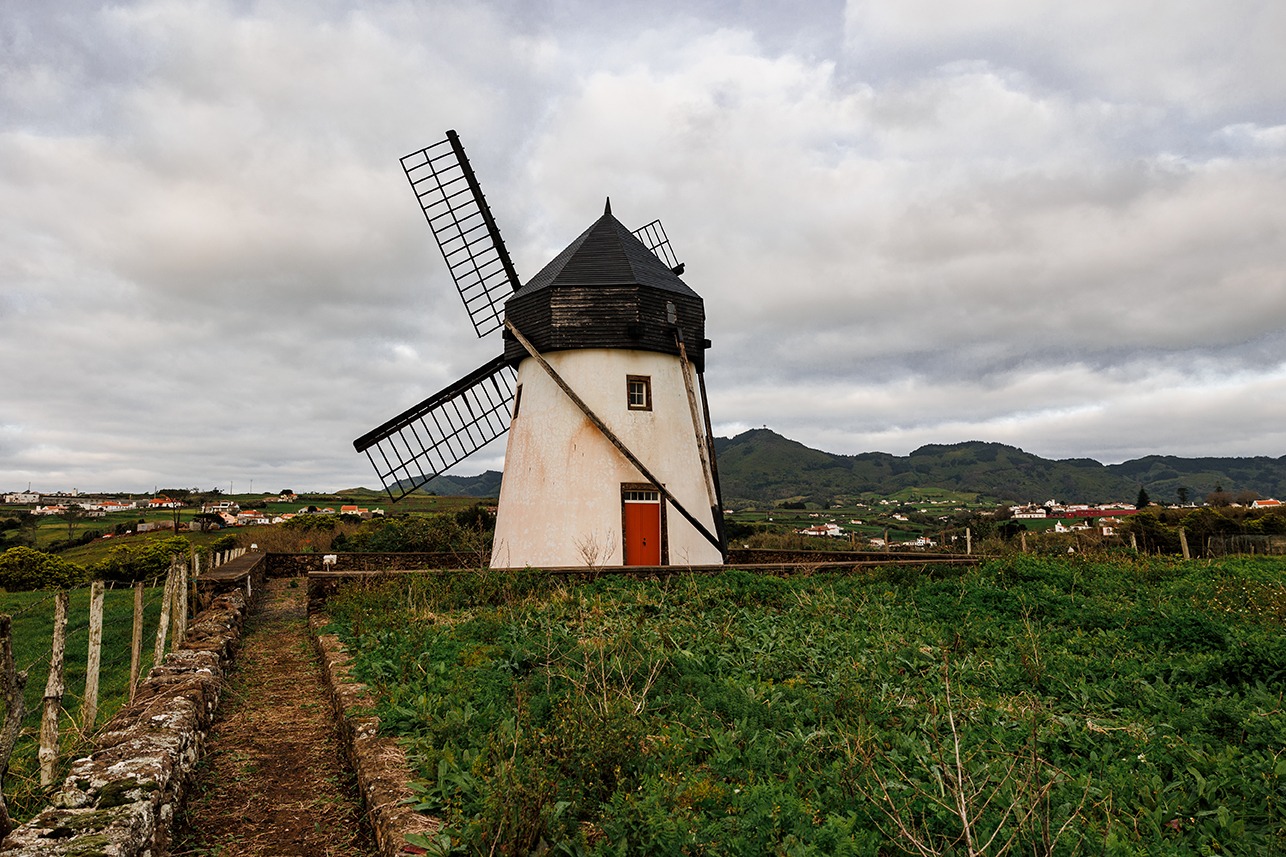
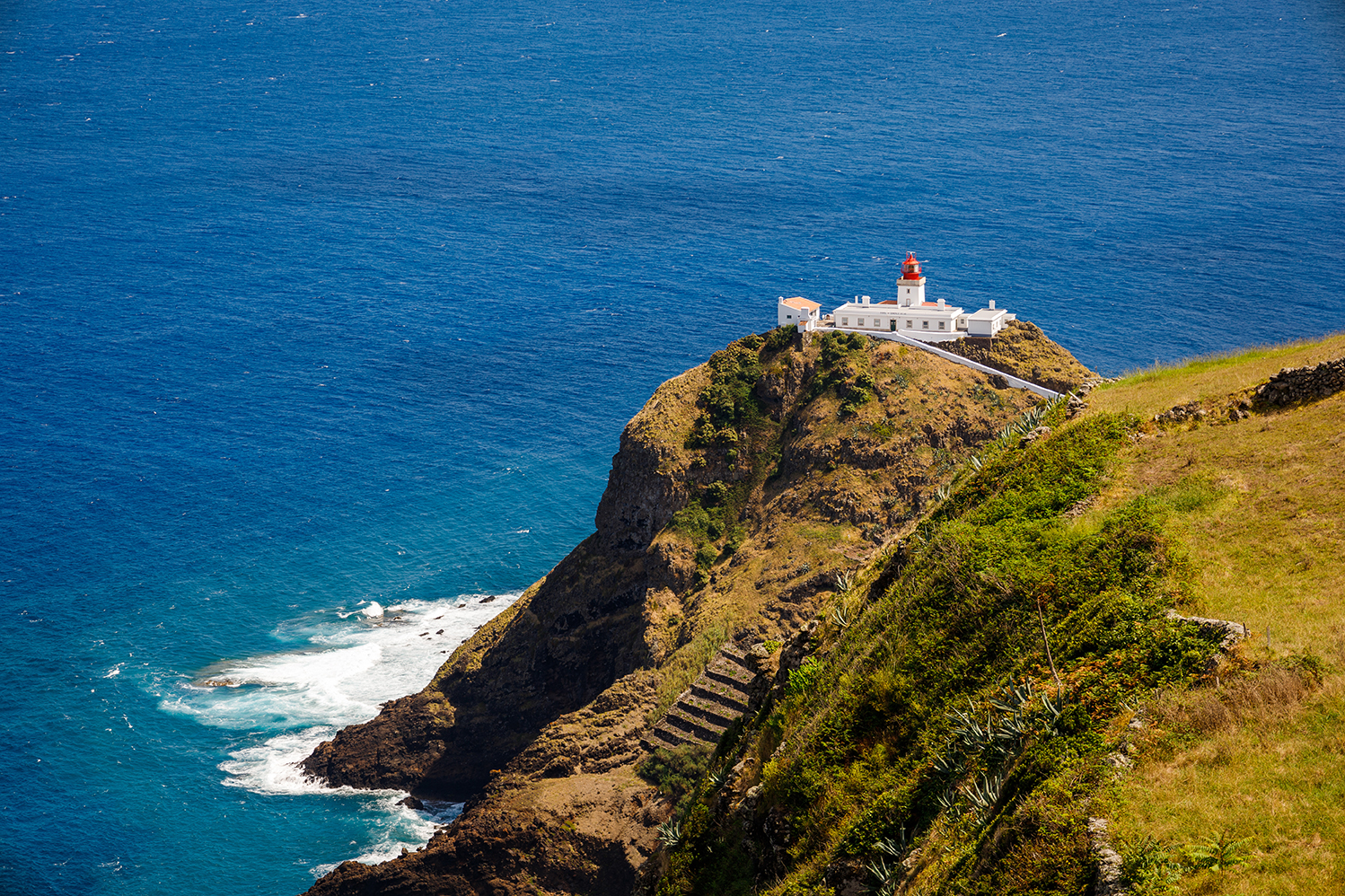
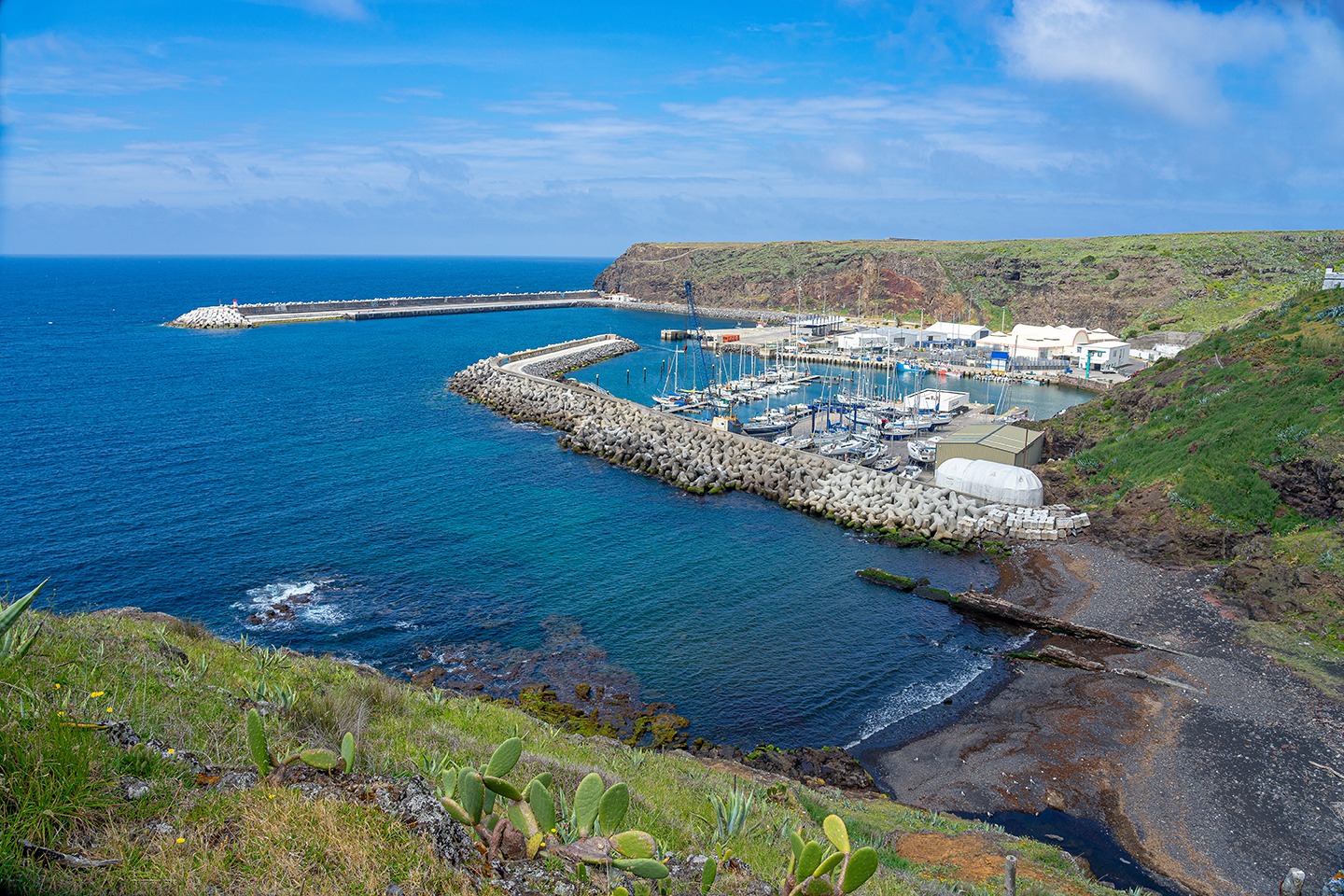
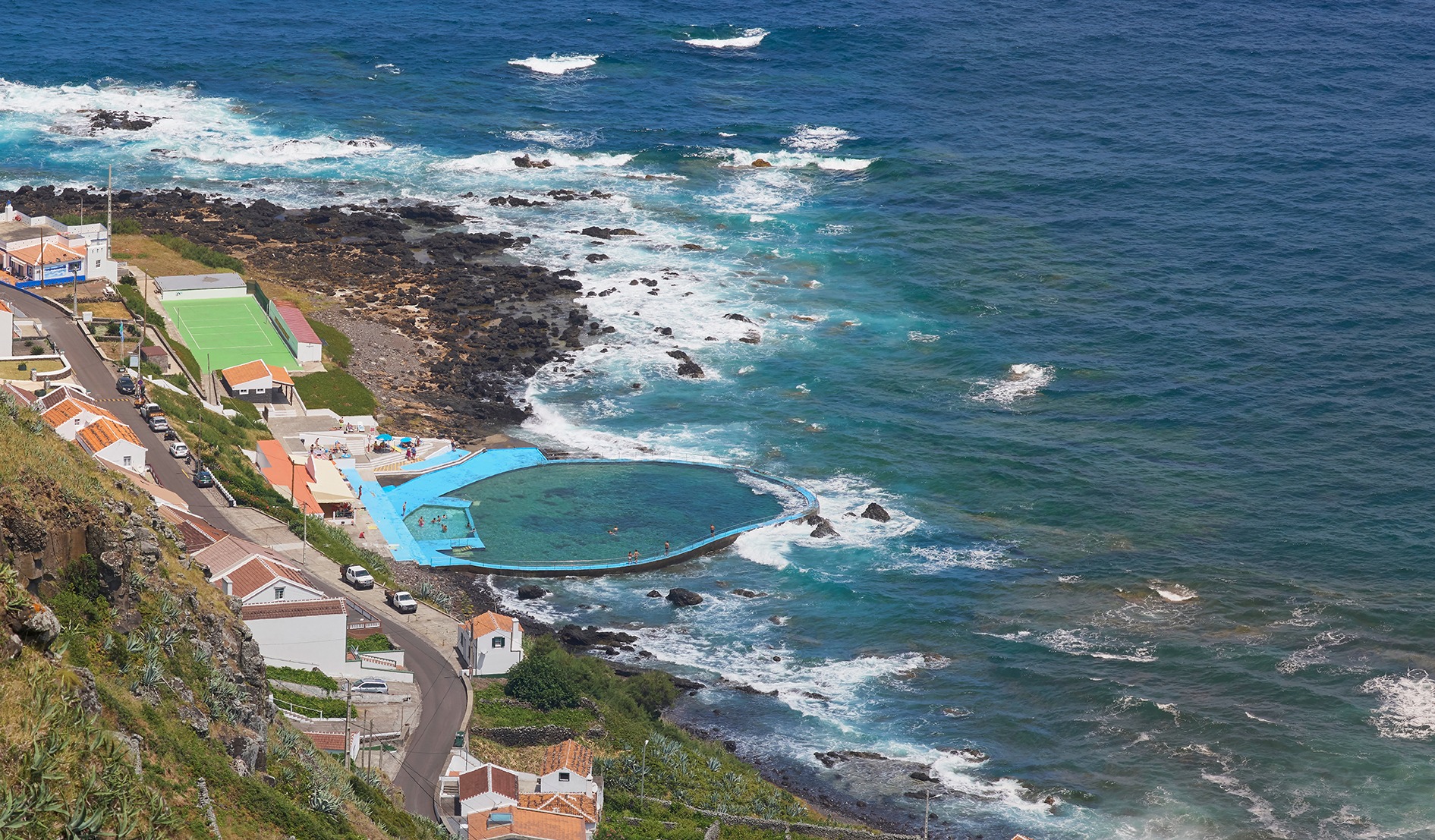
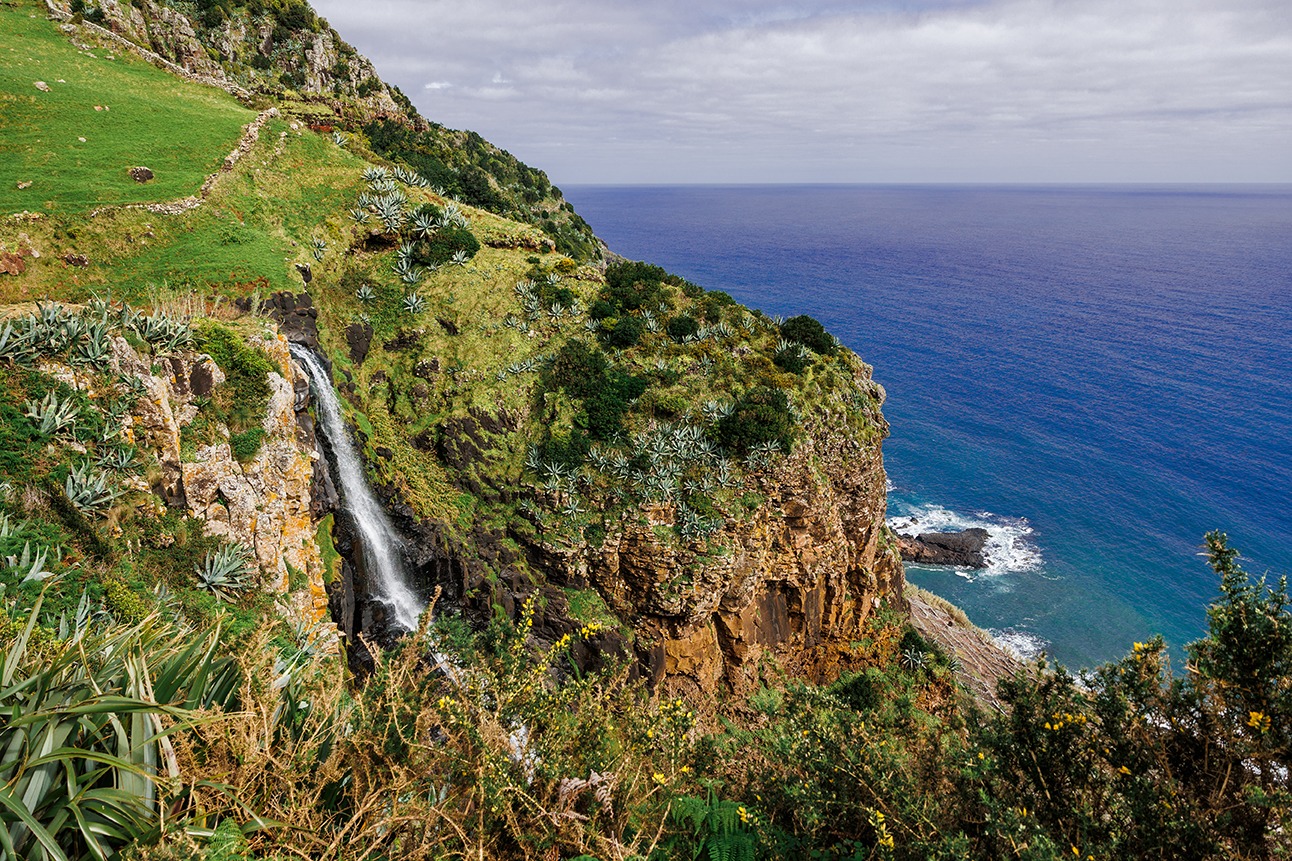
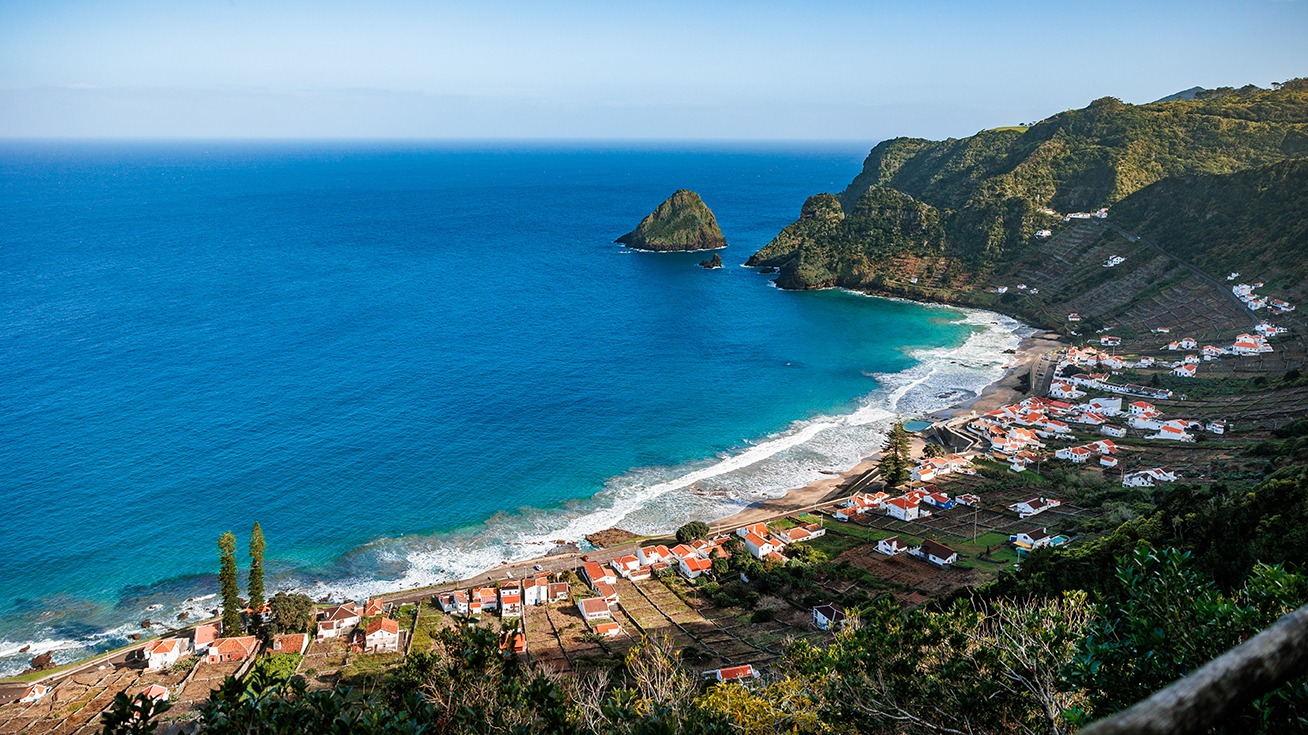
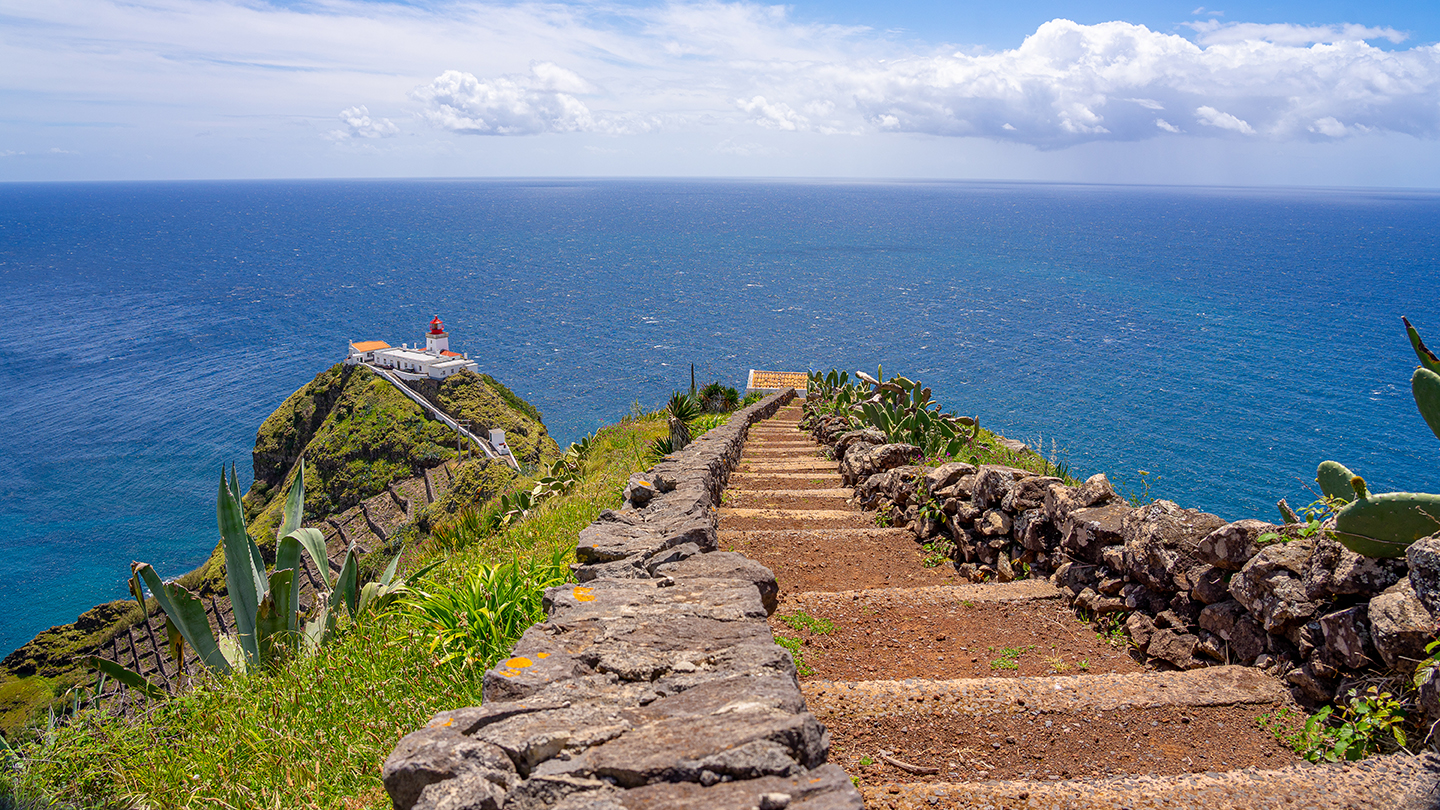
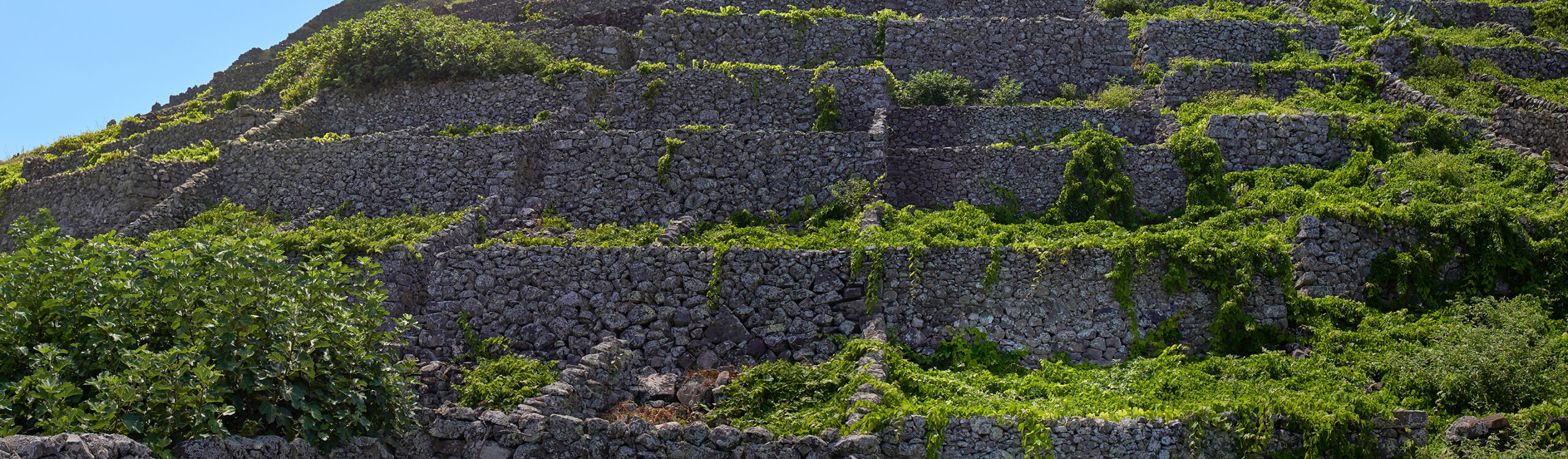
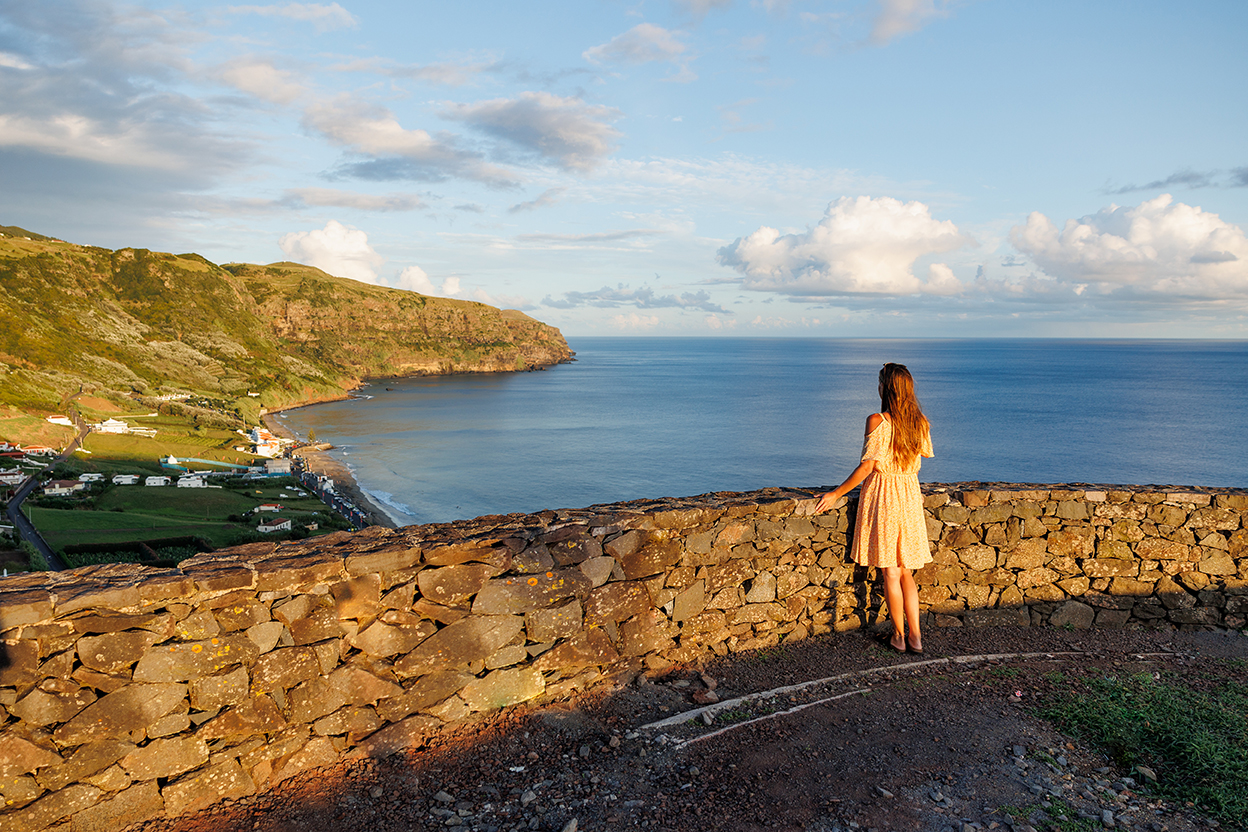
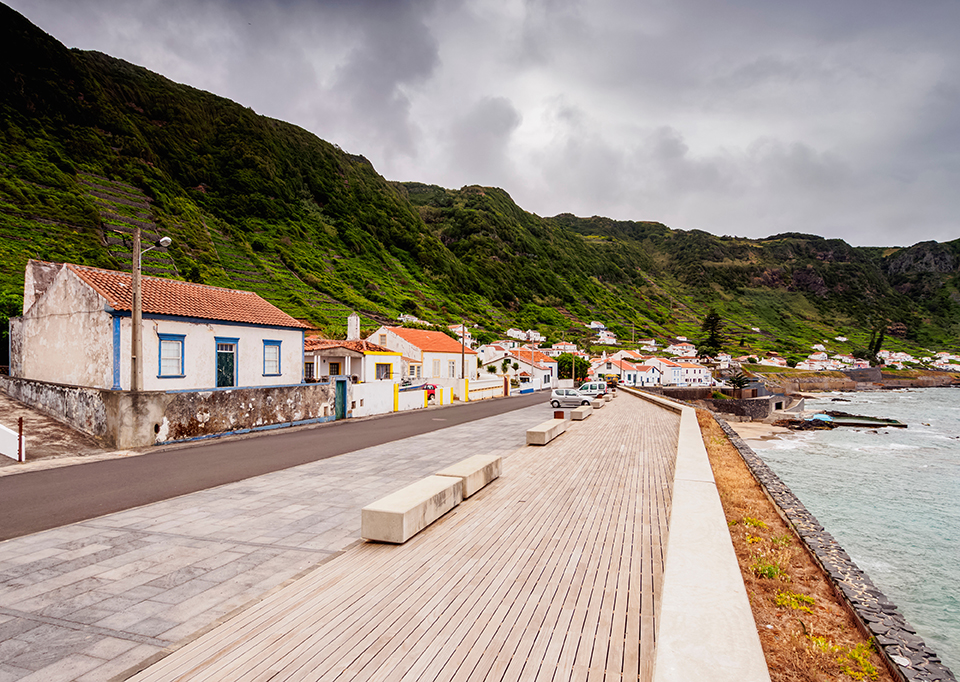
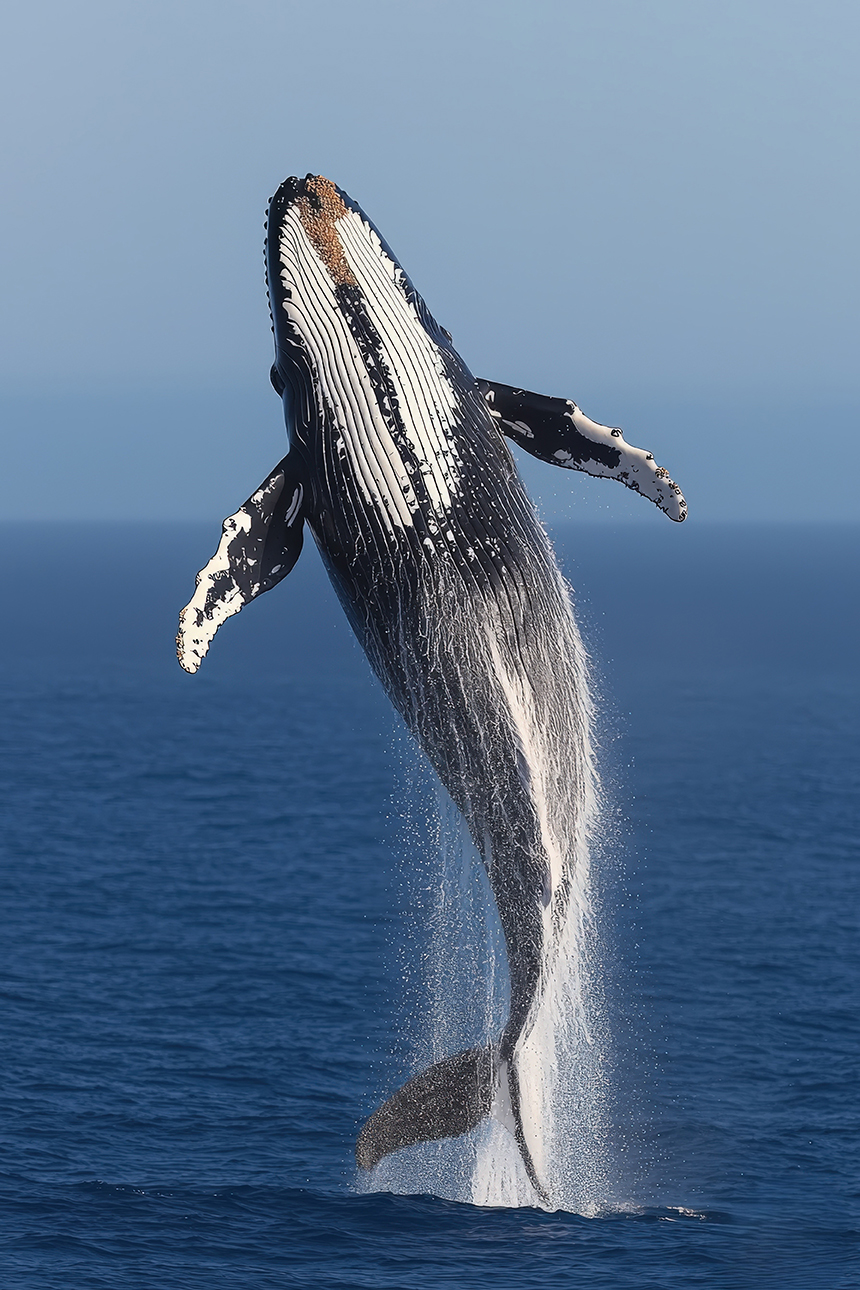
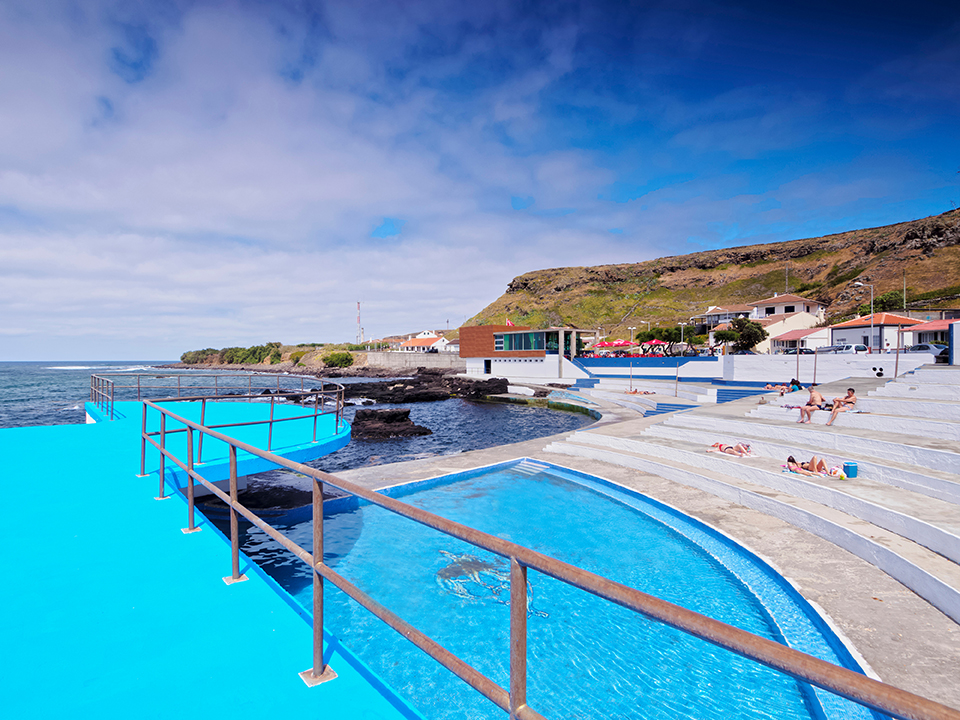
Some places invite you to explore. Santa Maria quietly invites you to stay. Santa Maria has a way of slowing the pace almost immediately. Perhaps it’s the warmth of the island’s sunshine, the broad sweep of golden sand at Praia Formosa, or the quiet roads that wind through vineyards, whitewashed villages, and rolling green hills before ending at dramatic cliffs overlooking the Atlantic. Life here moves a little more gently, encouraging visitors to exchange busy itineraries for unhurried afternoons and scenic drives for spontaneous discoveries.
Known as the Island of the Sun, Santa Maria enjoys the warmest and driest climate in the Azores. It also offers something unexpected. While much of the archipelago is known for black volcanic coastlines and crater lakes, Santa Maria surprises visitors with sandy beaches, distinctive red clay landscapes, fossil-rich cliffs, and a character all its own.
As the oldest island in the Azores, Santa Maria has witnessed centuries of history. It was the first island to be permanently settled by the Portuguese, and for generations it served as an important stop for ships crossing the Atlantic. Today, its villages continue to preserve a strong sense of community, where church bells mark the rhythm of the day, neighbors greet one another by name, and local traditions remain an important part of everyday life.
Some visitors come for the beaches. Others arrive to hike the coastal trails, dive in crystal-clear waters, or explore landscapes found nowhere else in the archipelago. Many leave remembering something less tangible. The quiet. The warmth of the people. The feeling that, for a little while, there was nowhere else they needed to be.
Welcome to Santa Maria.
Why Visit Santa Maria?
Santa Maria offers an experience unlike any other island in the Azores. Its warmer climate, broad sandy beaches, unique geological landscapes, and relaxed atmosphere create a destination that feels both familiar and wonderfully unexpected.
The island is perfect for travelers who enjoy combining nature with history, scenic drives with peaceful walks, and cultural discoveries with time to simply unwind. Spend the morning exploring dramatic coastal viewpoints, enjoy lunch in a seaside village, swim in clear Atlantic waters during the afternoon, and finish the day watching the sunset from a quiet cliff overlooking the ocean.
Santa Maria may be the smallest of the eastern islands, but it rewards those who take their time. It’s a place where every journey feels personal, every village offers a warm welcome, and every day ends just a little more peacefully than it began.
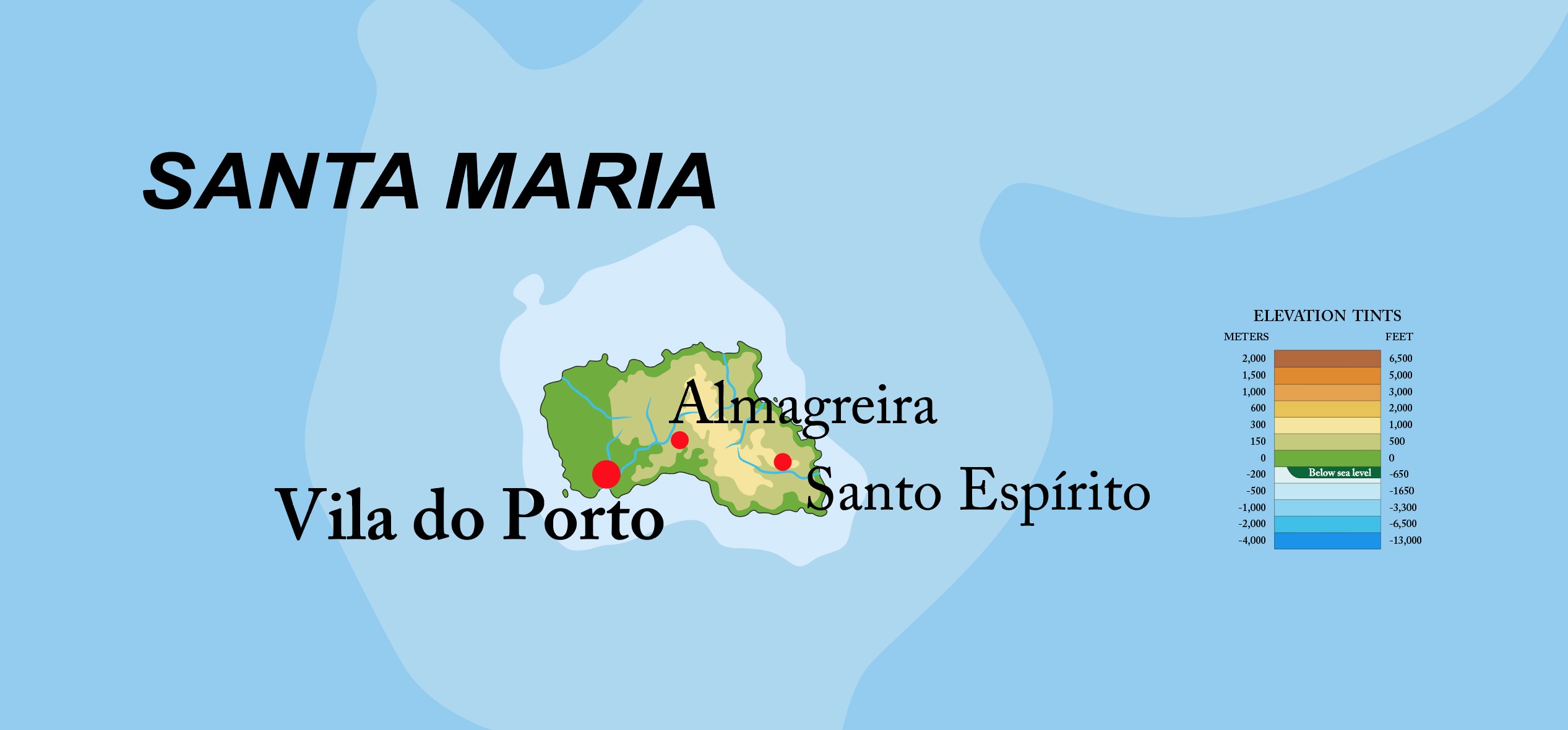
Island Snapshot
A Brief History
Santa Maria occupies a special place in the history of the Azores.
It was the first island in the archipelago to be permanently settled by the Portuguese during the fifteenth century, becoming the starting point for the colonization of the remaining islands. From here, communities gradually spread westward, establishing the foundations of Azorean culture that continue today.
The island’s story, however, began millions of years earlier.
As the oldest island in the Azores, Santa Maria differs geologically from its neighbors. Over time, erosion exposed marine fossils, limestone deposits, and sedimentary rock rarely found elsewhere in the archipelago. These remarkable landscapes continue to attract geologists and nature enthusiasts from around the world.
Life on Santa Maria has always been closely tied to the Atlantic. Fishing, farming, vineyards, and maritime trade shaped generations of island families, while the sheltered harbor of Vila do Porto welcomed ships crossing the ocean. According to tradition, Christopher Columbus stopped on Santa Maria during his return voyage from the Americas, adding another fascinating chapter to the island’s long history.
Today, Santa Maria remains proudly authentic. Historic churches, quiet villages, fertile farmland, and family-owned businesses preserve a way of life where community, hospitality, and tradition remain at the heart of everyday living.
Did You Know?
- Santa Maria was the first island in the Azores to be permanently settled.
- It is the oldest island in the archipelago from a geological perspective.
- Praia Formosa is home to one of the largest natural sandy beaches in the Azores.
- Barreiro da Faneca, often called the “Red Desert of the Azores,” is one of the island’s most unusual landscapes.
- Marine fossils found along the coast provide evidence that parts of the island were once beneath the sea.
- Santa Maria enjoys the warmest and driest climate in the Azores.
- Every August, Praia Formosa hosts Maré de Agosto, one of Portugal’s longest-running music festivals.
Getting Around
Santa Maria is an island that encourages exploration without rushing.
Although small enough to drive across in less than an hour, its winding roads invite frequent stops at scenic viewpoints, quiet beaches, historic chapels, and family-owned cafés. Renting a car is the easiest way to discover the island, giving you the flexibility to explore its coastline, hiking trails, and villages at your own pace.
Traffic is light, roads are well-maintained, and distances are short, making driving enjoyable even for first-time visitors. Hiking is another excellent way to experience Santa Maria, with well-marked trails leading through vineyards, coastal cliffs, and peaceful countryside rarely disturbed by crowds.
Leave time for unexpected discoveries.
Some of Santa Maria’s most memorable experiences happen between destinations.
If You Only Have One Day...
Begin your morning at Praia Formosa, where one of the Azores’ finest sandy beaches greets the day with gentle Atlantic waves. Continue to Vila do Porto to explore the island’s historic streets and waterfront before driving through the countryside to Barreiro da Faneca, whose striking red landscape offers a remarkable contrast to the island’s lush greenery.
Spend the afternoon following the coastal road to São Lourenço Bay, where terraced vineyards descend toward the sea, and one of Santa Maria’s most beautiful viewpoints awaits.
It’s a day that introduces you to the island’s beaches, history, geology, and quiet beauty—and one that often leaves visitors wishing they had planned to stay longer.
Natural Wonders
Santa Maria’s landscapes are unlike any other in the Azores. While neighboring islands are celebrated for dramatic volcanic peaks and crater lakes, Santa Maria offers a gentler landscape shaped by millions of years of erosion, rolling hills, fertile valleys, striking coastal cliffs, and some of the archipelago’s finest sandy beaches.
No place captures the island’s unique character better than Praia Formosa. Its broad stretch of golden sand is a rarity in the Azores, where black volcanic beaches are far more common. During the summer months, its calm waters attract swimmers, families, and visitors looking to enjoy the warmest sea temperatures in the archipelago.
One of Santa Maria’s most surprising landscapes is Barreiro da Faneca, often called the “Red Desert of the Azores.” Its reddish clay hills and sparse vegetation create a striking contrast to the island’s surrounding greenery. The unusual terrain is the result of millions of years of geological change and remains one of the most distinctive natural areas in the Azores.
The island’s coastline tells another fascinating story. Ancient fossil beds, dramatic cliffs, sea caves, and rocky headlands reveal Santa Maria’s geological history while providing spectacular viewpoints overlooking the Atlantic. Along the eastern coast, São Lourenço Bay combines terraced vineyards, whitewashed homes, and brilliant blue water to create one of the island’s most recognizable landscapes.
Throughout Santa Maria, scenic miradouros invite travelers to pause, take in the view, and appreciate the quiet beauty that defines the island.
Unlike destinations that reveal everything at once, Santa Maria rewards those who slow down and look a little closer.
Outdoor Adventures
Adventure on Santa Maria is less about adrenaline and more about discovering the island’s remarkable variety of landscapes.
Its network of hiking trails leads visitors through peaceful countryside, along dramatic sea cliffs, and into valleys where vineyards, traditional stone walls, and native vegetation reflect centuries of island life.
Many trails connect small villages, allowing hikers to experience both the natural beauty and cultural heritage of the island in a single journey.
The crystal-clear waters surrounding Santa Maria are among the best in the Azores for scuba diving and snorkeling. Excellent visibility, underwater caves, volcanic reefs, and abundant marine life have earned the island an international reputation among divers. Several dive sites also feature historic shipwrecks, adding another dimension to the underwater experience.
Boat excursions provide opportunities to explore the coastline from the sea, while seasonal whale and dolphin watching trips offer the chance to observe some of the Atlantic’s most remarkable marine mammals in their natural habitat.
Cycling is another enjoyable way to explore Santa Maria. Quiet roads, gentle traffic, and rolling landscapes make it an excellent island for leisurely rides between villages, viewpoints, and beaches.
Whether you’re hiking above the Atlantic, diving beneath its surface, or simply following a scenic coastal road, Santa Maria encourages exploration without ever feeling hurried.
Towns & Villages
Santa Maria’s towns and villages preserve a relaxed way of life that has changed little over the generations.
The island’s capital, Vila do Porto, is the oldest town in the Azores and remains the cultural and historical heart of Santa Maria. Its narrow streets, whitewashed buildings, historic churches, and attractive marina reflect more than five centuries of island history. Wander through the town, and you’ll discover small cafés, local shops, museums, and welcoming restaurants where island hospitality comes naturally.
Beyond the capital, smaller communities offer an authentic glimpse into everyday life.
Santo Espírito is surrounded by fertile farmland and known for its traditional architecture and peaceful atmosphere. Nearby São Pedro reflects the island’s agricultural heritage, where vineyards, grazing pastures, and quiet country roads continue to shape daily life.
Traveling between villages is part of the experience. Roadside chapels, colorful gardens, stone walls, and sweeping Atlantic views accompany nearly every journey, making even the shortest drive an opportunity to discover something unexpected.
Santa Maria’s villages don’t ask for your attention.
They earn it quietly.
Along the Coast
The sea has always shaped life on Santa Maria.
Fishing villages, sheltered bays, natural swimming areas, and dramatic cliffs reflect the island’s long relationship with the Atlantic, while broad sandy beaches distinguish it from every other island in the archipelago.
Praia Formosa remains the island’s best-known beach, welcoming swimmers, families, and sun-seekers throughout the summer. Its wide shoreline and calm waters make it one of the most popular gathering places on Santa Maria.
Further east, São Lourenço Bay offers a very different coastal experience. Terraced vineyards descend the hillsides toward a protected bay, creating one of the most photographed landscapes in the Azores.
The combination of vineyards, traditional homes, and brilliant blue water is uniquely Santa Maria. Elsewhere, rugged cliffs overlook hidden coves where the Atlantic has carved dramatic rock formations over thousands of years. Quiet harbors continue to support local fishing boats, reminding visitors that the ocean remains an important part of island life.
Whether you’re enjoying an afternoon on the beach, watching waves break against ancient cliffs, or simply sitting at a scenic overlook as fishing boats return to harbor, the coastline is never far away.
It is part of Santa Maria’s identity.
Family Experiences
Santa Maria offers families something increasingly difficult to find—space to slow down and simply enjoy time together. Children are naturally drawn to the island’s sandy beaches, where gentle waves and open shoreline provide plenty of room to play. Easy walking trails, scenic viewpoints, and quiet villages make exploring comfortable for travelers of every age, while the island’s relaxed pace allows families to experience more without feeling rushed.
Boat trips, wildlife excursions, and visits to local farms introduce younger travelers to the island’s natural and agricultural traditions. Museums and historic sites provide opportunities to learn about Santa Maria’s role in the history of the Azores, while beaches and picnic areas invite families to spend unhurried afternoons outdoors.
Parents and grandparents often discover that the island’s greatest attraction isn’t a particular landmark.
It’s the atmosphere.
Santa Maria encourages families to disconnect from busy schedules, spend time together, and create memories that feel refreshingly uncomplicated.
Sometimes the simplest moments become the ones everyone remembers.
Savor Santa Maria
The cuisine of Santa Maria reflects the island’s close relationship with both the land and the sea. Fresh ingredients, family recipes, and a tradition of simple, honest cooking define meals that are as memorable as the island’s landscapes.
Seafood naturally takes center stage. Fresh tuna, grouper, octopus, limpets (lapas), and other local fish appear on menus throughout the island, often grilled with olive oil, garlic, and herbs or served alongside locally grown vegetables. Because the fishing fleet is relatively small, many restaurants feature the day’s catch, making every meal a little different.
Santa Maria’s fertile countryside also produces excellent cheeses, sweet potatoes, fresh fruit, honey, and seasonal vegetables. Traditional breads are still baked daily, and many family-run bakeries continue recipes that have been passed down for generations.
The island is especially known for its melon, a summer favorite prized for its sweetness and grown in Santa Maria’s warm, dry climate. During the harvest season, it’s a local specialty that appears on restaurant menus and at roadside farm stands.
Save room for dessert. Traditional pastries, homemade jams, and local liqueurs provide a delicious ending to any meal, while cafés throughout the island invite visitors to slow down over coffee and conversation.
Dining in Santa Maria isn’t simply about eating.
It’s about taking your time, sharing stories, and enjoying the quiet hospitality that defines island life.
Local Favorite
Ask residents where they go when they want to enjoy one of Santa Maria’s most peaceful views, and many will point you toward São Lourenço Bay.
The terraced vineyards descending toward the Atlantic have shaped this landscape for generations, creating one of the island’s most distinctive scenes. Unlike some viewpoints that encourage only a quick photograph, São Lourenço invites visitors to linger.
Arrive in the late afternoon, when the sunlight softens across the hillsides and fishing boats begin returning to the bay. Sit for a while, listen to the waves below, and watch daily life unfold at its own gentle pace.
It’s one of those places that remind you why slowing down is part of the Santa Maria experience.
Picture Perfect
Santa Maria rewards photographers with a remarkable variety of landscapes, from golden beaches and dramatic cliffs to peaceful villages and vineyard-covered hillsides.
Best Sunrise
Praia Formosa
Begin your day as the first light reaches one of the Azores’ most beautiful sandy beaches, where the
Atlantic quietly welcomes the morning.
Best Sunset
Ponta do Castelo
As evening approaches, the cliffs glow in warm light while the Atlantic stretches endlessly toward the horizon.
The Classic View
São Lourenço Bay
Terraced vineyards, whitewashed homes, and brilliant blue water combine to create one of Santa Maria’s most recognizable landscapes.
Worth the Short Walk
Barreiro da Faneca
Explore the island’s remarkable red-clay landscape, unlike anything else in the Azores, especially striking in the late-afternoon light.
Most Peaceful Spot
Miradouro da Macela
Overlooking dramatic cliffs and the open Atlantic, this quiet viewpoint is the perfect place to pause and simply appreciate the island’s natural beauty.
Best Village Scene
Vila do Porto
Historic streets, traditional architecture, and the waterfront marina capture the timeless character of Santa Maria’s oldest town.
Returning Home:
Reconnecting with Your Azorean Heritage
For many visitors, Santa Maria represents more than a destination.
It represents the beginning of a family’s journey.
As the first island permanently settled in the Azores, Santa Maria holds a special place in the history of the archipelago. Over the centuries, families from the island emigrated to North America, Bermuda, Brazil, and beyond, carrying with them traditions that continue to shape Azorean communities around the world.
Returning today can be a deeply personal experience.
Perhaps you’ll visit the parish church where your ancestors were baptized, walk through the village where generations of your family once lived, or discover familiar surnames in a local cemetery overlooking the sea. Even if your family’s story has become fragmented over time, standing in the place where it began often creates a connection that words alone cannot explain.
If you’re researching your heritage, begin by visiting your family’s freguesia (parish). Parish churches and municipal archives preserve valuable historical records, while conversations with longtime residents often reveal stories that never appear in official documents.
Even visitors without family ties often feel unexpectedly at home here.
Santa Maria has a quiet way of welcoming people—not through grand monuments or busy attractions, but through genuine hospitality, shared traditions, and the simple kindness of everyday life.
Many arrive as visitors.
More than a few leave feeling they have found a place they’ll always remember.
Festivals & Traditions
One of the best ways to experience the spirit of Santa Maria is to visit during one of its festivals. Throughout the year, the island’s communities celebrate their faith, music, agriculture, and maritime heritage with events that bring together residents, returning families, and visitors from around the world.
Village squares fill with music, church bells ring across the countryside, and neighbors gather to share meals, stories, and traditions that have been passed from one generation to the next.
For many Azoreans living abroad, these celebrations are the reason they return home. Festivals provide an opportunity to reconnect with family, visit ancestral villages, and welcome younger generations into traditions that remain central to island life.
Whether you attend a large summer celebration or a small village festa, you’ll experience the warmth, hospitality, and strong sense of community that make Santa Maria so memorable.
Maré de Agosto
Season: August
Since 1984, Maré de Agosto has grown into one of Portugal’s longest-running and most respected music festivals. Held at Praia Formosa, the festival brings together Portuguese and international musicians in an extraordinary setting overlooking the Atlantic Ocean.
Unlike many large music festivals, Maré de Agosto has maintained an intimate atmosphere that reflects the character of Santa Maria itself. Concerts take place just steps from the beach, allowing festival-goers to enjoy live performances while surrounded by the island’s natural beauty. The event attracts visitors from across Portugal, Europe, North America, and the Azorean diaspora, creating a vibrant celebration that blends contemporary music with island hospitality.
For many returning emigrants, the festival has become part of an annual summer tradition, bringing together family reunions, beach days, and evenings filled with music.
What You'll Experience
Travel Tip: Accommodation fills quickly during the festival. Book several months in advance if you’re planning to attend.
Festas do Espírito Santo (Holy Spirit Festivals)
Season: Spring through Early Summer
Like every island in the Azores, Santa Maria celebrates the Festas do Espírito Santo, one of the region’s most treasured traditions.
Held in villages across the island, these celebrations honor the Holy Spirit through religious ceremonies, beautifully decorated Impérios, community meals, brass bands, and colorful processions. At the heart of every celebration is the belief in generosity, hospitality, and caring for one’s neighbors.
Many families living abroad return specifically for these celebrations, making them as much a family reunion as a religious festival.
What You'll Experience
Travel Tip: Visitors are always welcome. Observe religious ceremonies respectfully, and don’t hesitate to accept an invitation to a community meal if one is offered.
Festa de Nossa Senhora da Assunção
Season: August
The Feast of Our Lady of the Assumption, the patron saint of Vila do Porto, is one of Santa Maria’s most important religious celebrations.
The festival combines centuries-old religious traditions with concerts, local food, family activities, and community events that bring residents together during the height of summer. Streets fill with music, churches are beautifully decorated, and evening festivities continue well after sunset.
What You'll Experience
Travel Tip: Spend time exploring Vila do Porto before the evening festivities begin. The town takes on a special atmosphere during the celebration.
Village Summer Festas
Season: Summer
Throughout the summer, Santa Maria’s smaller villages celebrate their patron saints with festivals that reflect the island’s close-knit communities.
While each village has its own traditions, visitors can expect music, dancing, local cuisine, religious processions, and a warm welcome from residents proud to share their community with guests.
These smaller celebrations often provide the most authentic glimpse into everyday island life.
What You'll Experience
Travel Tip: Ask local residents what celebrations are taking place during your visit. You may discover a village festival that isn’t widely advertised but offers one of the most memorable experiences of your trip.
Christmas & Easter Traditions
Christmas and Easter remain deeply rooted in Santa Maria’s cultural life.
Churches host special services throughout the holiday seasons, choirs perform traditional music, and families gather for festive meals that often include recipes handed down through generations. Nativity displays, seasonal decorations, and Holy Week observances reflect the island’s enduring faith and strong family traditions.
For visitors seeking a quieter and more reflective experience, these holidays offer a wonderful opportunity to witness another side of island life.
Planning Your Visit
Festival dates vary from year to year, particularly religious celebrations that follow the liturgical calendar.
If you’re planning your trip around a particular festival, check the official municipal calendar or local tourism office before making travel arrangements.
Major festivals attract visitors from across the Azores and the Azorean diaspora, so accommodations should be reserved well in advance.
Frequently Asked Questions
How many days should I spend in Santa Maria?
Three to five days gives you enough time to enjoy the island’s beaches, hiking trails, scenic viewpoints, villages, and a relaxed pace while still leaving room to simply unwind.
What makes Santa Maria different from the other Azores islands?
Santa Maria is known for its warm, dry climate, broad sandy beaches, fossil-rich geology, and slower pace of life. Its landscapes and coastline are unlike anywhere else in the archipelago.
Do I need a rental car?
Yes. Renting a car is the best way to explore the island’s beaches, viewpoints, villages, and hiking trails. Roads are well-maintained, traffic is light, and driving is enjoyable.
Is Santa Maria family-friendly?
Absolutely. Sandy beaches, gentle walking trails, welcoming communities, and a relaxed atmosphere make it an excellent destination for families of all ages.
Is Santa Maria good for hiking?
Yes. Well-marked trails lead through vineyards, coastal cliffs, valleys, and peaceful countryside, offering beautiful scenery without large crowds.
Can I swim year-round?
Swimming is possible throughout the year, although summer and early autumn generally offer the warmest ocean temperatures.
Is English widely spoken?
English is commonly spoken in hotels, restaurants, and tourism-related businesses. Learning a few Portuguese greetings is always appreciated and often leads to warm conversations with local residents.
Until Next Time...
Some islands impress you with dramatic landscapes.
Santa Maria leaves a quieter impression.
Perhaps you’ll remember the gentle sound of the Atlantic at Praia Formosa, the vineyards overlooking São Lourenço Bay, or the peaceful streets of Vila do Porto where history and everyday life continue side by side.
Or perhaps you’ll remember something even simpler—a conversation with a local shopkeeper, an unhurried lunch overlooking the sea, or an afternoon when you forgot to check the time.
That’s the gift of Santa Maria.
It reminds us that travel isn’t always about seeing more.
Sometimes it’s about slowing down enough to truly experience where you are.
Whether you’ve come to discover the island for the first time or to reconnect with your family’s roots, we hope Santa Maria leaves you with memories that stay long after your journey ends.
Every island tells its own story. We hope you’ll discover them all.
Explore the Other Azores Islands
Every island in the Azores offers its own landscapes, traditions, and unforgettable experiences. While Santa Maria is often the first stop for many travelers, it’s only the beginning of the journey.
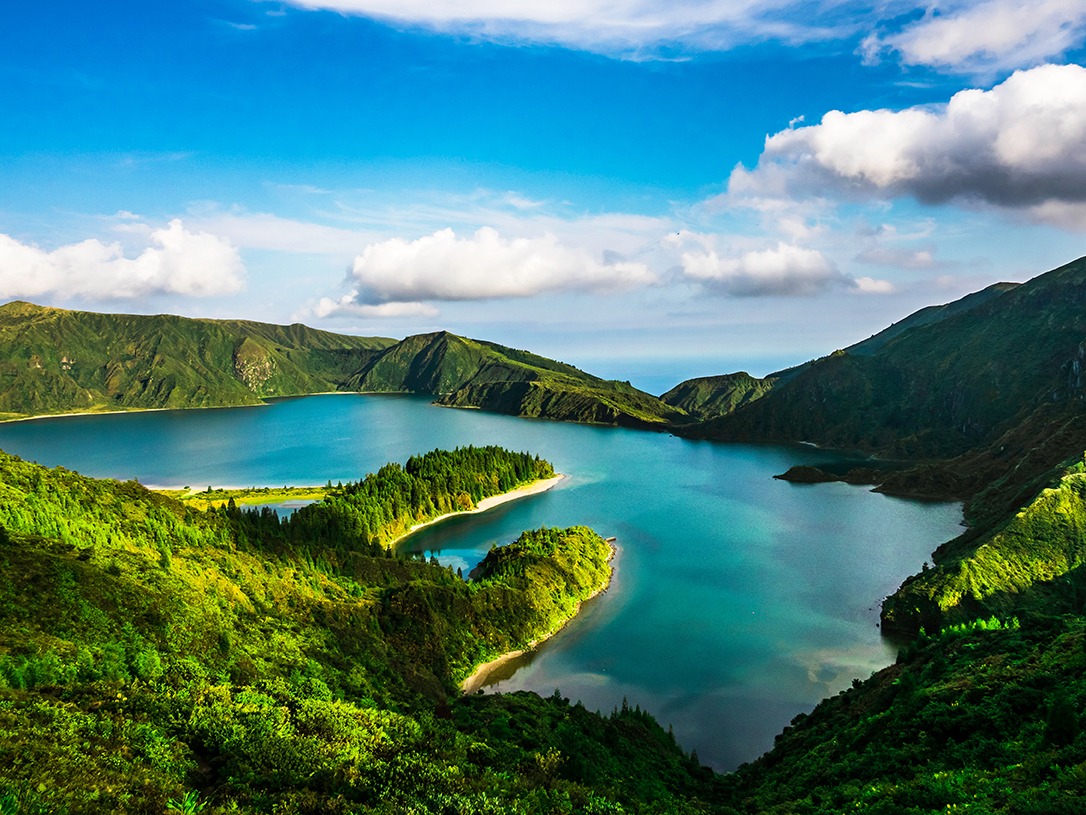
São Miguel
Known as the Green Island, São Miguel is famous for its volcanic crater lakes, geothermal hot springs, lush landscapes, tea plantations, and charming towns. As the largest island in the Azores, it offers the perfect blend of natural beauty, adventure, and local culture.
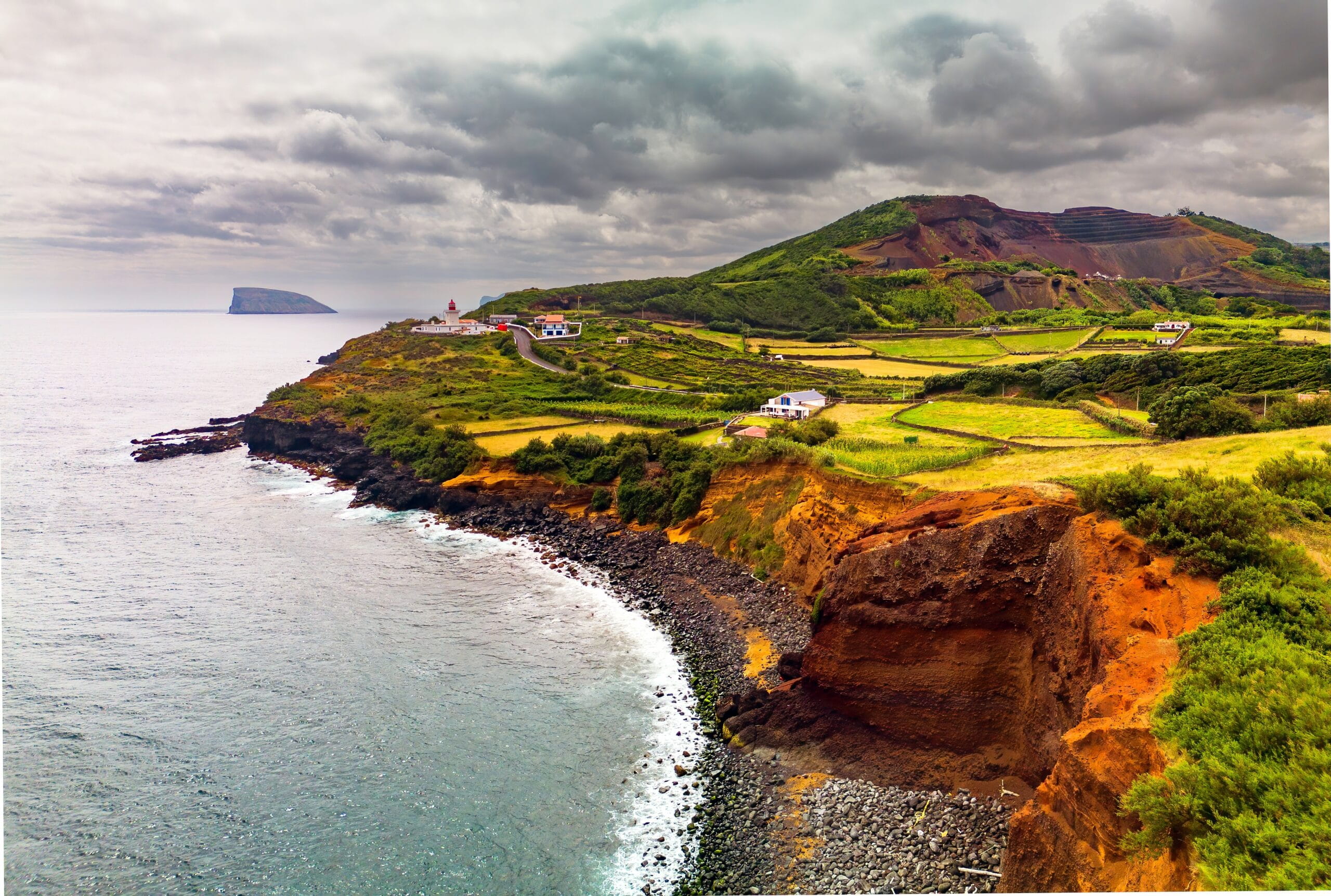
Terceira
A UNESCO World Heritage city, colorful festivals, lively traditions, and centuries of history make Terceira one of the cultural hearts of the Azores. From Angra do Heroísmo to the island’s famous Sanjoaninas celebrations, Terceira is rich in heritage and community spirit.
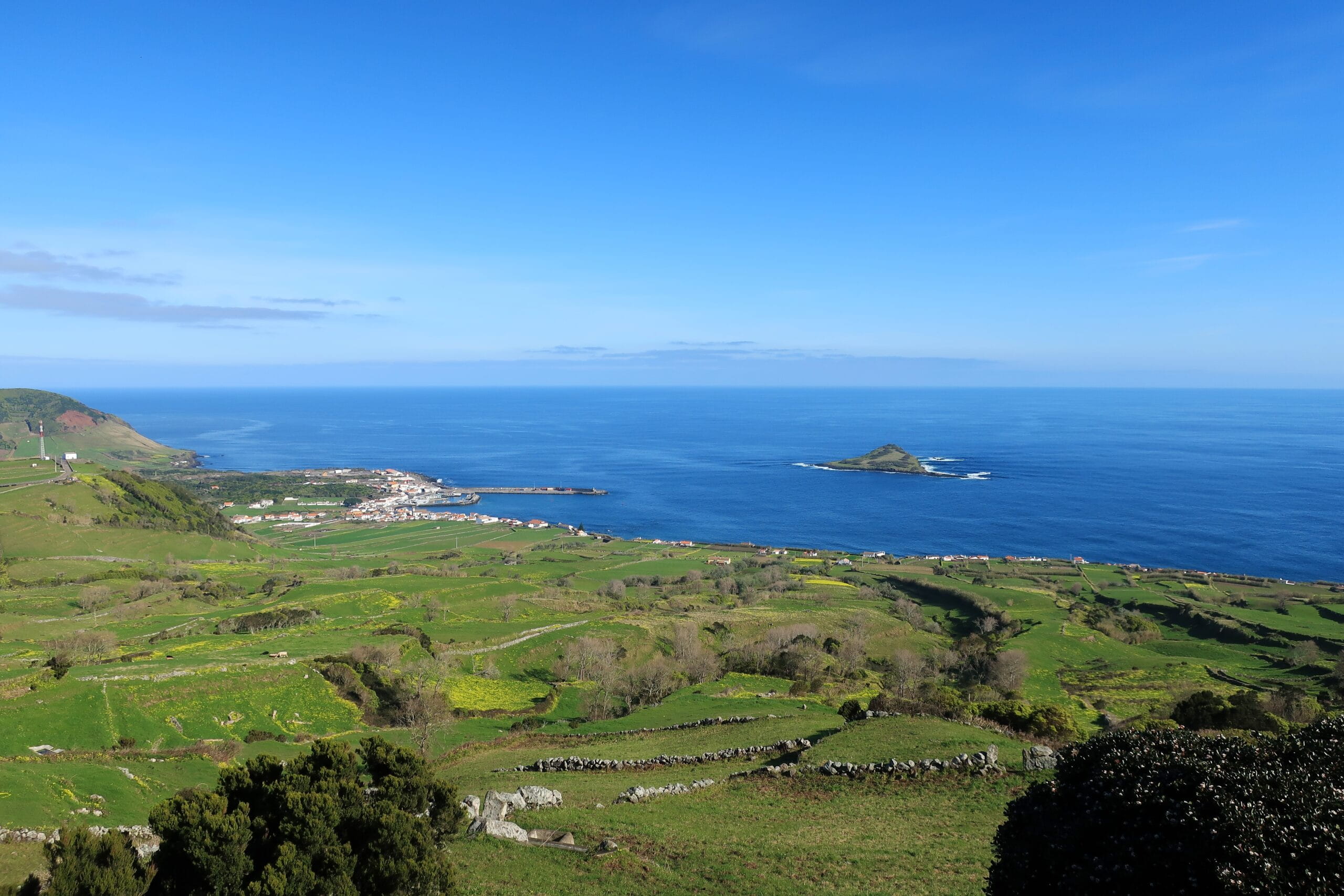
Graciosa
Peaceful, welcoming, and wonderfully unhurried, Graciosa is known for its whitewashed villages, traditional windmills, vineyards, and the remarkable Furna do Enxofre volcanic cave. It’s an island where quiet moments become lasting memories.
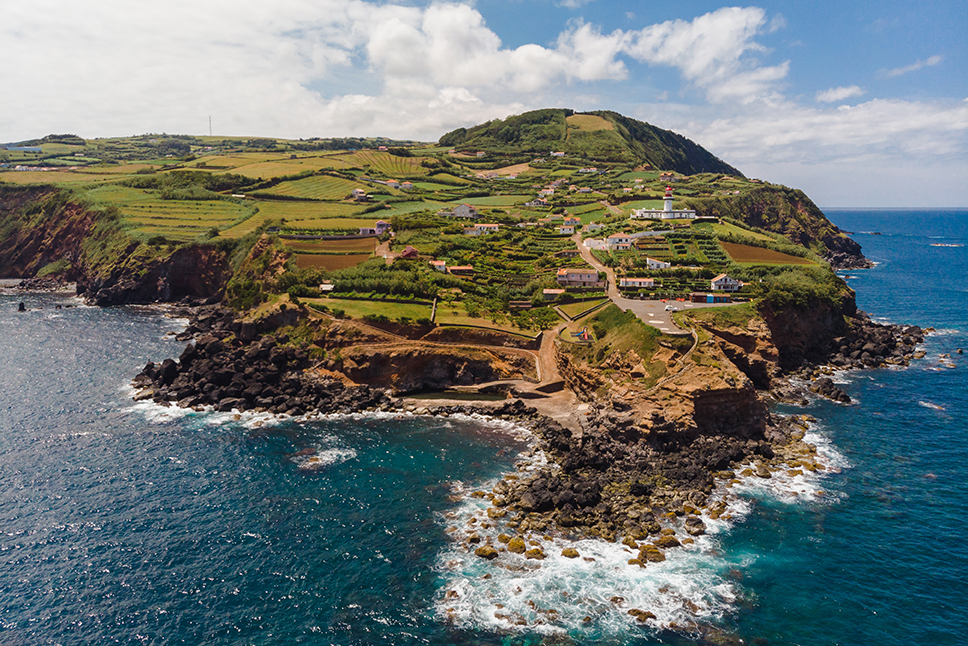
São Jorge
Steep cliffs, dramatic fajãs, scenic hiking trails, and the island’s world-famous cheese define São Jorge. Nature lovers and outdoor enthusiasts will discover breathtaking landscapes unlike anywhere else in the Azores.
Pico
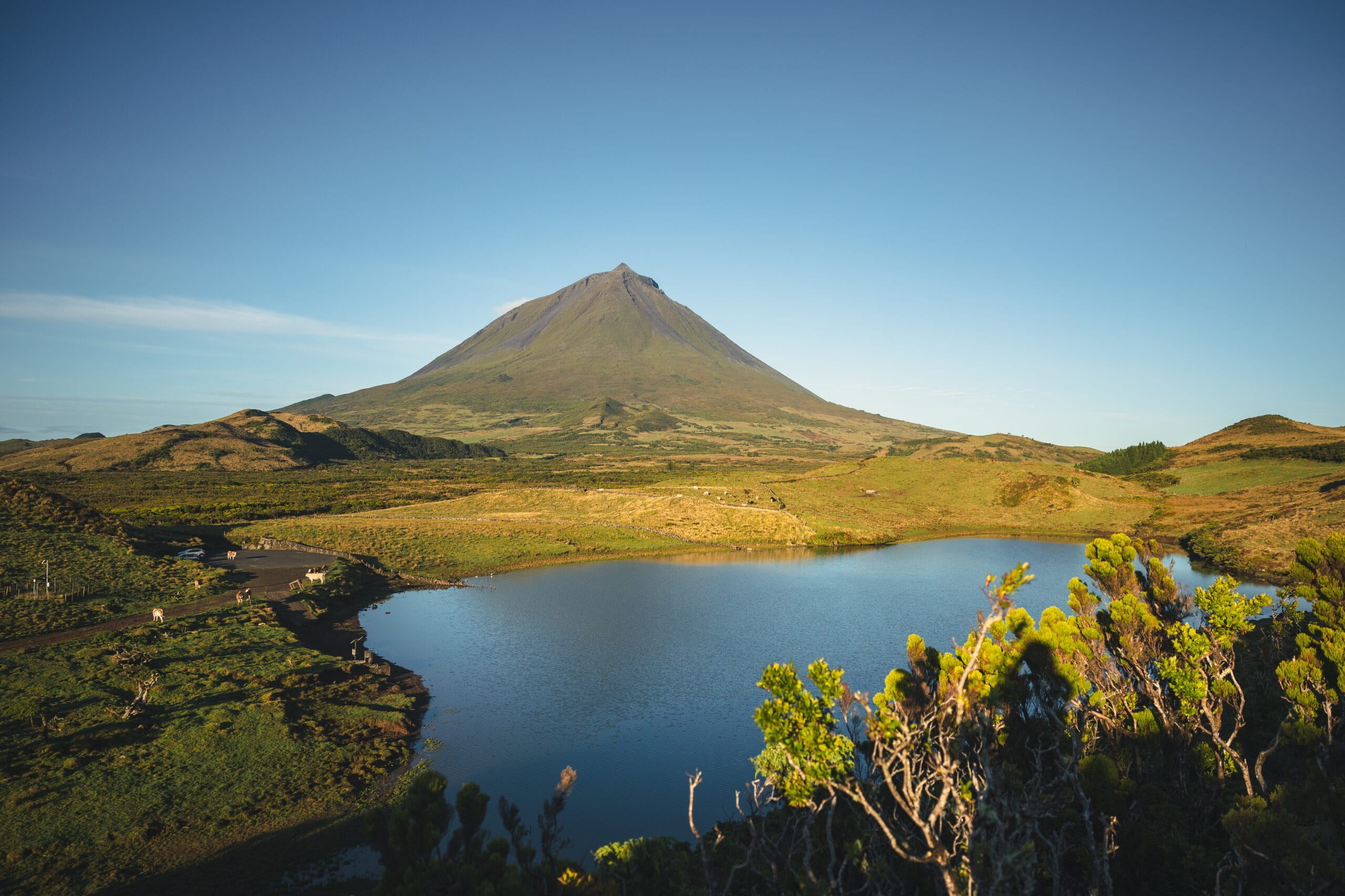
Dominated by Portugal’s highest mountain, Pico combines volcanic landscapes with UNESCO-listed vineyards, a rich whaling heritage, and some of the best whale watching in the Atlantic. It’s an island that celebrates both the sea and the mountain that gives it its identity.
Faial
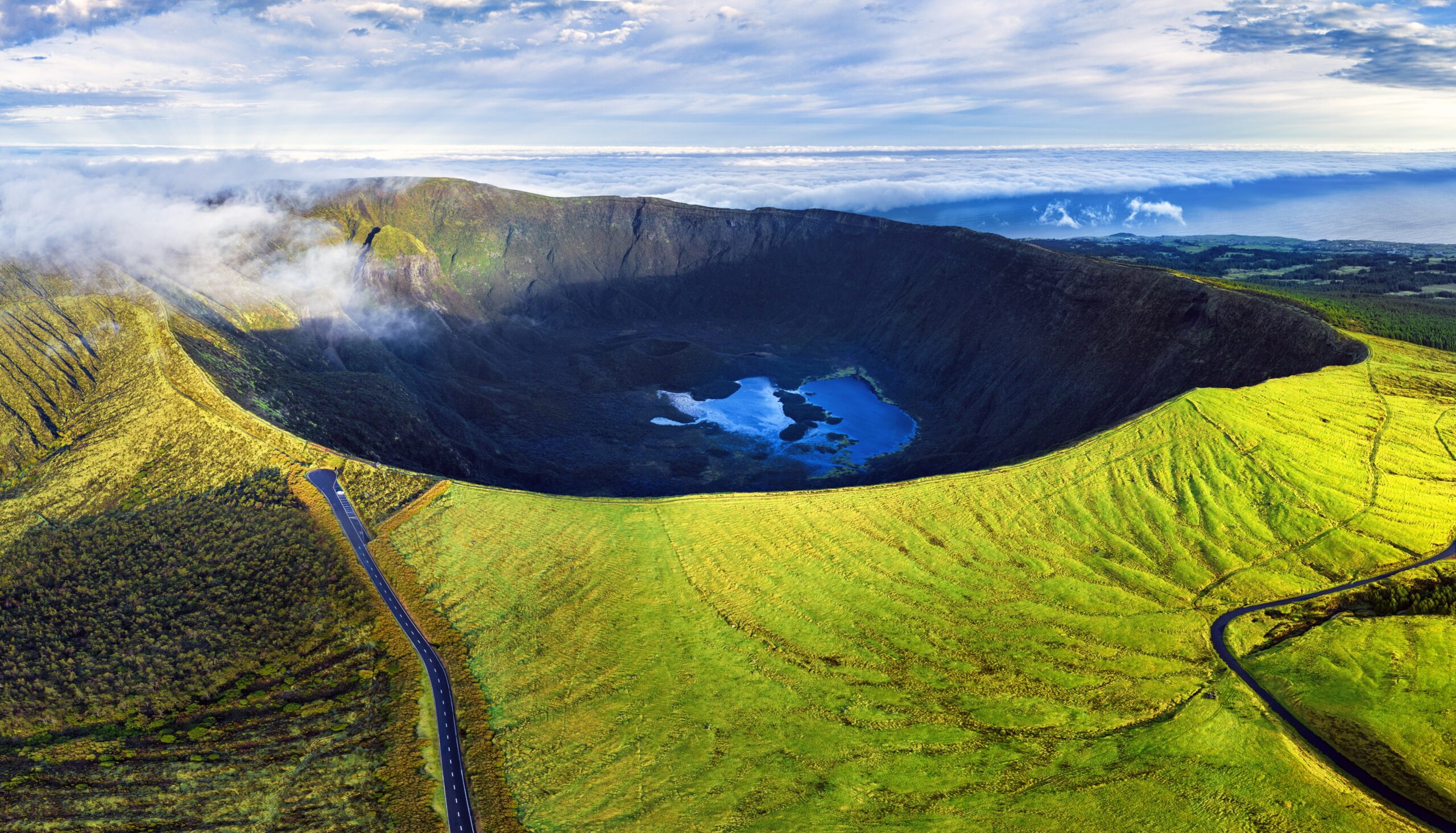
Known as the Blue Island, Faial welcomes sailors from around the world to the historic marina in Horta. Visitors also come to explore the dramatic Capelinhos Volcano, walk the rim of the Caldeira, and enjoy spectacular views of neighboring Pico.
Flores
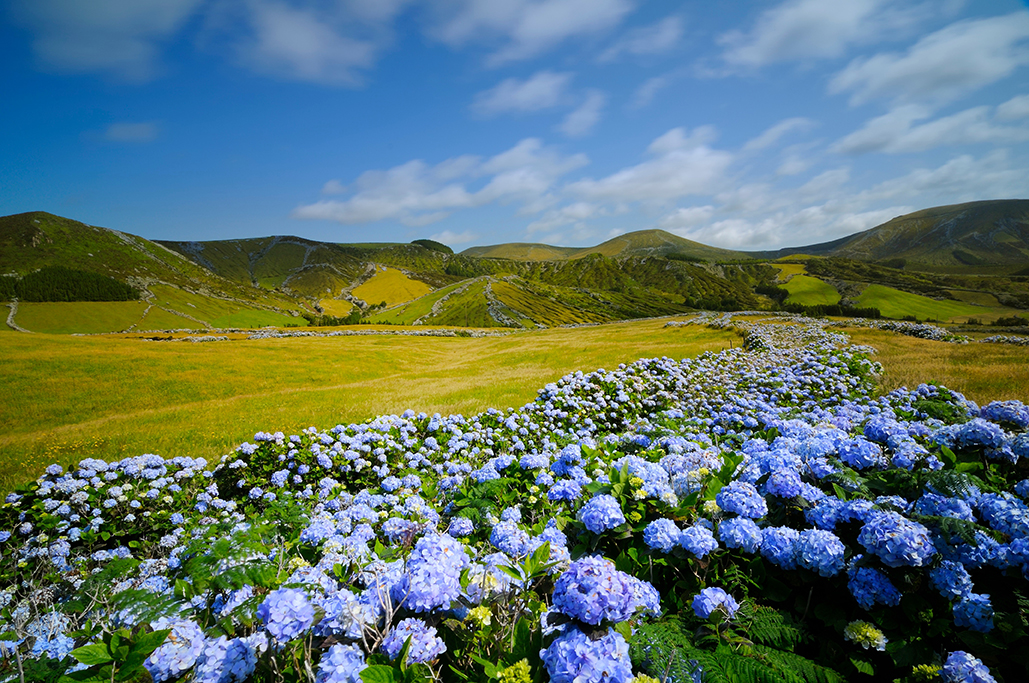
Often considered one of Europe’s most beautiful islands, Flores is a paradise of waterfalls, crater lakes, lush valleys, and dramatic cliffs. Nature is never far away, making every drive and every hike unforgettable.
Corvo
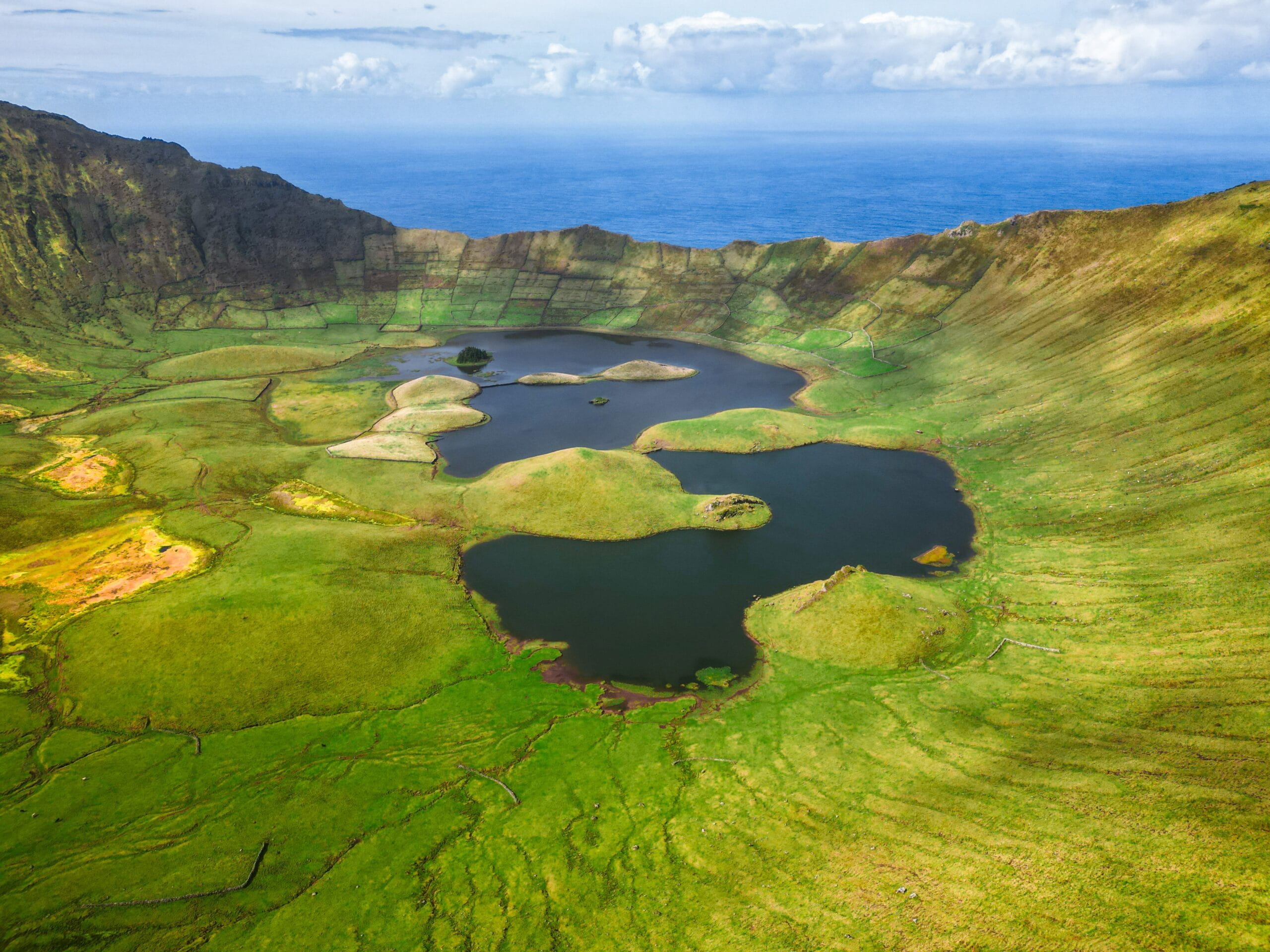
The smallest island in the Azores offers one of its greatest rewards—peace. Home to a single village and the spectacular Caldeirão volcanic crater, Corvo invites visitors to slow down and experience island life at its simplest and most authentic.