Discover São Miguel, Azores
The Green Heart of the Azores
Welcome to São Miguel
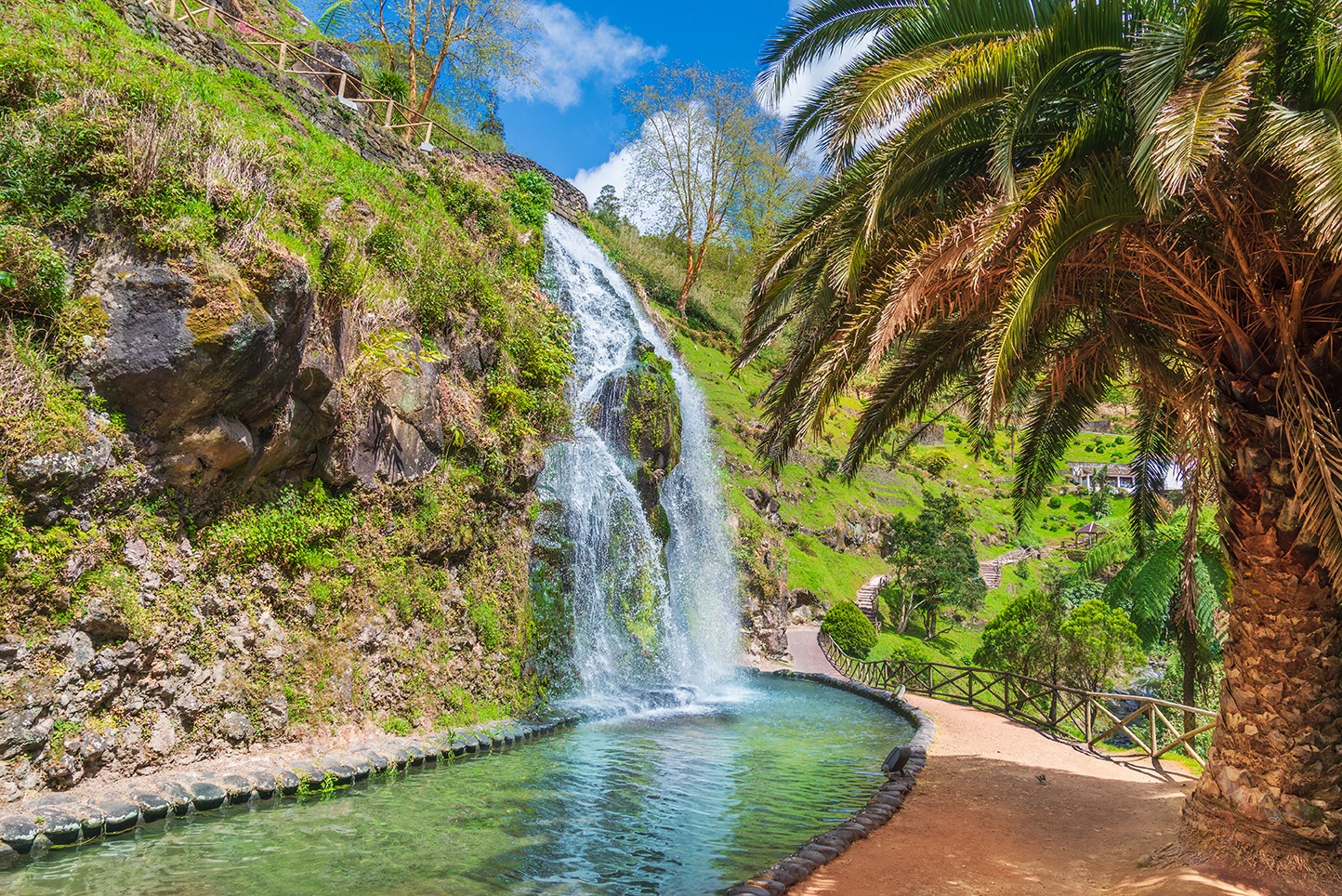
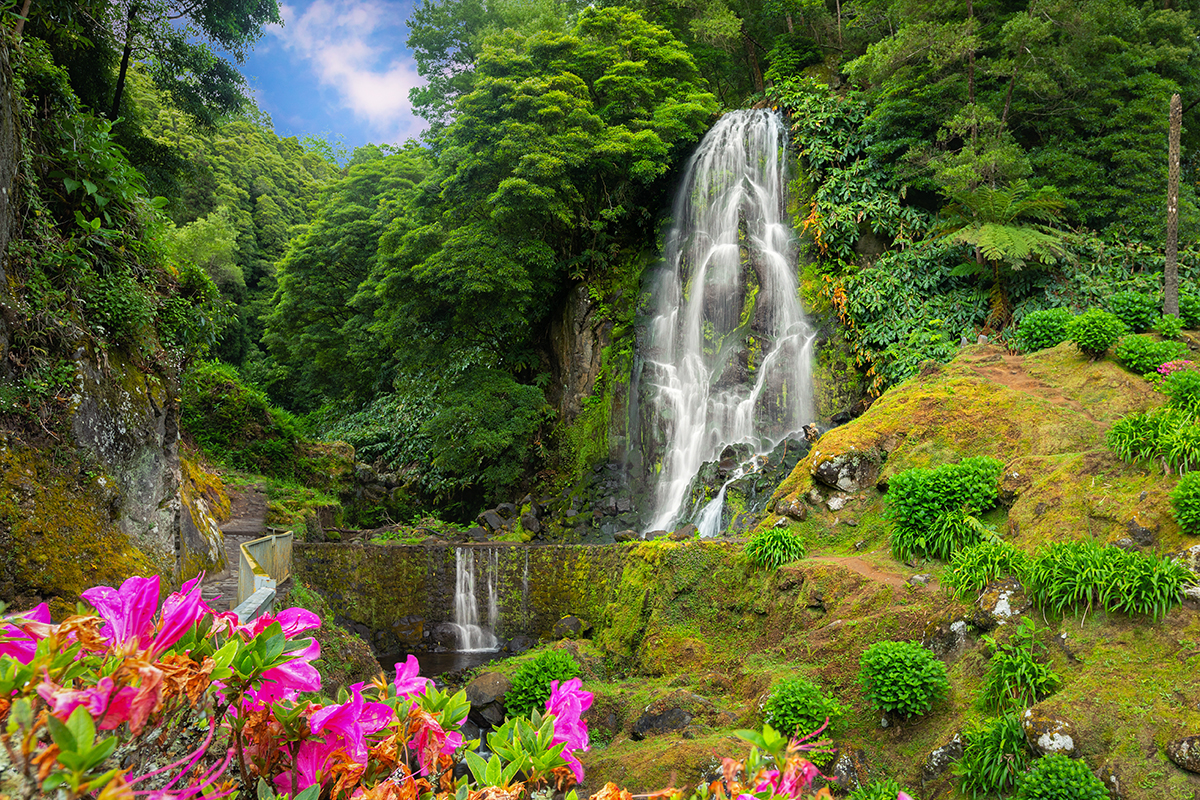
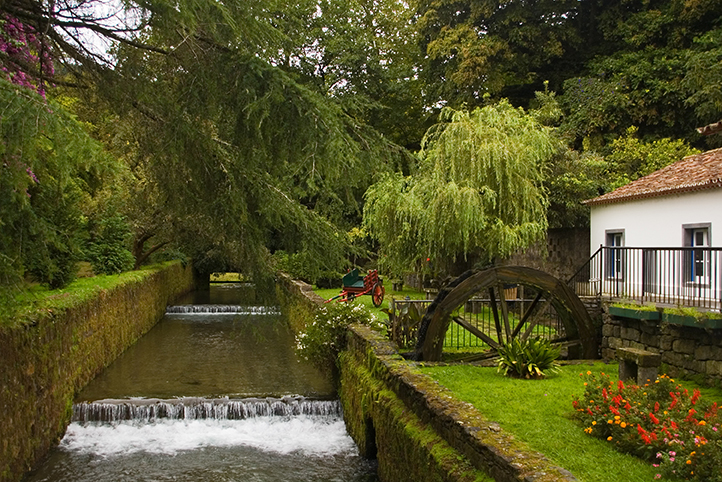
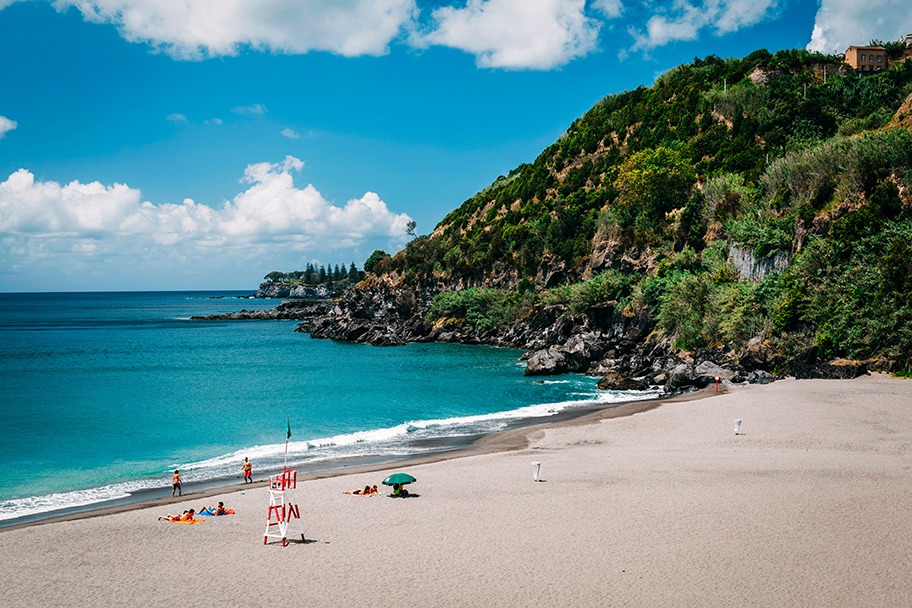
Experience Portugal’s Atlantic paradise
The island doesn’t ask you to hurry. It rewards you for slowing down.Some islands are remembered for a single landmark. São Miguel is remembered for a feeling. It begins the moment you arrive.
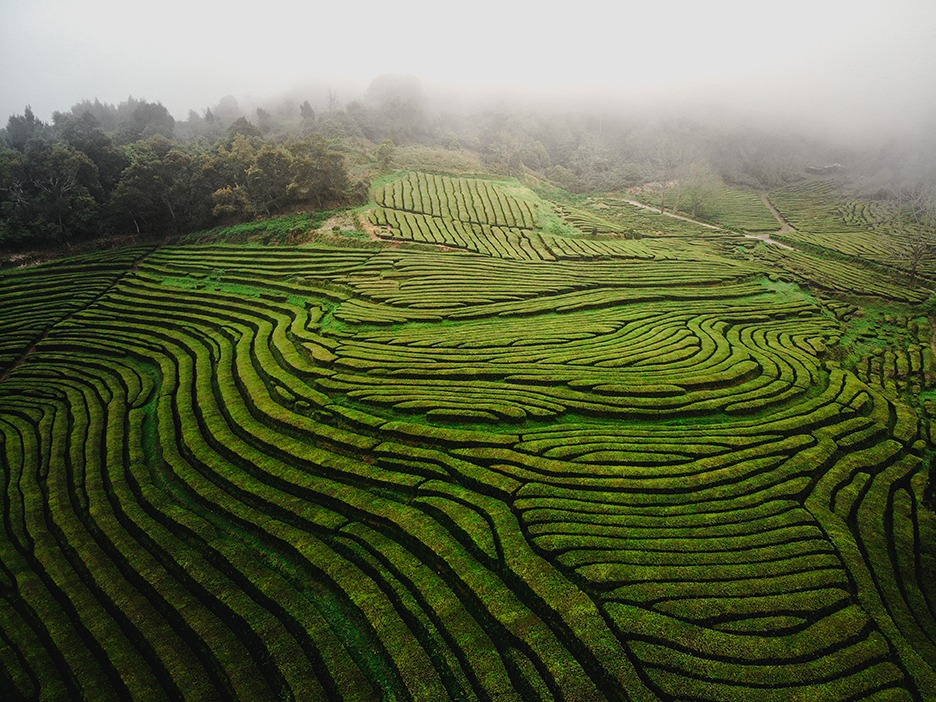
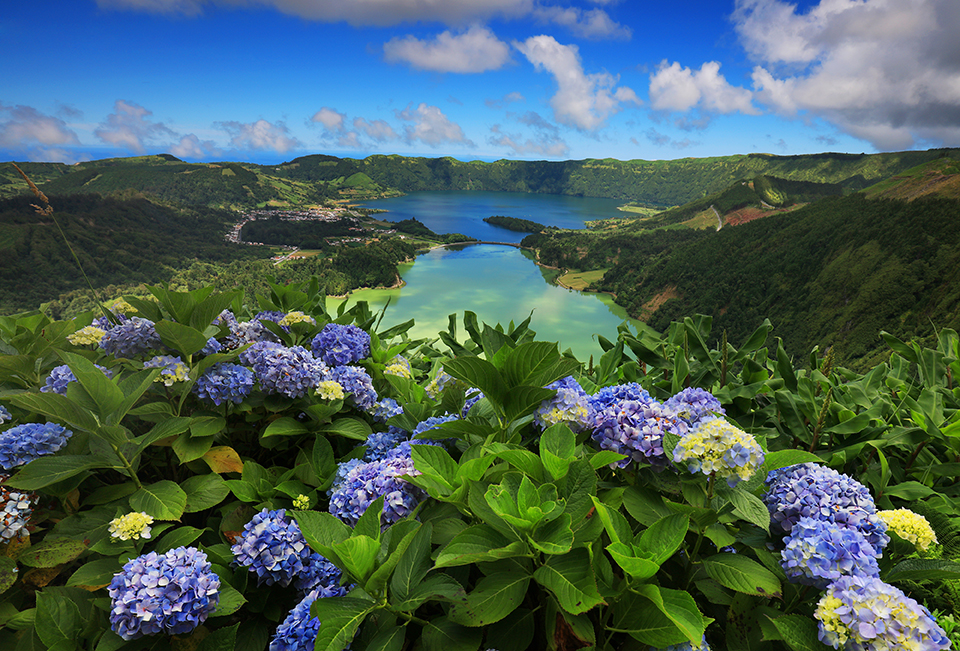
The Atlantic stretches toward the horizon as emerald hills rise from the coastline. Narrow roads wind through quiet villages, past grazing cattle and blue hydrangeas, before climbing toward volcanic crater lakes that seem almost too perfect to be real. Steam drifts from the earth in Furnas, tea plantations overlook the sea, and nearly every bend in the road reveals another view worth stopping for.
As the largest island in the Azores, São Miguel is often the first destination visitors choose when exploring the archipelago. It offers an extraordinary variety of experiences within a relatively small area—from geothermal hot springs and dramatic volcanic landscapes to historic towns, coastal cliffs, botanical gardens, and one of the world’s best places for whale watching.
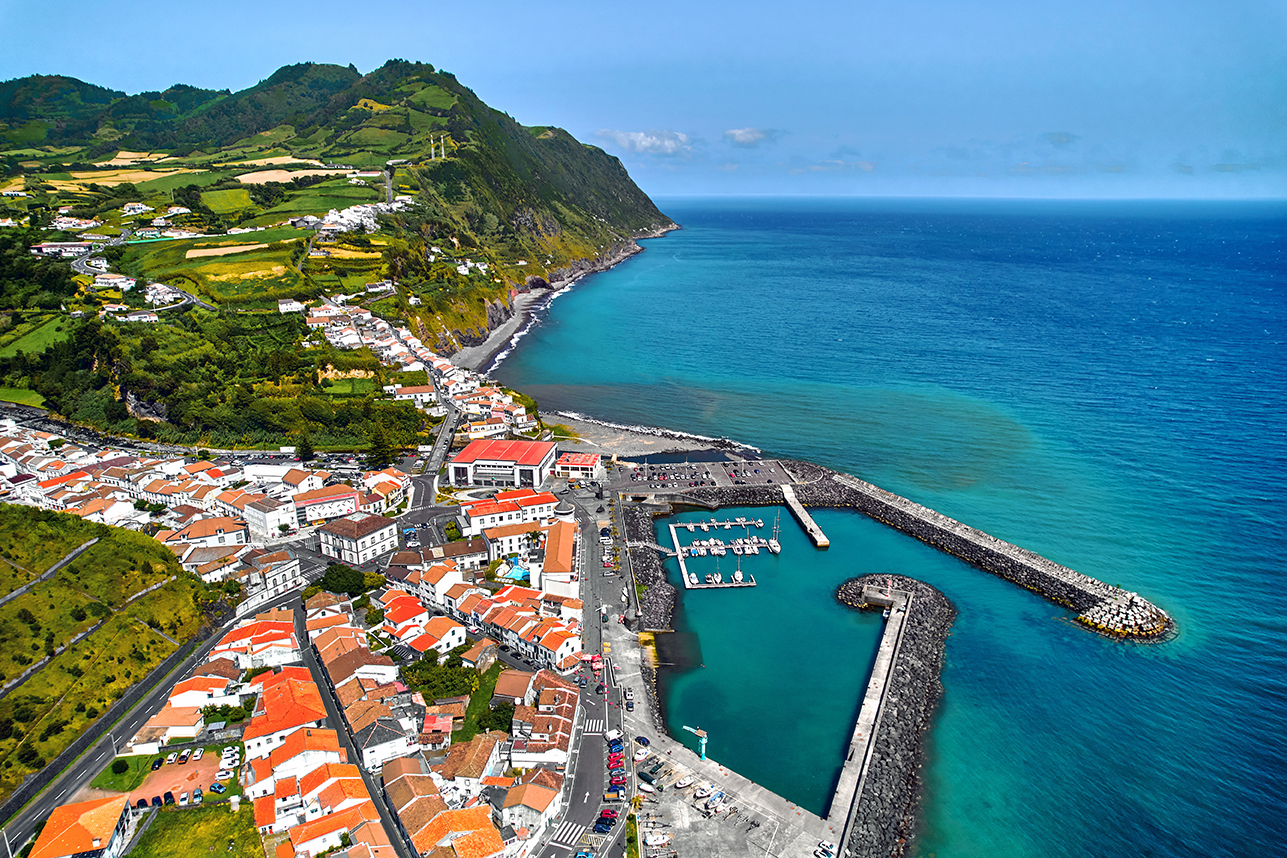
Yet what makes São Miguel unforgettable isn’t simply its scenery. It’s the slower rhythm of life.It’s lingering over lunch at a family-owned restaurant where recipes have been passed down for generations. It’s watching fishermen unload their catch at a quiet harbor. It’s hearing church bells echo across a village as neighbors stop to greet one another in the town square.These are the moments that stay with you.
Some visitors come hoping to photograph the famous twin lakes of Sete Cidades. Others dream of soaking in thermal waters, hiking through ancient forests, or tasting tea grown nowhere else in Europe.Most leave remembering something much simpler.A conversation. A kindness. A sunset, And the feeling that, for a little while, life became wonderfully uncomplicated.
Welcome to São Miguel. Welcome to the Green Heart of the Azores.
Why Visit São Miguel?
If you’re visiting the Azores for the first time, São Miguel offers the widest variety of experiences in the archipelago. In a single day, you can stand above volcanic crater lakes, relax in geothermal hot springs, walk through Europe’s oldest tea plantations, explore historic towns, and watch whales crossing the deep Atlantic.
The island is large enough to reward a week of exploration yet compact enough that most attractions are within an hour’s drive of one another. Whether you’re looking for outdoor adventure, authentic local culture, exceptional food, family-friendly experiences, or a meaningful journey to reconnect with your Azorean heritage, São Miguel offers an ideal introduction to the islands.
More importantly, São Miguel captures the essence of what makes the Azores so special. Here, nature isn’t something set apart from everyday life—it is woven into it. Volcanic landscapes shape the cuisine, agriculture, traditions, and even the pace of daily living.
If you’re wondering where to begin your journey through the Azores, begin here.
Island Snapshot
A Brief History
Long before the first settlers arrived, São Miguel was shaped by powerful volcanic forces. Over thousands of years, eruptions created towering calderas, fertile valleys, geothermal springs, and the dramatic landscapes that continue to define the island today.
Portuguese settlers began arriving during the fifteenth century, drawn by fertile volcanic soil, abundant freshwater, and a climate well suited to agriculture. Small coastal communities gradually grew into prosperous towns connected by farming, fishing, and maritime trade. Wheat, citrus orchards, vineyards, and dairy farming became the foundation of the island’s economy, while the surrounding Atlantic linked São Miguel with Europe and the Americas.
Over time, new industries transformed the island. Tea plantations flourished along the northern coast, making São Miguel the only place in Europe where tea is still produced commercially.
Pineapple cultivation developed inside glass greenhouses, creating another agricultural tradition found nowhere else in Portugal.
Perhaps nowhere is the island’s relationship with nature more evident than in Furnas. Here, geothermal heat has shaped daily life for centuries. Local families continue to prepare Cozido das Furnas, a hearty meal slowly cooked underground using the natural heat of the earth—a tradition that reflects the close connection between the island’s people and its volcanic landscape.
Today, São Miguel balances tradition with modern life. Historic churches stand beside contemporary cafés, local markets continue to showcase regional products, and festivals bring entire communities together in celebrations that have changed remarkably little over the generations.
To understand São Miguel is to understand that its history has always been written by the land itself.
Did You Know?
- São Miguel is the largest and most populous island in the Azores.
- It is home to Europe’s oldest commercial tea plantations, where tea has been produced continuously since the nineteenth century.
- More than 25 species of whales and dolphins can be seen in the waters surrounding the island throughout the year.
- The island’s famous pineapples are grown inside glass greenhouses, producing a sweeter fruit than tropical varieties.
- Furnas is one of the few places in the world where an entire traditional meal is cooked using natural geothermal heat.
- Sete Cidades is linked to one of the Azores’ most enduring legends, telling the story of two lovers whose tears formed the island’s famous blue and green lakes.
- Hydrangeas, now synonymous with the Azores, were introduced from Asia and flourish in the islands’ mild climate.
Getting Around
One of São Miguel’s greatest pleasures is discovering what lies beyond the next bend in the road. Renting a car offers the freedom to explore at your own pace, stopping whenever a scenic miradouro (viewpoint), roadside café, hidden waterfall, or quiet village catches your attention.
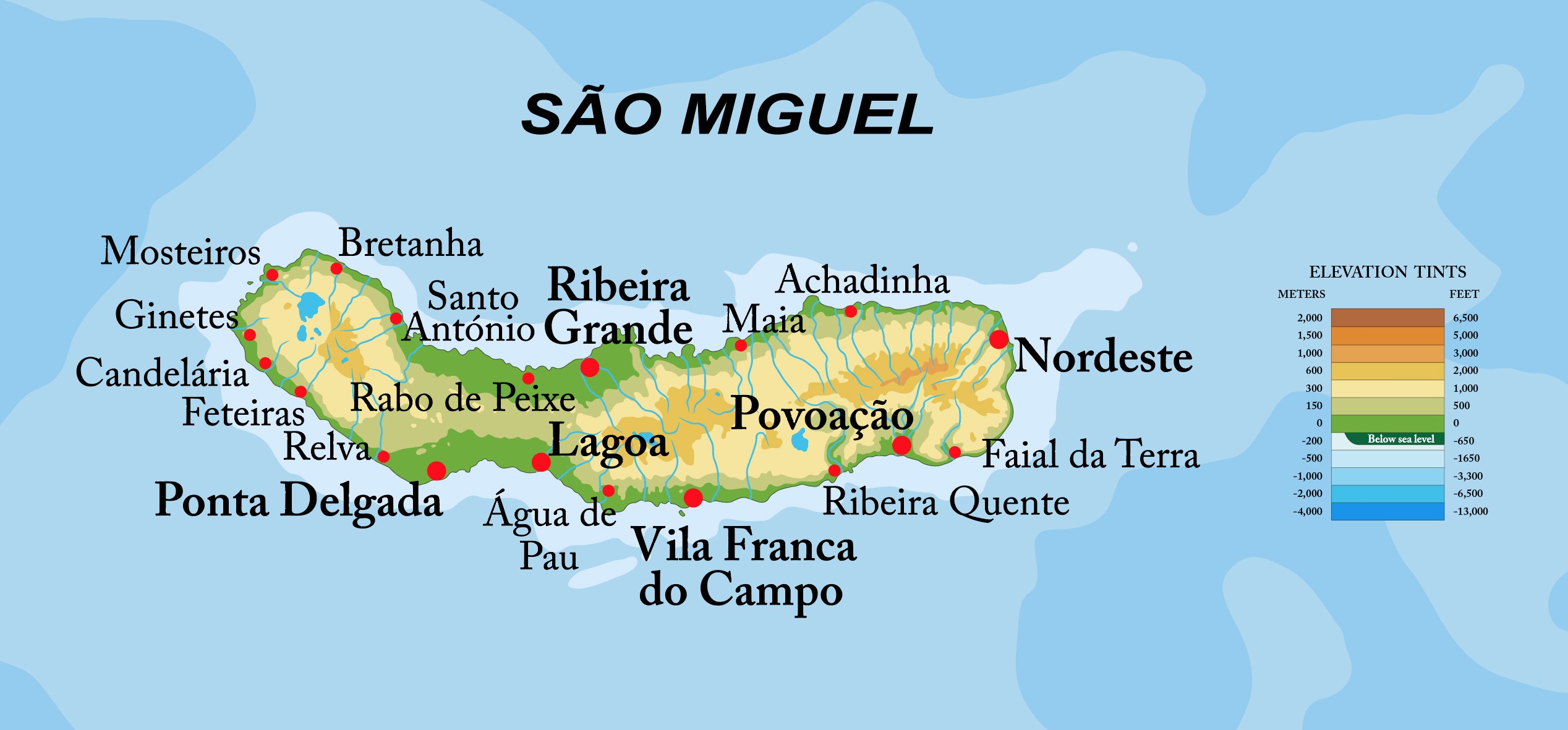
Although São Miguel is the largest island in the Azores, most of its major attractions are within an hour’s drive of Ponta Delgada, making it easy to experience several different landscapes in a single day.
The roads are well-maintained, traffic is generally light, and driving quickly becomes part of the adventure.
Some of the island’s most memorable moments happen between destinations—a farmer leading cattle into a green pasture, waves crashing against black volcanic cliffs, or a small bakery filling the air with the aroma of freshly baked bread.
Guided tours are an excellent option for visitors who prefer not to drive, especially for whale watching, hiking, and exploring geothermal areas. Public transportation connects the main towns, though it is less convenient for reaching many of the island’s scenic viewpoints and natural attractions.
One piece of advice you’ll hear from local residents is simple: don’t worry too much about the weather. Sunshine, mist, and passing showers often share the same afternoon, and a cloudy viewpoint can become spectacular just a few minutes later.
On São Miguel, patience is often rewarded.
If You Only Have One Day...
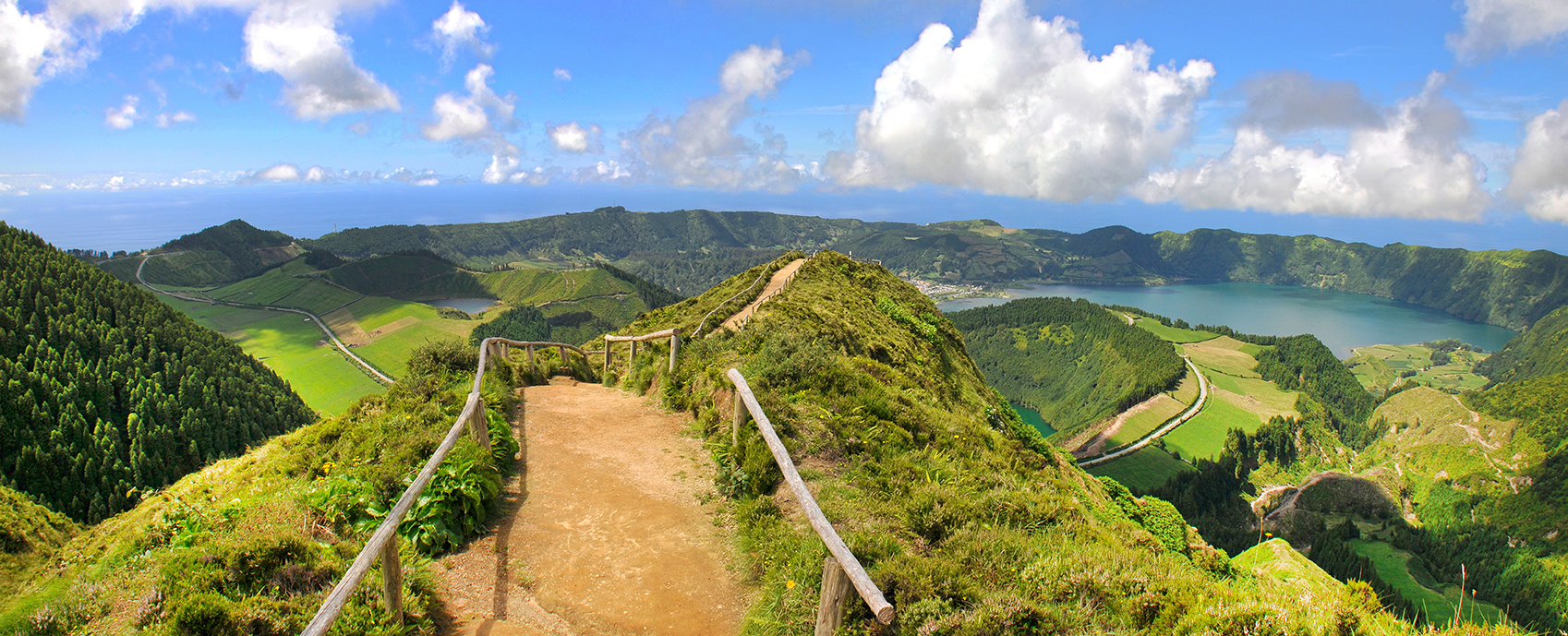
If your time on São Miguel is limited, begin early at Boca do Inferno, where one of the Azores’ most breathtaking panoramas overlooks the twin lakes of Sete Cidades. Continue across the island to Lagoa do Fogo, whose pristine crater lake offers a quieter but equally unforgettable landscape.
Spend lunch in Furnas, where the island’s famous Cozido is slowly cooked using natural geothermal heat. Afterwards, relax in the warm mineral-rich waters of Terra Nostra Garden or Poça da Dona Beija, allowing yourself time to experience one of São Miguel’s most cherished traditions.
End your day in Mosteiros, where the setting sun casts a golden glow across the Atlantic and the island’s iconic volcanic sea stacks.
You’ll leave having seen some of São Miguel’s most famous places.
But you’ll also leave understanding why so many visitors begin planning their return before they’ve even boarded the plane home.
Natural Wonders
São Miguel is often described as a volcanic island, but that only tells part of the story. Fire may have created the landscape, yet water, forests, and time have transformed it into one of the greenest islands in the Atlantic.
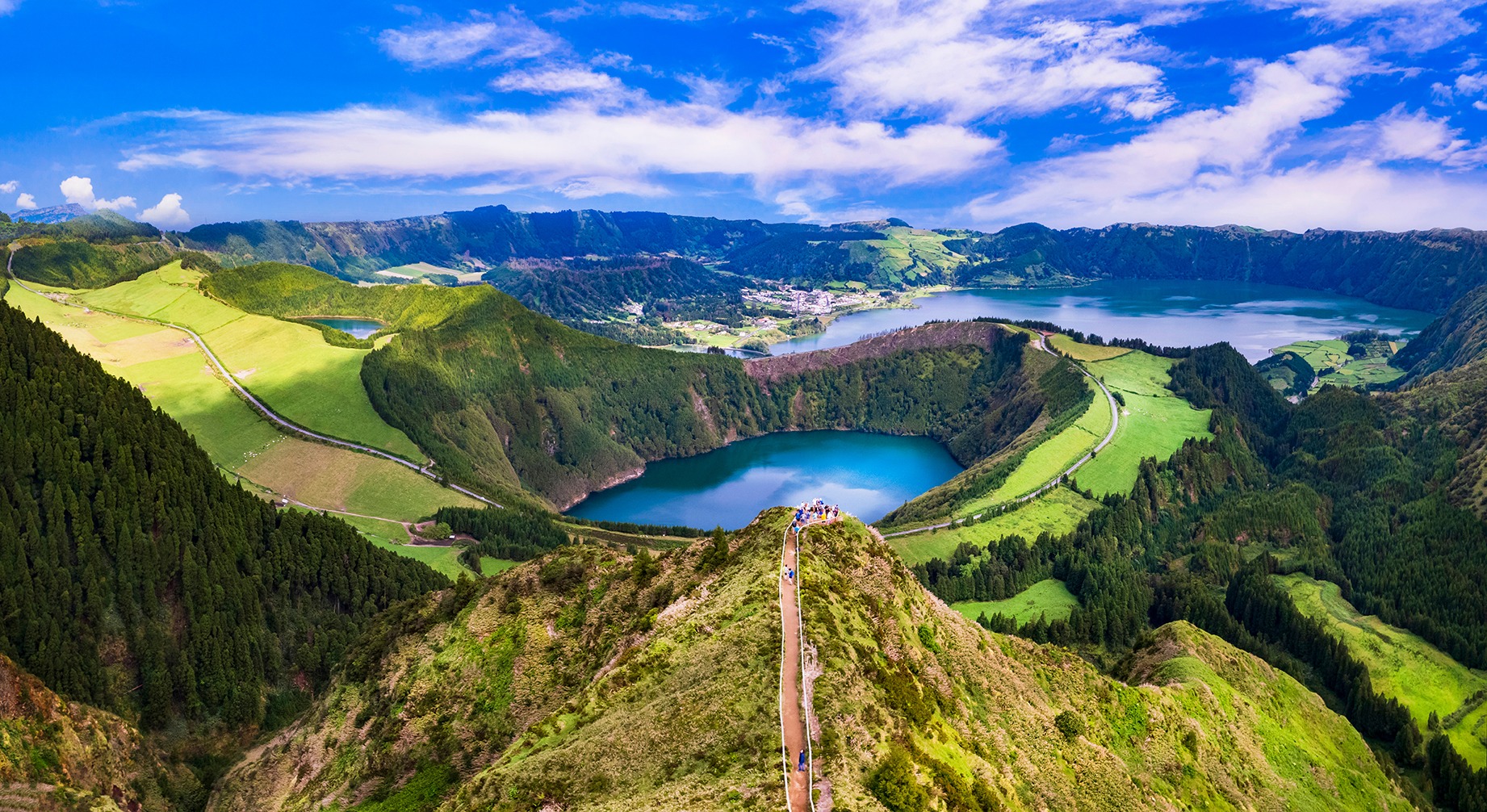
No place captures that transformation better than Sete Cidades. Formed within an ancient volcanic caldera, its twin lakes—one reflecting shades of blue, the other green—have become the defining image of the Azores. From Boca do Inferno or Vista do Rei, the landscape stretches before you like a painting, changing with the movement of clouds and the shifting light throughout the day. Local legend tells of a princess and a shepherd whose tears created the lakes, adding another layer of wonder to an already extraordinary place.
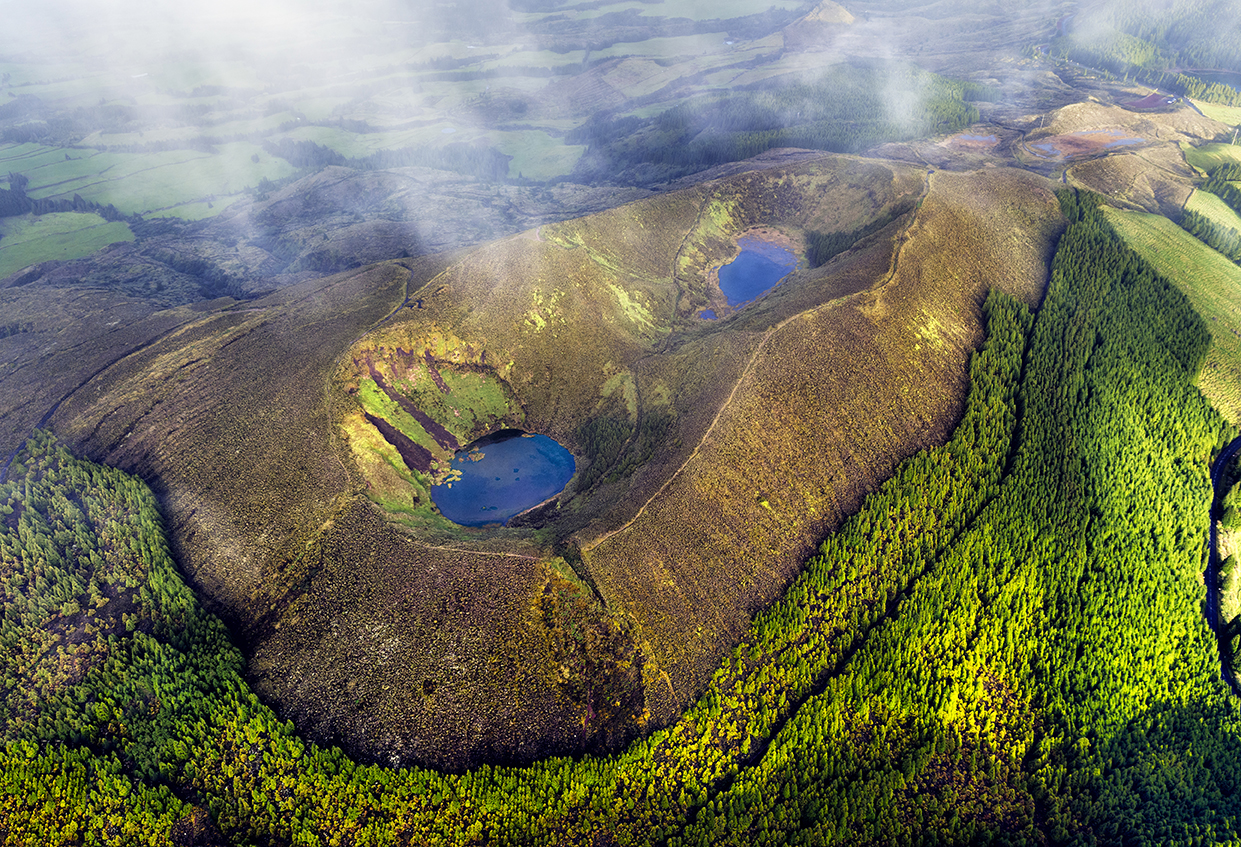
To the east, Lagoa do Fogo offers a quieter experience. Protected as a nature reserve, this pristine crater lake remains one of the island’s most untouched landscapes. Arrive early, before the afternoon mist settles across the mountains, and the still water often reflects the surrounding crater so perfectly that the boundary between sky and lake almost disappears.
Further south, Furnas reveals another side of São Miguel’s volcanic character. Steam rises from geothermal vents, mineral springs bubble from beneath the earth, and warm pools invite visitors to relax in waters that have drawn travelers here for centuries. It’s one of the few places in the world where volcanic activity is woven so naturally into everyday life.
The island’s beauty isn’t limited to its famous landmarks. Hidden waterfalls spill into fern-covered valleys, dense forests shelter walking trails, and countless miradouros offer sweeping views of the Atlantic. Some require only a short walk from the road, while others reward those willing to venture a little farther.
Perhaps that’s São Miguel’s greatest gift.
No matter how carefully you plan your journey, the island always seems to surprise you with one more unforgettable view.
Outdoor Adventures
Adventure on São Miguel comes in many forms. Some visitors lace up their hiking boots before sunrise. Others head out to sea in search of whales, paddle across a volcanic lake, or simply spend the day exploring scenic roads that wind through the island’s remarkable landscapes.
With dozens of well-maintained trails, São Miguel is one of Portugal’s premier hiking destinations. Walk along the rim of volcanic craters, descend into lush valleys, discover hidden waterfalls, or wander through forests filled with native vegetation found nowhere else on Earth.
Whether you’re looking for a leisurely stroll or a full-day trek, the island offers routes suited to every level of experience.
The Atlantic surrounding São Miguel is equally rewarding. More than twenty-five species of whales and dolphins have been recorded in these waters, making the Azores one of Europe’s leading destinations for responsible whale watching. Depending on the season, you may encounter sperm whales, common dolphins, bottlenose dolphins, or even migrating blue whales—the largest animals ever to inhabit our planet.
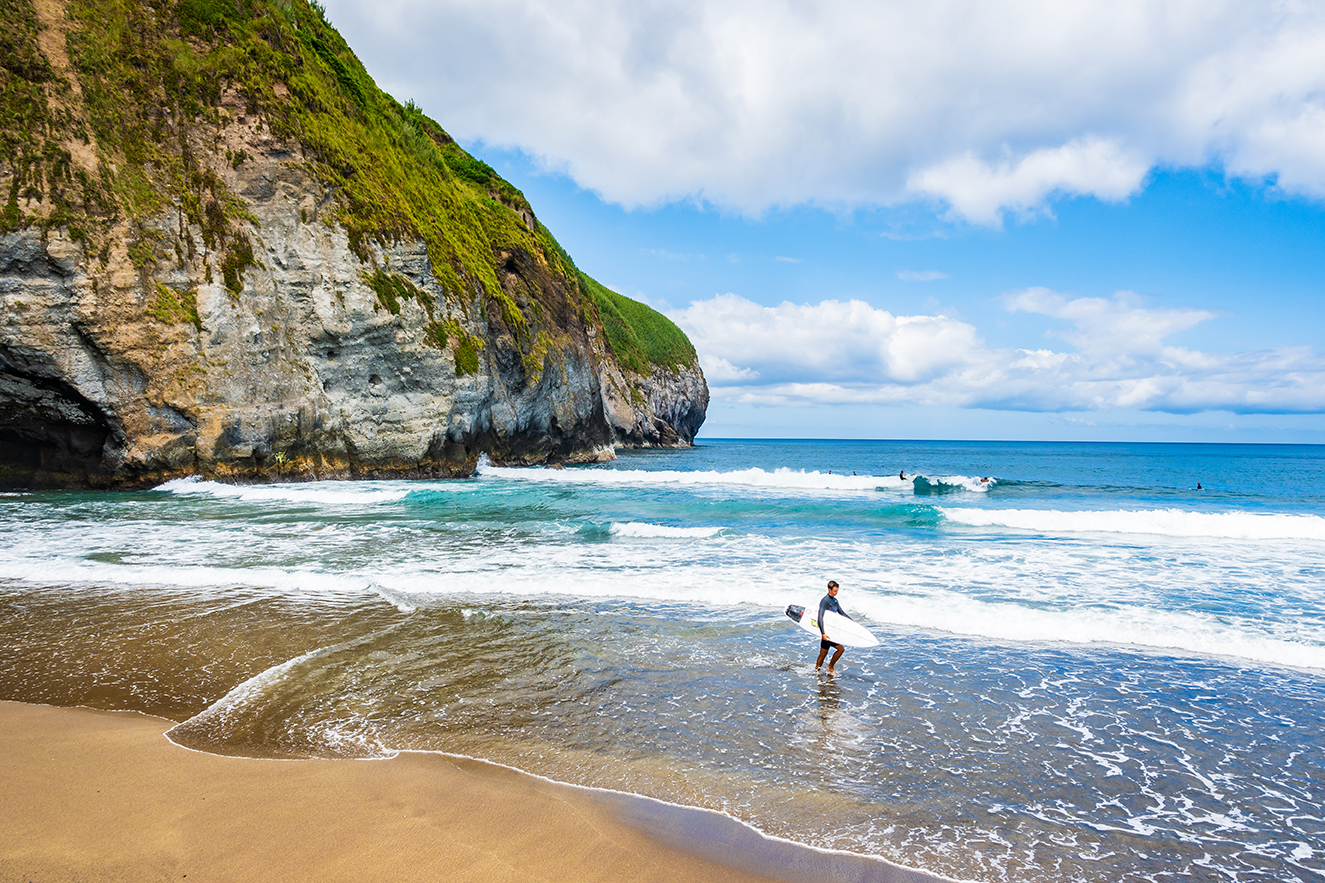
For a different perspective, rent a kayak on Sete Cidades or try stand-up paddleboarding on the calm waters of the crater lake. Along the coast, surfing has become increasingly popular, particularly at Praia de Santa Bárbara, where consistent Atlantic swells attract surfers from around the world.
Divers will also find exceptional underwater landscapes. Volcanic reefs, lava formations, underwater caves, and abundant marine life create fascinating dive sites suitable for both beginners and experienced divers. Of course, one of the most rewarding adventures requires no special equipment at all.
Simply choose a road you’ve never traveled before.
On São Miguel, curiosity is often the best guide.
Towns & Villages
Every town on São Miguel reveals a different side of the island.
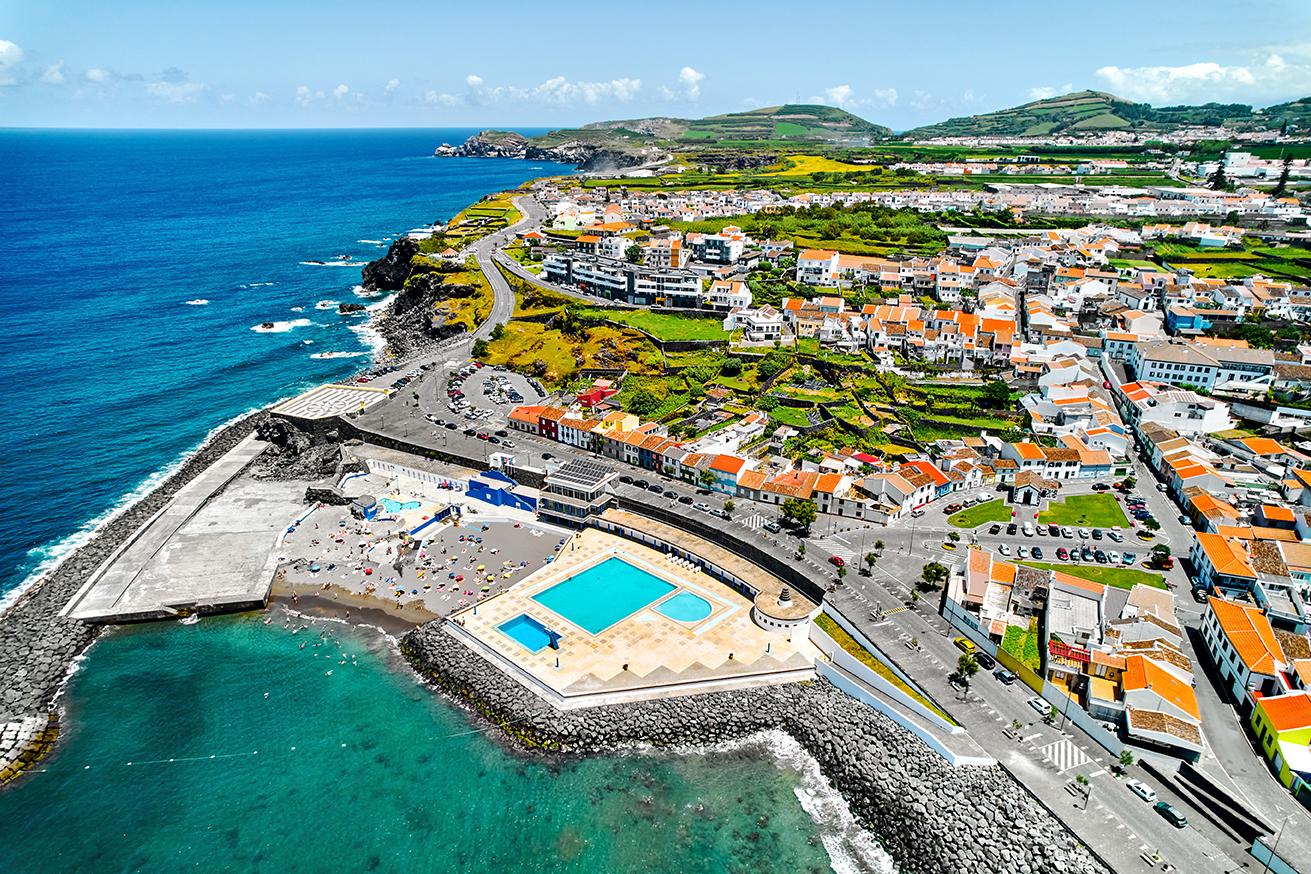
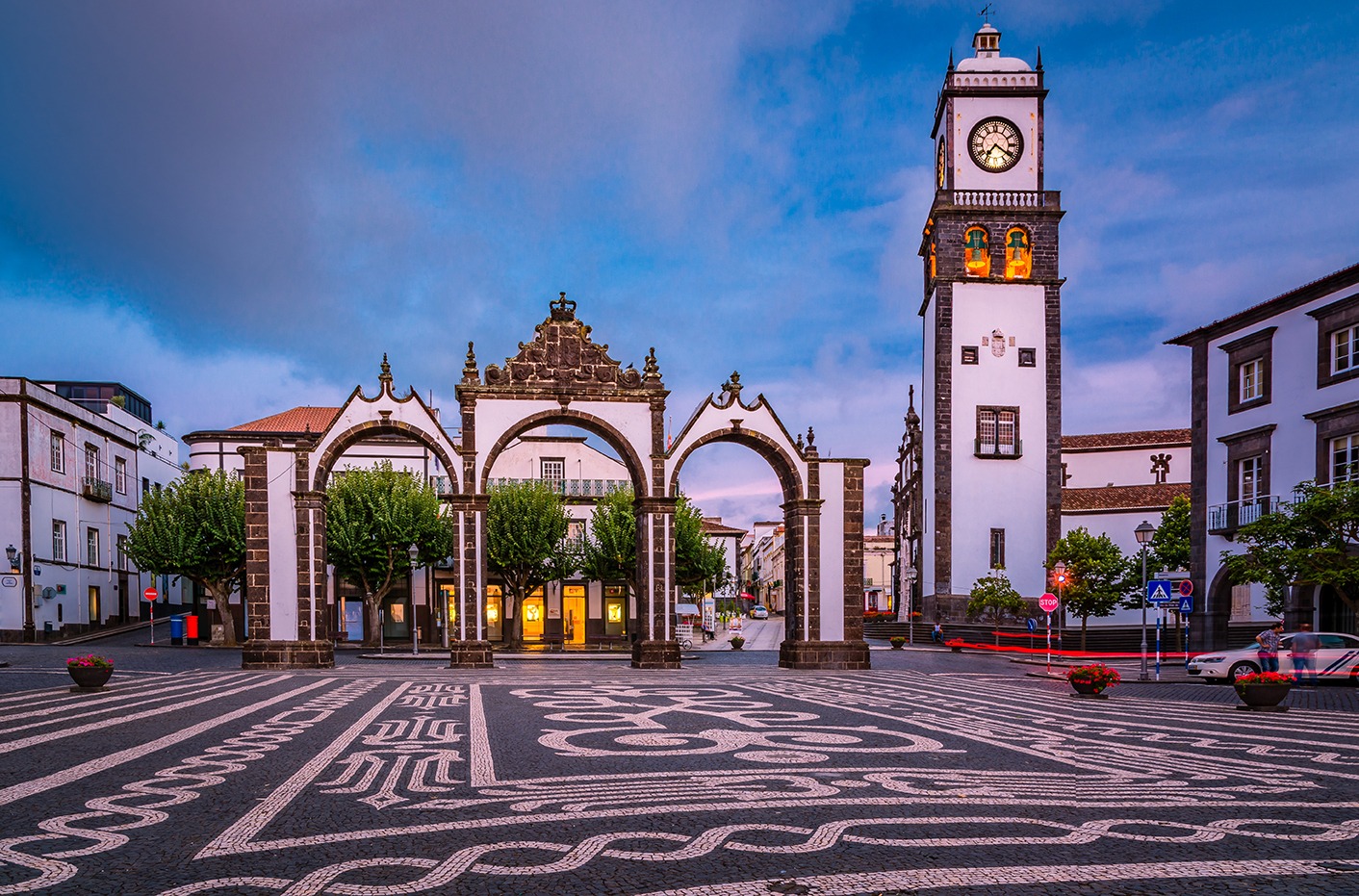
The capital, Ponta Delgada, blends historic architecture with modern island life. Its elegant churches, black-and-white basalt sidewalks, lively marina, and inviting cafés encourage visitors to slow down and explore. Begin beneath the iconic Portas da Cidade, then wander through nearby streets where boutique shops, traditional bakeries, museums, and family-owned restaurants preserve the city’s rich heritage while embracing contemporary life.
In Ribeira Grande, beautifully restored manor houses and historic churches reflect centuries of prosperity built on agriculture and trade. Today, the town balances its architectural heritage with a growing arts and culinary scene, making it a rewarding stop along the north coast.
Further east, Furnas offers a village unlike any other in the Azores. Here, geothermal activity shapes daily life. Steam drifts through public gardens, mineral springs emerge beside quiet footpaths, and local restaurants prepare meals using the natural heat beneath the ground.
Visitors come for the hot springs but often remember the village’s peaceful atmosphere just as vividly.
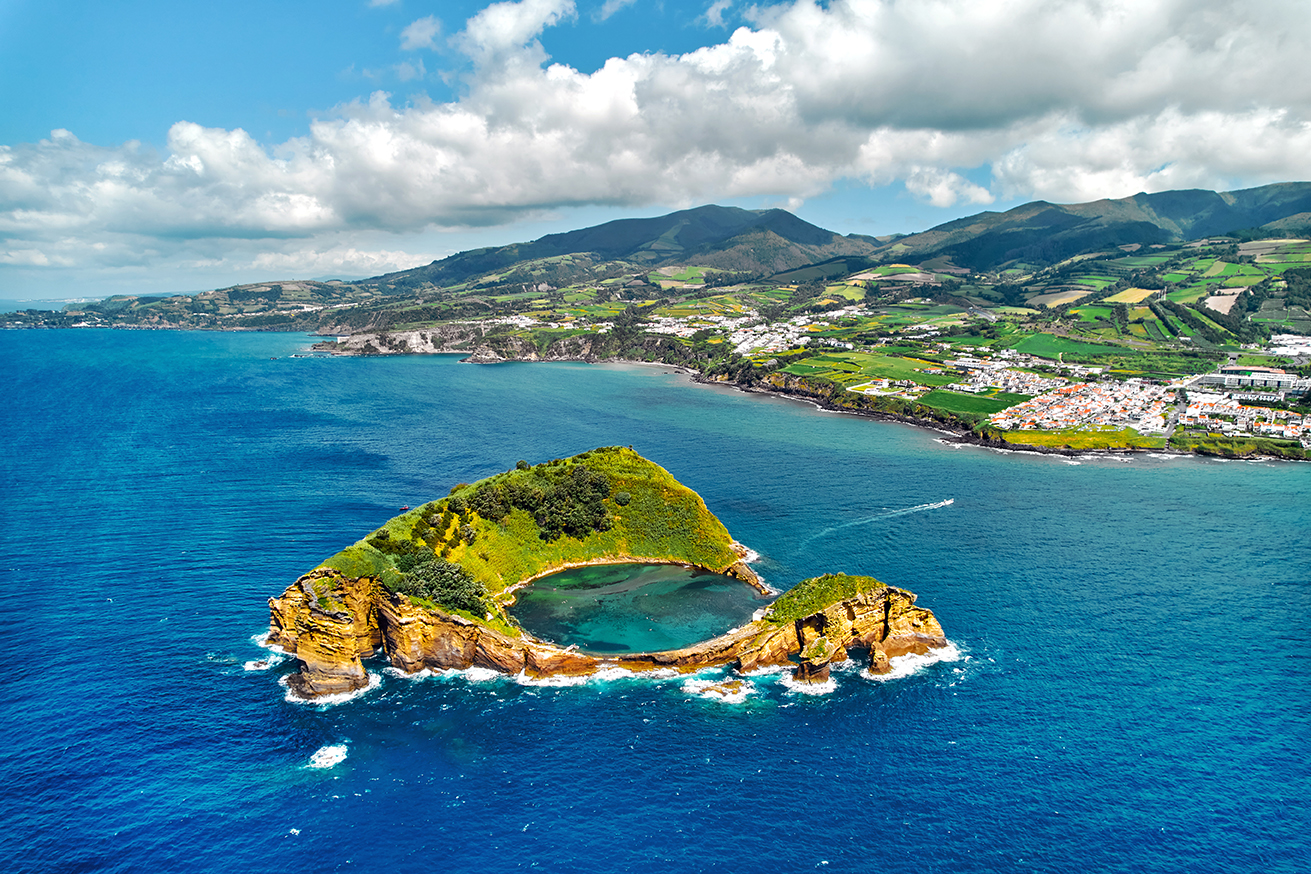
On the southern coast, Vila Franca do Campo quietly tells the story of São Miguel’s early history. Once the island’s first capital, it remains a charming seaside town with historic churches, a picturesque marina, and easy access to the famous volcanic islet just offshore.
Travel northeast and you’ll discover Nordeste, where beautifully maintained gardens, dramatic viewpoints, and quiet villages seem wonderfully removed from modern life. The roads may take a little longer to reach this corner of the island, but the journey is well worth it.
Each town offers its own personality.
Together, they tell the story of São Miguel.
Along the Coast
While São Miguel is celebrated for its volcanic lakes and geothermal valleys, its coastline is equally captivating.
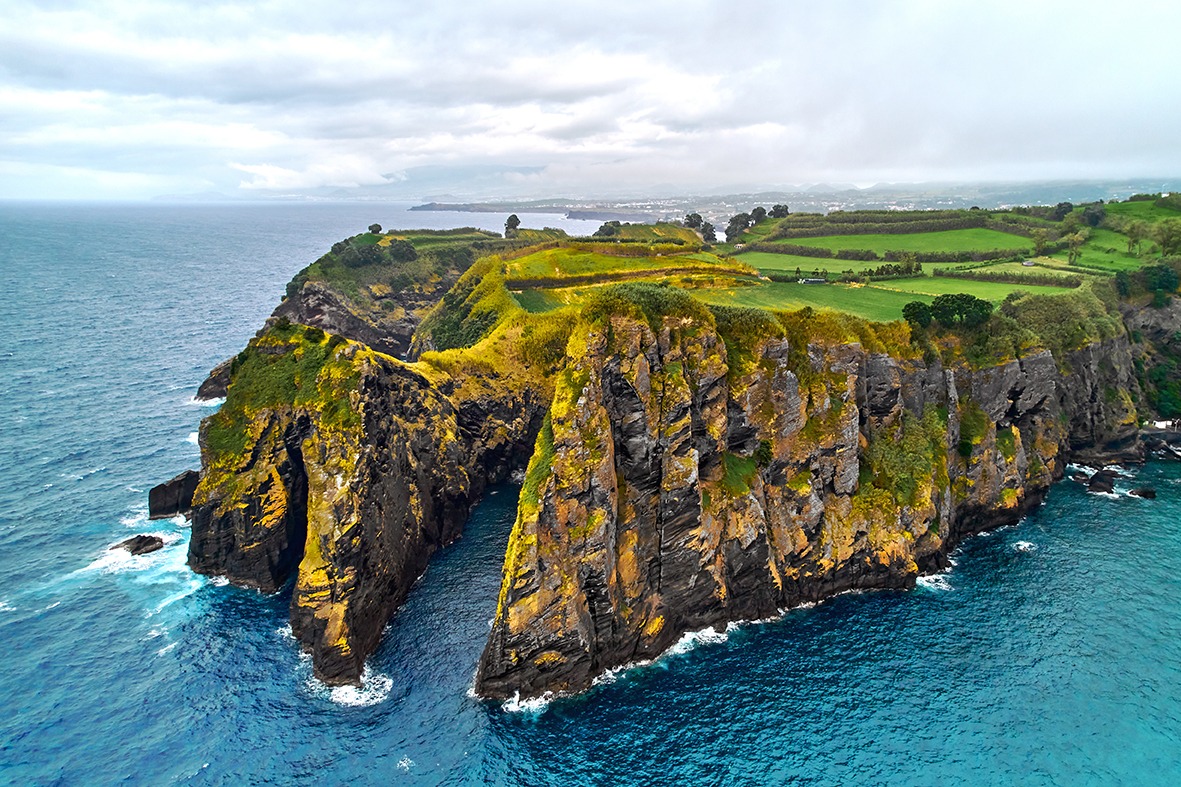
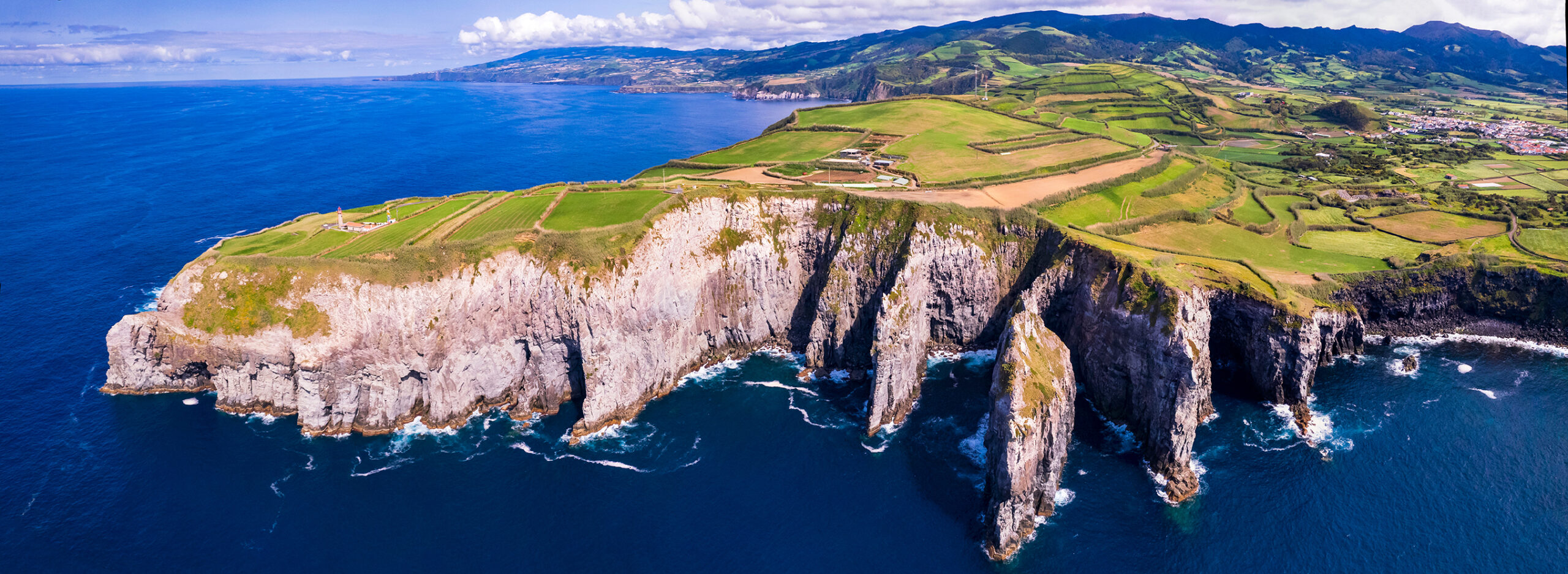
Black volcanic cliffs rise above the Atlantic, creating dramatic scenery that changes with every stretch of shoreline. In some places, the sea has carved natural swimming pools into ancient lava flows. In others, broad black-sand beaches invite visitors to surf, swim, or simply watch the waves roll ashore.
Praia de Santa Bárbara, near Ribeira Grande, is one of the island’s best-known beaches. Its long sweep of dark volcanic sand and consistent surf have made it a favorite among both experienced surfers and spectators who enjoy watching the Atlantic at work.
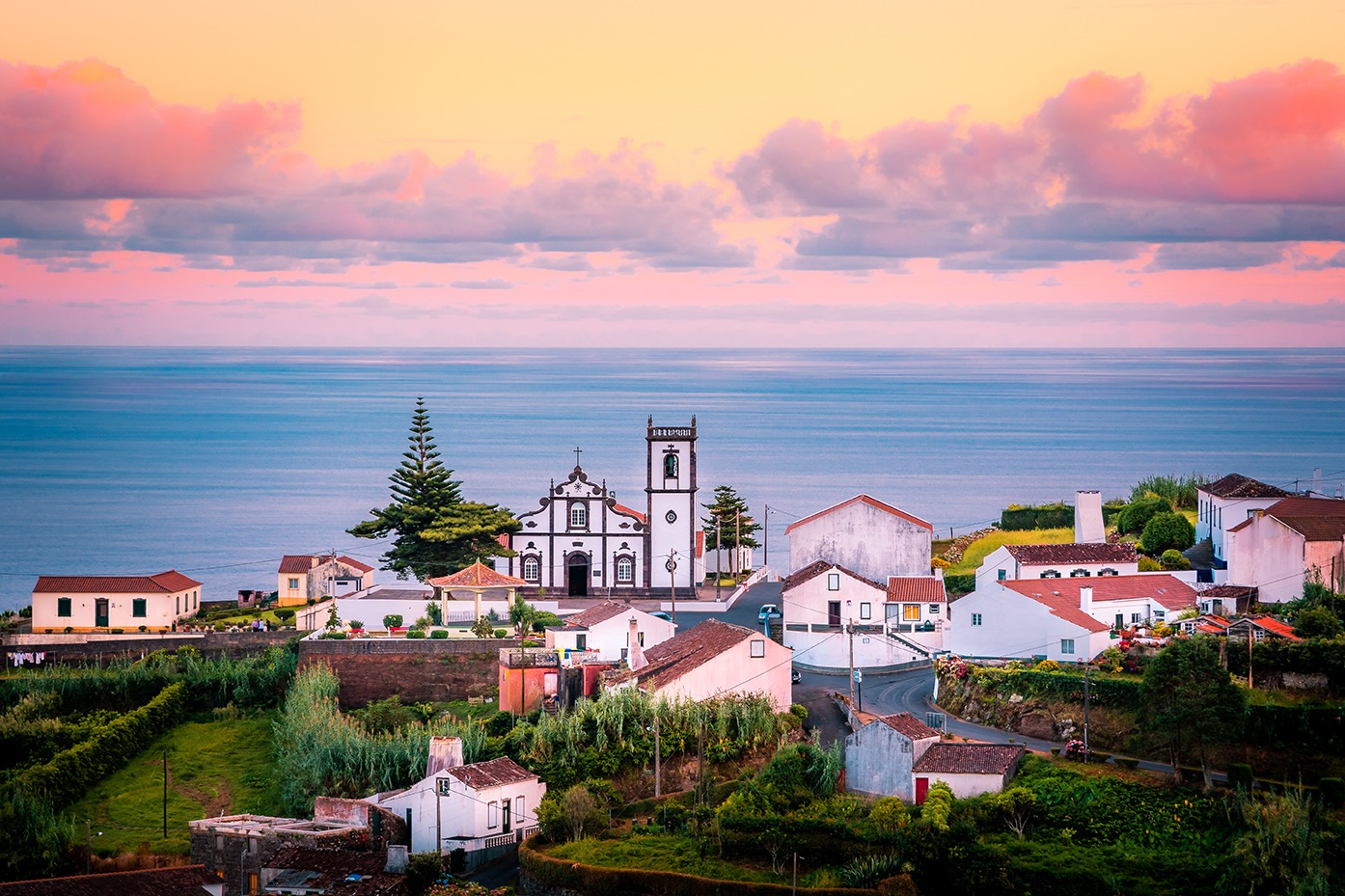
For a quieter afternoon, visit the fishing village of Mosteiros on the island’s western coast. Here, towering volcanic sea stacks stand just offshore, creating one of São Miguel’s most recognizable coastal landscapes. As the sun begins to set, the changing light transforms the cliffs and ocean into one of the island’s most memorable scenes.
Natural swimming pools at Ponta da Ferraria offer another uniquely Azorean experience. During low tide, cool Atlantic water mixes with naturally heated geothermal springs, creating a bathing experience found in very few places in the world.
Whether you’re walking along the cliffs, exploring a quiet harbor, or watching waves crash against ancient lava rock, the Atlantic is never simply a backdrop.
It is part of São Miguel’s identity.
Family Experiences
40pxSão Miguel has a wonderful way of bringing generations together.
Children are fascinated by bubbling geothermal springs, colorful crater lakes, whale watching excursions, and pineapple greenhouses, while parents appreciate the island’s relaxed pace and the variety of activities that can be enjoyed without long drives or crowded attractions.
Spend the morning exploring Terra Nostra Garden, where winding paths, towering trees, and peaceful ponds create one of Portugal’s most beautiful botanical gardens. Later, visit a tea plantation to see how Europe’s only commercially grown tea is harvested before enjoying fresh pastries in a nearby café.
Families who enjoy the outdoors will find plenty of gentle walking trails, picnic areas, and scenic viewpoints where everyone can appreciate the island’s natural beauty together. Beaches, natural swimming areas, and boat excursions offer opportunities to create lasting memories while experiencing the Atlantic from different perspectives.
Perhaps the greatest gift São Miguel offers families is something that has become increasingly rare.
Time.
Time to explore.
Time to talk.
Time to enjoy being together in a place where nature quietly encourages everyone to slow down.
Savor São Miguel
One of the best ways to discover São Miguel is around the table.
The island’s cuisine reflects its volcanic landscape, fertile farmland, and close relationship with the Atlantic. Fresh ingredients take center stage, while recipes passed from one generation to the next celebrate simplicity, quality, and the traditions that have shaped Azorean life for centuries.
No meal is more closely associated with São Miguel than Cozido das Furnas. Early each morning, large pots filled with beef, pork, chicken, local sausages, potatoes, cabbage, carrots, sweet potatoes, and other vegetables are lowered into geothermal cooking pits near Furnas Lake. Buried beneath the warm volcanic soil, the meal cooks slowly for several hours using the earth’s natural heat before being served in nearby restaurants.
It’s a culinary tradition found almost nowhere else in the world. Seafood is equally important to island life. Fresh tuna, swordfish, octopus, limpets (lapas), and locally caught fish appear on menus throughout the island, often grilled simply with olive oil, garlic, and locally grown vegetables. Along the coast, small family-run restaurants proudly serve the day’s catch, allowing the freshness of the ingredients to speak for themselves.
São Miguel is also home to one of Europe’s most unusual agricultural traditions. At the Gorreana Tea Plantation and the Porto Formoso Tea Factory, tea has been cultivated for more than a century. Visitors can walk through rolling green fields overlooking the Atlantic, tour the historic factories, and sample black and green teas that continue to be produced using traditional methods.
Another local specialty surprises many first-time visitors—pineapples.
Unlike tropical plantations elsewhere in the world, São Miguel’s pineapples are grown inside glass greenhouses. The growing process takes nearly two years, producing exceptionally sweet fruit that has become one of the island’s most recognizable flavors. A visit to a pineapple plantation offers a fascinating look at this uniquely Azorean tradition, along with opportunities to sample pineapple pastries, jams, liqueurs, and even pineapple-infused beer.
No culinary journey would be complete without tasting São Miguel’s excellent cheeses, fresh butter, locally produced honey, and traditional pastries such as queijadas, malassadas, and sweet breads that often appear during festivals and family celebrations.
Meals on São Miguel are rarely hurried.
They’re an opportunity to gather with family, welcome friends, and enjoy conversation that continues long after the last plate has been cleared.
On this island, food nourishes both body and community.
Local Favorite
Ask residents where they go when they want to slow down, and many will quietly point toward the island’s northeastern corner.
While Sete Cidades and Furnas welcome visitors from around the world, Nordeste remains one of São Miguel’s most peaceful regions. Here, winding roads pass through forests, waterfalls tumble into deep valleys, and carefully maintained gardens surround scenic viewpoints overlooking the Atlantic.
Spend a morning visiting Miradouro da Ponta do Sossego and Miradouro da Ponta da Madrugada, two beautifully landscaped overlooks where flowering gardens frame expansive ocean views. Continue along quiet country roads, stopping whenever another miradouro catches your eye. There is no perfect itinerary here—and that’s part of the experience.
Enjoy lunch at a small family-owned restaurant where the menu changes with the season, browse a local bakery for fresh pastries, and take time to simply sit on a bench overlooking the sea.
Nordeste reminds visitors that not every memorable travel experience needs to be planned. Sometimes, the best discoveries happen when you leave room for them.
Picture Perfect
Whether you’re photographing dramatic volcanic landscapes, historic streets, or quiet moments along the coast, São Miguel offers endless inspiration.
Best Sunrise
Lagoa do Fogo
Arrive shortly after dawn, when calm conditions often transform the lake into a perfect mirror reflecting the surrounding crater.
Best Sunset
Mosteiros
As the sun slips into the Atlantic, the volcanic sea stacks create one of the island’s most iconic silhouettes.
The Classic View
Boca do Inferno
Few places capture the essence of São Miguel better than this spectacular overlook above Sete Cidades. It’s one of the most photographed viewpoints in Portugal—and for good reason.
Hidden Gem for Photographers
Salto do Prego
A short hike through lush forest leads to one of the island’s most beautiful waterfalls, offering rewarding opportunities for landscape photography away from the busiest viewpoints.
Best Garden Photography
Terra Nostra Garden
Ancient trees, winding pathways, botanical collections, and seasonal flowers create beautiful compositions throughout the year.
Best Coastal View
Ponta da Madrugada
Historic streets, traditional architecture, and the waterfront marina capture the timeless character of Santa Maria’s oldest town.
Best Village Scene
Ponta Delgada
Historic churches, black basalt architecture, lively cafés, and the famous Portas da Cidade capture the everyday character of São Miguel’s capital.
Returning Home:
Reconnecting with Your Azorean Heritage
For many visitors, arriving in São Miguel feels less like discovering a new destination and more like returning to a place they’ve known through family stories.
Over the past two centuries, thousands of Azoreans left São Miguel to begin new lives in the United States, Canada, Bermuda, Brazil, and beyond. They carried with them recipes, traditions, religious celebrations, music, and a great pride in the island they called home. Today, those connections remain remarkably strong.
Many visitors come hoping to find the village where their grandparents were born, the church where an ancestor was baptized, or the cemetery where generations of their family are buried. Others simply want to walk the same streets, stand beside the same coastline, and better understand the place that shaped their family’s history.
If you’re returning to explore your roots, begin with your family’s freguesia (parish). Parish churches often hold centuries of history, and local cemeteries can reveal family names that have remained part of the community for generations. Municipal archives and local historical societies may also help uncover records that connect your family’s story to the island.
Yet heritage isn’t found only in documents.
It’s found in the aroma of fresh bread drifting from a neighborhood bakery.
In the sound of church bells echoing across a village.
In conversations with residents who proudly share stories about their hometown.
Even if you arrive without knowing exactly where your family lived, São Miguel has a remarkable way of making visitors feel connected.
Perhaps that’s because the island has always welcomed those who return.
Or perhaps it’s because some places continue to feel like home—even across generations.
Festivals & Traditions
One of the best ways to experience the heart of São Miguel is to visit during one of its festivals. Throughout the year, villages, towns, and neighborhoods come together to celebrate their faith, history, agriculture, music, and traditions. Streets are decorated with flowers, church bells ring across the countryside, brass bands lead colorful processions, and families gather around tables filled with recipes that have been passed down for generations.
For many Azorean families living abroad, these celebrations are also a homecoming. Relatives return from North America, Bermuda, and other parts of the world to reconnect with family, honor long-standing traditions, and celebrate the island they still call home.
Whether you’re visiting São Miguel for the first time or returning to your ancestral village, attending a local festival offers a deeper understanding of the island than any sightseeing itinerary ever could.
Maré de Agosto
Season: Usually May
Without question, Senhor Santo Cristo dos Milagres is the most important religious celebration on São Miguel and one of the largest pilgrimages in Portugal.
Each spring, thousands of pilgrims and visitors gather in Ponta Delgada to honor the revered image of the Lord Holy Christ of the Miracles, which has been venerated on the island since the seventeenth century. In the days leading up to the procession, volunteers decorate the streets with elaborate carpets of fresh flowers and greenery, transforming the historic center into a work of art.
The main procession moves slowly through the city as church bells ring, choirs sing, and residents watch quietly from balconies and sidewalks. For many families, attending is an annual tradition that spans generations.
Although deeply religious, the celebration also brings the community together through concerts, exhibitions, local food, artisan markets, and family gatherings.
What You'll Experience
Travel Tip: Accommodations in Ponta Delgada often sell out months in advance. Reserve early if you plan to visit during this celebration, and remember that the religious procession is first and foremost an act of faith deserving of quiet respect.
Festas do Espírito Santo (Holy Spirit Festivals)
Season: Spring through Early Summer
No tradition is more deeply woven into everyday life across the Azores than the Festas do Espírito Santo. Celebrated in towns and villages throughout São Miguel, these festivals date back hundreds of years and center on the values of generosity, community, and caring for one’s neighbors. Each parish has its own traditions, but many celebrations include beautifully decorated Impérios (small Holy Spirit chapels), processions, brass bands, ceremonial crowns, and the sharing of meals with the entire community.
One of the most cherished traditions is the serving of Sopas do Espírito Santo, a hearty communal meal that symbolizes hospitality and the belief that everyone should have a place at the table.
For many Azoreans living overseas, returning home for the Holy Spirit Festival is an annual tradition that reconnects them with family, friends, and their cultural heritage.
What You'll Experience
Travel Tip: Visitors are warmly welcomed. If you’re invited to participate in a community meal, accept graciously—it’s one of the most authentic cultural experiences the island has to offer.
Festival do Chicharro
Season: Summer
Held in the fishing community of Rabo de Peixe, the Festival do Chicharro celebrates one of the island’s most traditional fisheries.
Named after the horse mackerel (chicharro), the festival highlights São Miguel’s deep connection to the Atlantic through fresh seafood, live music, cultural performances, and community gatherings. While food is certainly part of the celebration, the festival is equally about honoring generations of fishing families whose lives have been shaped by the sea.
What You'll Experience
Travel Tip: Come hungry. Local seafood specialties are the highlight of the festival.
Pineapple Festival
Season: Summer
São Miguel’s pineapples are among the island’s most recognizable agricultural products, and this festival celebrates the growers and traditions behind them.
Visitors can explore exhibits featuring local produce, taste pineapple-inspired foods and beverages, meet regional producers, and learn about the unique greenhouse cultivation methods that make São Miguel’s pineapples so distinctive.
What You'll Experience
Travel Tip: Visit a pineapple plantation during your stay to better appreciate the history and craftsmanship behind this uniquely Azorean tradition.
Village Patron Saint Festivals
Season: Primarily Summer
Throughout the summer, nearly every town and village celebrates its patron saint.
These local festas may be smaller than the island’s major festivals, but they often provide the most authentic glimpse into community life. Streets are decorated, neighbors prepare traditional foods, brass bands perform, and evenings are filled with music, dancing, and conversation.
Each village celebration has its own personality, making every festival a unique experience.
What You'll Experience
Travel Tip: Don’t hesitate to join the festivities. Visitors are welcomed as guests, and the relaxed atmosphere makes these celebrations especially enjoyable.
Christmas & Easter Traditions
Christmas and Easter remain deeply meaningful seasons on São Miguel.
Churches throughout the island host special liturgies, choirs perform traditional music, and families gather to celebrate with festive meals and long-standing customs. Village squares are decorated with lights and nativity displays, while Holy Week processions reflect centuries of religious devotion.
Although quieter than the island’s summer festivals, these celebrations offer visitors a meaningful opportunity to experience another side of Azorean culture.
Planning Your Visit
Festival dates vary from year to year, particularly religious celebrations that follow the liturgical calendar.
If you’re planning your trip around a specific festival, consult the official tourism office or the municipality where the celebration takes place before making travel arrangements.
The island’s largest festivals attract thousands of visitors each year, and accommodations often fill months in advance. Booking early is strongly recommended.
Frequently Asked Questions
How many days should I spend on São Miguel?
Four to seven days allows enough time to experience the island’s major attractions while also discovering its quieter villages, scenic drives, and local traditions.
Do I need a rental car?
Yes. While guided tours are available, renting a car gives you the flexibility to explore crater lakes, viewpoints, villages, beaches, and geothermal areas at your own pace.
What is São Miguel best known for?
São Miguel is famous for Sete Cidades, Lagoa do Fogo, Furnas, geothermal hot springs, tea plantations, whale watching, pineapple greenhouses, and some of the most diverse volcanic landscapes in the Azores.
Is São Miguel family-friendly?
Absolutely. Botanical gardens, geothermal parks, beaches, whale watching excursions, scenic drives, and easy walking trails make the island an excellent destination for travelers of all ages.
Can I visit the hot springs year-round?
Yes. The island’s thermal bathing areas are open throughout the year, making them enjoyable in every season.
Is English widely spoken?
English is commonly spoken in hotels, restaurants, and tourism-related businesses. Learning a few Portuguese greetings is always appreciated and often leads to memorable conversations with local residents.
Until Next Time...
Some places are remembered for the photographs we bring home. Others are remembered for the way they change us.
Perhaps you’ll remember watching the morning mist drift across Lagoa do Fogo, sharing a meal cooked by the earth itself in Furnas, or standing in quiet admiration above the twin lakes of Sete Cidades.
Or perhaps your favorite memory will be something entirely unexpected—a conversation in a village café, the sound of church bells on a Sunday morning, or the warmth of a welcome that made you feel less like a visitor and more like a friend.
That’s the spirit of São Miguel.
It asks very little of those who come here.
Only that they slow down, look a little closer, and allow the island to reveal itself in its own time. Whether this is your first journey to the Azores or a return to the place your family once called home, we hope São Miguel leaves you inspired to continue exploring this remarkable archipelago.
Every island tells its own story. We hope you’ll discover them all.
Explore the Other Azores Islands
Every island in the Azores offers its own landscapes, traditions, and unforgettable experiences. While São Miguel is often the first stop for many travelers, it’s only the beginning of the journey.
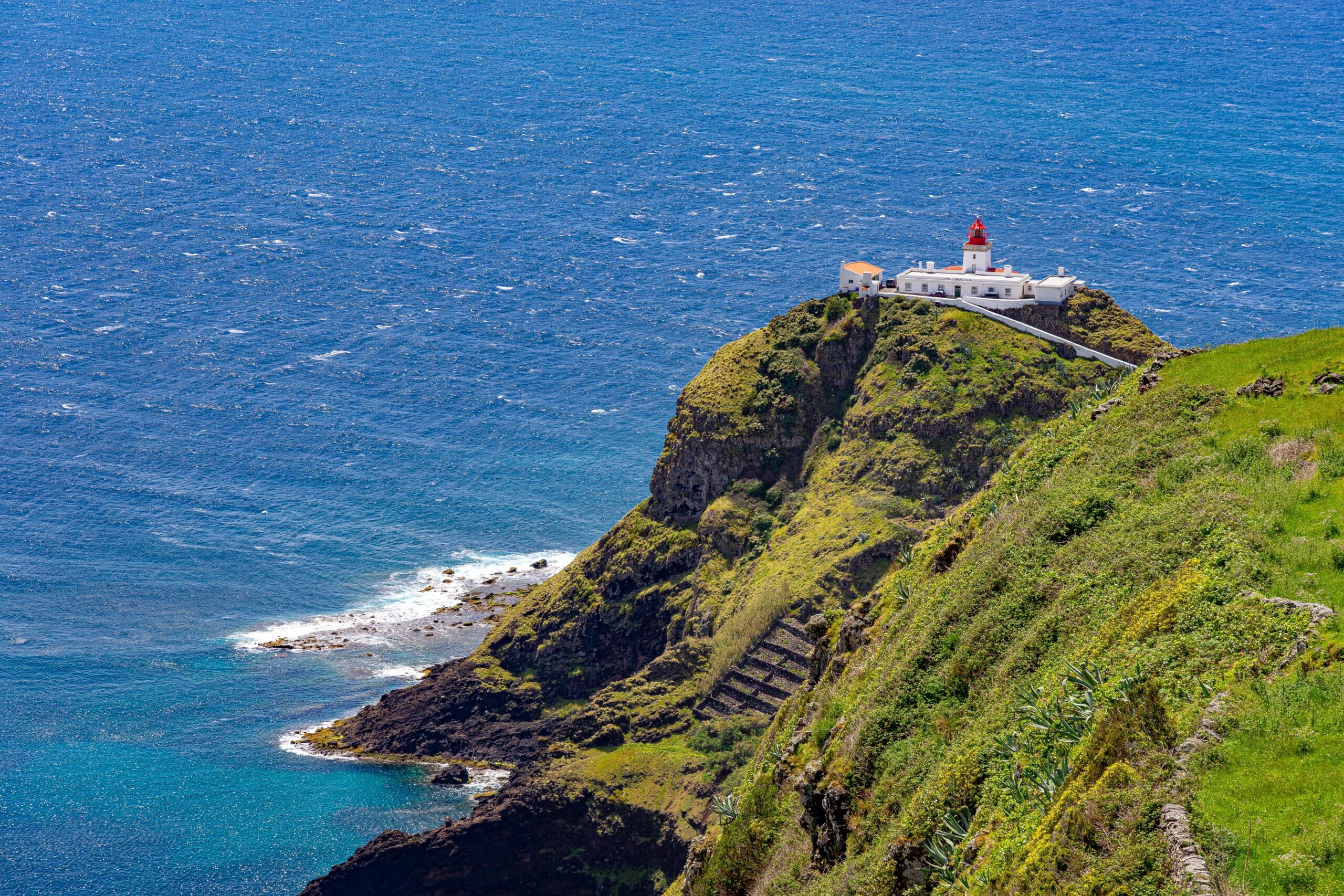
Santa Maria
Known as the Island of the Sun, Santa Maria is famous for its golden sandy beaches, warm climate, fossil-rich coastline, and relaxed pace of life. It’s the perfect destination for visitors looking to unwind while enjoying one of the oldest islands in the archipelago.
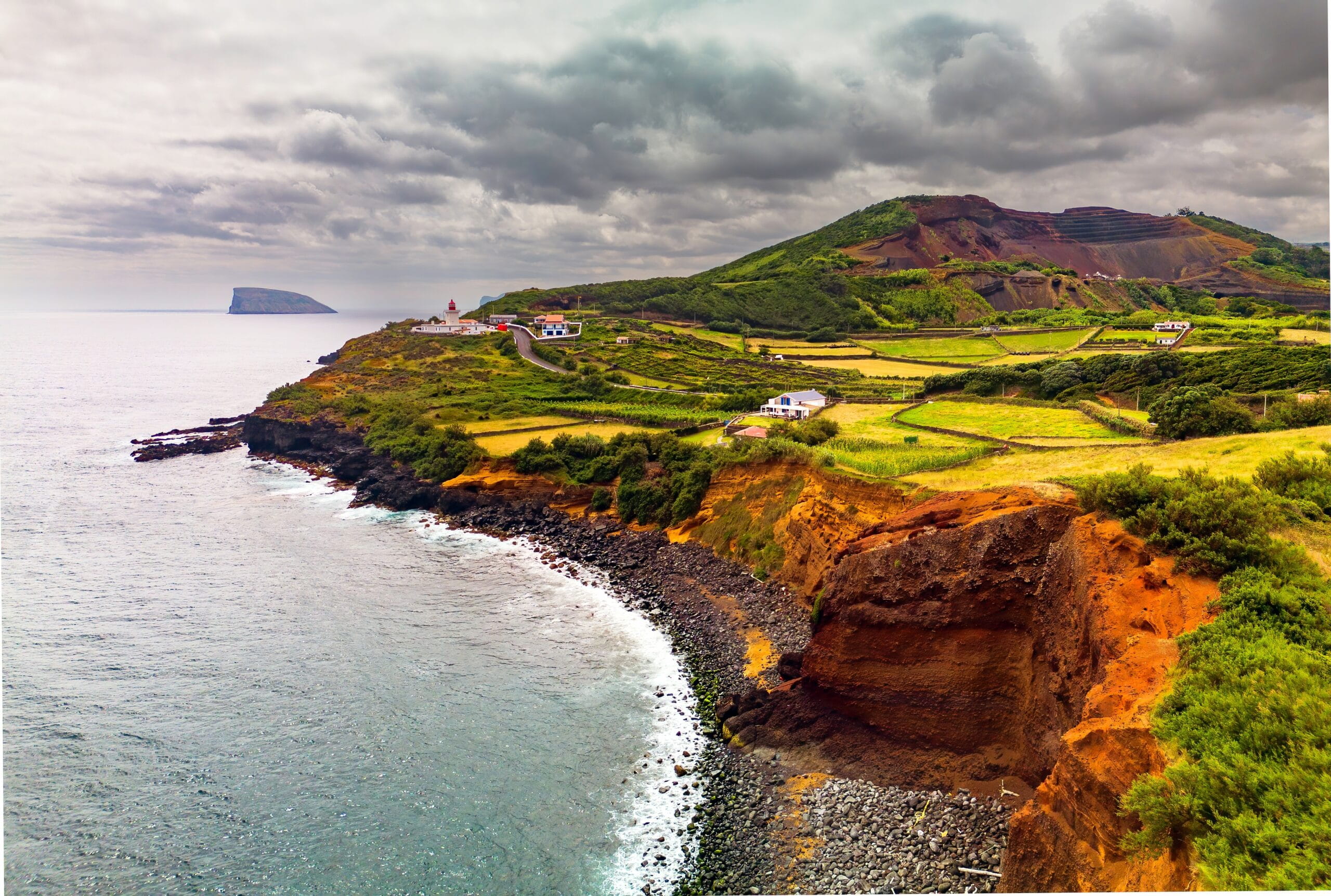
Terceira
A UNESCO World Heritage city, colorful festivals, lively traditions, and centuries of history make Terceira one of the cultural hearts of the Azores. From Angra do Heroísmo to the island’s famous Sanjoaninas celebrations, Terceira is rich in heritage and community spirit.
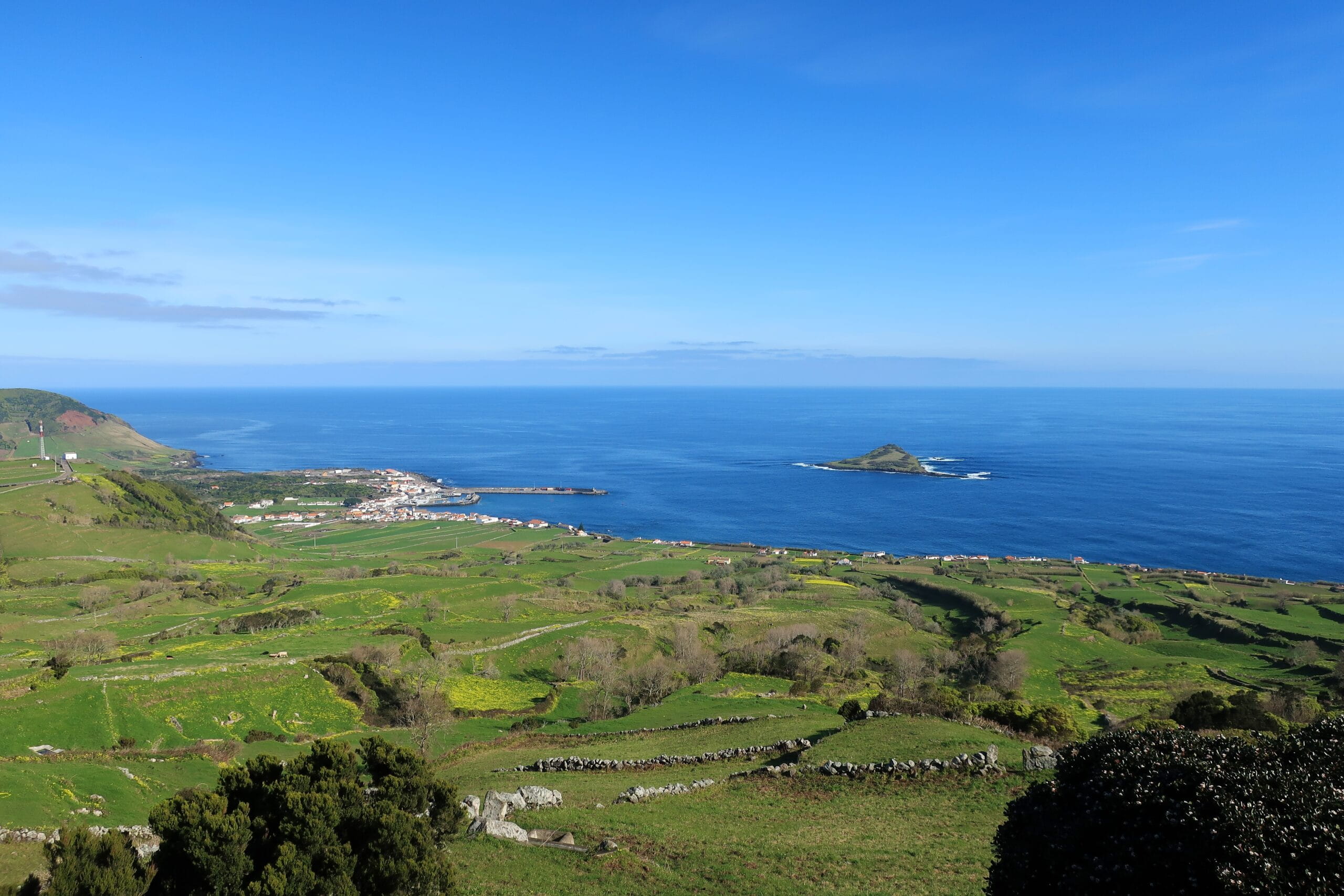
Graciosa
Peaceful, welcoming, and wonderfully unhurried, Graciosa is known for its whitewashed villages, traditional windmills, vineyards, and the remarkable Furna do Enxofre volcanic cave. It’s an island where quiet moments become lasting memories.
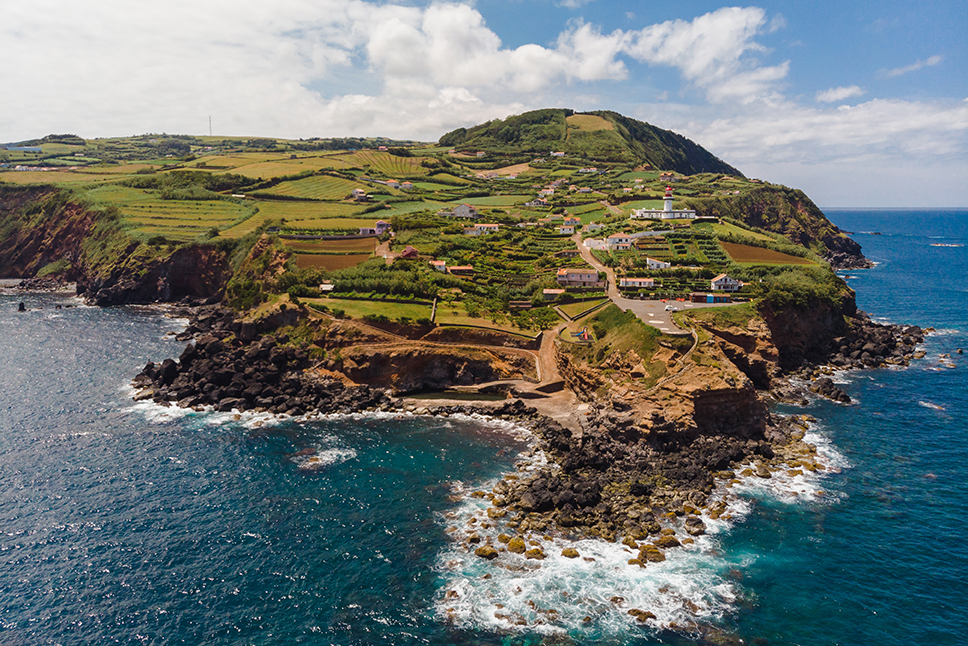
São Jorge
Steep cliffs, dramatic fajãs, scenic hiking trails, and the island’s world-famous cheese define São Jorge. Nature lovers and outdoor enthusiasts will discover breathtaking landscapes unlike anywhere else in the Azores.
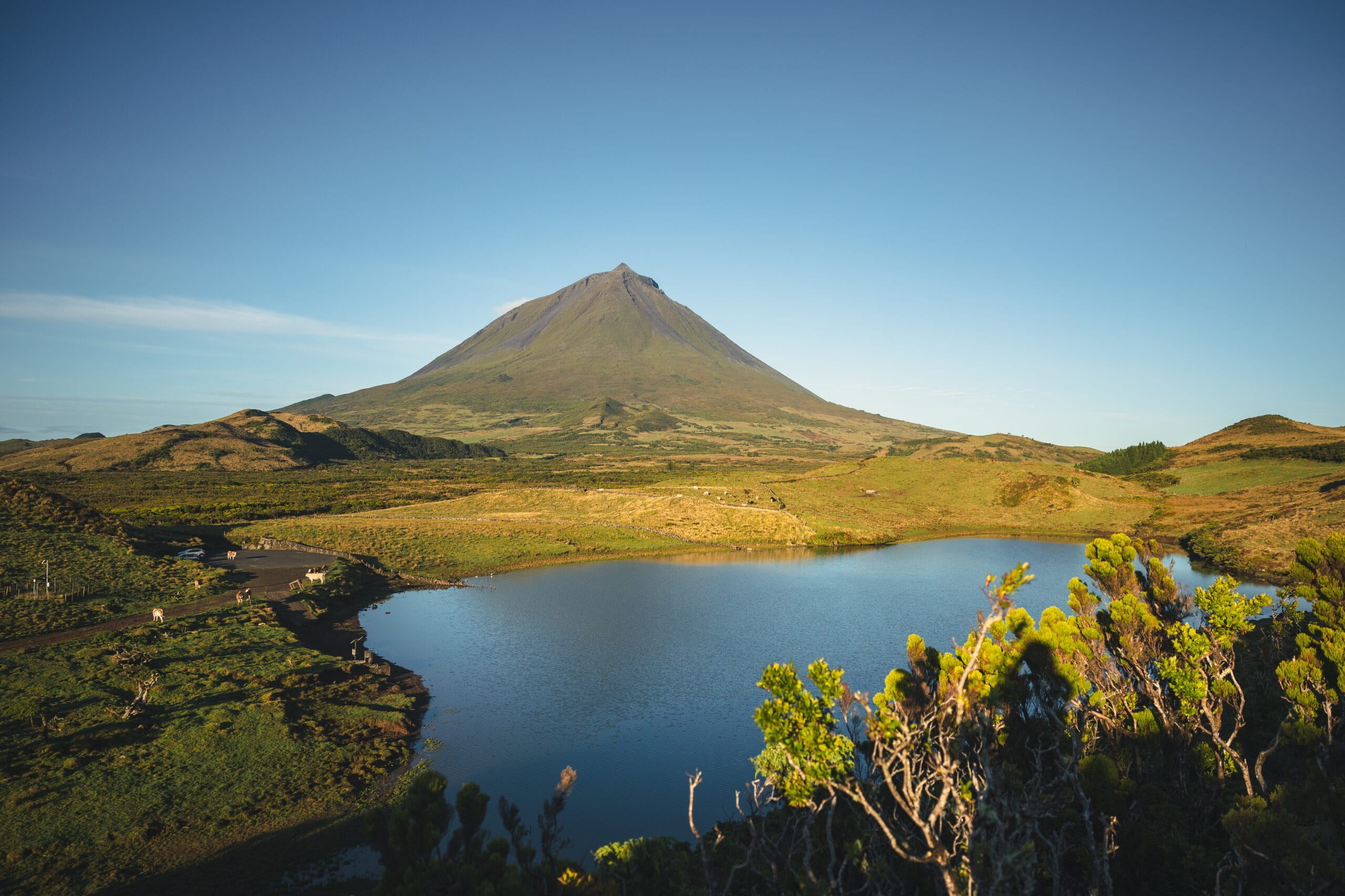
Pico
Dominated by Portugal’s highest mountain, Pico combines volcanic landscapes with UNESCO-listed vineyards, a rich whaling heritage, and some of the best whale watching in the Atlantic. It’s an island that celebrates both the sea and the mountain that gives it its identity.
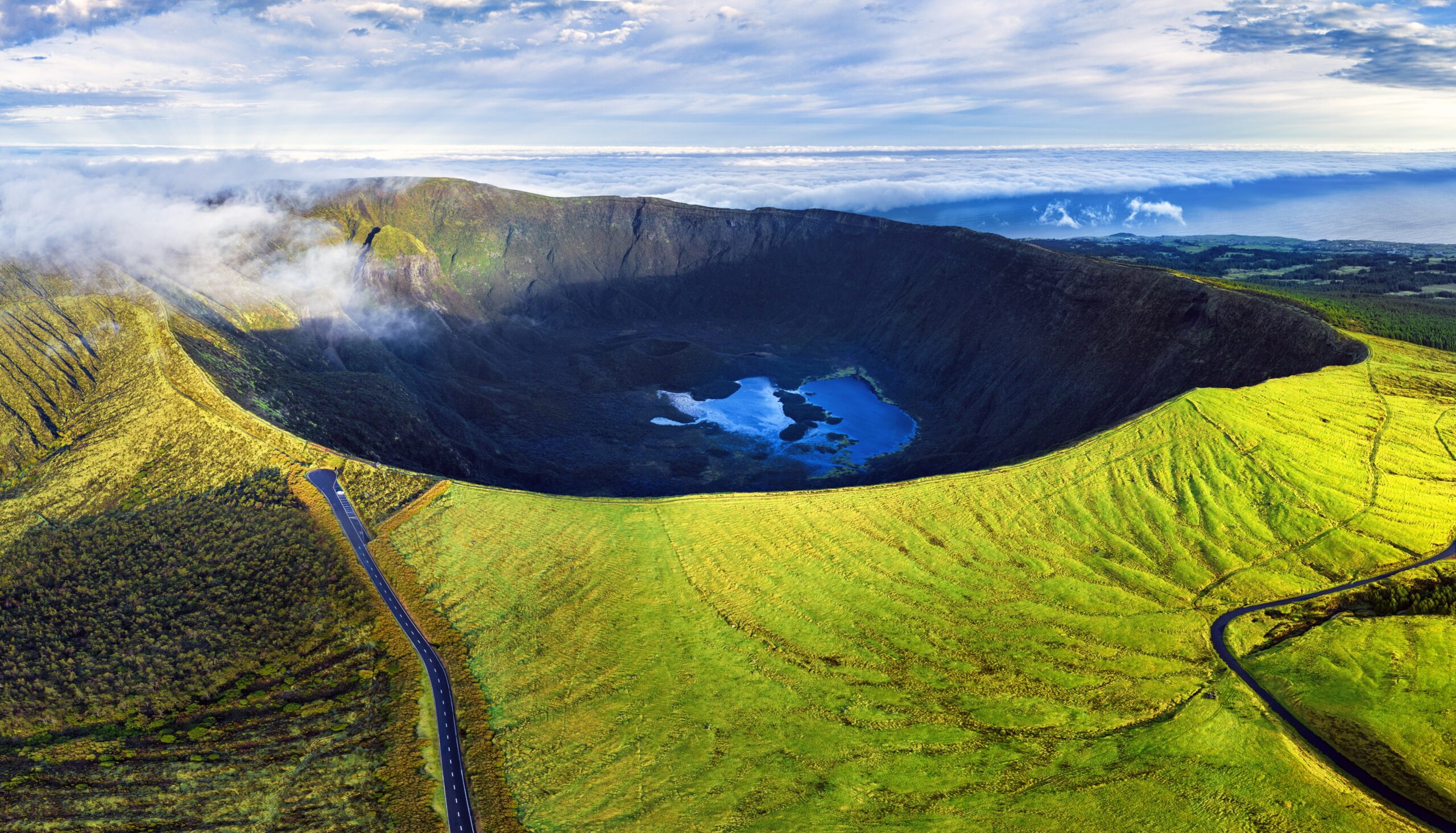
Faial
Known as the Blue Island, Faial welcomes sailors from around the world to the historic marina in Horta. Visitors also come to explore the dramatic Capelinhos Volcano, walk the rim of the Caldeira, and enjoy spectacular views of neighboring Pico.
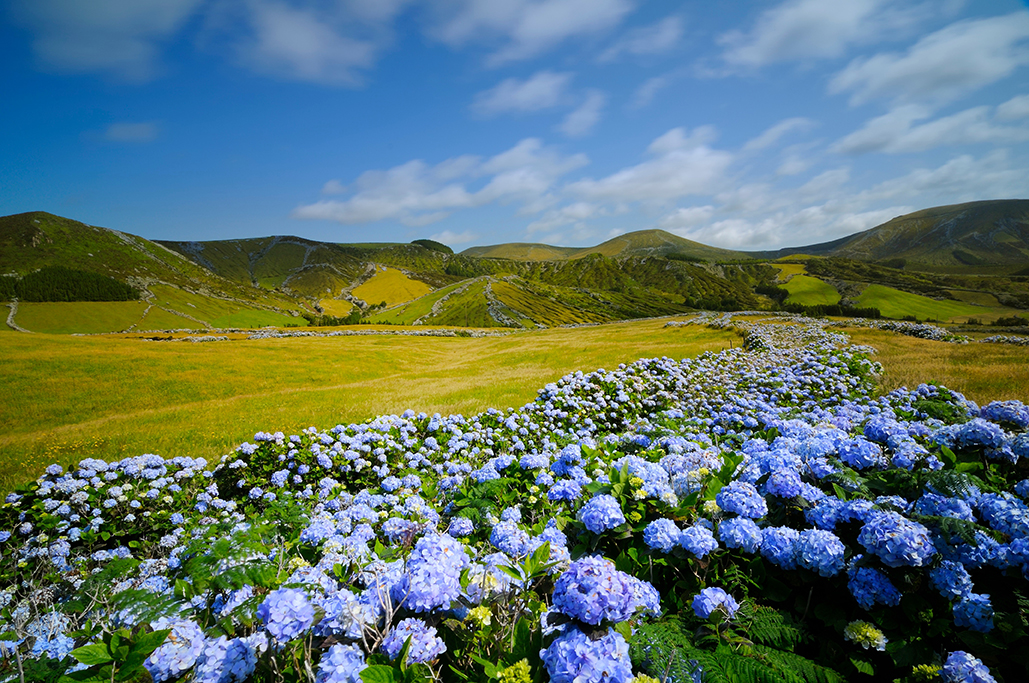
Flores
Often considered one of Europe’s most beautiful islands, Flores is a paradise of waterfalls, crater lakes, lush valleys, and dramatic cliffs. Nature is never far away, making every drive and every hike unforgettable.
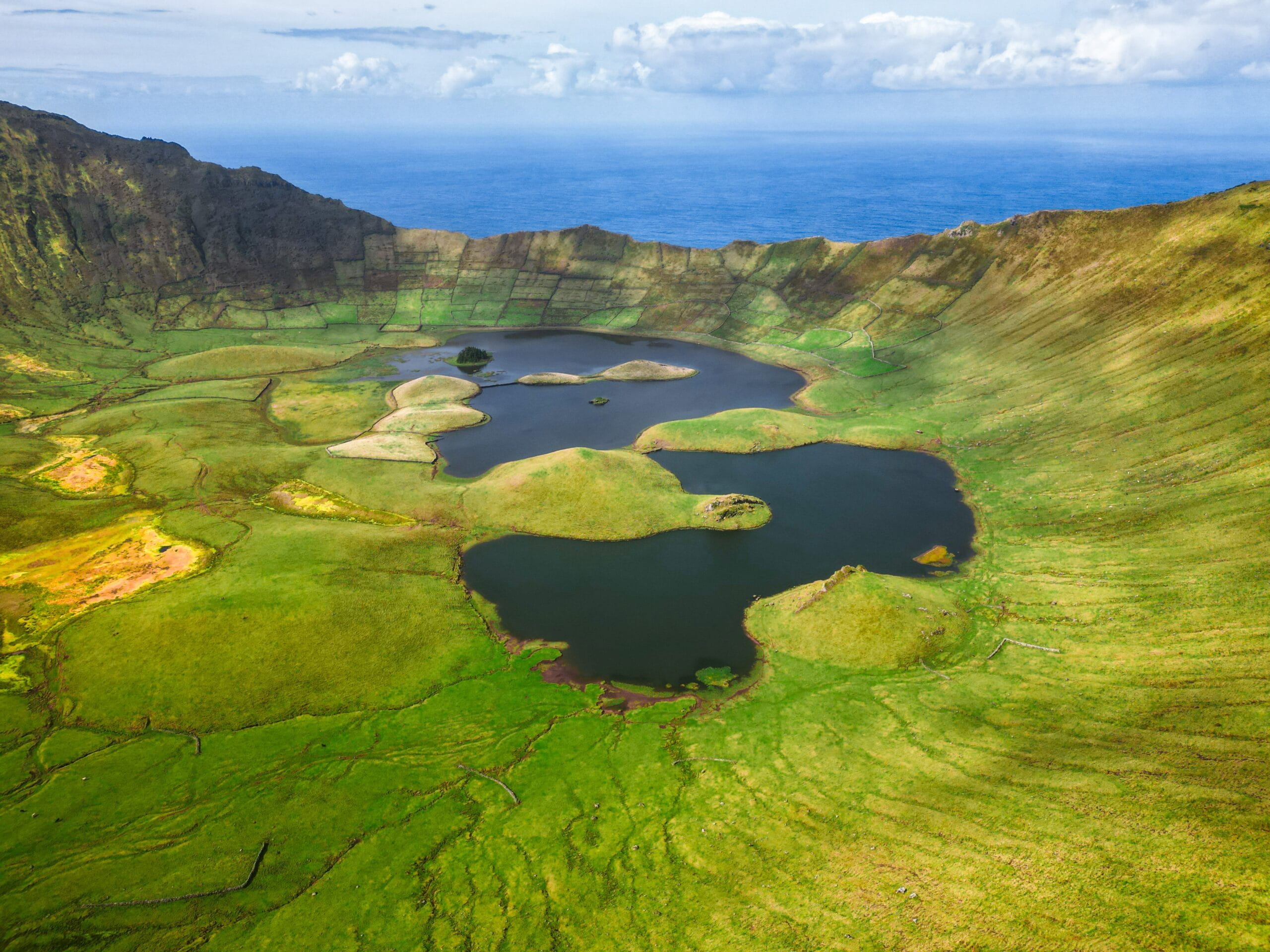
Corvo
The smallest island in the Azores offers one of its greatest rewards—peace. Home to a single village and the spectacular Caldeirão volcanic crater, Corvo invites visitors to slow down and experience island life at its simplest and most authentic.