Discover Pico, Azores
The Mountain That Shapes an Island
Welcome to Pico
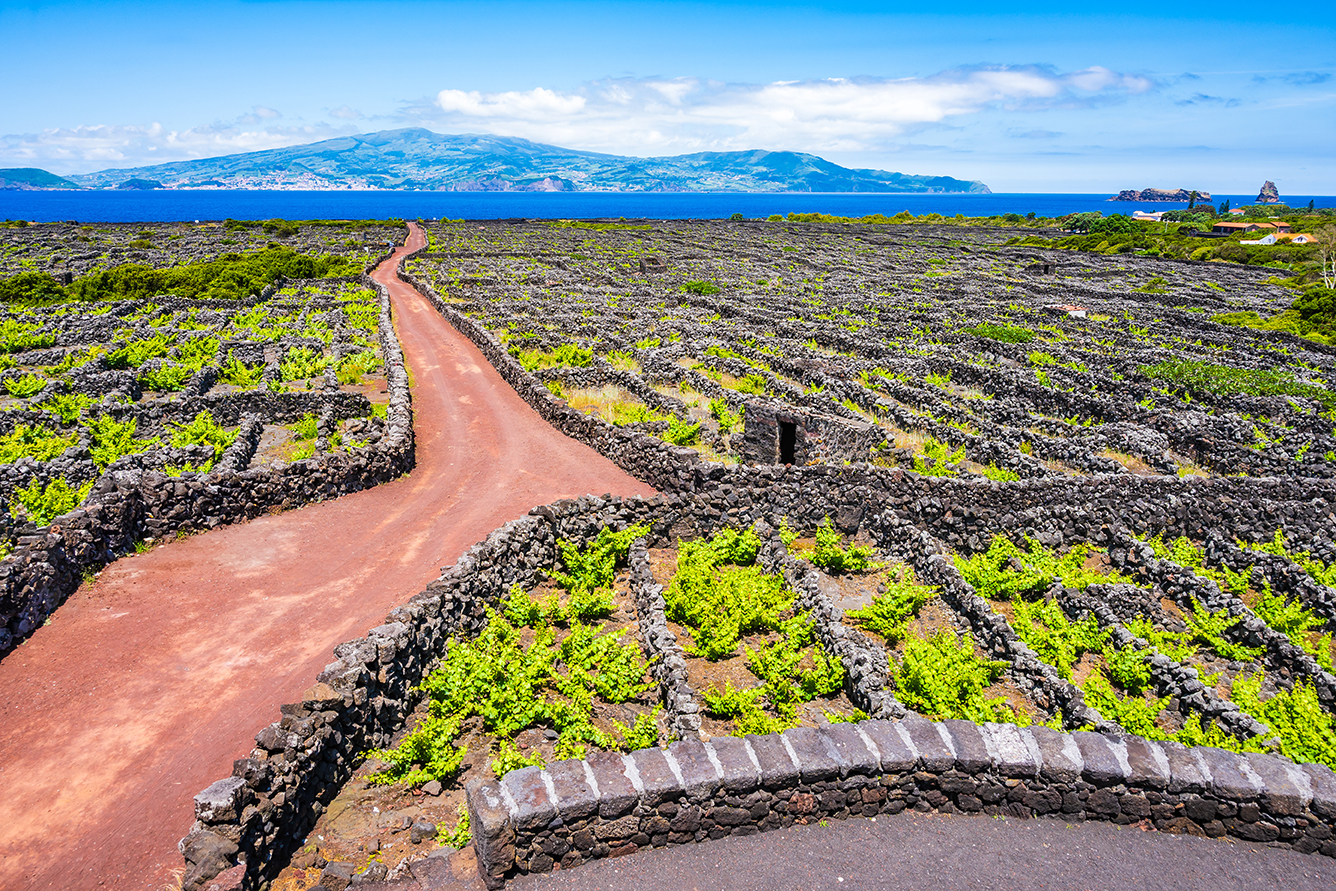
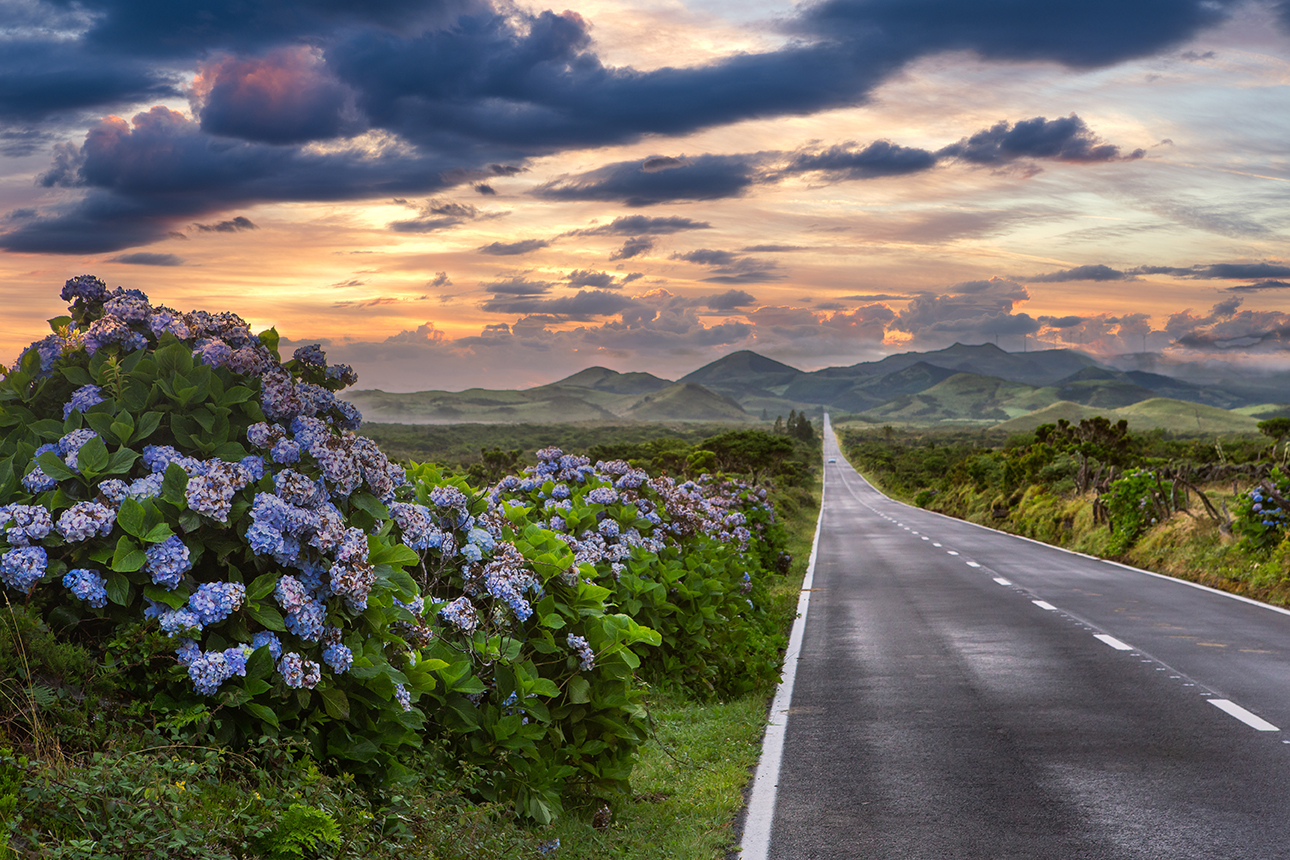
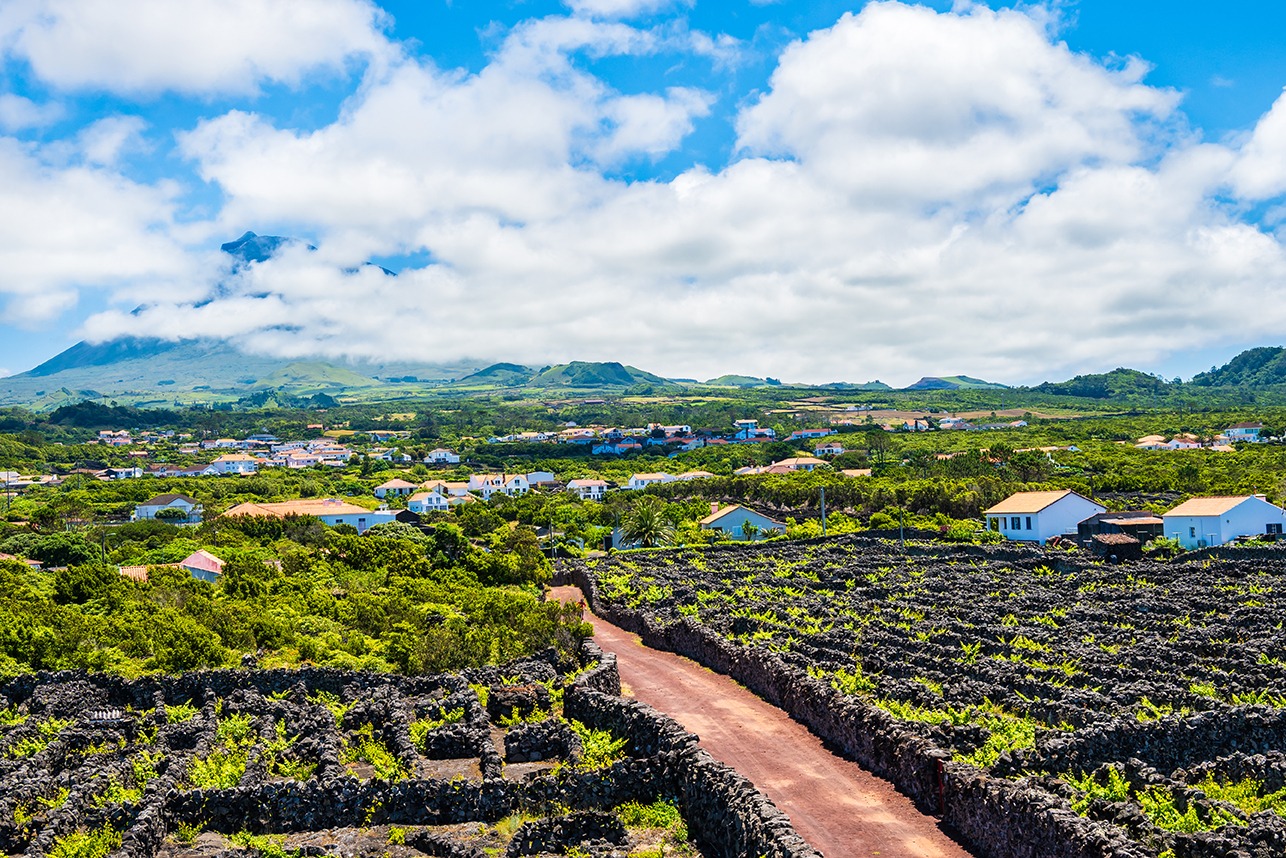
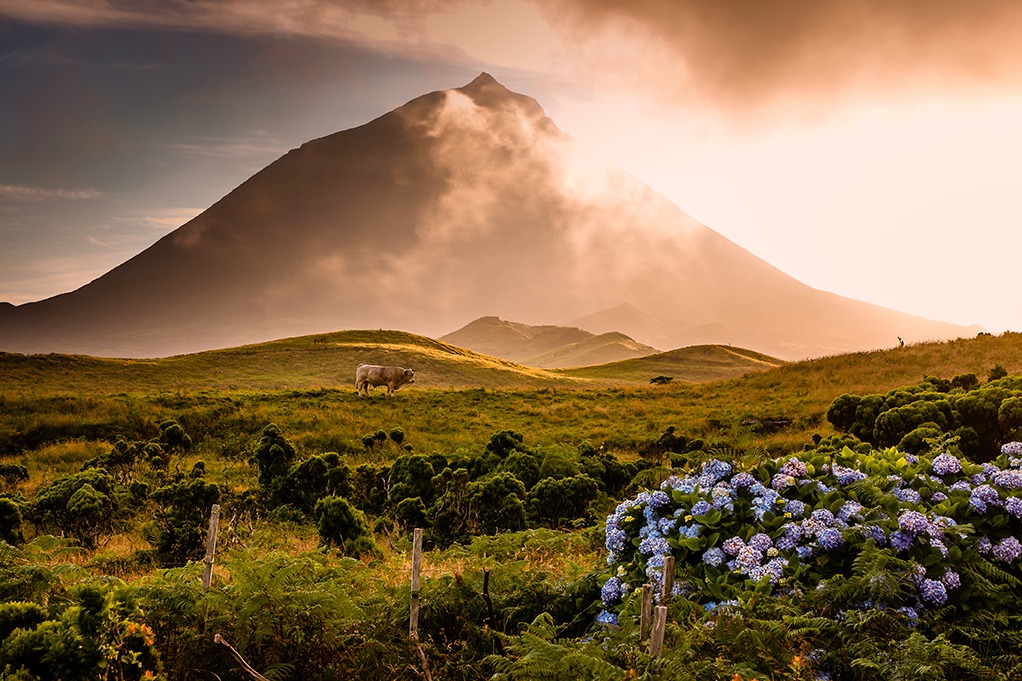
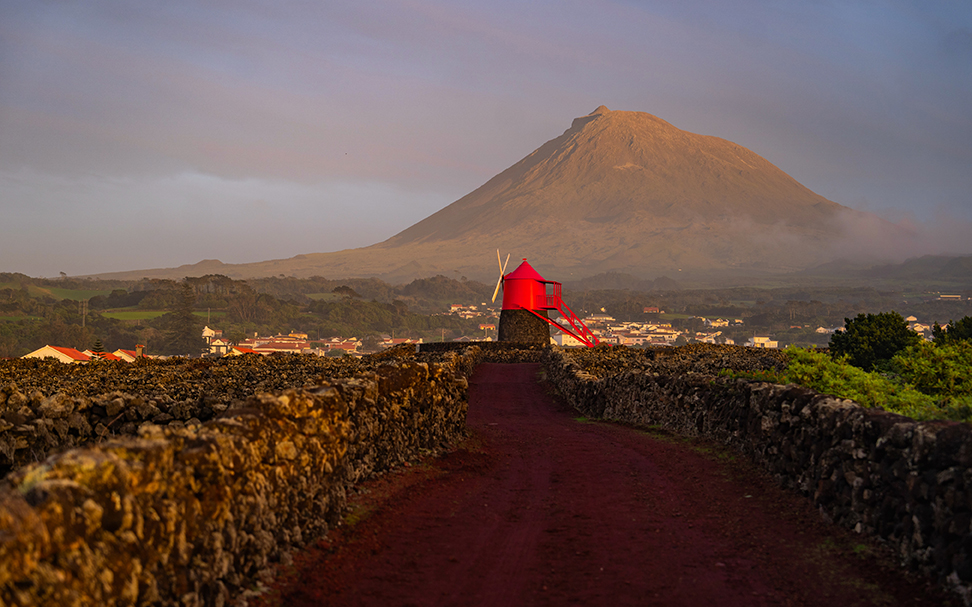
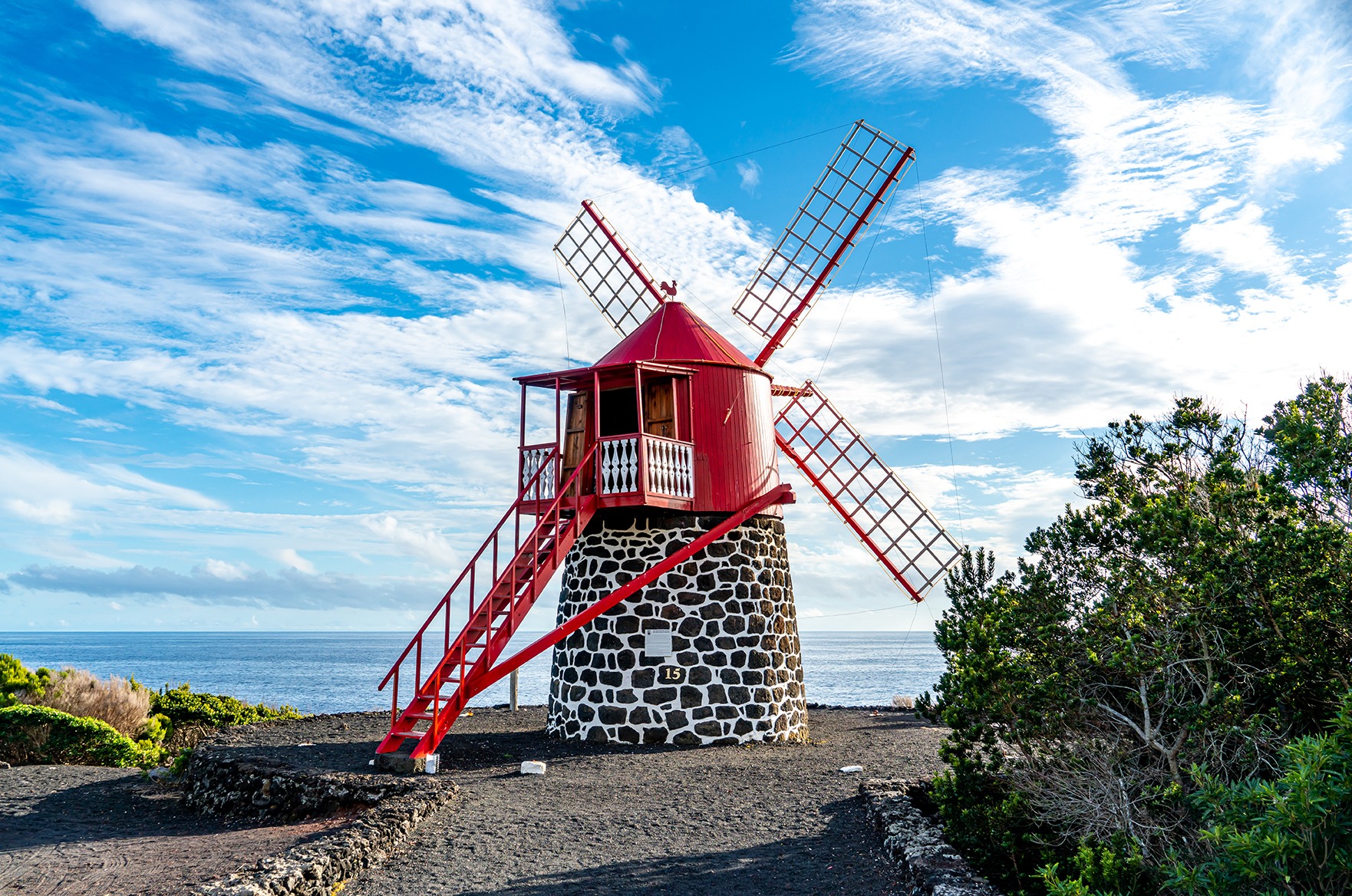
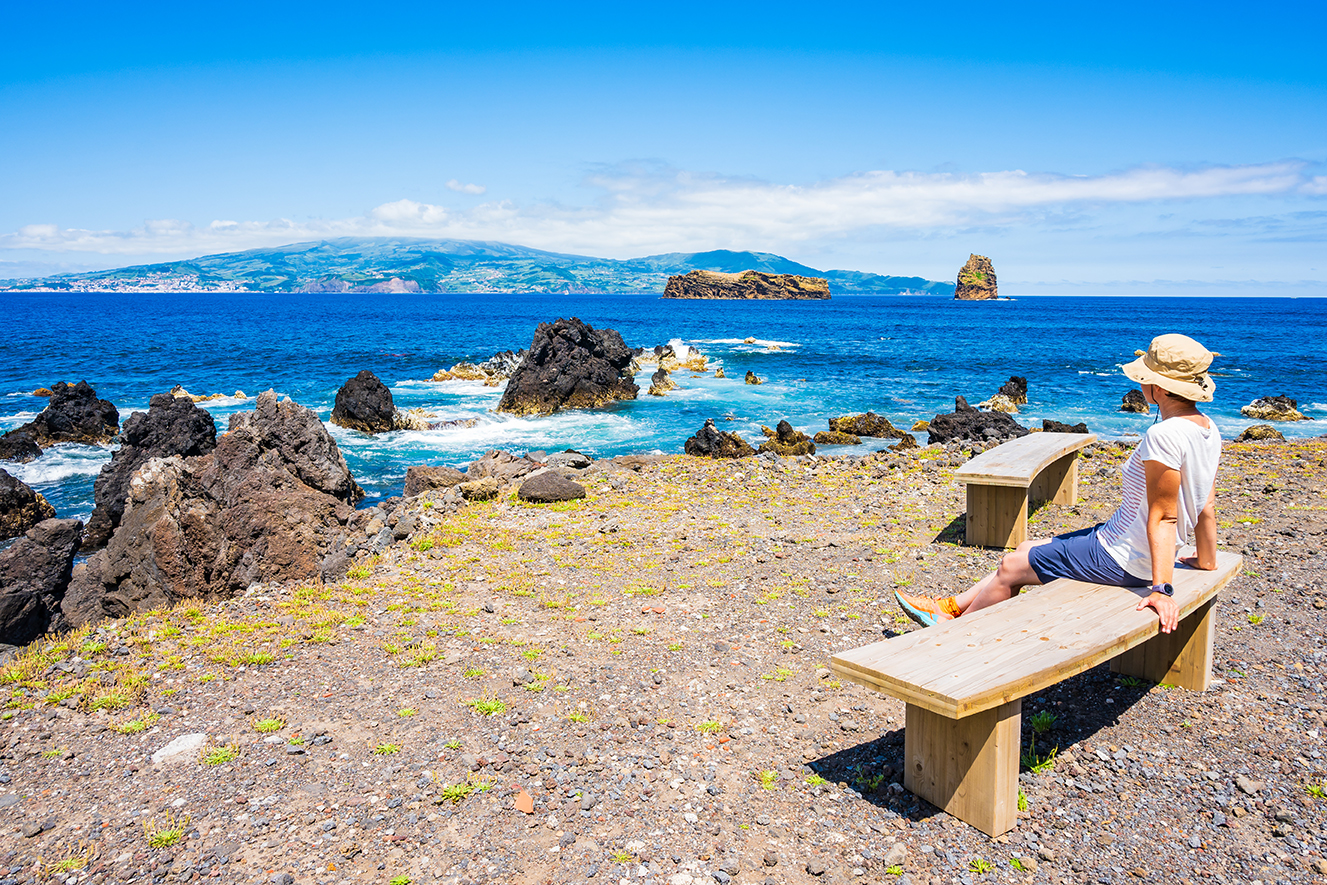
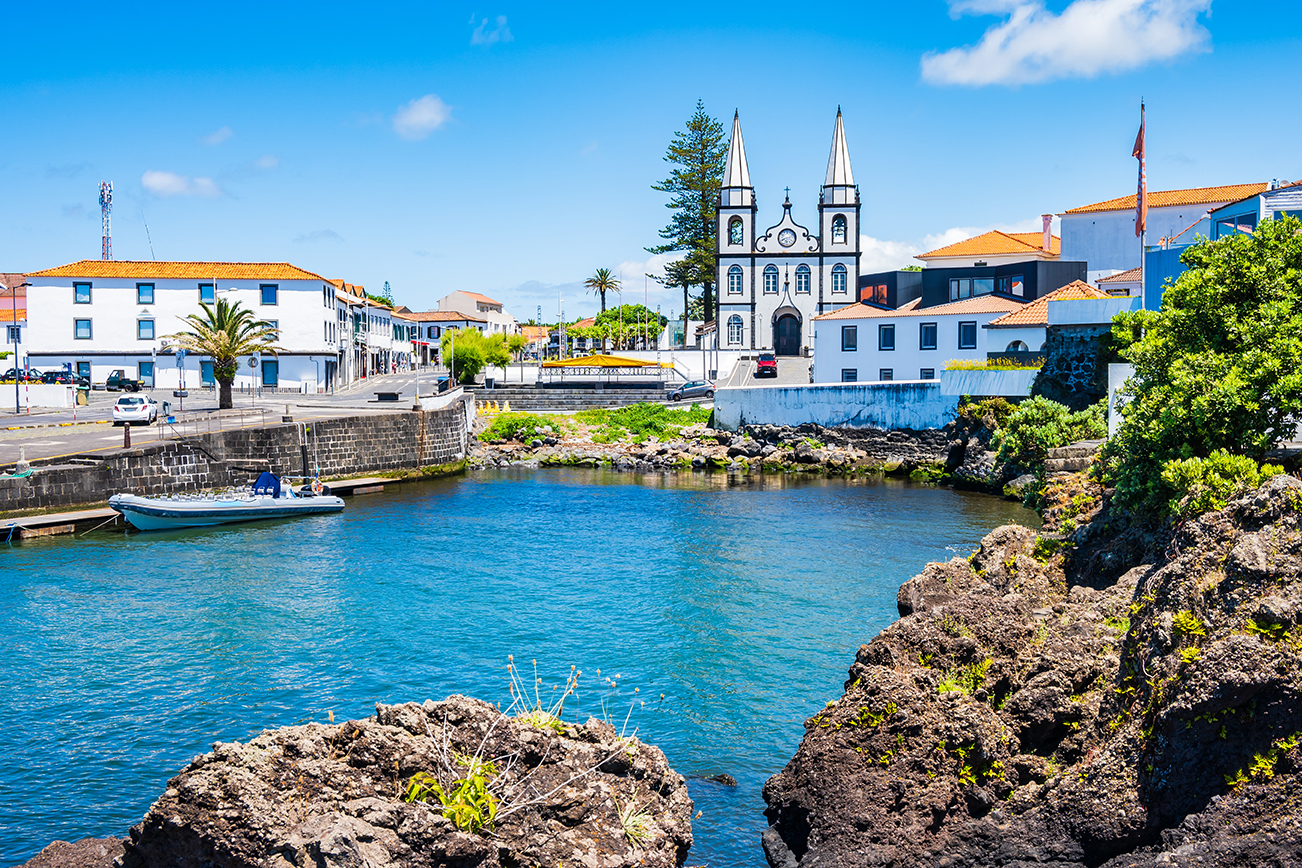
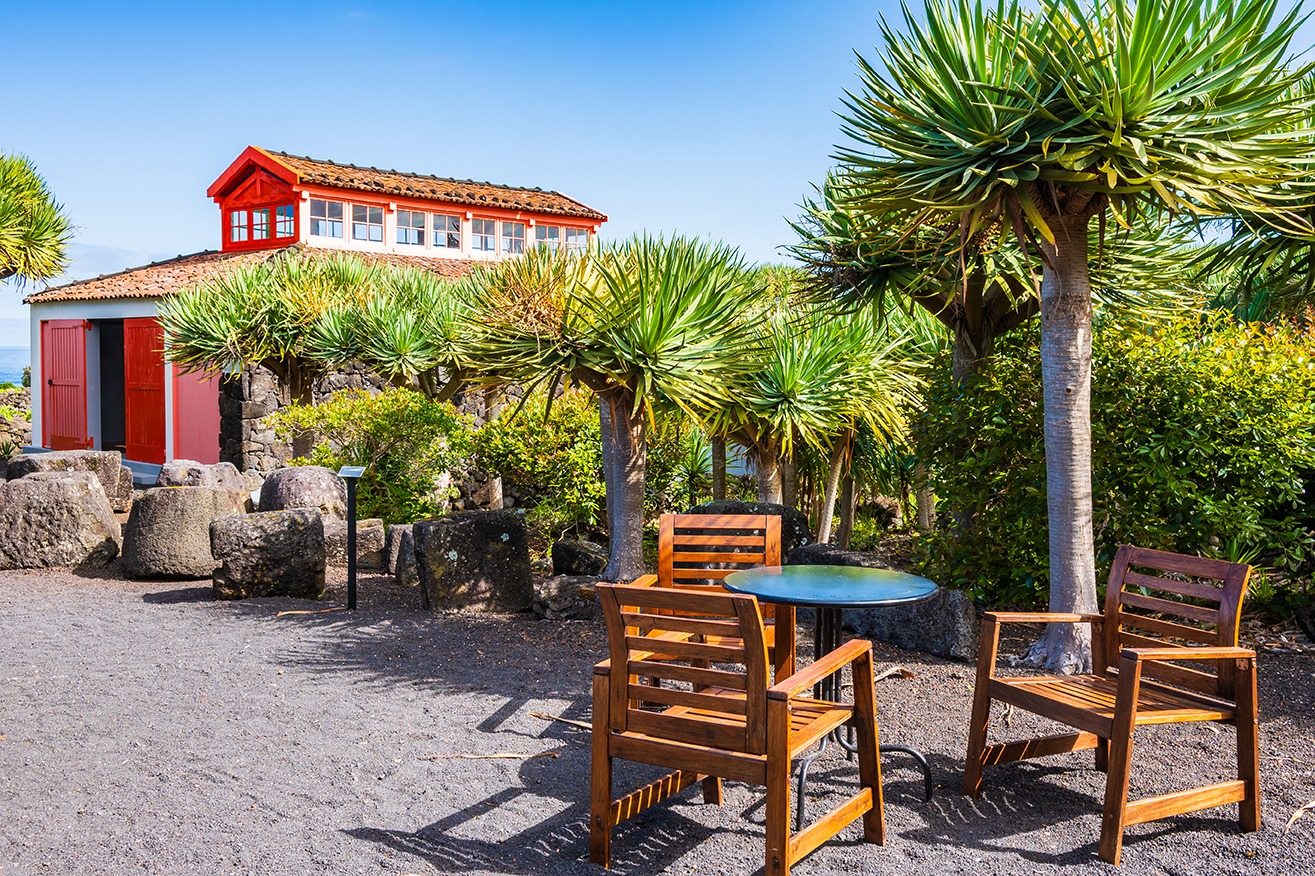
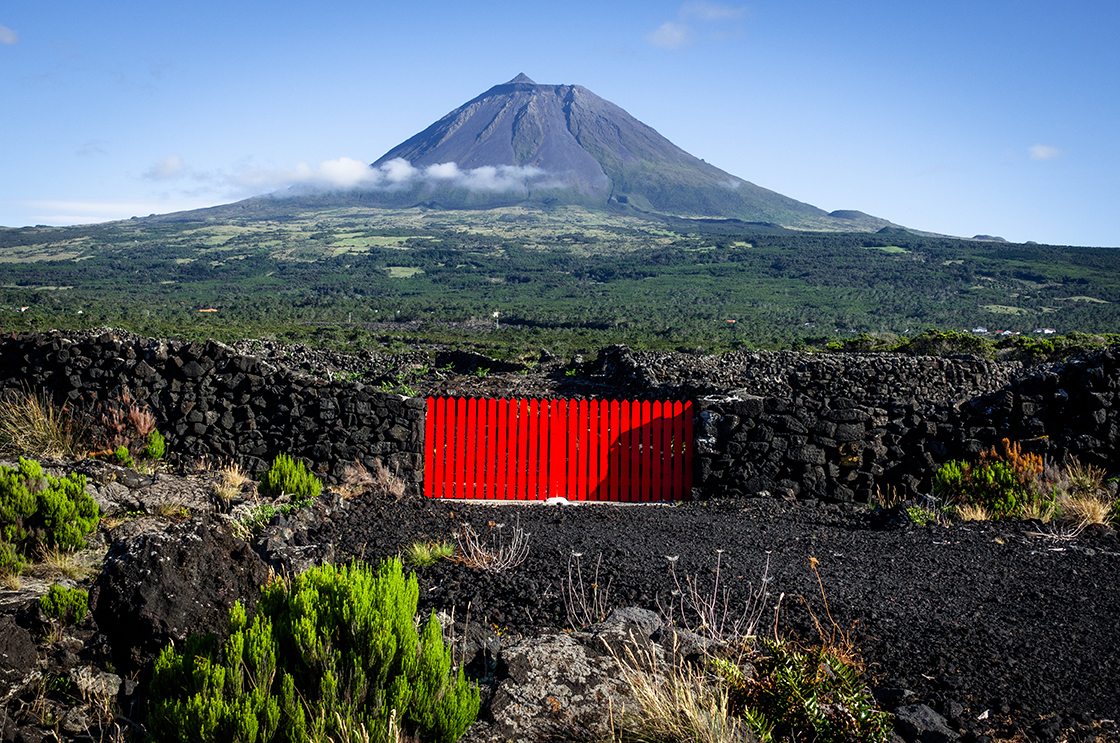
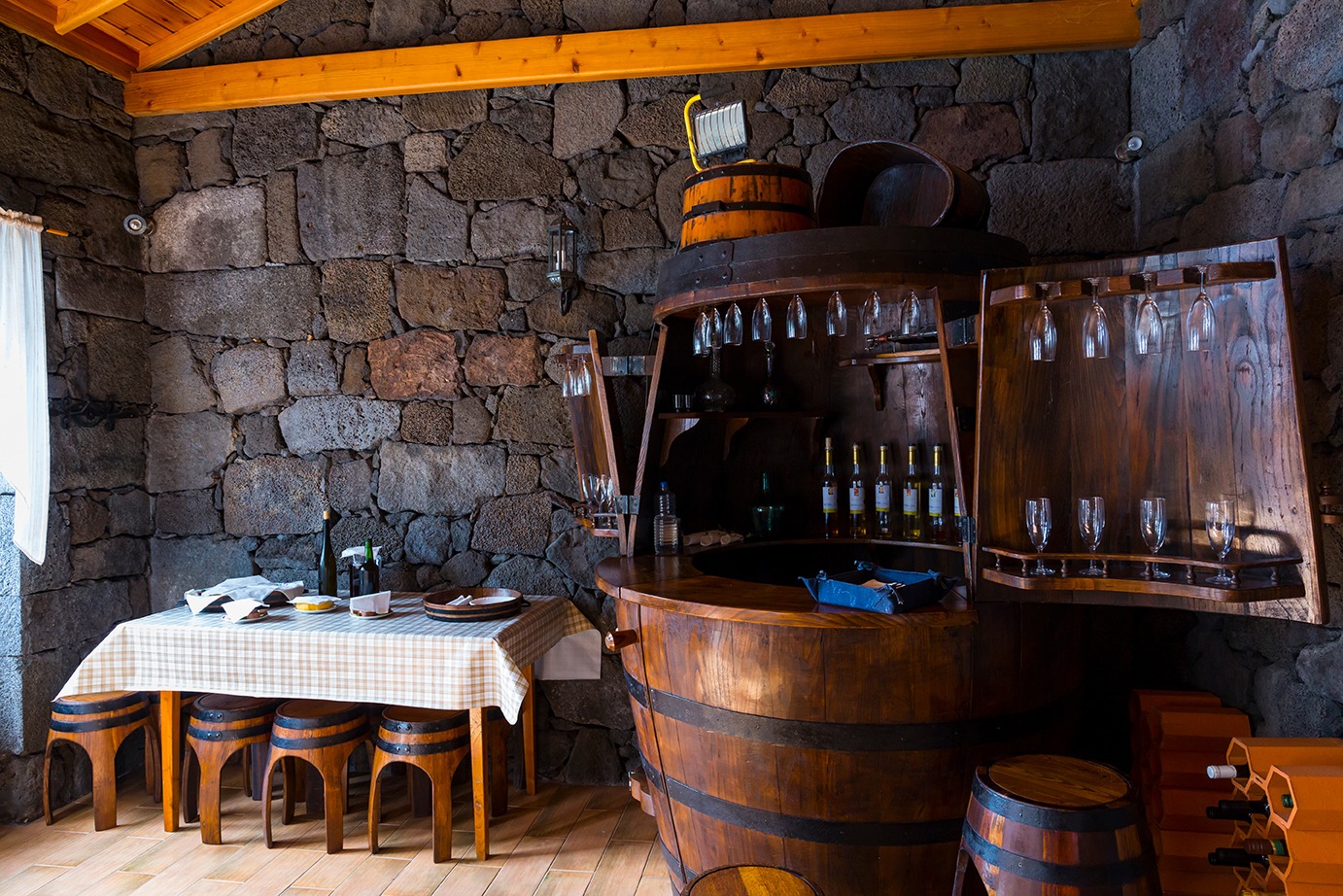
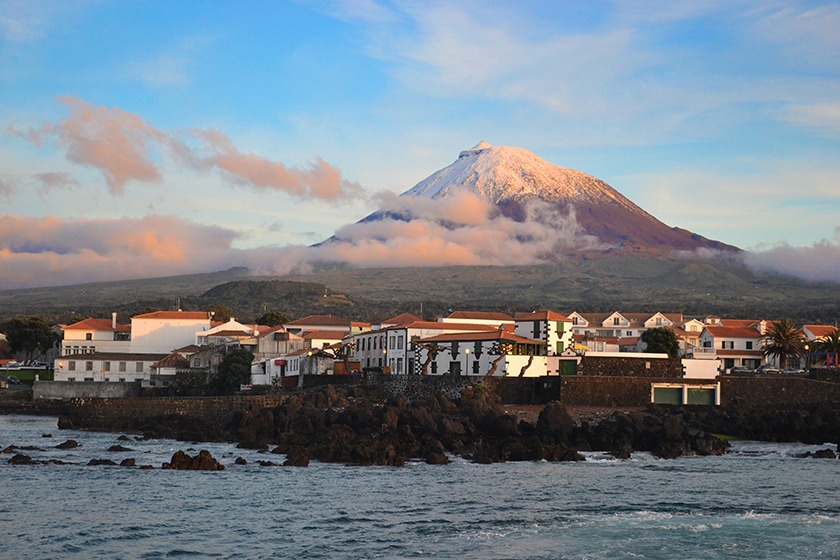
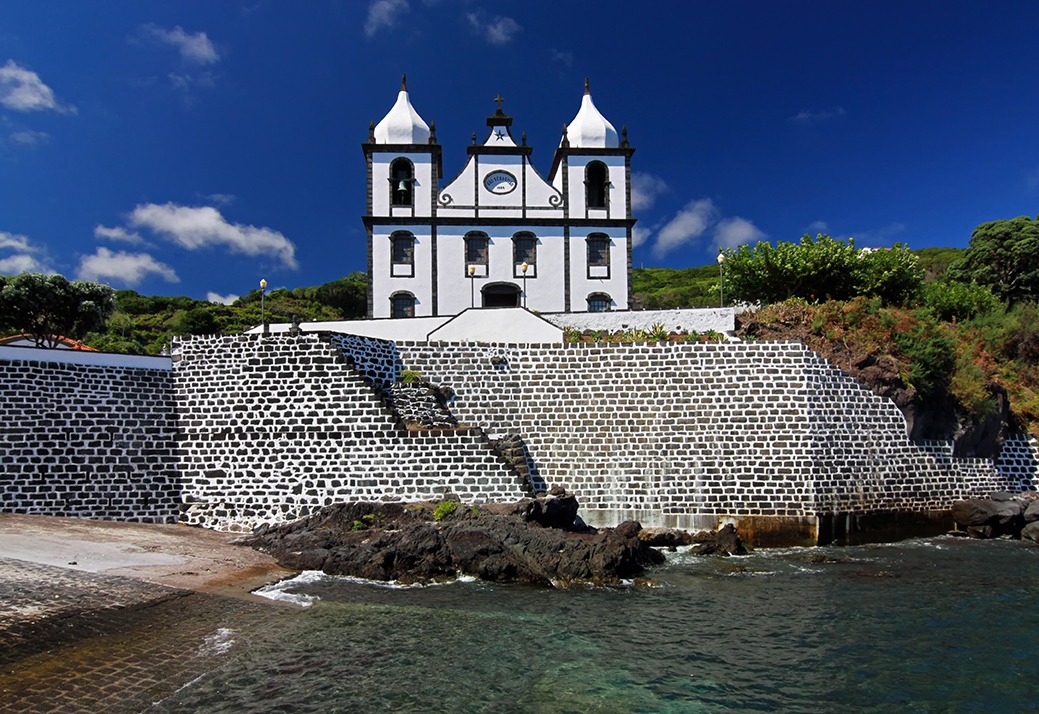
The mountain is always watching. Long before you set foot on Pico, you’ll see it rising from the Atlantic. Mount Pico dominates the skyline, its volcanic summit often wrapped in drifting clouds as if reluctant to reveal itself all at once. At 2,351 meters (7,713 feet), it is Portugal’s highest peak and the unmistakable symbol of an island shaped by fire, determination, and an enduring connection to the sea.
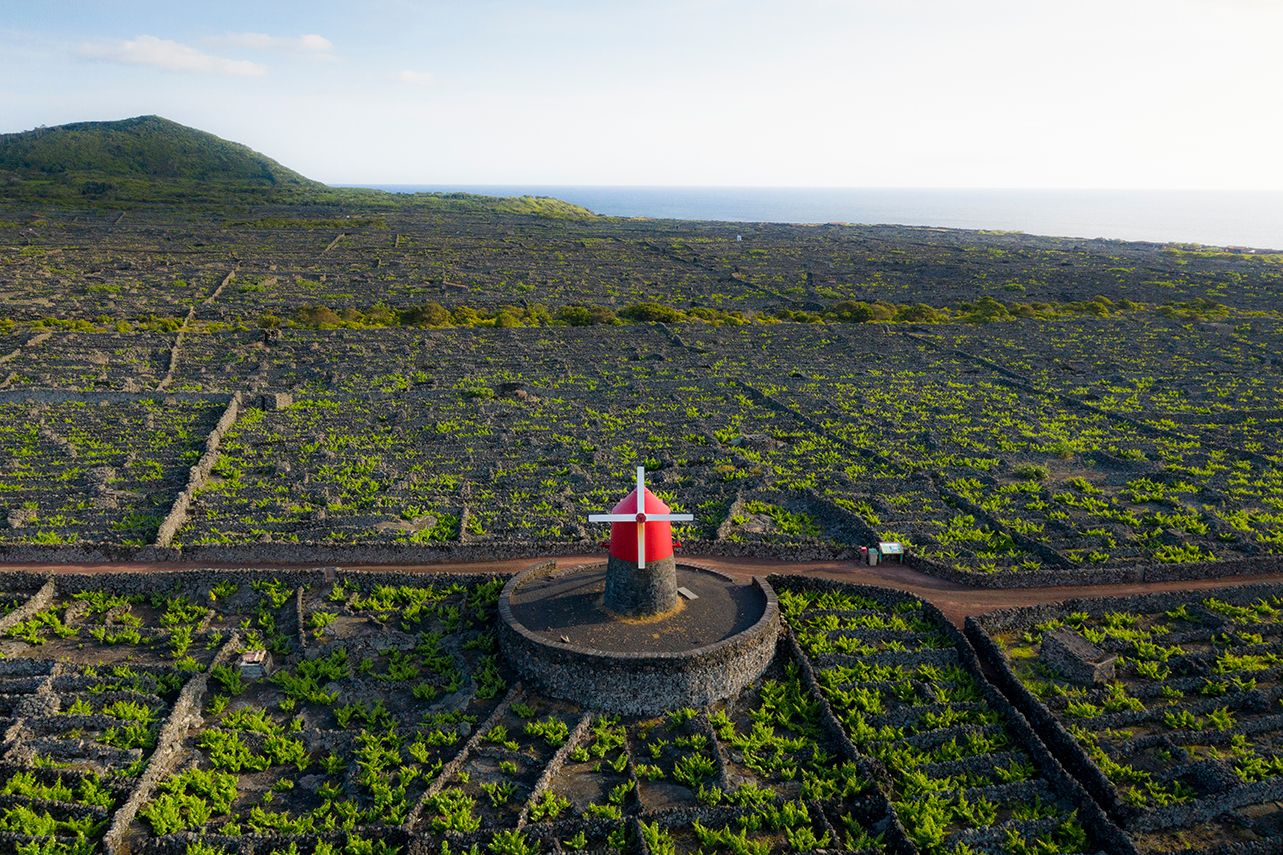
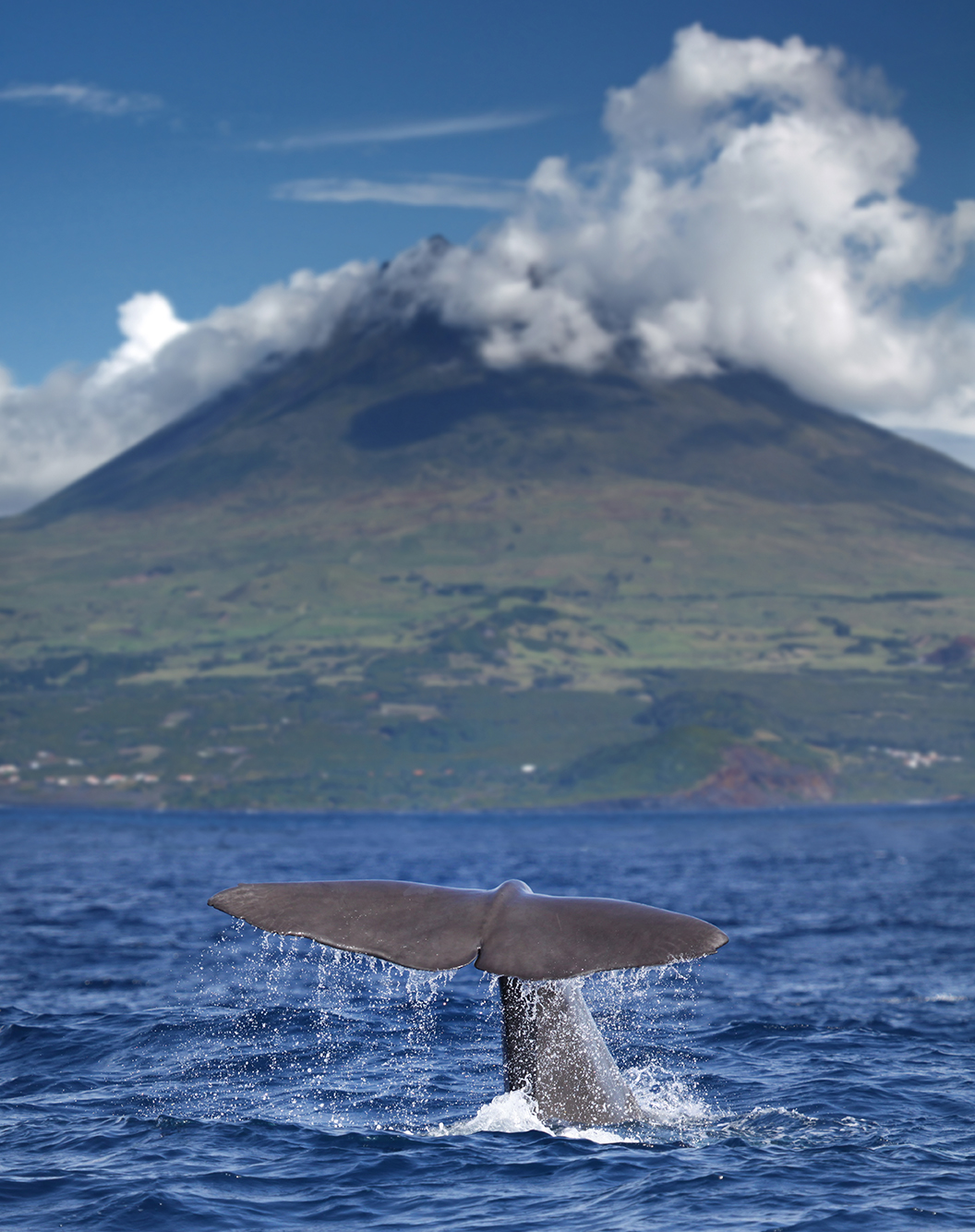
Yet Pico is far more than its famous mountain. Stretching across the island are fields of black volcanic stone where generations of farmers built thousands of hand-laid rock walls to protect vineyards from the Atlantic winds. Along the coast, former whaling villages tell stories of courage, hardship, and transformation, while today’s visitors head out to sea not to hunt whales, but to admire them in one of the world’s premier whale-watching destinations.
Pico is an island of striking contrasts. Towering volcanic landscapes stand beside calm vineyards. Rugged lava fields give way to welcoming villages. Powerful Atlantic swells meet peaceful harbors where fishing boats still return with the day’s catch.
Some visitors arrive to climb the mountain. Others come to taste Pico’s distinctive wines, explore its maritime heritage, or experience the remarkable wildlife of the surrounding ocean. Many leave with a deep appreciation for the resilience of the people who transformed one of the most challenging landscapes in the Azores into a place of extraordinary beauty.
Welcome to Pico.
Why Visit Pico?
Pico offers one of the most distinctive experiences in the Azores. Dominated by Portugal’s highest mountain and surrounded by the deep blue Atlantic, the island combines dramatic volcanic landscapes with centuries of cultural traditions that continue to shape everyday life.
Spend the morning walking through UNESCO-listed vineyards built from black lava stone, climb Mount Pico for breathtaking panoramic views, visit museums that preserve the island’s whaling heritage, or set out on a whale-watching excursion where sperm whales and dolphins are frequently seen.
Pico is equally rewarding for outdoor adventurers, photographers, wine enthusiasts, history lovers, and travelers seeking a deeper understanding of the Azores’ maritime culture.
It is an island where nature commands respect, tradition remains strong, and every journey is shaped by the mountain that watches over it all.
Island Snapshot
A Brief History
Pico’s history is one of perseverance.
Unlike some of the other Azorean islands, Pico’s rugged volcanic terrain made settlement especially challenging. Early settlers found little fertile soil and an unforgiving landscape dominated by lava flows and steep volcanic slopes. Rather than abandoning the island, they adapted.
Over generations, families cleared volcanic rock by hand, constructing thousands of kilometers of dry-stone walls that protected vineyards from strong Atlantic winds while capturing warmth from the sun. These remarkable vineyards, now recognized as a UNESCO World Heritage Site, stand as a lasting testament to human ingenuity and determination.
The surrounding Atlantic shaped Pico’s history just as profoundly. For centuries, whaling became an important industry, providing employment for coastal communities and connecting the island to maritime traditions that stretched across the ocean. Today, that legacy is preserved through museums, restored whaling boats, and historic lookout towers once used to spot whales from the cliffs above the sea.
Modern Pico has embraced a different relationship with the ocean. Whale watching has replaced whaling, allowing visitors to observe sperm whales, dolphins, and other marine life while learning about conservation and the island’s changing connection with the Atlantic.
Throughout it all, Mount Pico has remained the island’s constant companion. Visible from nearly every corner of the island, it has shaped not only the landscape but also the identity of the people who call Pico home.
Did You Know?
- Mount Pico is the highest mountain in Portugal, rising 2,351 meters (7,713 feet) above sea level. Pico’s vineyard landscape is recognized as a UNESCO World Heritage Site.
- The waters surrounding Pico are among the best places in Europe for whale watching.
- Sperm whales can be seen around Pico throughout much of the year.
- Hundreds of kilometers of volcanic stone walls protect the island’s vineyards from Atlantic winds.
- Pico played a significant role in the Azores’ historic whaling industry.
- On clear days, neighboring Faial, São Jorge, and Graciosa can all be seen from various points on the island.
Getting Around
Pico is best explored by car.
Although public transportation connects several communities, renting a car allows you to experience the island’s diverse landscapes at your own pace. Scenic coastal roads circle the island, passing vineyards, lava fields, fishing villages, whale lookout points, and countless viewpoints overlooking both the Atlantic and Mount Pico.
Driving is relaxed, distances are short, and each side of the island offers something different. One moment you’re walking through UNESCO-listed vineyards. The next you’re standing beside a natural lava pool or enjoying lunch in a quiet fishing village.
Allow extra time between destinations.
On Pico, some of the most memorable experiences happen when you stop simply because the view is too beautiful to drive past.
If You Only Have One Day...
Begin your morning in Madalena, exploring the Landscape of the Pico Island Vineyard Culture, where centuries-old stone walls create one of the Azores’ most remarkable cultural landscapes.
Continue to Lajes do Pico to visit the Whalers Museum, gaining insight into the island’s maritime history before enjoying lunch overlooking the harbor.
In the afternoon, join a whale-watching excursion or drive to several coastal viewpoints where the Atlantic stretches endlessly toward the horizon. If time allows, visit one of Pico’s wineries to sample the island’s distinctive volcanic wines while learning about the generations of families who shaped this extraordinary landscape.
As evening approaches, watch the setting sun illuminate Mount Pico, whose changing colors provide a fitting conclusion to a day spent discovering one of the Azores’ most remarkable islands.
Natural Wonders
Pico is an island shaped by powerful volcanic forces, where towering mountains, ancient lava fields, dramatic coastlines, and peaceful forests create some of the most unforgettable landscapes in the Azores.
Dominating it all is Mount Pico, Portugal’s highest mountain. Rising 2,351 meters (7,713 feet) above sea level, its perfectly formed volcanic cone can be seen from neighboring islands and serves as both a landmark and a symbol of the island itself. On clear days, its summit offers breathtaking panoramic views across the central islands of the Azores.
At its base lies a landscape unlike any other in the archipelago. The Landscape of the Pico Island Vineyard Culture, recognized as a UNESCO World Heritage Site, is a remarkable example of how generations of islanders adapted to a challenging environment. Thousands of small vineyards are protected by hand-built lava stone walls that shield delicate vines from Atlantic winds while absorbing the sun’s warmth. Together, they form one of Europe’s most extraordinary agricultural landscapes.
Beyond the vineyards, Pico’s volcanic origins continue to shape the island. Lava fields stretch toward the sea, caves and underground lava tubes reveal the island’s fiery past, and quiet forests gradually reclaim older volcanic terrain.
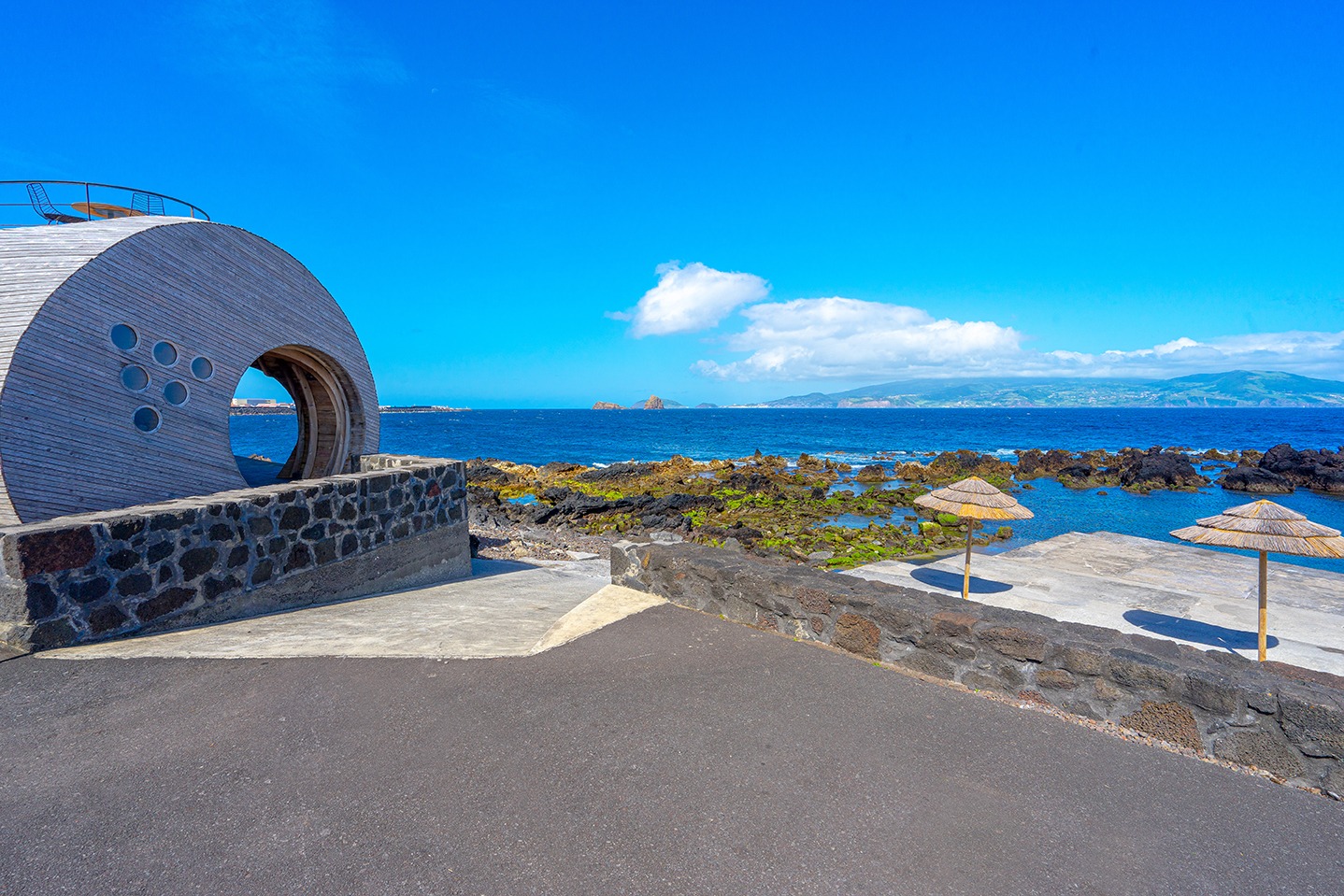
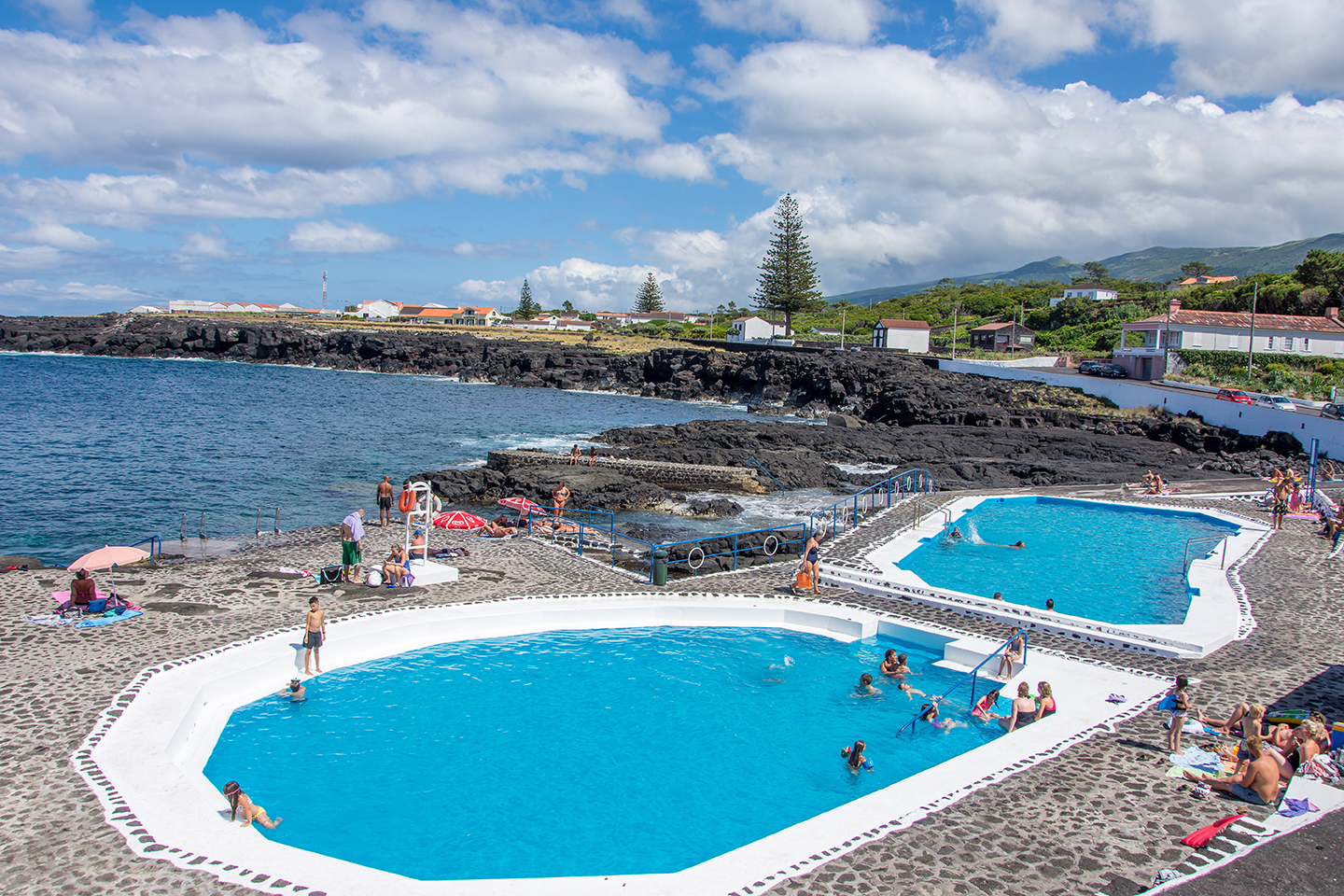
Along the coastline, black basalt cliffs rise above the Atlantic, where natural swimming areas and hidden coves offer beautiful places to enjoy the ocean.
Wherever you travel on Pico, the landscape tells the same story.
Fire created it.
People learned to live with it.
Together, they created something extraordinary.
Outdoor Adventures
For outdoor enthusiasts, Pico is one of the most rewarding islands in the Azores.
The island’s greatest challenge—and greatest achievement—is climbing Mount Pico.
The ascent takes hikers across ancient lava fields before climbing steadily toward the summit, where panoramic views stretch across the Atlantic to neighboring Faial, São Jorge, Graciosa, and, on exceptionally clear days, even Terceira. The climb is demanding but unforgettable, and many visitors consider it the highlight of their Azores journey.
Those looking for gentler adventures will find an extensive network of hiking trails crossing forests, vineyards, volcanic landscapes, and dramatic coastal cliffs. Whether you’re looking for a leisurely walk or a full-day trek, Pico offers routes that showcase the island’s remarkable natural diversity.
The surrounding Atlantic is equally impressive. Pico is internationally recognized as one of Europe’s premier whale-watching destinations. Sperm whales are present throughout much of the year, while blue whales, fin whales, sei whales, and several dolphin species migrate through these waters seasonally. Guided excursions led by experienced naturalists provide an unforgettable opportunity to observe these magnificent animals while learning about marine conservation.
Scuba diving, kayaking, fishing, and sailing are also popular, thanks to the island’s clear waters and volcanic underwater landscapes. Divers can explore lava formations, marine life, and underwater caves, while kayakers enjoy quiet stretches of coastline inaccessible by road.
On Pico, every adventure is shaped by the mountain and the sea.
Towns & Villages
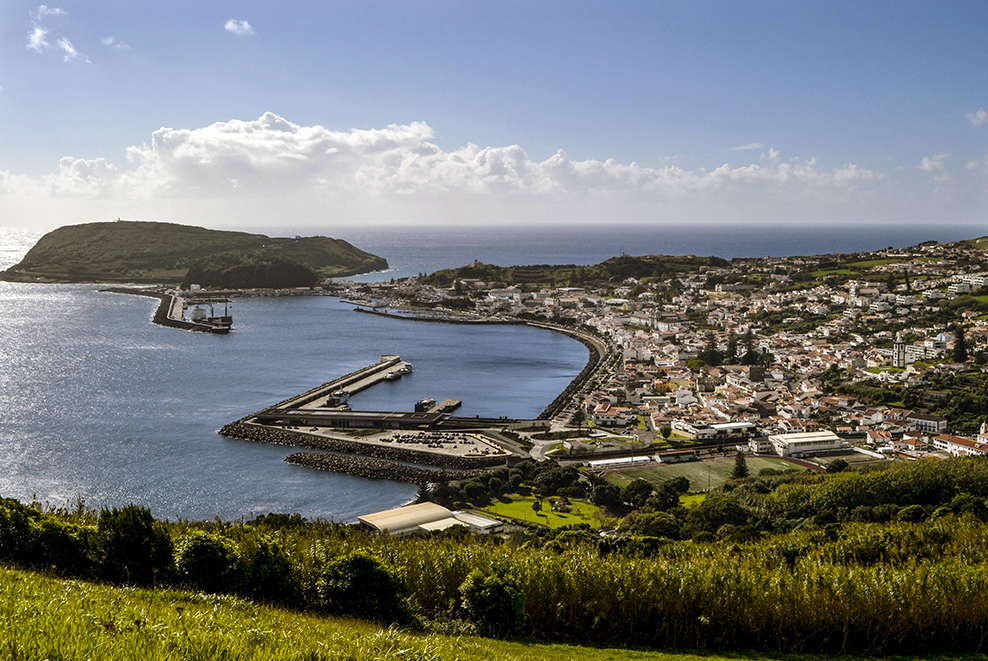
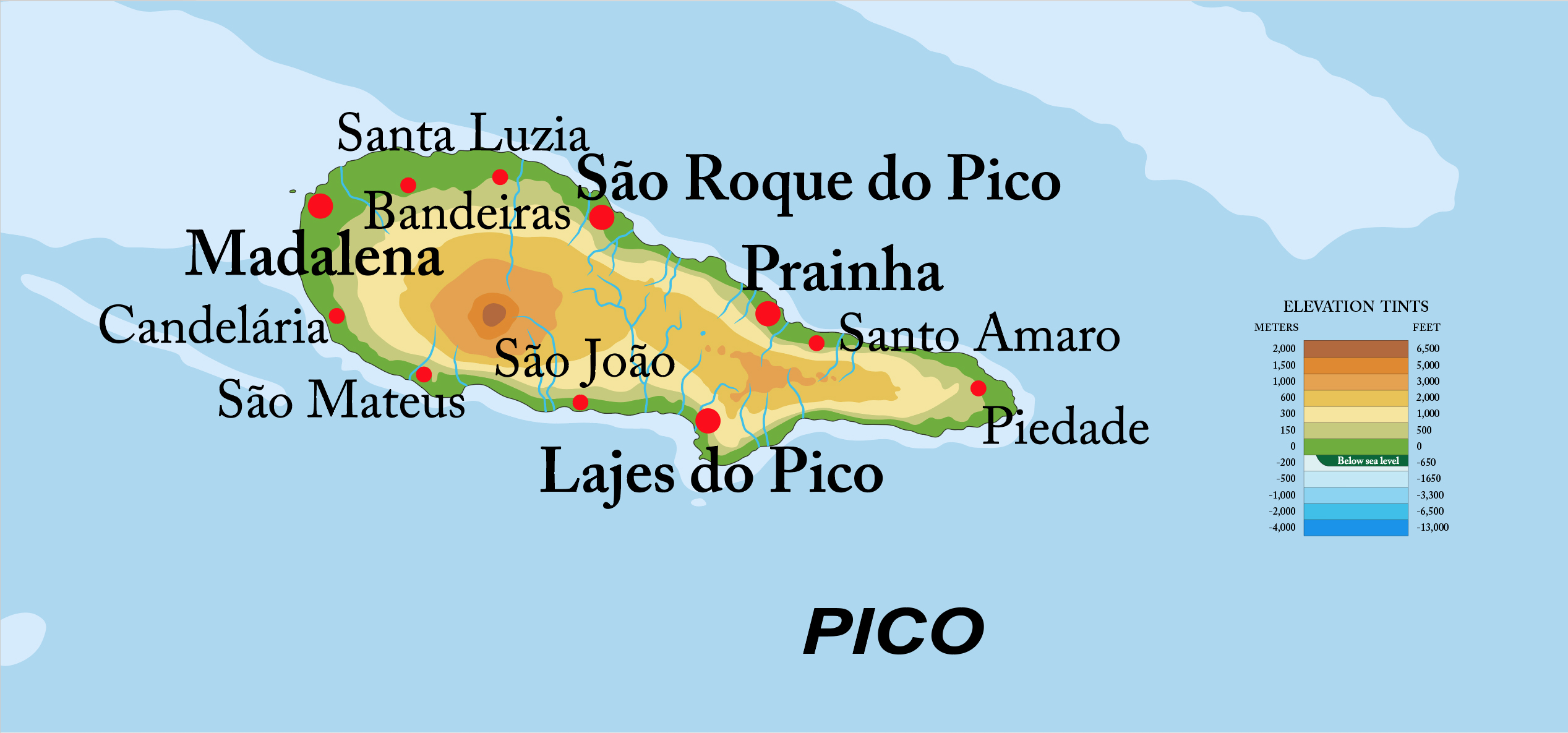
Pico’s towns and villages reflect the island’s deep connection to both agriculture and the Atlantic. Madalena, the island’s largest town, serves as the gateway for many visitors arriving by ferry from Faial. Its waterfront promenade, marina, cafés, and wine museums introduce visitors to Pico’s celebrated vineyard culture while offering spectacular views of Mount Pico rising behind the town.
On the southern coast, Lajes do Pico preserves the island’s maritime heritage. Once one of the Azores’ most important whaling centers, it is now home to the excellent Whalers Museum, where visitors can learn about the courage, hardship, and traditions of the men who once ventured into the Atlantic in small wooden boats. Today, the harbor welcomes whale-watching vessels rather than whaling crews, reflecting the island’s evolving relationship with the sea.
Further west, São Roque do Pico combines historic churches, quiet streets, natural swimming areas, and scenic coastal views. It also provides access to several hiking trails and fascinating lava formations that reveal Pico’s volcanic origins.
Between these communities, small villages surrounded by vineyards, pastureland, and volcanic stone walls continue traditions that have shaped island life for centuries.
On Pico, every village tells part of the island’s remarkable story.
Along the Coast
The Atlantic is never far away on Pico.
Volcanic eruptions created a rugged coastline of black lava rock, dramatic cliffs, sheltered harbors, and natural swimming pools where crystal-clear ocean water fills ancient volcanic formations.
Throughout the island, seaside bathing areas provide safe places to swim while enjoying magnificent views of Mount Pico and neighboring islands. Many are equipped with changing facilities, picnic areas, and easy access to the water, making them popular gathering places during the summer months.
The coastline also preserves reminders of Pico’s maritime past. Historic whale lookout towers still stand on several headlands, where observers once scanned the horizon for signs of whales. Today, those same viewpoints are used to admire the ocean and support responsible whale-watching operations. Sunsets along Pico’s western coast are particularly memorable. As evening light reflects across the Atlantic, the mountain gradually changes color while neighboring Faial appears just beyond the channel.
Whether you’re exploring a quiet harbor, swimming in volcanic pools, or watching whales surface offshore, the sea remains at the heart of life on Pico.
Family Experiences
Pico offers families an unforgettable opportunity to experience nature together.
Children are fascinated by the island’s volcanic landscapes, whale-watching excursions, lava formations, and natural swimming pools, while parents appreciate the relaxed atmosphere and variety of outdoor activities suitable for every age.
Families can explore the UNESCO vineyard landscape, visit the Whalers Museum, enjoy gentle coastal walks, or spend an afternoon swimming in natural ocean pools. Boat excursions introduce children to dolphins, whales, and other marine wildlife while teaching the importance of protecting the Atlantic ecosystem.
For families with older children and teenagers, climbing Mount Pico can become an unforgettable shared adventure. Even those who choose not to reach the summit will find plenty of scenic viewpoints and shorter walks that showcase the island’s spectacular scenery.
Perhaps the greatest lesson Pico offers young visitors is one of resilience. It shows how generations transformed a landscape of volcanic rock into thriving vineyards, welcoming communities, and a place that continues to inspire everyone who visits.
Savor Pico
The cuisine of Pico reflects the island’s volcanic landscape, rich Atlantic waters, and generations of hardworking families who learned to make the most of what the island provided. Fresh seafood is at the heart of many local menus. Tuna, grouper, octopus, limpets (lapas), and other locally caught fish are prepared simply, allowing the quality of the ingredients to shine.
Along the waterfront, family-owned restaurants often feature the day’s catch, paired with locally grown vegetables and fresh bread.
Pico is equally celebrated for its beef and dairy products. Cattle graze on lush volcanic pastures throughout the island, producing excellent cheeses, butter, and high-quality beef that appear in many traditional dishes. Perhaps no product is more closely associated with Pico than its wine.
For centuries, families cultivated vineyards in fields of black lava stone, creating one of the world’s most remarkable wine-growing landscapes. During the 18th and 19th centuries, Pico’s Verdelho wines were prized throughout Europe and were famously exported to markets that included the Russian Imperial Court.
Today, local wineries continue this proud tradition, producing distinctive wines whose character reflects the island’s volcanic soil and Atlantic climate.
Visitors can tour vineyards, learn about traditional winemaking techniques, and enjoy tastings that celebrate one of the Azores’ most important cultural treasures. Save room for dessert. Traditional pastries, homemade jams, island honey, and fruit liqueurs provide a sweet ending to any meal.
Dining on Pico is about more than good food.
It’s about preserving traditions, celebrating local craftsmanship, and sharing stories around the table.
Local Favorite
Ask someone from Pico where they go when they want to appreciate the island’s beauty, and many will simply tell you to look up.
Not necessarily to the summit of Mount Pico—but toward it.
One favorite experience is driving the quiet roads that wind through the UNESCO vineyard landscape in the late afternoon. As the sun begins to lower, the black lava stone walls glow with warm light while the mountain rises in the distance, changing colors as clouds drift across its summit.
Stop at one of the small wineries, enjoy a glass of local Verdelho, and watch the light slowly fade across the vineyards.
It’s a peaceful moment that captures the spirit of Pico far better than any itinerary ever could.
Picture Perfect
Pico offers photographers some of the most dramatic landscapes in the Azores, where volcanic scenery, Atlantic views, and centuries-old vineyards create unforgettable images.
Best Sunrise
Mount Pico
Whether viewed from the summit or from the surrounding countryside, sunrise transforms Portugal’s highest mountain into one of the island’s most spectacular sights.
Best Sunset
Madalena Waterfront
As evening approaches, the setting sun casts golden light across the channel toward Faial while Mount Pico dominates the skyline behind the town.
The Classic View
UNESCO Vineyard Landscape
Rows of hand-built volcanic stone walls stretching toward the Atlantic create one of the Azores’ most iconic and distinctive landscapes.
Worth the Short Walk
Gruta das Torres
Portugal’s longest lava tube offers fascinating opportunities to photograph volcanic formations shaped thousands of years ago.
Most Peaceful Spot
Lagoa do Capitão
On calm days, the mountain is beautifully reflected in the still waters of this peaceful highland lake, creating one of Pico’s most photographed scenes.
Best Coastal View
Lajes do Pico
Fishing boats, historic whale boats, and sweeping Atlantic views combine to tell the story of Pico’s enduring relationship with the sea.
Returning Home:
Reconnecting with Your Azorean Heritage
For countless families throughout North America and beyond, Pico remains a place of deep personal significance.
Generations of Pico residents left the island in search of new opportunities, taking with them stories of volcanic vineyards, whaling communities, family traditions, and the mountain that watched over everyday life. Today, many of their children and grandchildren return to reconnect with those roots.
Walking through a quiet village, visiting the parish church where an ancestor was baptized, or seeing your family name in a local cemetery can be an emotional experience. For many visitors, these moments create a connection that extends far beyond historical records.
If you’re researching your family history, begin with your family’s freguesia (parish). Parish churches and municipal archives preserve valuable records, while local museums help explain how earlier generations lived and worked. The Whalers Museum offers important insight into the lives of many Pico families whose livelihoods depended on the sea, while the vineyard landscape tells another story of perseverance and ingenuity.
Even if your ancestors came from another island, Pico offers lessons that resonate throughout the Azores. It is a place where determination transformed volcanic rock into fertile vineyards, where communities adapted to challenging landscapes, and where traditions continue to be celebrated with quiet pride.
For many visitors, Pico feels less like a place they discovered…
…and more like a place they were always meant to visit.
Festivals & Traditions
One of the best ways to experience Pico is to visit during one of its festivals.
Throughout the year, towns and villages celebrate the island’s faith, maritime heritage, vineyards, music, and close-knit communities. Church bells ring across the countryside, brass bands lead colorful processions, neighbors gather around long tables, and returning families reconnect with the traditions that have shaped island life for generations.
For many Azoreans living abroad, these celebrations are more than annual events—they’re an opportunity to come home. Whether you arrive for a major summer festival or a small village celebration, you’ll experience the warmth and hospitality that define Pico.
Semana dos Baleeiros (Whalers Week) in Lajes do Pico
Season: Summer
Several coastal communities host celebrations honoring Pico’s long relationship with the Atlantic. These festivals recognize the island’s fishing traditions, maritime history, and the generations of families whose lives were shaped by the sea. Today, they focus on preserving local heritage through music, food, cultural demonstrations, and community gatherings.
What You'll Experience
Travel Tip: Visit one of Pico’s maritime museums before attending a local festival to better understand the island’s deep connection to the sea.
Festa da Madalena
Season: July
The Festa da Madalena is the island’s largest municipal celebration and one of Pico’s most anticipated annual events. Centered in the town of Madalena, the festival combines live music, cultural performances, exhibitions, sporting events, local cuisine, artisan markets, and family activities.
Residents from across the island gather to celebrate their community while welcoming visitors from neighboring islands and around the world.
Although modern entertainment plays an important role, the festival also reflects Pico’s strong traditions, bringing together generations who continue to celebrate the island’s culture with pride.
What You'll Experience
Travel Tip: If you’re staying in Madalena during the festival, book accommodations well in advance, as it is one of the busiest weeks of the year.
Festas do Espírito Santo (Holy Spirit Festivals)
Season: Spring through Early Summer
Like every island in the Azores, Pico celebrates the Festas do Espírito Santo, one of the region’s most cherished traditions. Villages across the island honor the Holy Spirit with beautifully decorated Impérios, religious processions, brass bands, community meals, and ceremonies centered on generosity, gratitude, and caring for others.
For many emigrant families, returning home for these celebrations is an annual tradition that strengthens family ties and preserves cultural heritage.
What You'll Experience
Travel Tip: Visitors are warmly welcomed. Respect the religious significance of the celebrations while enjoying the community atmosphere.
Festa das Vindimas (Wine Harvest Festival)
Season: September
Each autumn, Pico celebrates the grape harvest with the Festa das Vindimas, honoring a winemaking tradition that has shaped the island for centuries. Held during the harvest season, the festival showcases Pico’s renowned vineyards, many of which are part of the UNESCO World Heritage Landscape of the Pico Island Vineyard Culture.
Visitors can experience wine tastings, vineyard tours, traditional grape harvesting demonstrations, local cuisine, live music, folklore performances, and cultural exhibitions that celebrate the island’s rich agricultural heritage. It’s a wonderful opportunity to learn how generations of Pico families transformed volcanic rock into one of Portugal’s most distinctive wine-producing regions.
What You'll Experience
Travel Tip: September is one of the best times to visit Pico. The vineyards are at their most beautiful, temperatures remain pleasant, and many wineries offer special harvest experiences and tastings.
Christmas & Easter Traditions
Christmas and Easter remain deeply rooted in Pico’s communities.
Churches throughout the island celebrate special liturgies, choirs perform seasonal music, and families gather around tables filled with traditional recipes. Holy Week processions and Christmas celebrations continue customs that have been passed from one generation to the next, offering visitors a meaningful glimpse into everyday island life.
Planning Your Visit
Festival dates vary from year to year, particularly religious celebrations that follow the liturgical calendar.
If you’re planning to visit during a specific festival, check the official municipal calendar or local tourism office before making travel arrangements.
The island’s largest celebrations and wine harvest events attract visitors from across the Azores and around the world, so accommodations should be reserved well in advance.
Frequently Asked Questions
How many days should I spend on Pico?
Four to six days gives you enough time to explore the island’s vineyards, coastal villages, museums, hiking trails, and whale-watching opportunities while enjoying its relaxed pace.
Is climbing Mount Pico difficult?
The climb is considered moderately to highly challenging and requires good physical fitness. Guided climbs are recommended, especially for first-time visitors.
What is Pico best known for?
Pico is famous for Mount Pico, its UNESCO World Heritage vineyard landscape, world-class whale watching, volcanic scenery, and rich maritime heritage.
Is Pico good for whale watching?
Yes. Pico is considered one of Europe’s premier whale-watching destinations, with opportunities to see sperm whales, dolphins, and several migratory whale species throughout the year.
Do I need a rental car?
Yes. Renting a car is the easiest way to explore the island’s vineyards, villages, scenic viewpoints, hiking trails, and coastal attractions.
Is Pico family-friendly?
Absolutely. Families enjoy whale watching, museums, natural swimming areas, scenic drives, and easy walks through the vineyard landscape. Older children and teens may also enjoy climbing Mount Pico with a certified guide.
Is English widely spoken?
English is commonly spoken in hotels, restaurants, wineries, and tourism-related businesses. Learning a few Portuguese greetings is always appreciated by local residents.
Until Next Time...
Some islands are remembered for their landmarks.
Pico is remembered for its presence.
Perhaps you’ll remember standing among centuries-old vineyards built from volcanic stone, watching whales surface beyond the coastline, or looking up at the mountain as clouds drift across its summit.
Or perhaps your favorite memory will be sharing a meal with local wine, listening to stories in a small fishing village, or discovering how generations transformed a rugged volcanic landscape into a thriving community.
That’s the spirit of Pico.
A place where determination, tradition, and nature exist in remarkable harmony.
Whether you’ve climbed Portugal’s highest mountain or simply admired it from below, we hope Pico leaves you with a deeper appreciation for the people who have called this extraordinary island home.
Every island tells its own story. We hope you’ll discover them all.
Explore the Other Azores Islands
Every island in the Azores offers its own landscapes, traditions, and unforgettable experiences. While Pico is often the first stop for many travelers, it’s only the beginning of the journey.
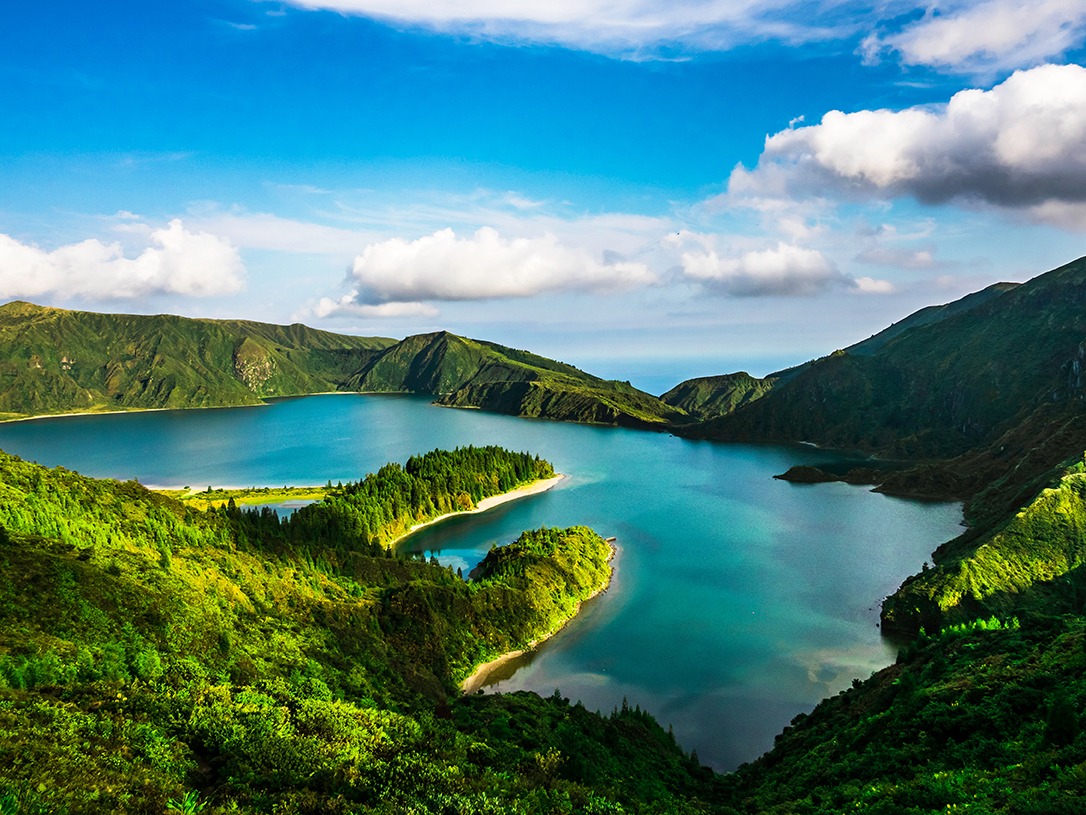
São Miguel
Known as the Green Island, São Miguel is famous for its volcanic crater lakes, geothermal hot springs, lush landscapes, tea plantations, and charming towns. As the largest island in the Azores, it offers the perfect blend of natural beauty, adventure, and local culture.
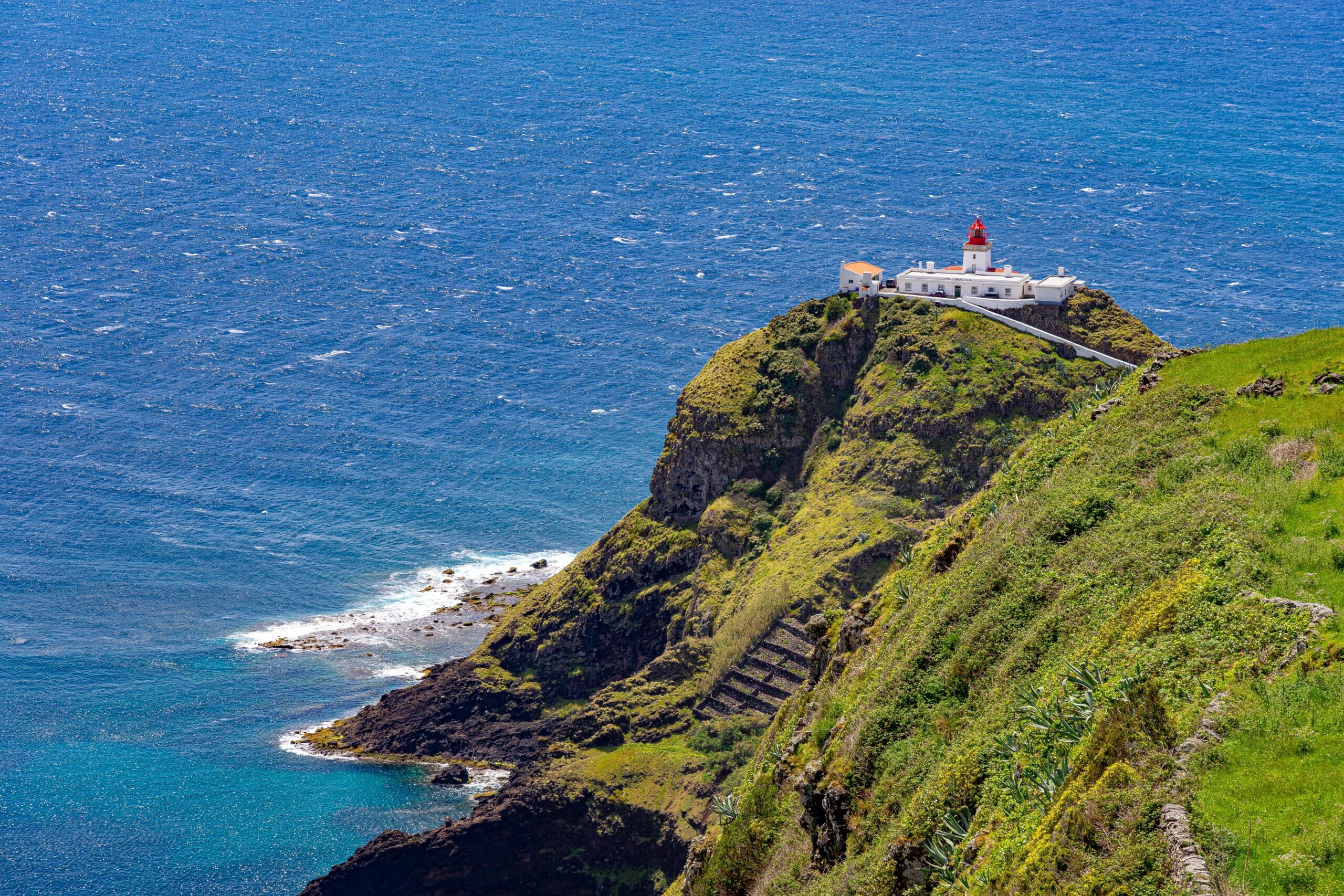
Santa Maria
Known as the Island of the Sun, Santa Maria is famous for its golden sandy beaches, warm climate, fossil-rich coastline, and relaxed pace of life. It’s the perfect destination for visitors looking to unwind while enjoying one of the oldest islands in the archipelago.
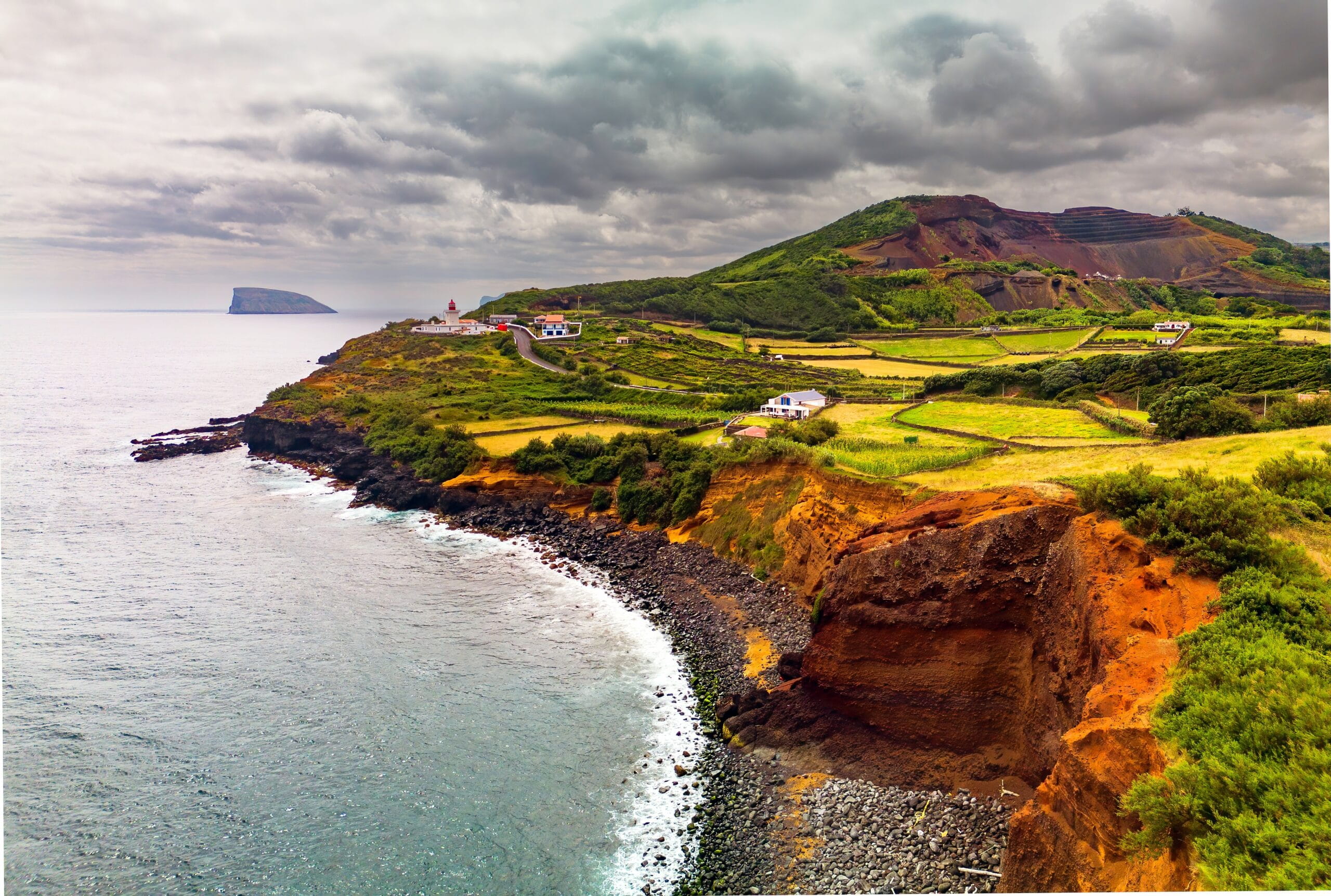
Terceira
A UNESCO World Heritage city, colorful festivals, lively traditions, and centuries of history make Terceira one of the cultural hearts of the Azores. From Angra do Heroísmo to the island’s famous Sanjoaninas celebrations, Terceira is rich in heritage and community spirit.
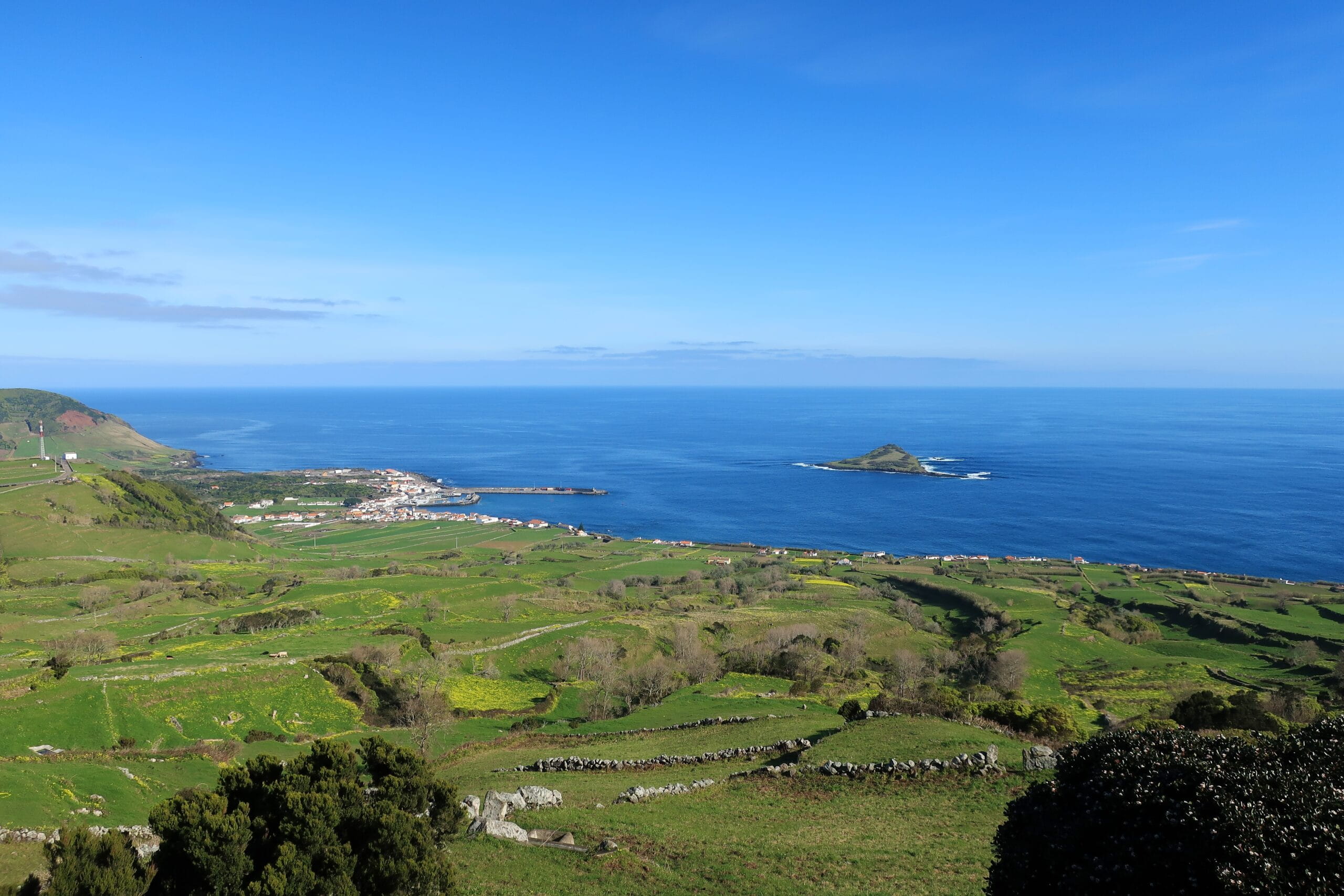
Graciosa
Peaceful, welcoming, and wonderfully unhurried, Graciosa is known for its whitewashed villages, traditional windmills, vineyards, and the remarkable Furna do Enxofre volcanic cave. It’s an island where quiet moments become lasting memories.
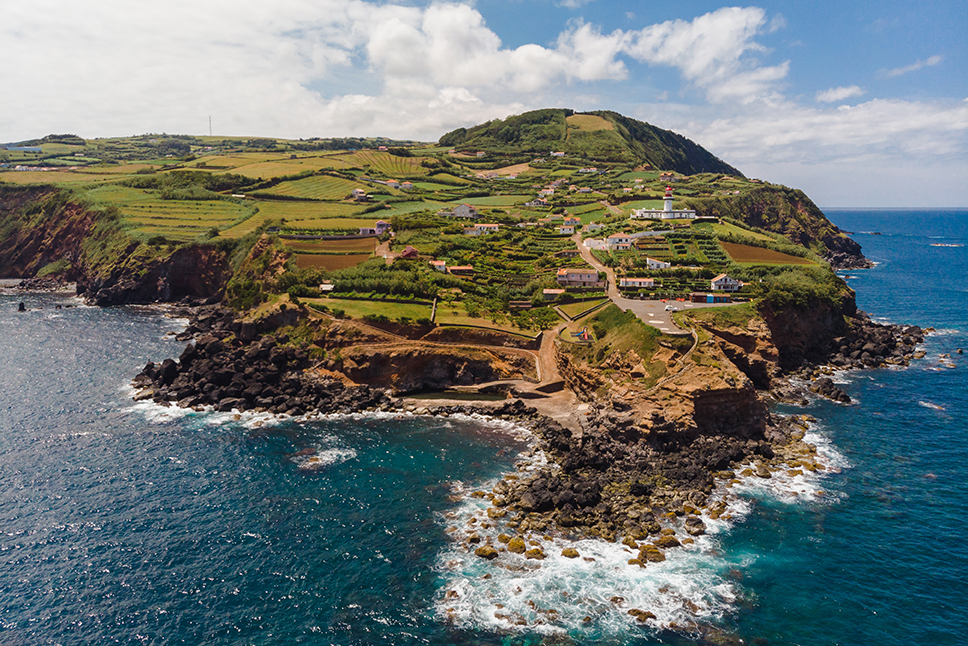
São Jorge
Steep cliffs, dramatic fajãs, scenic hiking trails, and the island’s world-famous cheese define São Jorge. Nature lovers and outdoor enthusiasts will discover breathtaking landscapes unlike anywhere else in the Azores.
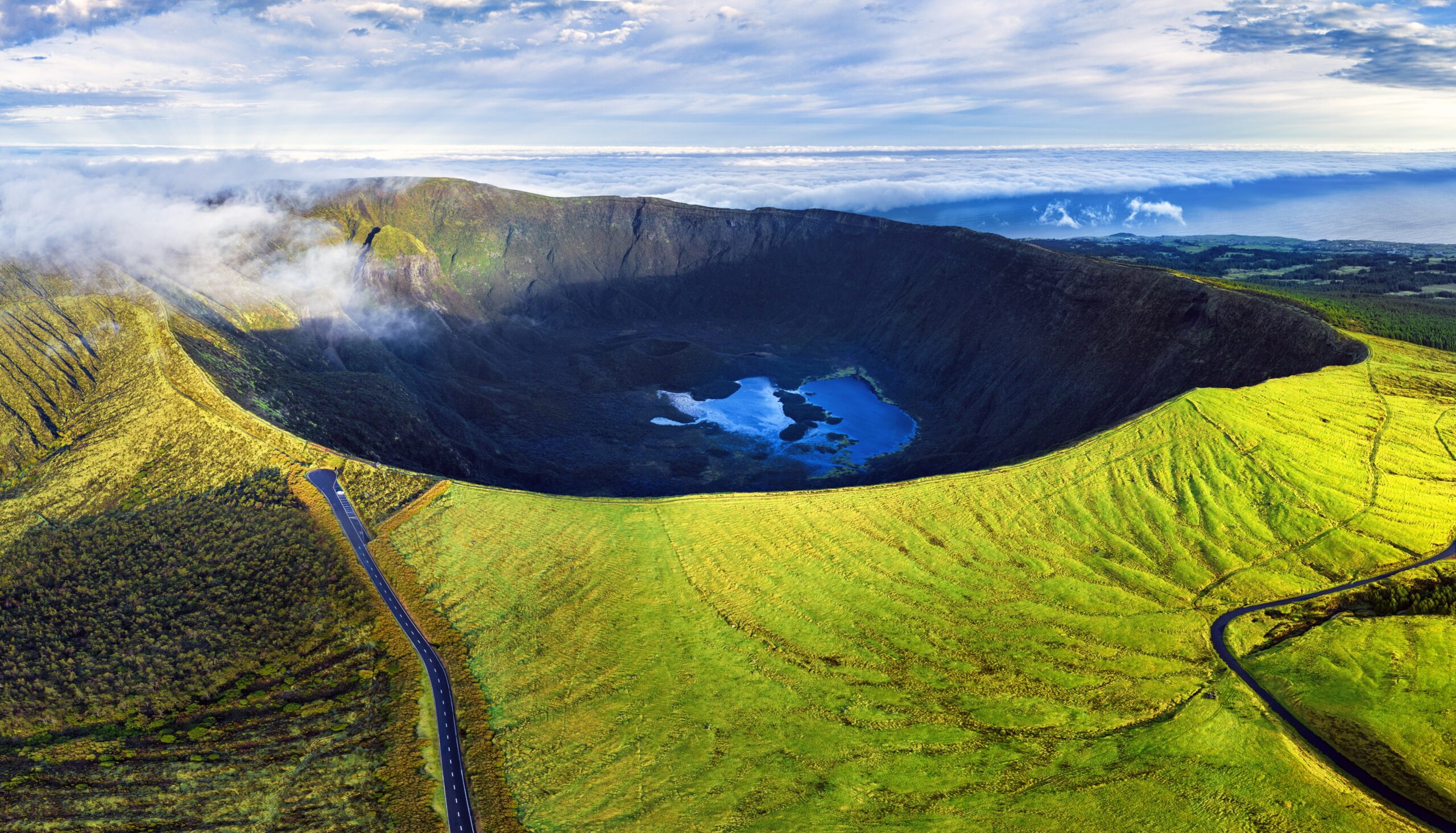
Faial
Known as the Blue Island, Faial welcomes sailors from around the world to the historic marina in Horta. Visitors also come to explore the dramatic Capelinhos Volcano, walk the rim of the Caldeira, and enjoy spectacular views of neighboring Pico.
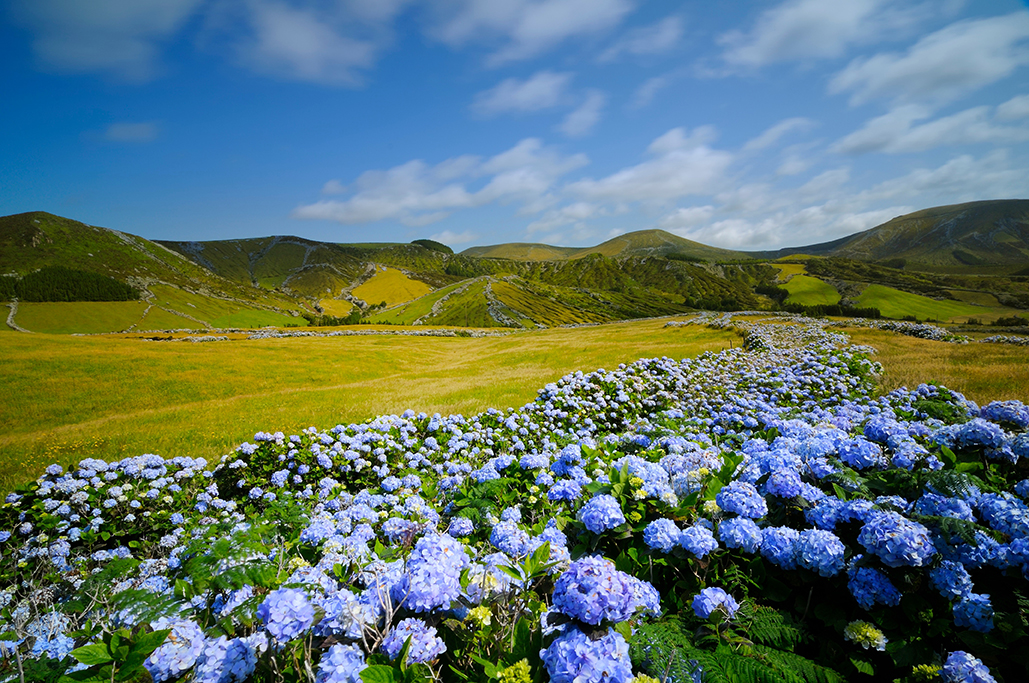
Flores
Often considered one of Europe’s most beautiful islands, Flores is a paradise of waterfalls, crater lakes, lush valleys, and dramatic cliffs. Nature is never far away, making every drive and every hike unforgettable.
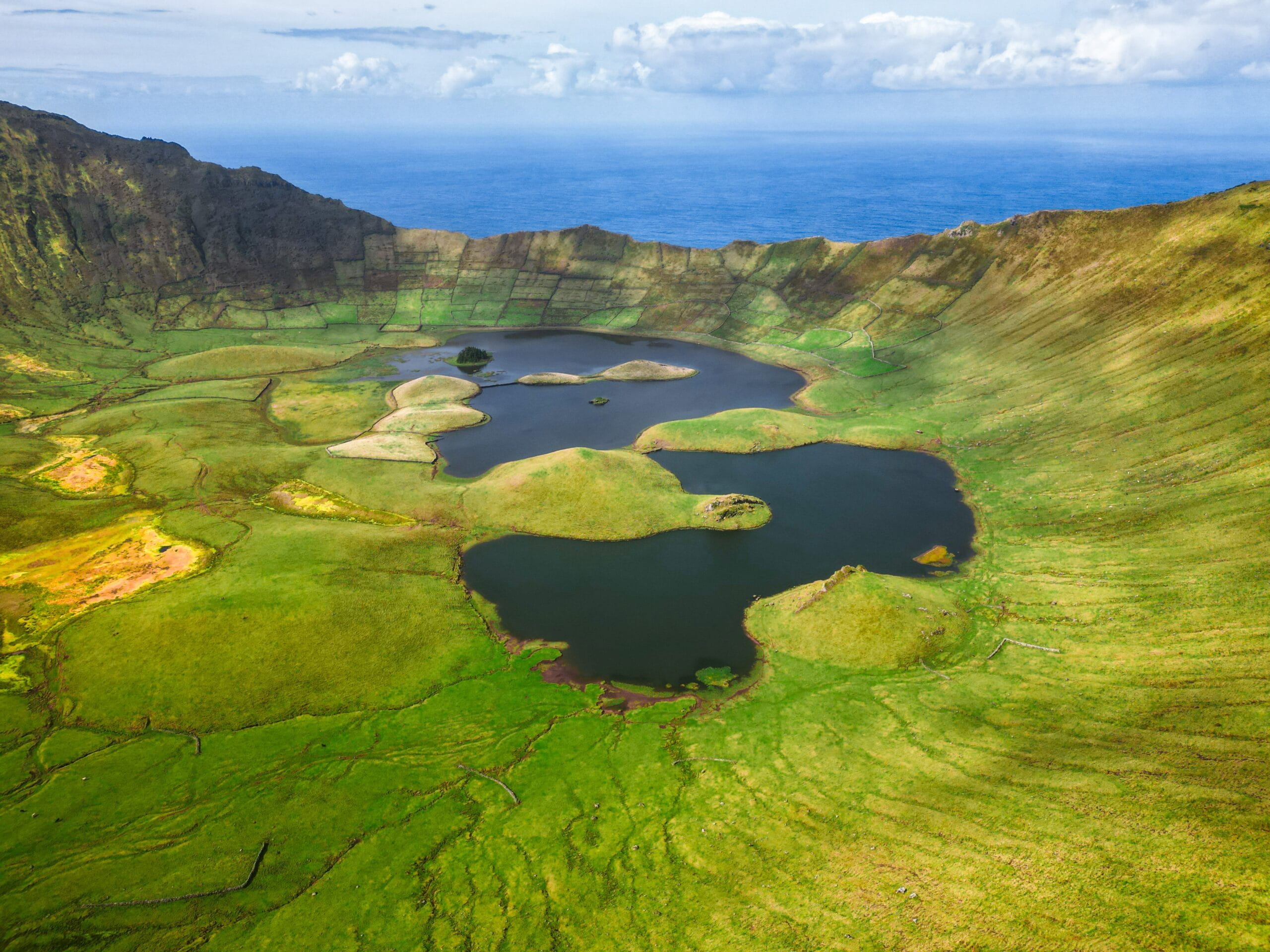
Corvo
The smallest island in the Azores offers one of its greatest rewards—peace. Home to a single village and the spectacular Caldeirão volcanic crater, Corvo invites visitors to slow down and experience island life at its simplest and most authentic.