Discover Flores, Azores
Where Water Shapes the Landscape
Welcome to Flores
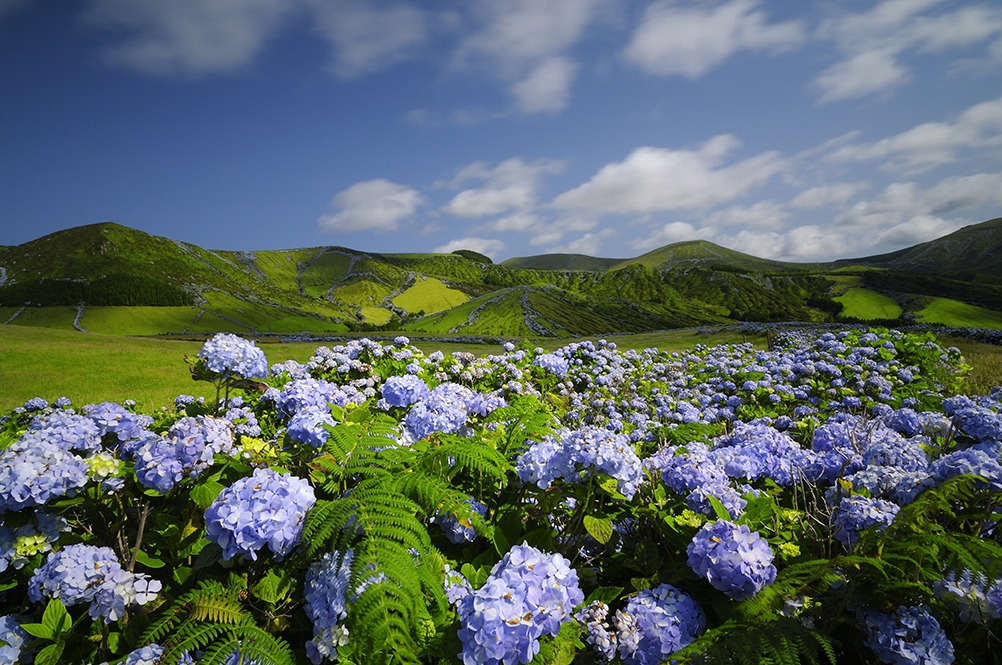
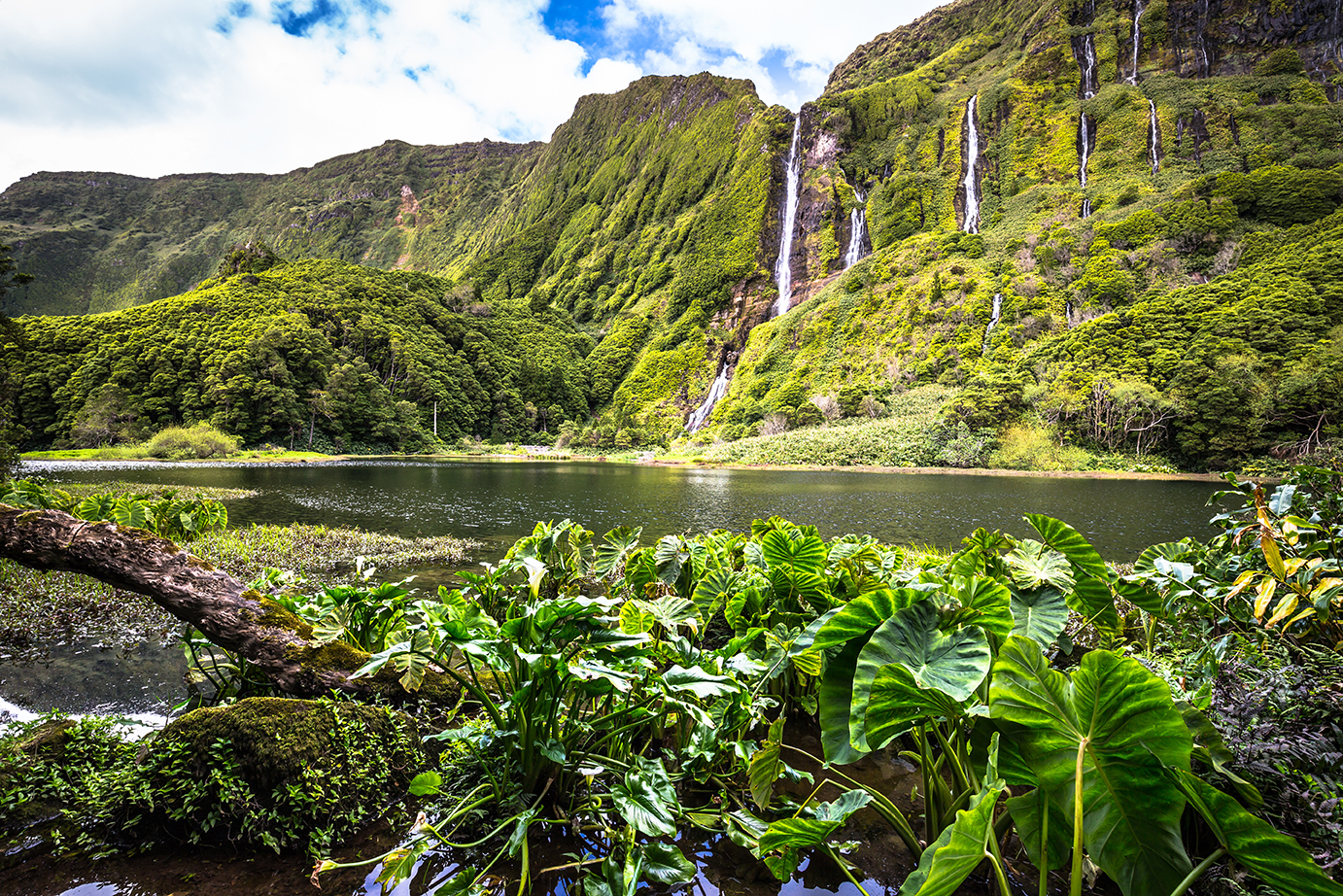
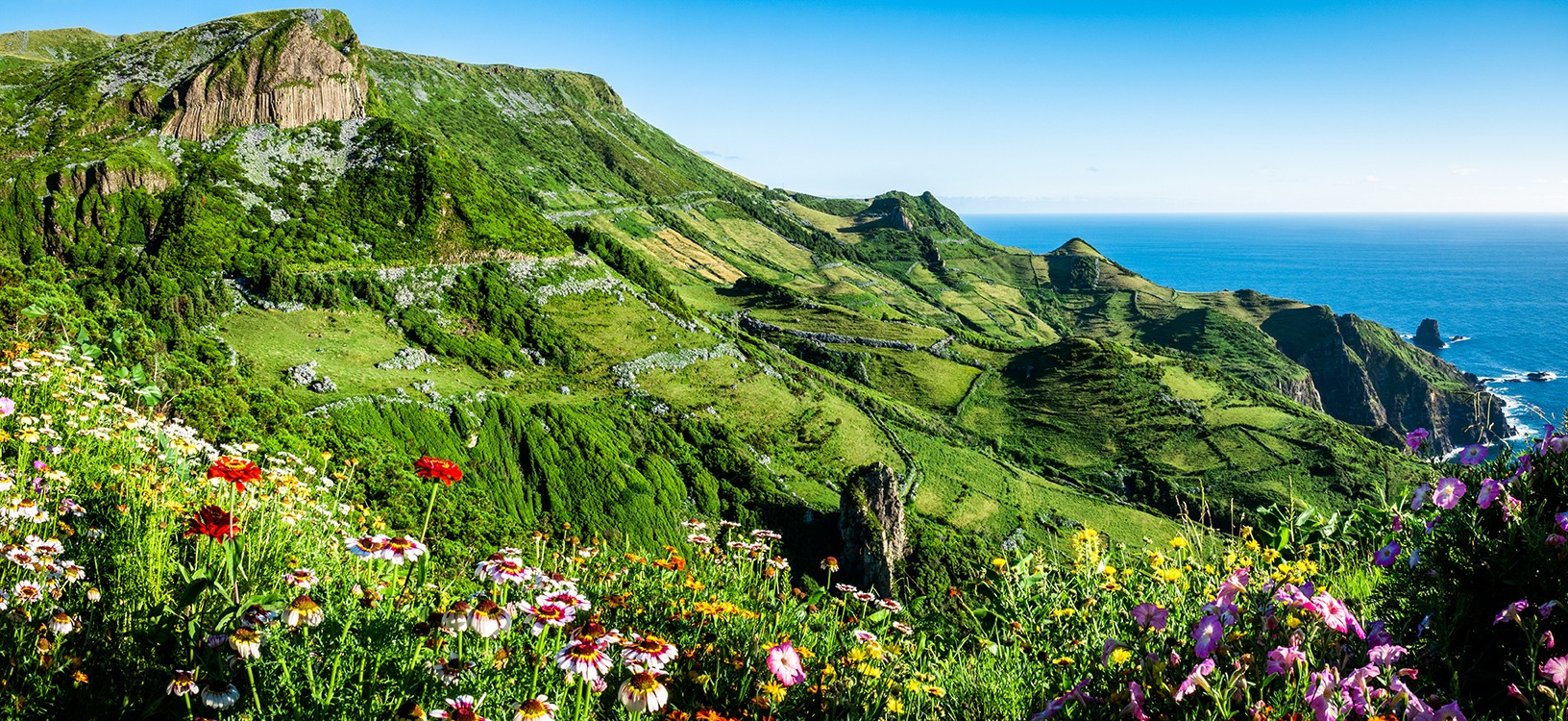
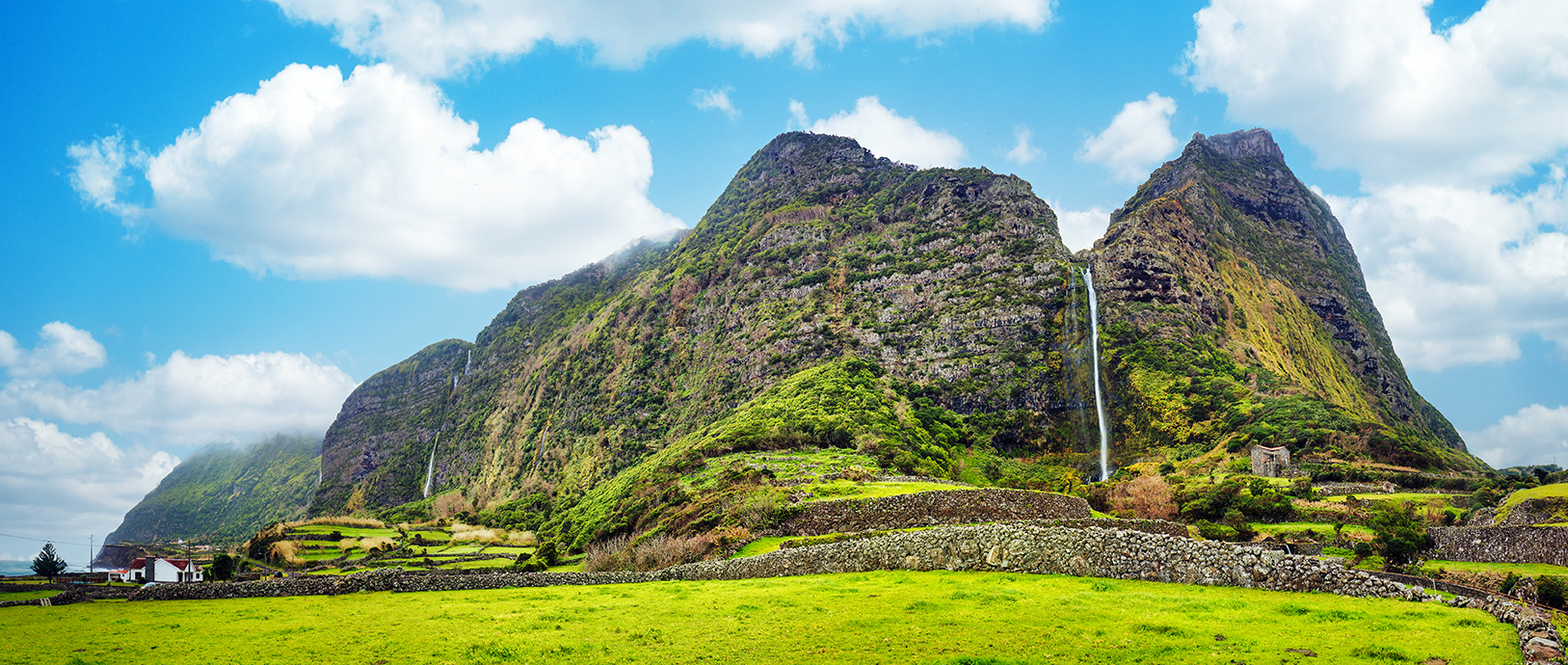
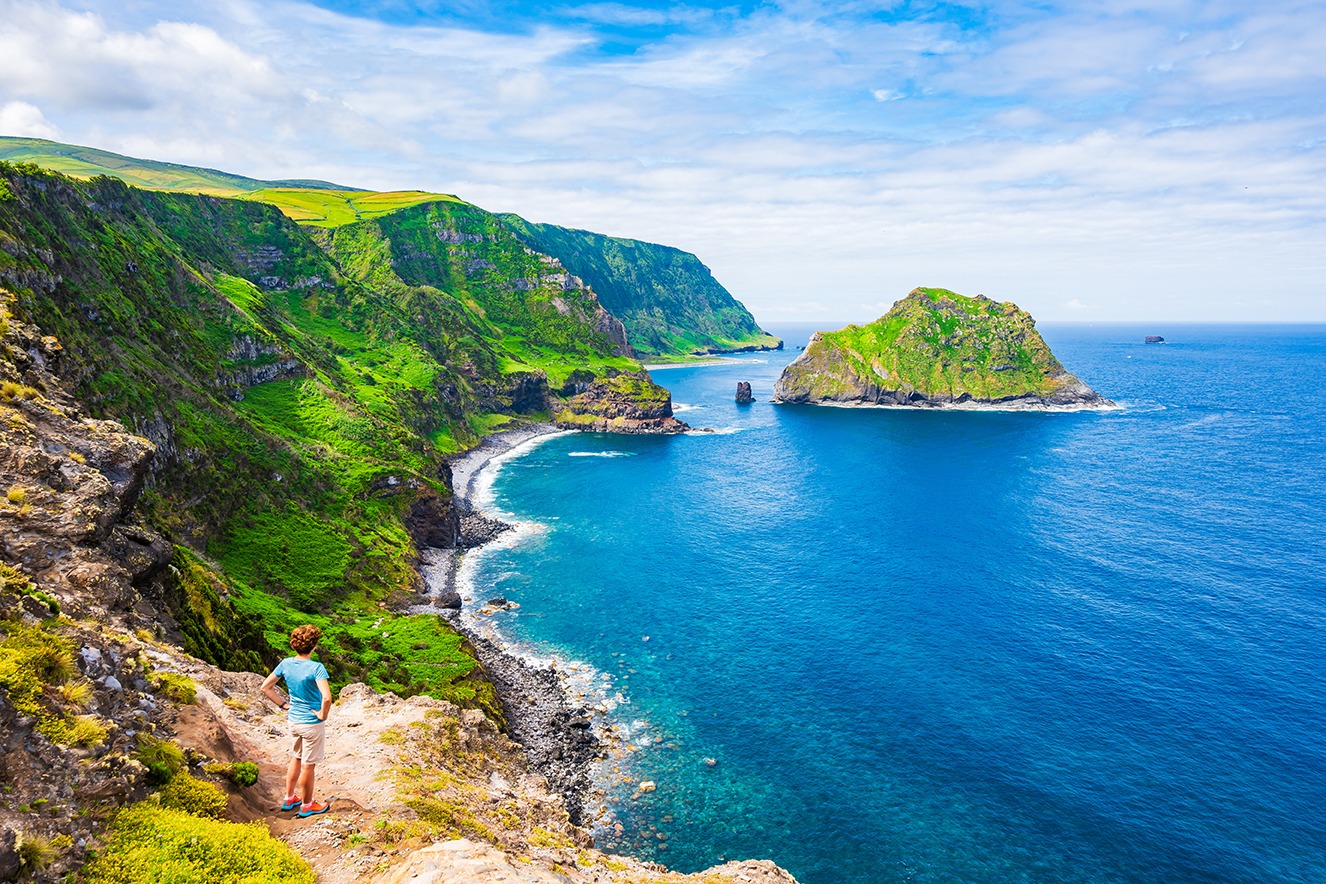
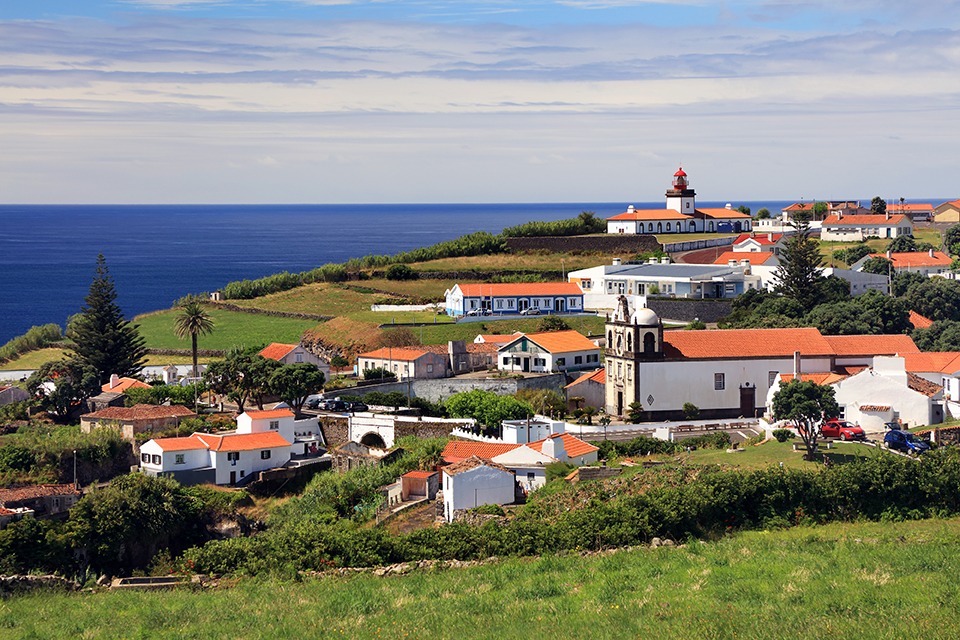
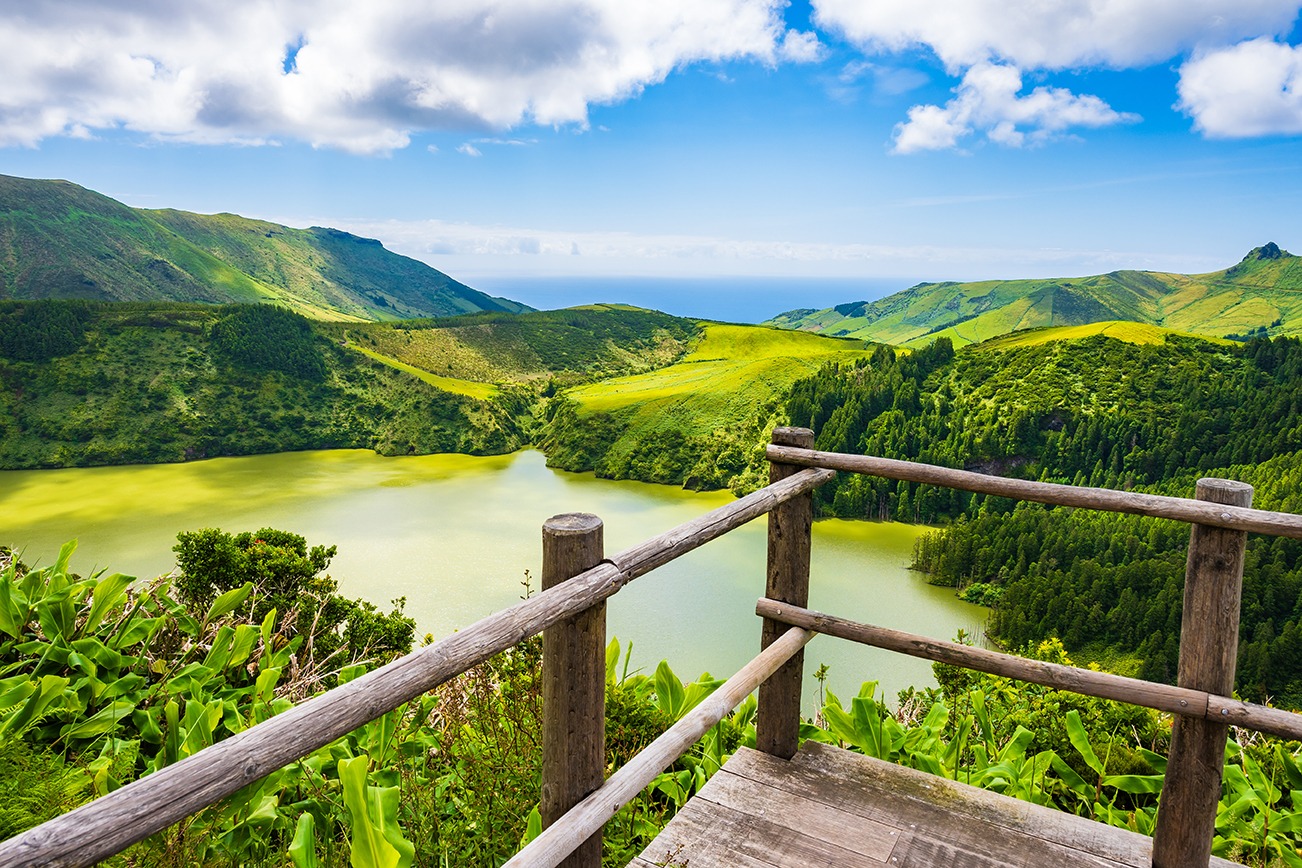
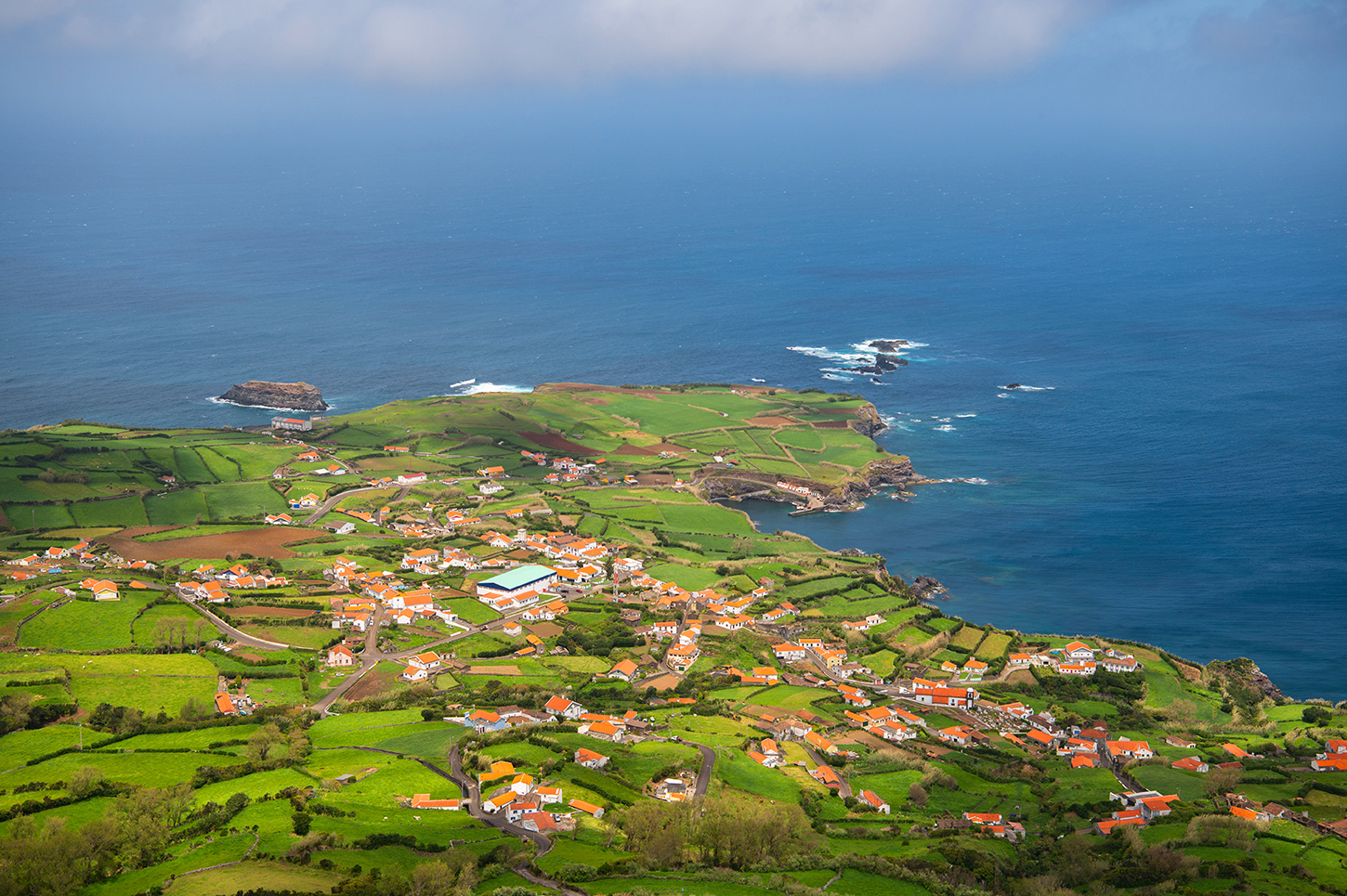
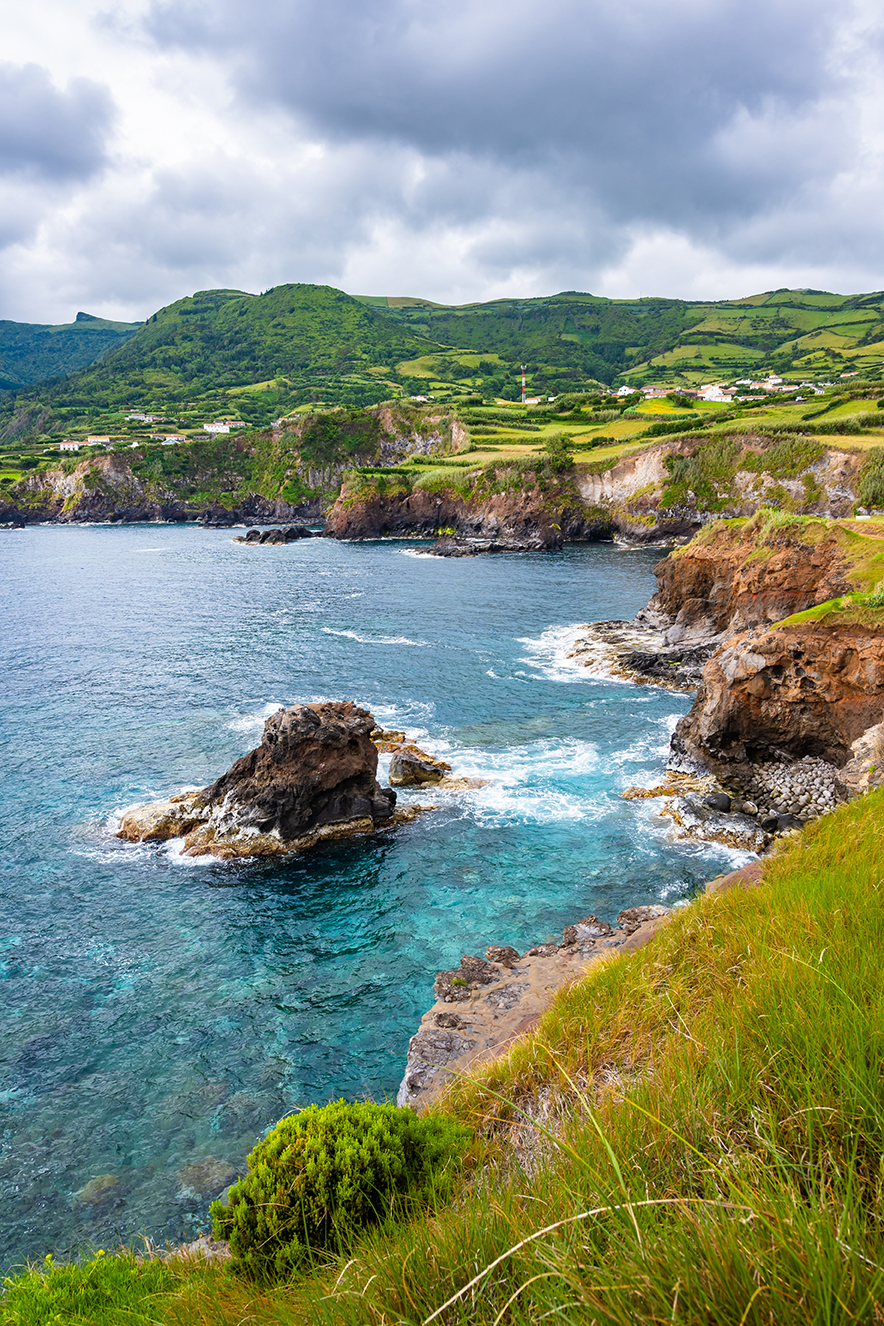
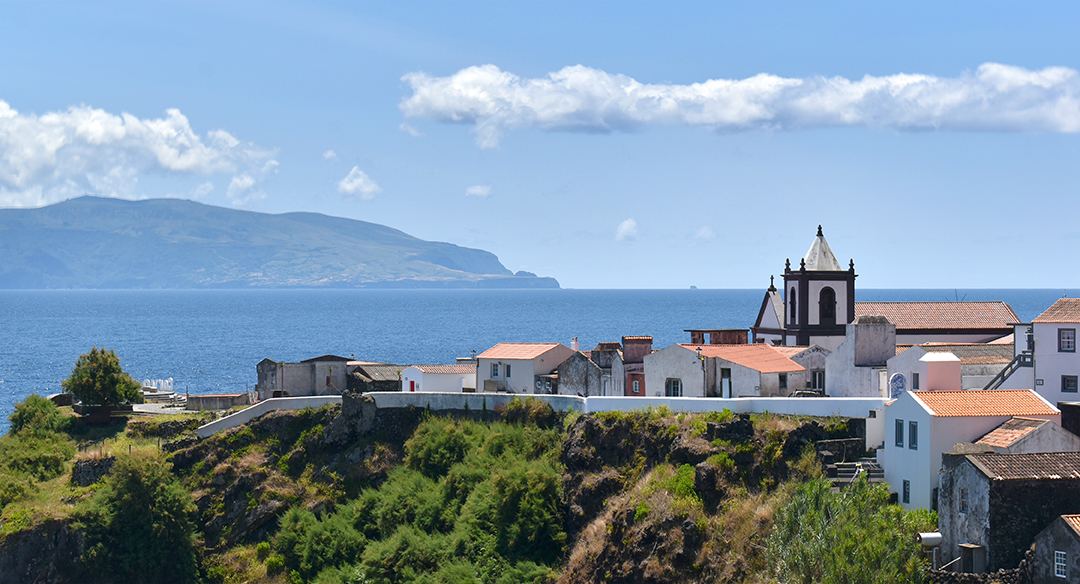
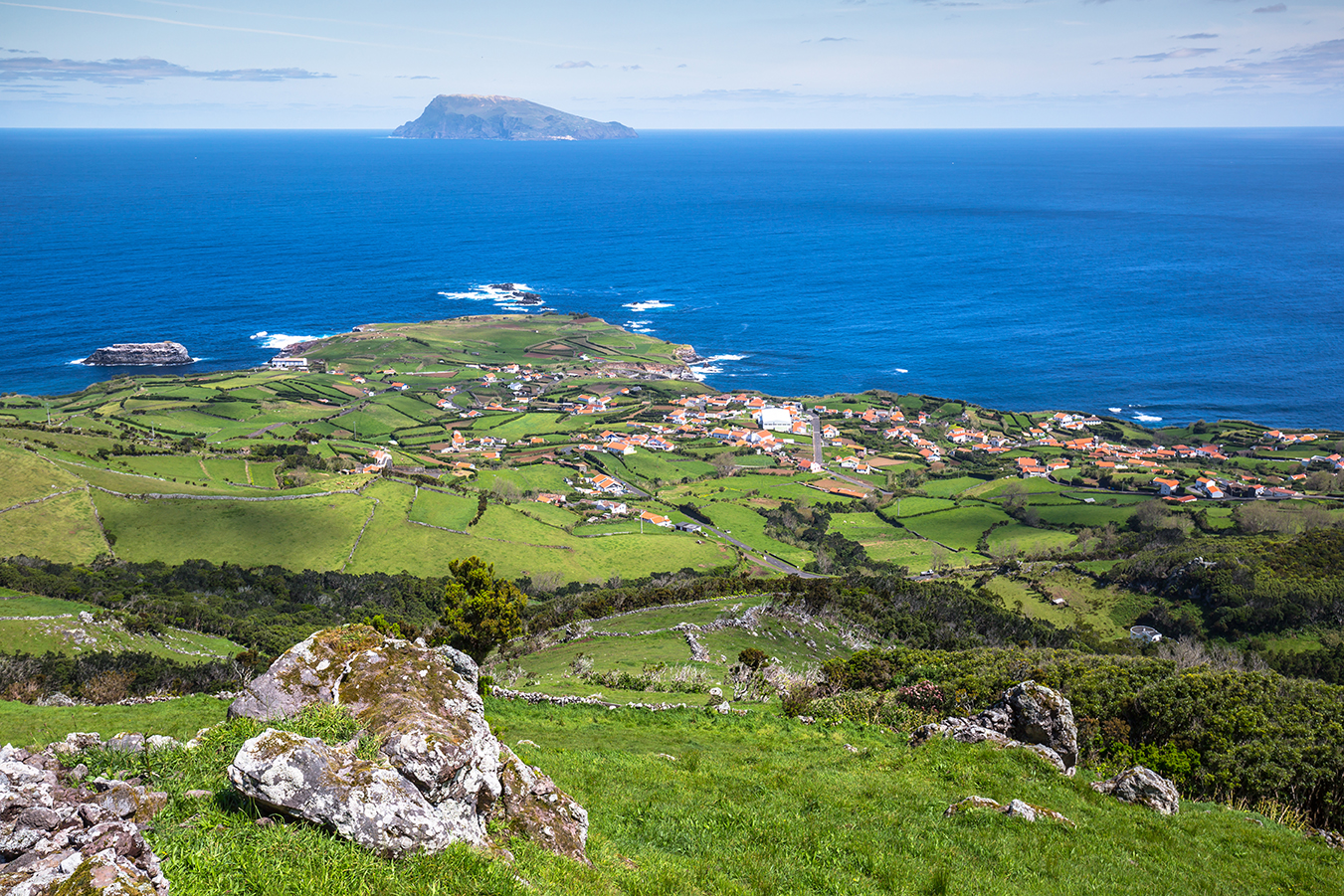
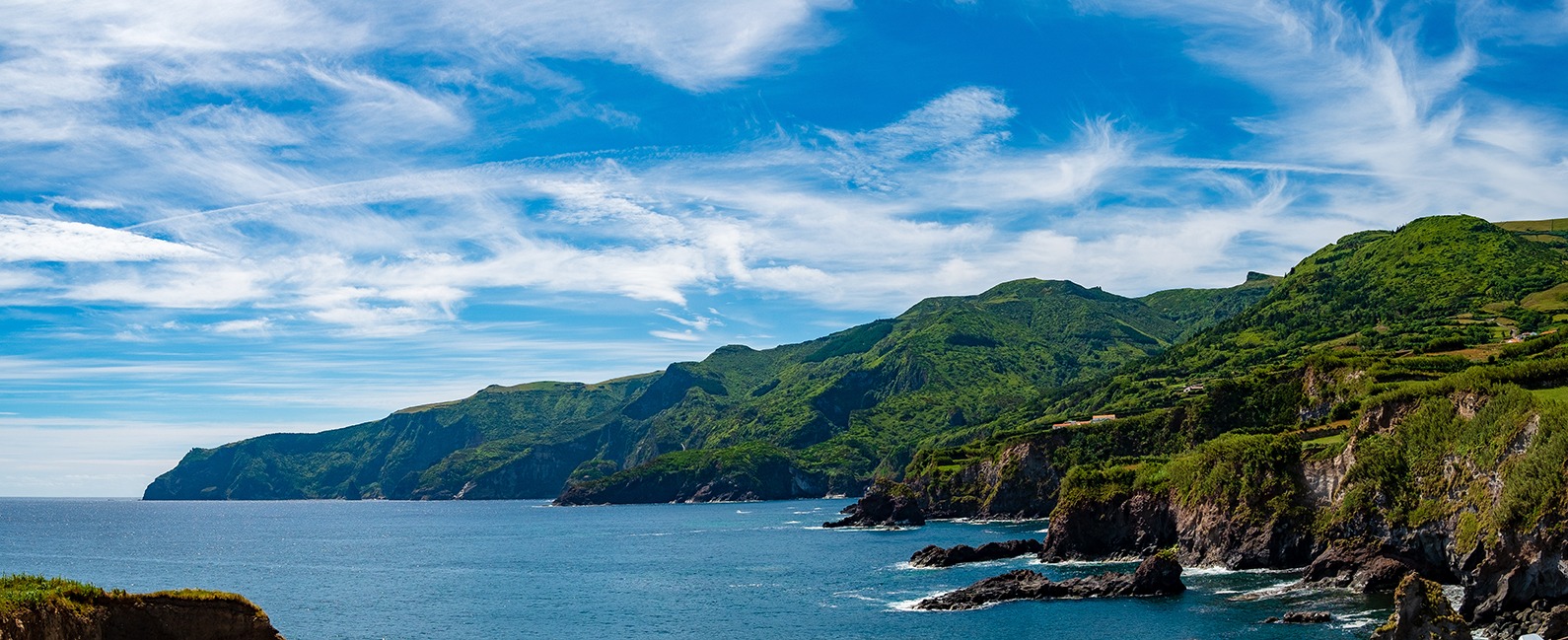
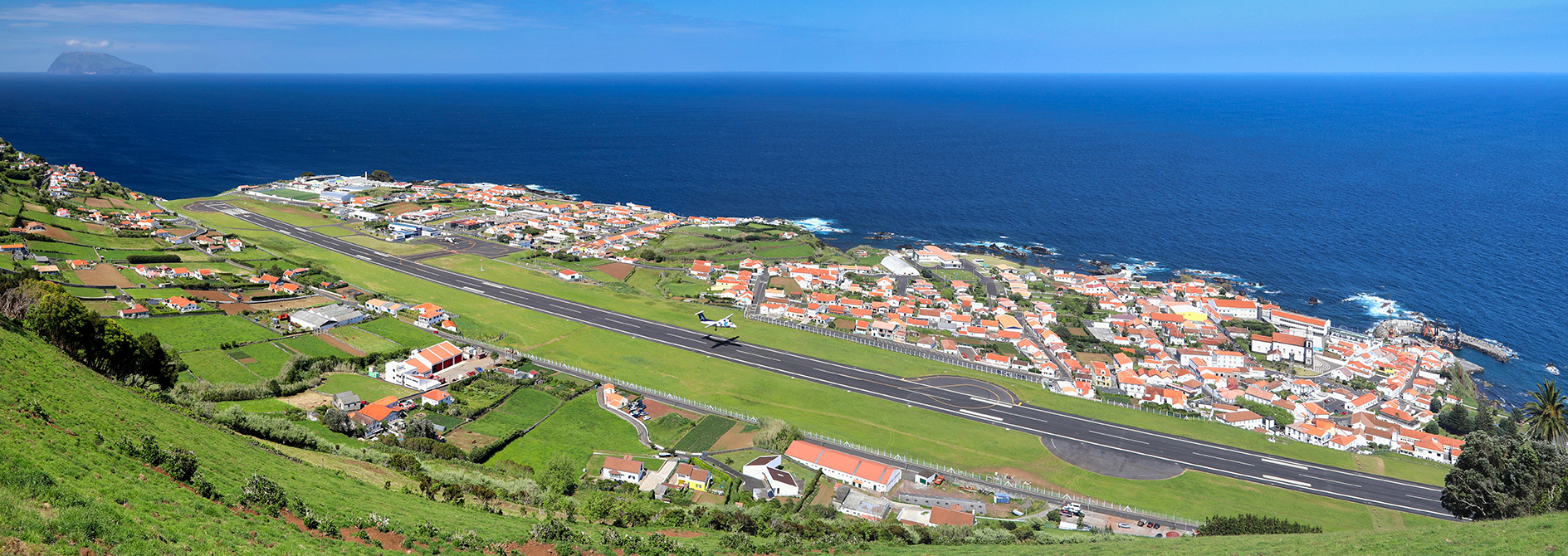
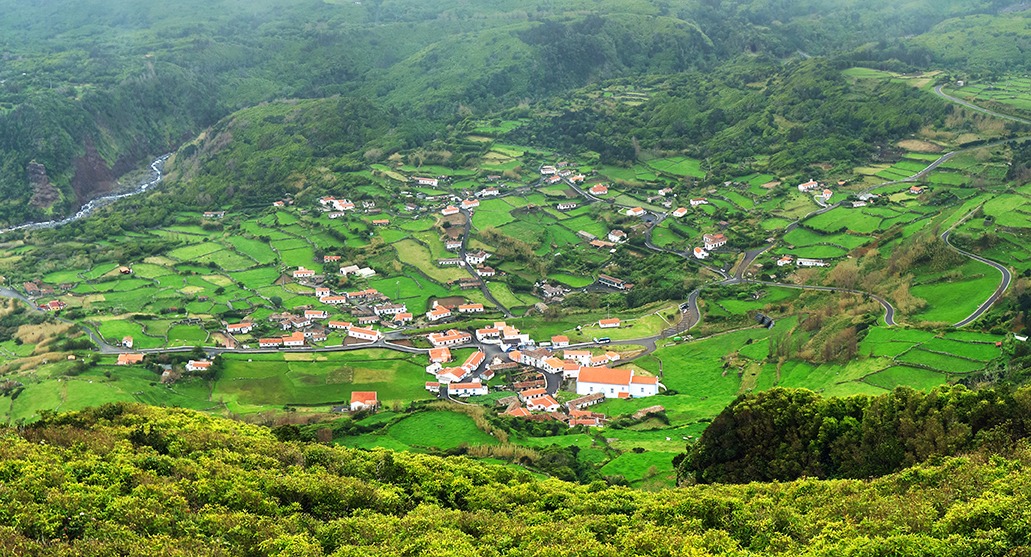
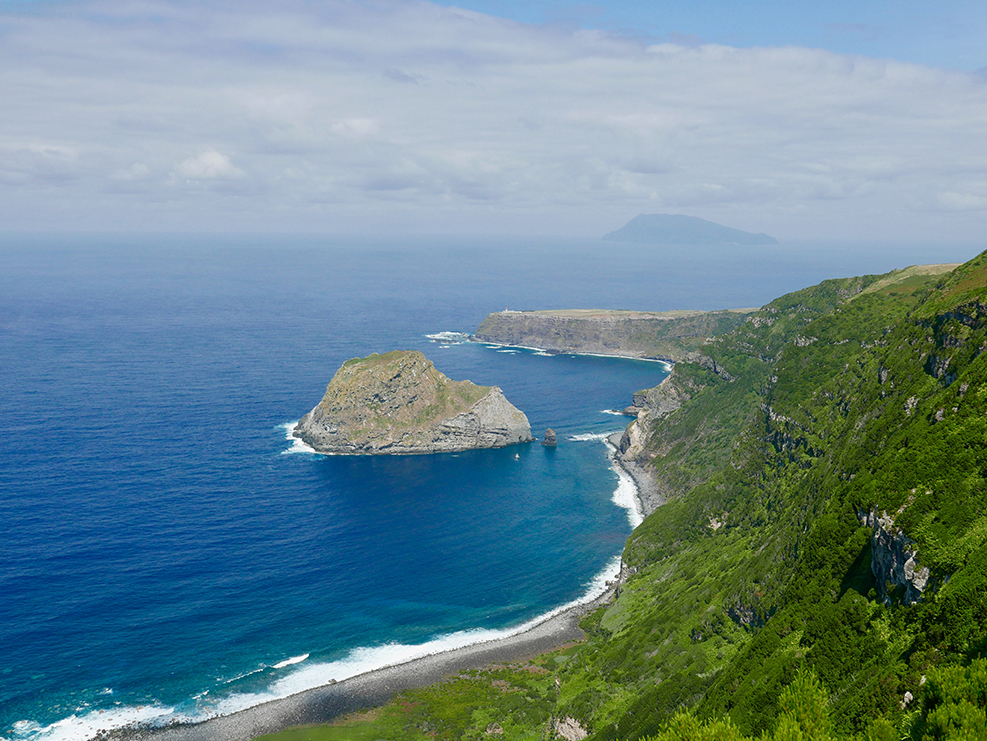
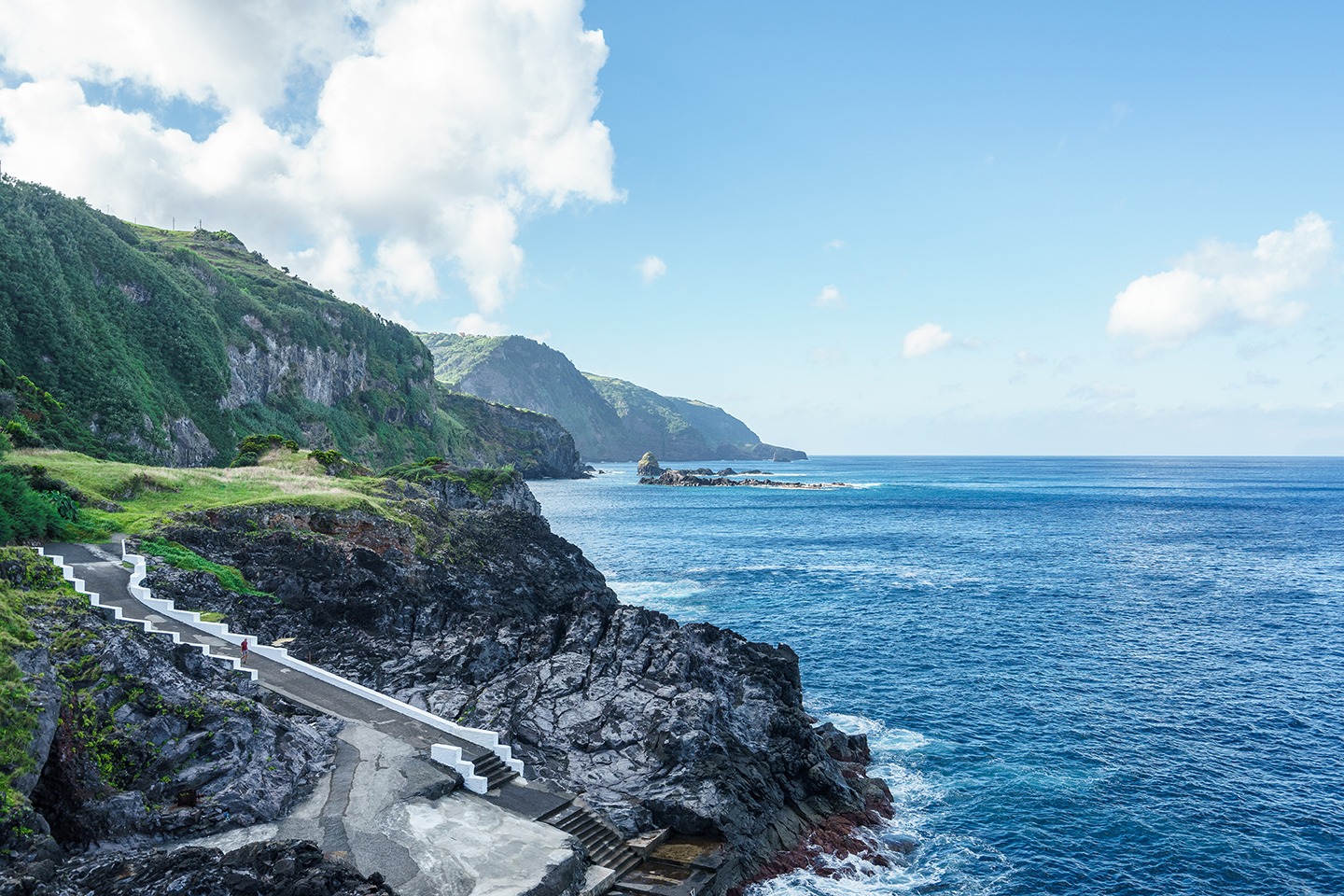
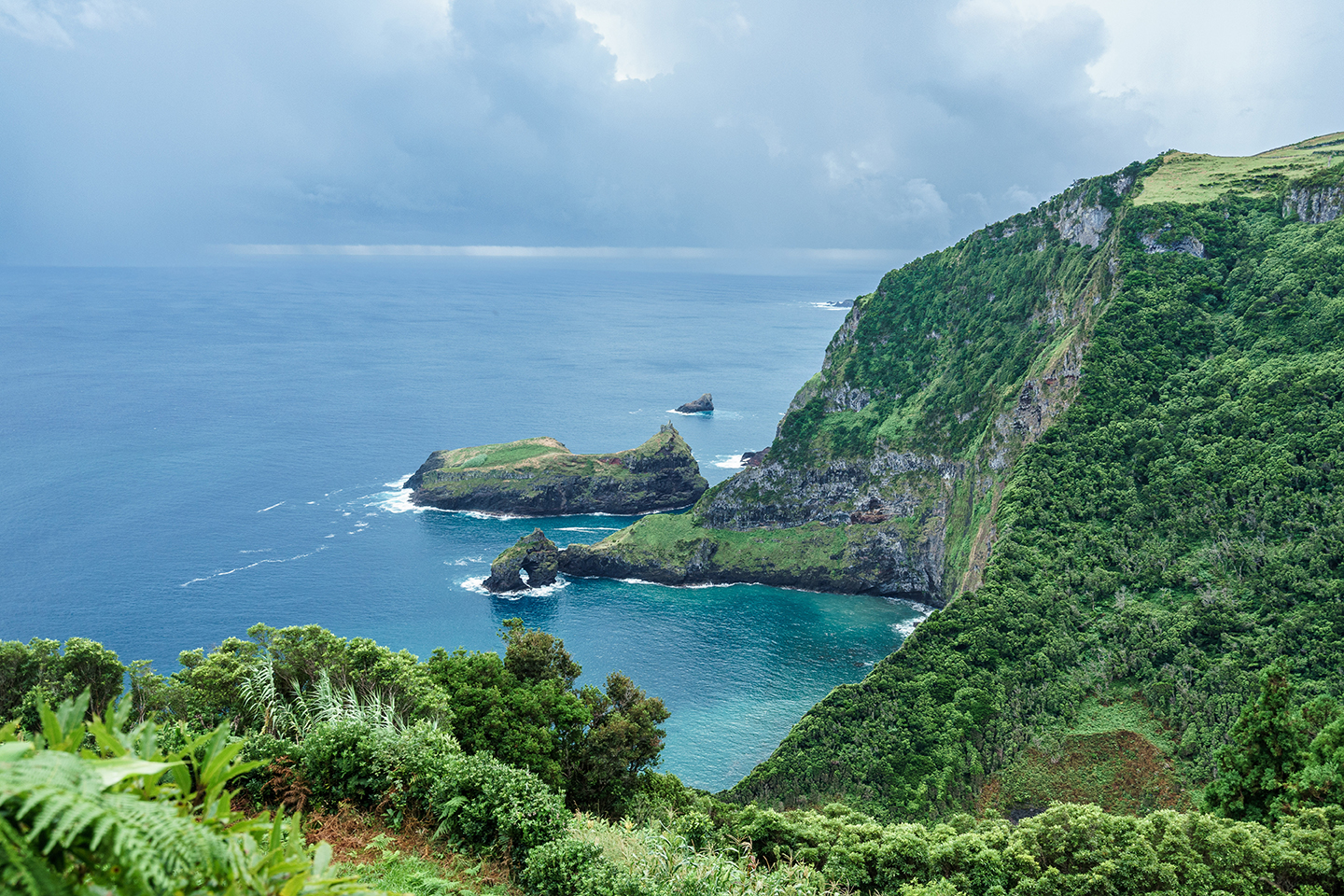
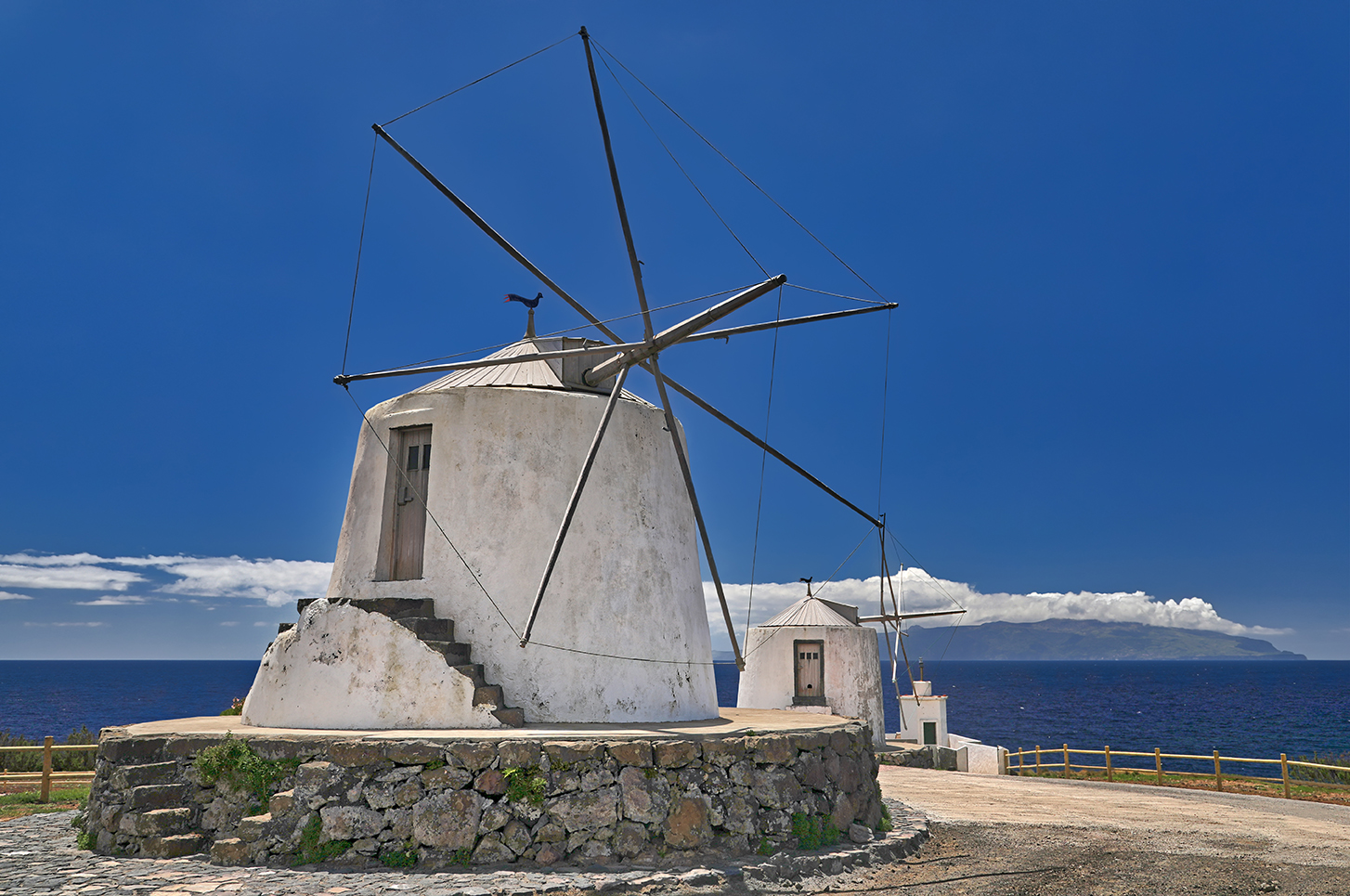
On Flores, water is never far away. It tumbles down volcanic cliffs in countless waterfalls. It fills deep blue crater lakes surrounded by emerald forests. It flows through quiet valleys before meeting the Atlantic along one of the most dramatic coastlines in Europe. Everything about Flores feels shaped by water. Located at the westernmost edge of the Azores—and of Europe—Flores is often the island visitors describe as the most naturally beautiful. Rain nourishes an extraordinary landscape where hydrangeas line country roads, wildflowers bloom across green hillsides, and waterfalls appear around nearly every corner.
Yet Flores is more than spectacular scenery. Its quiet villages, welcoming communities, and slower pace of life remind visitors that beauty is found not only in dramatic landscapes, but also in simple moments shared with the people who call the island home.
Here, mornings begin with mist drifting across crater lakes.
Afternoons invite long walks through lush valleys. Evenings end with sunsets over the open Atlantic, where there is no land between Flores and North America. Some visitors come to hike.
Others come to photograph waterfalls, observe birds, or simply disconnect from the demands of everyday life. Many leave believing they’ve discovered one of Europe’s last truly unspoiled islands.
Welcome to Flores.
Why Visit Flores?
Flores is the perfect destination for travelers who find happiness outdoors.
Its waterfalls, volcanic lakes, dramatic sea cliffs, and peaceful hiking trails create one of the most rewarding nature experiences in the Azores. Every drive reveals another spectacular viewpoint, every trail leads to another hidden valley, and every season brings new shades of green across the landscape.
Spend the morning exploring crater lakes, hike through forests to cascading waterfalls, enjoy lunch in a quiet village overlooking the Atlantic, and finish the day watching the sunset from the western edge of Europe.
Flores doesn’t ask visitors to rush.
It encourages them to slow down, breathe deeply, and experience nature on its own terms.
Island Snapshot
A Brief History
Flores owes both its name and its identity to nature.
When Portuguese settlers arrived during the fifteenth century, they found an island covered with abundant vegetation and flowering plants, inspiring the name Flores, meaning “flowers.” Although its remote location made settlement more difficult than on the central and eastern islands, communities gradually developed around agriculture, fishing, and livestock.
For centuries, Flores remained one of the Azores’ most isolated islands. The Atlantic provided both opportunity and challenge, while steep cliffs and rugged terrain often made travel within the island difficult. This isolation helped preserve traditional ways of life that continue today. Nature has always shaped daily life here.
Abundant rainfall feeds countless streams and waterfalls, while volcanic eruptions millions of years ago created crater lakes that remain among the island’s most treasured landscapes. Today, much of Flores is recognized as a UNESCO Biosphere Reserve, celebrating both its exceptional biodiversity and the close relationship between its communities and the natural environment.
Visitors soon discover that Flores isn’t simply a place to admire.
It’s a place to experience.
Did You Know?
- Flores is the westernmost point of both the Azores and Europe.
The island is recognized as a UNESCO Biosphere Reserve. - Flores is home to hundreds of waterfalls, many flowing year-round.
- Its seven volcanic crater lakes are among the island’s most famous natural attractions.
- Heavy rainfall creates one of the greenest landscapes in the Atlantic.
- Flores is considered one of Portugal’s premier destinations for hiking and birdwatching.
- On exceptionally clear days, the neighboring island of Corvo can easily be seen across the channel.
Getting Around
Although Flores is relatively small, its winding roads and countless scenic viewpoints encourage visitors to travel slowly.
Renting a car is the best way to explore the island, allowing you to stop at waterfalls, crater lakes, villages, and hiking trailheads whenever inspiration strikes. Distances are short, but you’ll likely find yourself stopping often to admire the scenery—or simply to listen to the sound of falling water.
Many of Flores’ greatest treasures are reached on foot.
Well-maintained hiking trails lead through forests, past waterfalls, and into valleys where nature remains wonderfully untouched.
Give yourself more time than you think you’ll need.
On Flores, the journey is every bit as rewarding as the destination.
If You Only Have One Day...
Begin your morning at the breathtaking Lagoa das Sete Lagoas, where several volcanic lakes create one of the Azores’ most spectacular landscapes.
Continue to Poço da Ribeira do Ferreiro, one of Flores’ most photographed locations, where dozens of waterfalls cascade down towering cliffs into a peaceful lagoon.
Enjoy lunch in Santa Cruz das Flores, then spend the afternoon exploring the island’s western coastline, stopping at scenic viewpoints, quiet villages, and dramatic sea cliffs before ending the day in Fajã Grande, where the sun sets over the Atlantic at Europe’s western edge.
It’s a day filled with waterfalls, lakes, and unforgettable scenery—but it will almost certainly leave you wishing for another.
Natural Wonders
Flores is often described as one of the most beautiful islands in the Azores, and it’s easy to understand why.
Abundant rainfall, fertile volcanic soil, and centuries of natural evolution have created a landscape filled with emerald-green valleys, towering sea cliffs, crystal-clear crater lakes, and waterfalls that seem to appear around every bend in the road.
The island’s crown jewels are its seven volcanic lakes, scattered across the central plateau. Among the most spectacular are Lagoa Negra and Lagoa Comprida, whose peaceful waters reflect the surrounding forests and changing skies. Nearby, several lakes can be viewed together from scenic overlooks, creating one of the most photographed panoramas in the Azores.
Perhaps no place captures the spirit of Flores more completely than Poço da Ribeira do Ferreiro. After a short, easy walk, visitors arrive at a tranquil lagoon surrounded by towering cliffs where dozens of waterfalls cascade into still waters below. It’s one of those rare places that photographs beautifully—but is even more impressive in person.
Along the western coast, waterfalls plunge directly toward the Atlantic, while dramatic cliffs reveal the immense volcanic forces that shaped the island millions of years ago. Quiet streams weave through forests of native vegetation, creating habitats for birds and wildlife that have made Flores internationally recognized among nature enthusiasts.
Throughout the island, scenic miradouros overlook valleys, lakes, waterfalls, and the open Atlantic, each offering a different perspective of this remarkable landscape.
On Flores, nature isn’t simply something to admire. It becomes part of every journey.
Outdoor Adventures
For those who love the outdoors, Flores feels almost limitless.
Its extensive network of hiking trails connects crater lakes, waterfalls, forests, coastal villages, and dramatic sea cliffs, allowing visitors to experience landscapes that remain largely untouched. Many of these routes follow centuries-old footpaths once used by local residents to travel between isolated communities.
One of the island’s most rewarding walks leads to Poço da Ribeira do Ferreiro, while longer trails descend through lush valleys to the western coastal village of Fajã Grande, passing waterfalls, streams, and breathtaking viewpoints along the way.
Birdwatchers travel from around the world to Flores, particularly during migration seasons when the island becomes an important stopover for North American and European bird species. Its location at the western edge of Europe makes it one of Portugal’s premier birdwatching destinations.
The surrounding Atlantic offers opportunities for whale watching, dolphin excursions, scuba diving, and kayaking. Quiet coves and natural swimming areas invite visitors to enjoy the ocean, while boat trips reveal sea caves, towering cliffs, and waterfalls that can only be fully appreciated from the water.
Cyclists and photographers also find Flores especially rewarding. Quiet roads, light traffic, and constantly changing scenery make every journey memorable.
Adventure on Flores isn’t measured by speed.
It’s measured by how often you stop to take it all in.
Towns & Villages
Flores’ villages are small, welcoming, and surrounded by extraordinary scenery.
The island’s main town, Santa Cruz das Flores, serves as its cultural and administrative center. Visitors will find a picturesque waterfront, historic churches, cafés, museums, and local restaurants where life moves at an unhurried pace. The harbor provides beautiful views toward neighboring Corvo, while nearby natural swimming areas offer a refreshing place to enjoy the Atlantic.
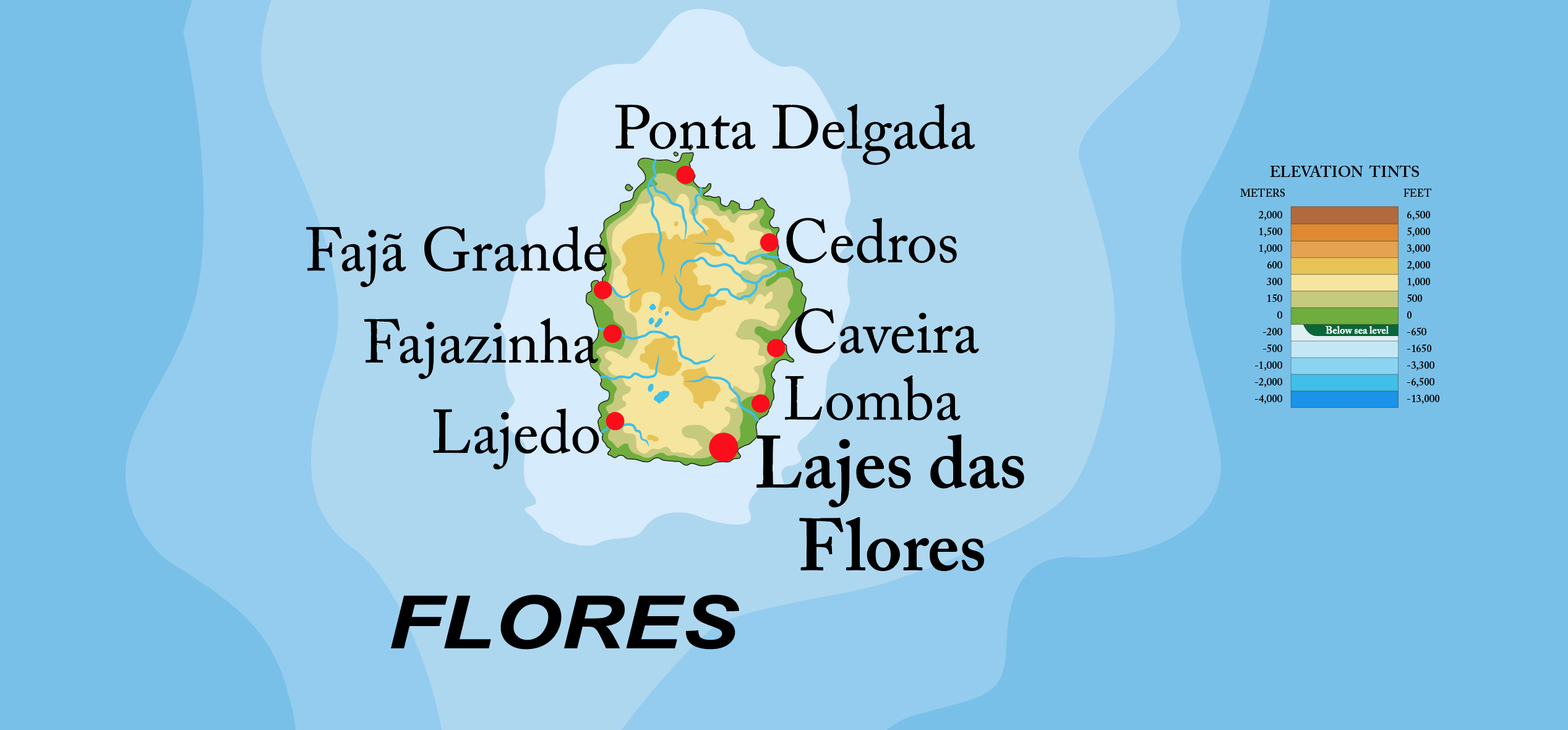
On the island’s western coast, Fajã Grande is one of the westernmost villages in Europe and among the most photographed places in the Azores. Surrounded by waterfalls, green hillsides, and the open ocean, it has become a favorite destination for hikers, photographers, and travelers seeking peace and quiet. Nearby Fajãzinha charms visitors with its stone houses, narrow lanes, and beautiful waterfalls, while smaller communities such as Lajes das Flores, Cedros, and Ponta Delgada preserve traditions that have defined island life for generations.
Driving between villages is part of the experience.
Each bend in the road reveals another waterfall, another ocean view, or another reminder that on Flores, nature is always close by.
Along the Coast
Flores’ coastline is among the most dramatic in the entire Azores archipelago.
Towering volcanic cliffs rise directly from the Atlantic, interrupted by waterfalls, natural swimming areas, sea caves, and quiet fishing villages that have depended on the ocean for centuries. The western shoreline is especially spectacular. Here, waterfalls tumble down steep mountainsides toward the sea, creating scenes that have become synonymous with Flores. During wetter months, dozens of cascades may be visible at the same time, transforming the landscape into one of the most remarkable coastal environments in Europe.
Natural swimming pools formed by ancient lava flows provide refreshing places to enjoy the Atlantic during the warmer months, while small harbors continue to support local fishing boats and recreational boating. Boat excursions reveal another side of the island, offering close-up views of cliffs, waterfalls, sea caves, and offshore rock formations that cannot be appreciated from land alone.
Standing along the coast, it’s easy to understand why so many visitors describe Flores as one of the last truly wild places in Europe.
Family Experiences
Flores is a wonderful destination for families who love spending time in nature.
Children are captivated by waterfalls, crater lakes, and easy walking trails that feel like real adventures. Families can enjoy picnics beside peaceful lagoons, explore natural swimming areas, or simply spend the day discovering one scenic viewpoint after another.
Short hikes to waterfalls such as Poço da Ribeira do Ferreiro are suitable for many families and reward even young explorers with unforgettable scenery. Boat trips often provide opportunities to spot dolphins and whales, while quiet roads make scenic drives enjoyable and stress-free.
The island’s slower pace also encourages something many vacations don’t always allow—time together. Whether watching birds from a lakeside trail, enjoying lunch in a small village café, or ending the day with a sunset over the Atlantic, Flores creates memories through simple experiences shared as a family.
Sometimes the best adventure is simply being surrounded by nature.
Savor Flores
The cuisine of Flores is rooted in the island’s fertile land, surrounding Atlantic waters, and traditions that have been passed from one generation to the next.
Fresh seafood features prominently on local menus. Grouper, tuna, octopus, limpets (lapas), and other seasonal catches are often prepared simply, allowing the freshness of the ingredients to shine. Many restaurants feature the day’s catch, served with locally grown vegetables and homemade bread. The island’s green pastures also support dairy farming, producing excellent cheeses, butter, and beef.
Family gardens continue to provide fresh potatoes, yams, beans, and seasonal produce that appear in traditional home cooking throughout the year. One local specialty visitors shouldn’t miss is Florentine-style sweet pastries and homemade jams prepared from fruits grown on the island. Honey, fresh milk, and locally made liqueurs also reflect Flores’ agricultural heritage.
Meals here aren’t elaborate.
They’re genuine.
Prepared with care, shared with family, and enjoyed without rushing.
On Flores, good food is another expression of the island’s quiet generosity.
Local Favorite
Ask someone from Flores where they go when they need a moment of peace, and many won’t mention a restaurant or a landmark.
They’ll simply tell you to follow the sound of the water.
Whether it’s a waterfall tucked into a green valley, a quiet stream crossing a hiking trail, or a scenic overlook above the Atlantic, the island offers countless places where nature quietly takes over. Many residents enjoy ending the day at one of the western viewpoints, watching the sun slowly disappear into the Atlantic.
There are no crowds.
No schedules.
Just the sound of the wind, the waves below, and another beautiful day coming to a close.
Picture Perfect
Flores offers photographers some of the most spectacular natural scenery in the Azores.
Best Sunrise
Lagoa Comprida
Morning mist drifting across the crater lake creates an unforgettable beginning to the day.
Best Sunset
Fajã Grande
Standing at Europe’s western edge as the sun sets over the Atlantic is an experience few visitors ever forget.
The Classic View
Poço da Ribeira do Ferreiro
Towering cliffs, countless waterfalls, and a peaceful lagoon combine to create one of the Azores’ most iconic landscapes.
Worth the Short Walk
Rocha dos Bordões
These remarkable vertical basalt columns are among the island’s most fascinating geological formations and one of Flores’ most distinctive natural landmarks.
Most Peaceful Spot
Lagoa Negra
Surrounded by lush vegetation and often wrapped in mist, this volcanic lake offers a remarkable sense of tranquility.
Best Coastal View
Miradouro do Portal
Dramatic cliffs, endless Atlantic views, and Flores’ rugged western coastline create one of the island’s finest panoramic vistas.
Returning Home:
Reconnecting with Your Azorean Heritage
Although Flores is one of the smallest islands in the Azores, its people have carried its traditions around the world.
Throughout the nineteenth and twentieth centuries, many families emigrated to the United States, Canada, and other countries, seeking new opportunities while preserving the customs, recipes, music, and faith that connected them to home.
Today, many descendants return to discover the villages where grandparents and great-grandparents once lived.
Walking through Santa Cruz das Flores, visiting a parish church, or standing beside a quiet cemetery overlooking the Atlantic often creates a powerful connection to generations past.
If you’re researching your family’s history, begin with your ancestral freguesia (parish). Church records, municipal archives, and conversations with longtime residents can provide valuable insights into your family’s story.
Even visitors without ancestral ties often find themselves feeling unexpectedly connected to Flores.
Perhaps it’s the island’s slower pace.
Perhaps it’s the warmth of its people.
Or perhaps it’s the reminder that some of life’s greatest treasures are found in the simplest places.
Festivals & Traditions
Flores celebrates its traditions with the same warmth and generosity that define everyday life on the island.
Throughout the year, villages gather to honor patron saints, celebrate the Holy Spirit, enjoy music and folklore, and welcome family members returning from abroad. Although the festivals are generally smaller than those on some of the larger islands, they offer visitors an authentic opportunity to experience the close-knit spirit of Flores.
Festa do Emigrante (Emigrant Festival)
Season: July
One of Flores’ most meaningful annual celebrations honors the thousands of islanders and descendants who have built lives abroad while maintaining strong ties to their homeland. Families return from North America and beyond to reconnect with relatives, revisit ancestral villages, and celebrate the traditions that continue to unite the Flores community.
The festival includes concerts, cultural performances, local food, religious celebrations, and community gatherings that warmly welcome both residents and visitors.
What You'll Experience
Travel Tip: This is one of the best times to experience the island’s strong connection with the Azorean
diaspora.
Festas do Espírito Santo (Holy Spirit Festivals)
Season: Spring through Early Summer
Like every Azorean island, Flores celebrates the Holy Spirit Festivals with beautifully decorated Impérios, religious processions, community feasts, brass bands, and ceremonies emphasizing generosity, faith, and hospitality.
These celebrations remain among the island’s most treasured traditions.
What You'll Experience
Travel Tip: Visitors are warmly welcomed and encouraged to experience these celebrations with respect.
Village Summer Festivals
Season: Summer
Each village celebrates its own patron saint with festivals that reflect the unique character of the local community. Expect music, dancing, traditional foods, religious processions, fireworks, and evenings spent in lively village squares where neighbors and visitors celebrate together.
What You'll Experience
Travel Tip: Ask your accommodations about village festivals happening during your stay. Some of the island’s most memorable celebrations are the smallest ones.
Christmas & Easter Traditions
Christmas and Easter continue to play an important role in community life throughout Flores. Families gather for festive meals, churches host special liturgies, and choirs perform seasonal music while villages celebrate traditions that have been passed from one generation to the next.
For visitors, these holidays offer a wonderful opportunity to experience the island’s strong sense of faith and community.
Planning Your Visit
Festival dates vary from year to year, especially religious celebrations that follow the liturgical calendar. If you’re planning your visit around a specific event, check the local municipal calendar or tourism office before making travel arrangements.
Summer accommodations are limited on Flores, so booking early is recommended.
Frequently Asked Questions
How many days should I spend on Flores?
Three to five days allows enough time to explore the island’s waterfalls, crater lakes, hiking trails, villages, and scenic coastal drives.
What is Flores best known for?
Flores is famous for its spectacular waterfalls, volcanic crater lakes, dramatic cliffs, lush landscapes, hiking trails, and designation as a UNESCO Biosphere Reserve.
Is Flores good for hiking?
Absolutely. Flores offers some of the most scenic hiking trails in the Azores, leading through forests, waterfalls, valleys, and coastal cliffs.
Can I swim on Flores?
Yes. Natural swimming pools and protected ocean bathing areas provide wonderful places to enjoy the Atlantic during the warmer months.
Do I need a rental car?
Yes. Renting a car is the easiest way to explore the island’s villages, viewpoints, waterfalls, and hiking trailheads.
Is Flores family-friendly?
Very much so. Families enjoy scenic walks, waterfalls, natural swimming areas, wildlife, and the island’s peaceful atmosphere.
Is English widely spoken?
English is commonly spoken in hotels, restaurants, and tourism-related businesses. A few Portuguese greetings are always appreciated by local residents.
Until Next Time...
Some islands leave you with photographs.
Flores leaves you with moments.
Perhaps you’ll remember the sound of waterfalls echoing through a quiet valley, the reflection of clouds on a volcanic lake, or the final rays of sunlight disappearing beyond Europe’s western horizon.
Or perhaps you’ll remember something simpler.
The stillness.
The fresh air.
The feeling of standing in a place where nature continues to shape each day.
That’s Flores.
An island that reminds us beauty doesn’t need to announce itself.
It simply exists—for those willing to slow down and notice.
Whether you’ve come to hike, photograph its landscapes, or simply find a little more peace, we hope Flores stays with you long after your journey home.
Every island tells its own story. We hope you’ll discover them all.
Explore the Other Azores Islands
Every island in the Azores offers its own landscapes, traditions, and unforgettable experiences. While Flores is often the first stop for many travelers, it’s only the beginning of the journey.
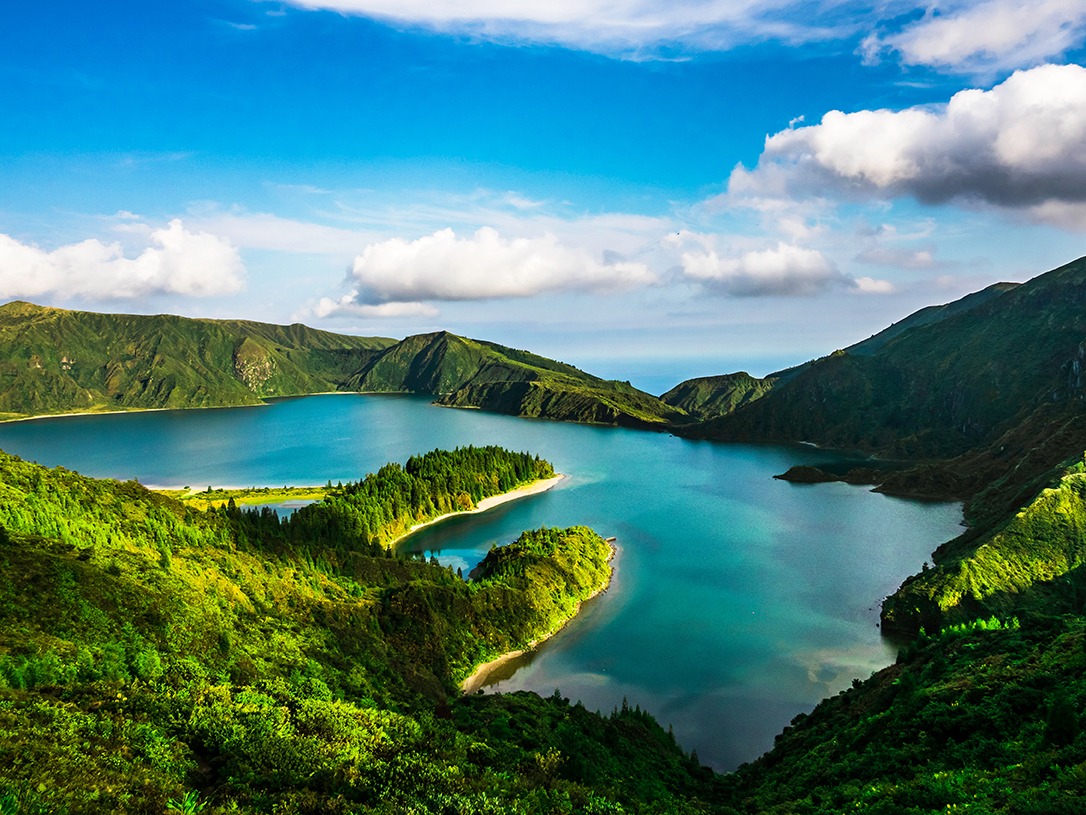
São Miguel
Known as the Green Island, São Miguel is famous for its volcanic crater lakes, geothermal hot springs, lush landscapes, tea plantations, and charming towns. As the largest island in the Azores, it offers the perfect blend of natural beauty, adventure, and local culture.
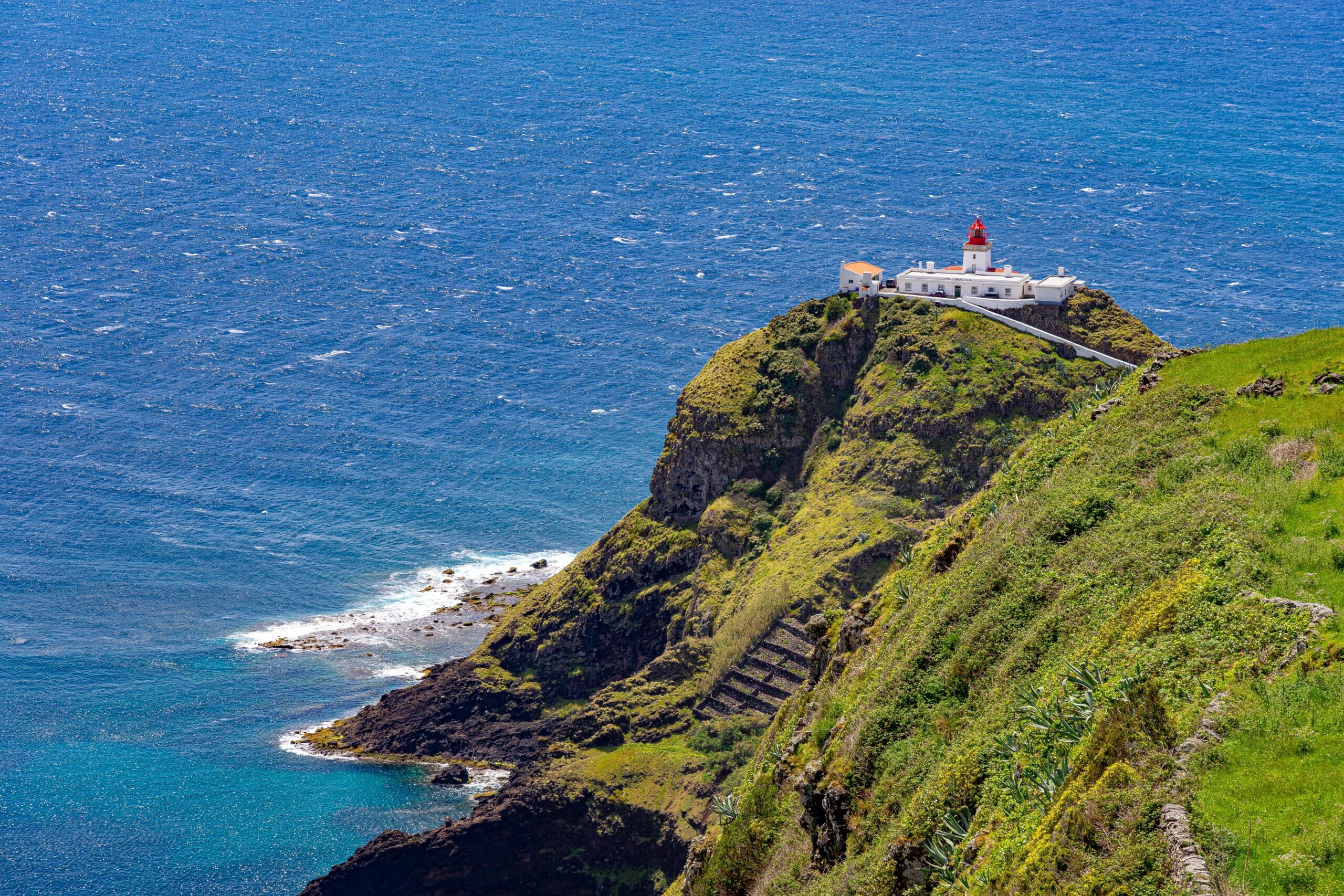
Santa Maria
Known as the Island of the Sun, Santa Maria is famous for its golden sandy beaches, warm climate, fossil-rich coastline, and relaxed pace of life. It’s the perfect destination for visitors looking to unwind while enjoying one of the oldest islands in the archipelago.
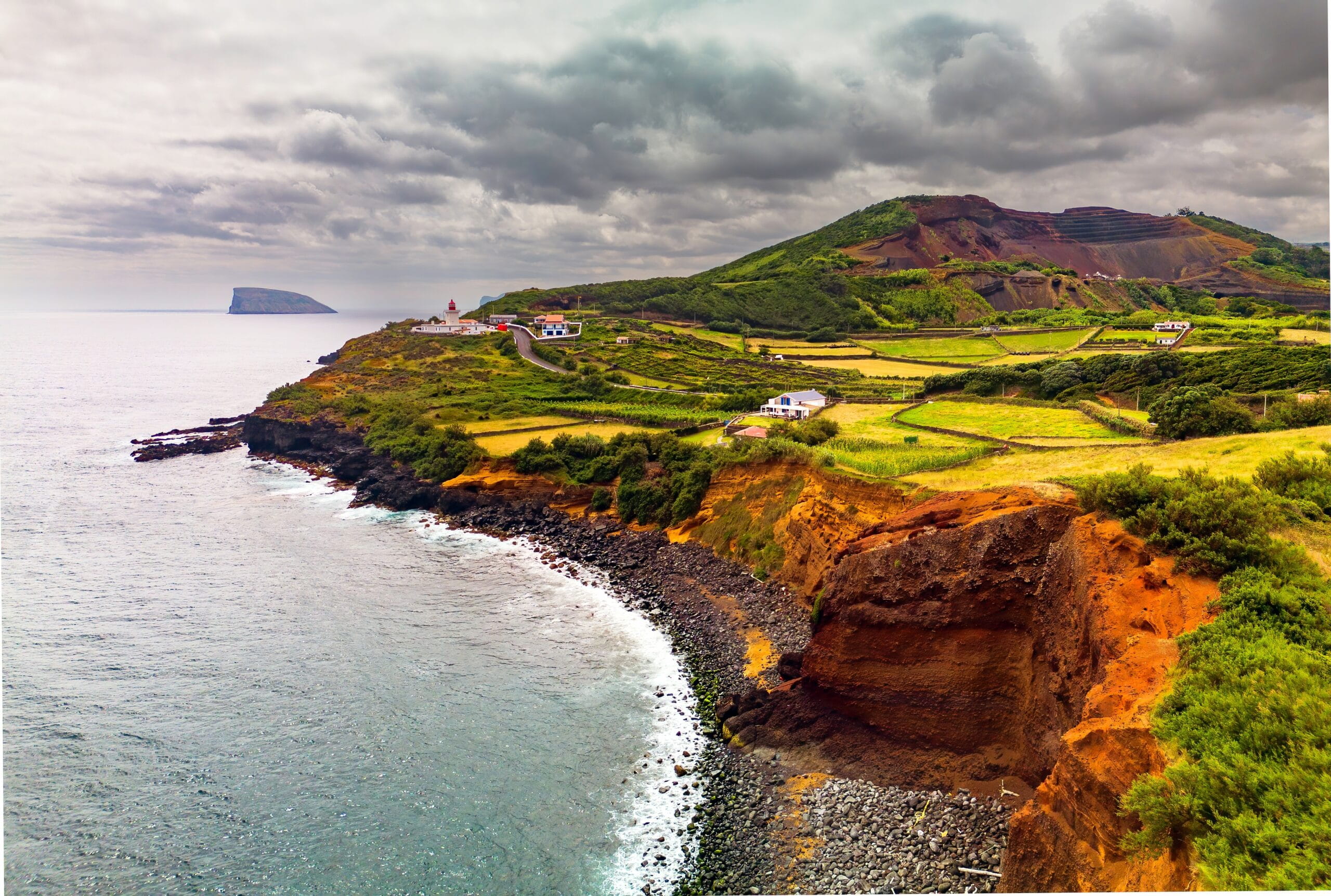
Terceira
A UNESCO World Heritage city, colorful festivals, lively traditions, and centuries of history make Terceira one of the cultural hearts of the Azores. From Angra do Heroísmo to the island’s famous Sanjoaninas celebrations, Terceira is rich in heritage and community spirit.
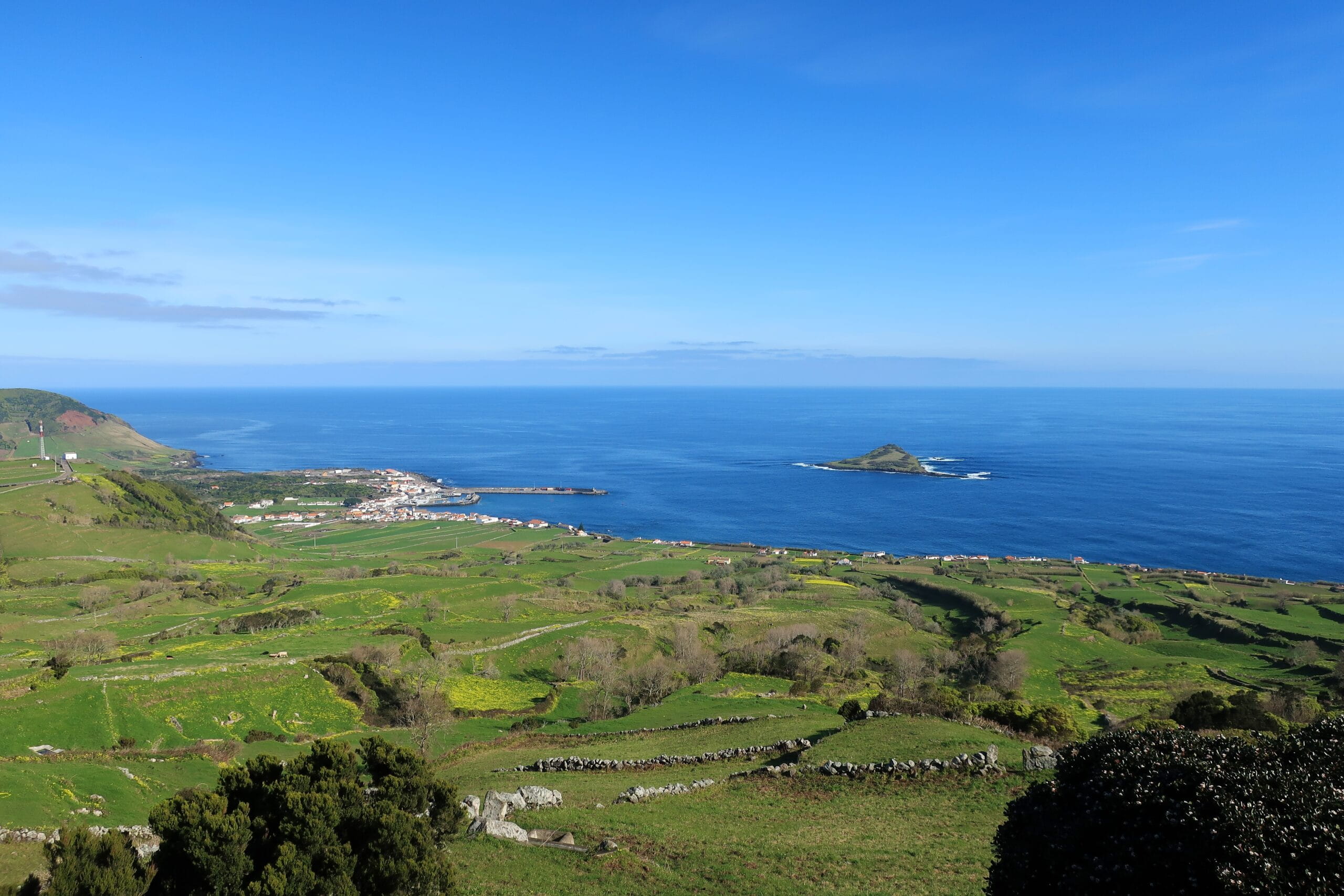
Graciosa
Peaceful, welcoming, and wonderfully unhurried, Graciosa is known for its whitewashed villages, traditional windmills, vineyards, and the remarkable Furna do Enxofre volcanic cave. It’s an island where quiet moments become lasting memories.
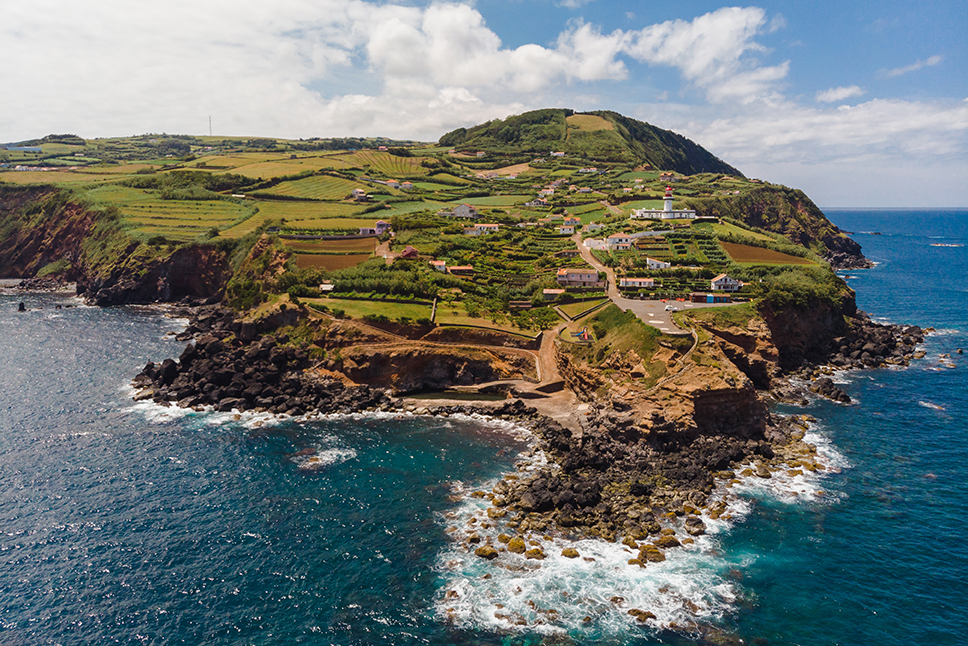
São Jorge
Steep cliffs, dramatic fajãs, scenic hiking trails, and the island’s world-famous cheese define São Jorge. Nature lovers and outdoor enthusiasts will discover breathtaking landscapes unlike anywhere else in the Azores.
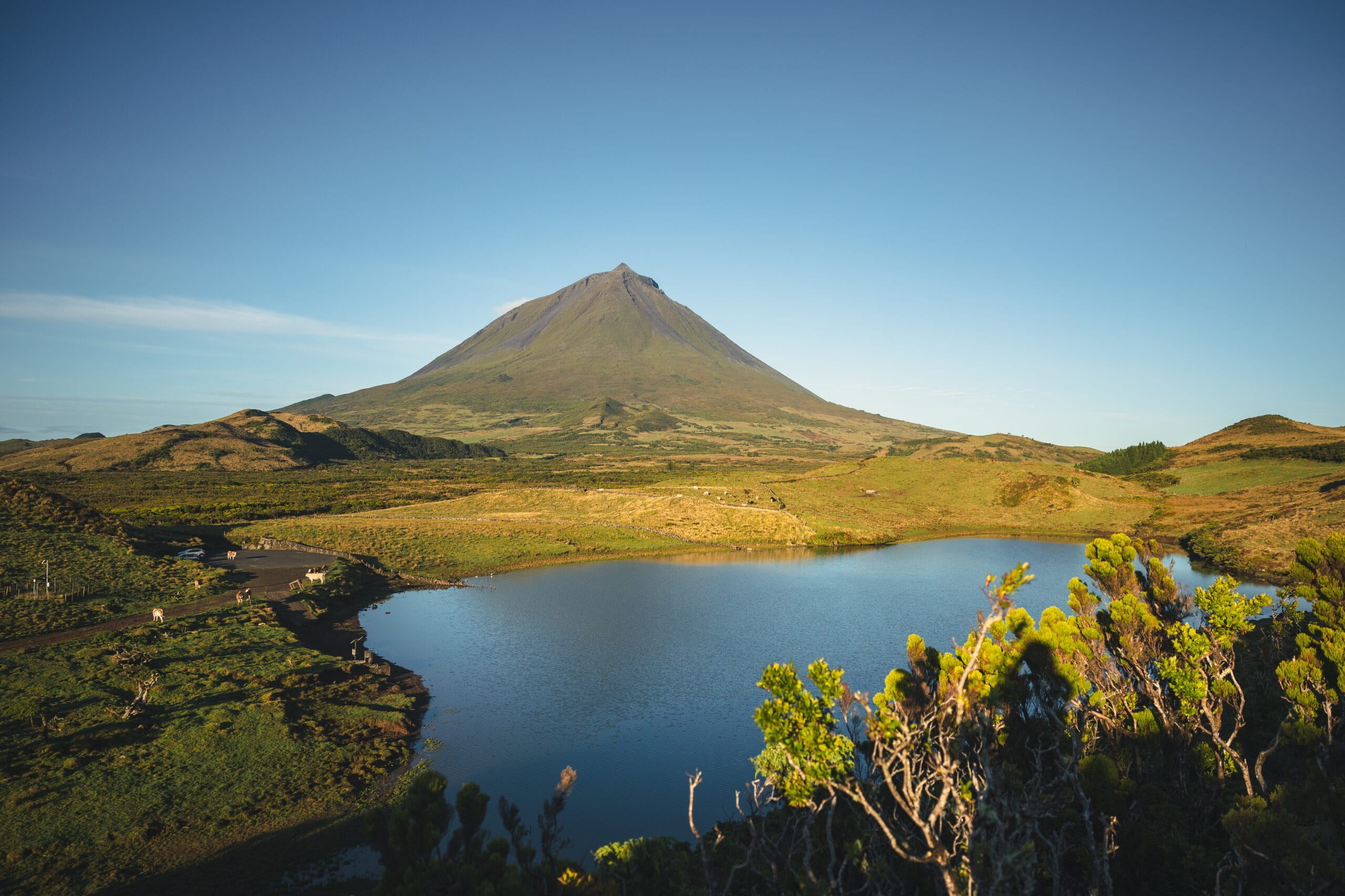
Pico
Dominated by Portugal’s highest mountain, Pico combines volcanic landscapes with UNESCO-listed vineyards, a rich whaling heritage, and some of the best whale watching in the Atlantic. It’s an island that celebrates both the sea and the mountain that gives it its identity.
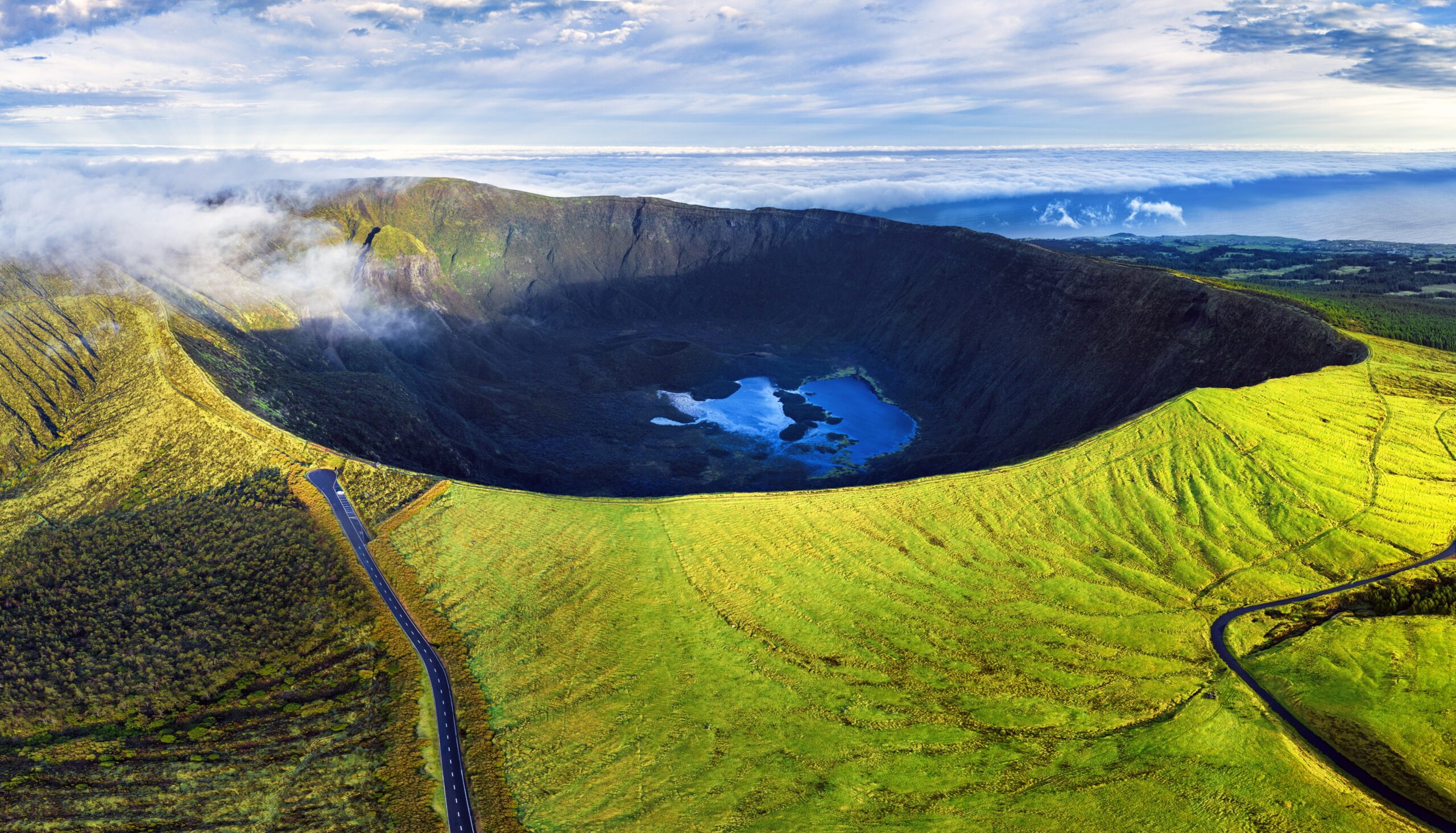
Faial
Known as the Blue Island, Faial welcomes sailors from around the world to the historic marina in Horta. Visitors also come to explore the dramatic Capelinhos Volcano, walk the rim of the Caldeira, and enjoy spectacular views of neighboring Pico.
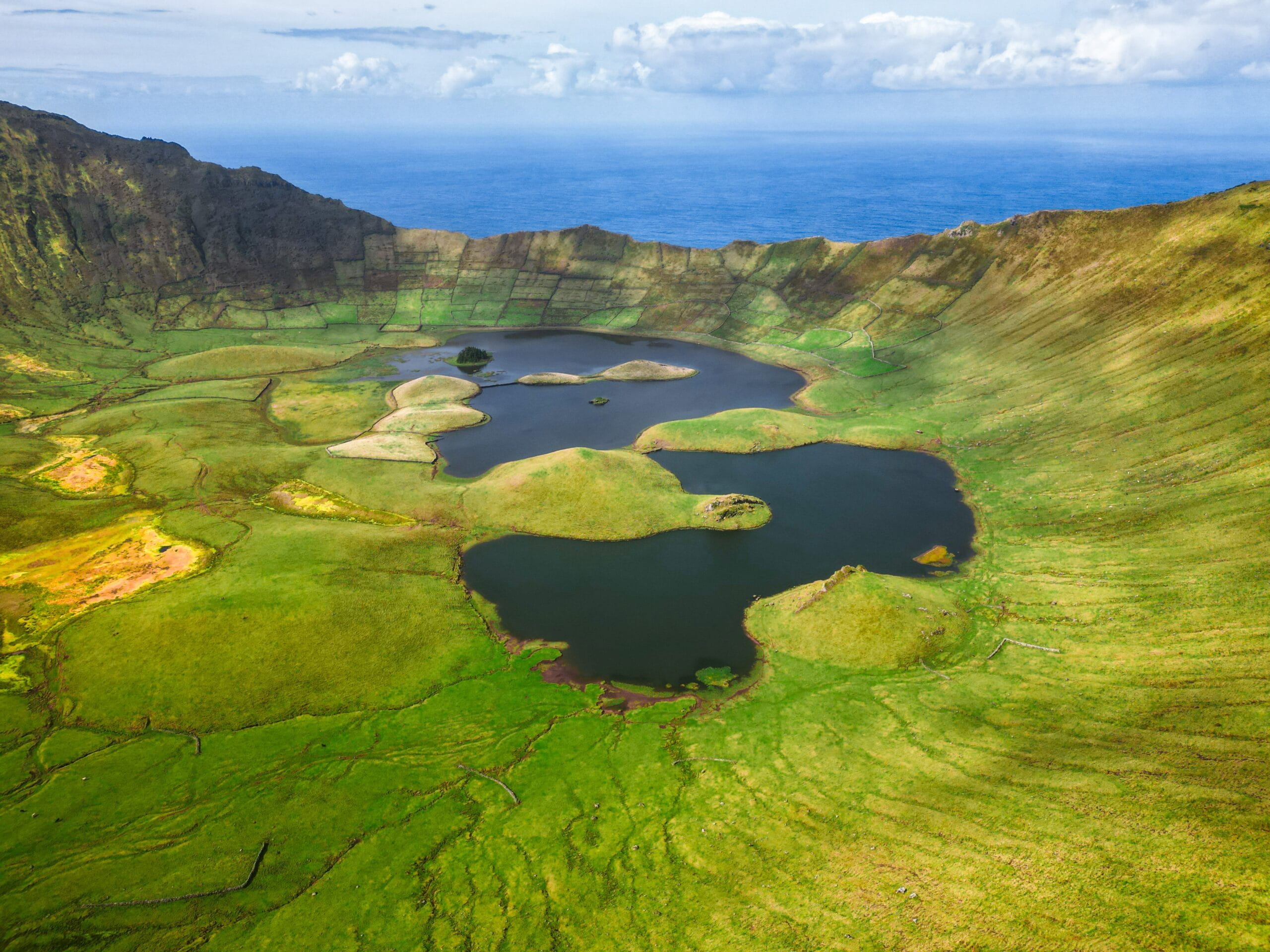
Corvo
The smallest island in the Azores offers one of its greatest rewards—peace. Home to a single village and the spectacular Caldeirão volcanic crater, Corvo invites visitors to slow down and experience island life at its simplest and most authentic.