Discover Terceira, Azores
Where History Lives, and Traditions Thrive
Welcome to Terceira
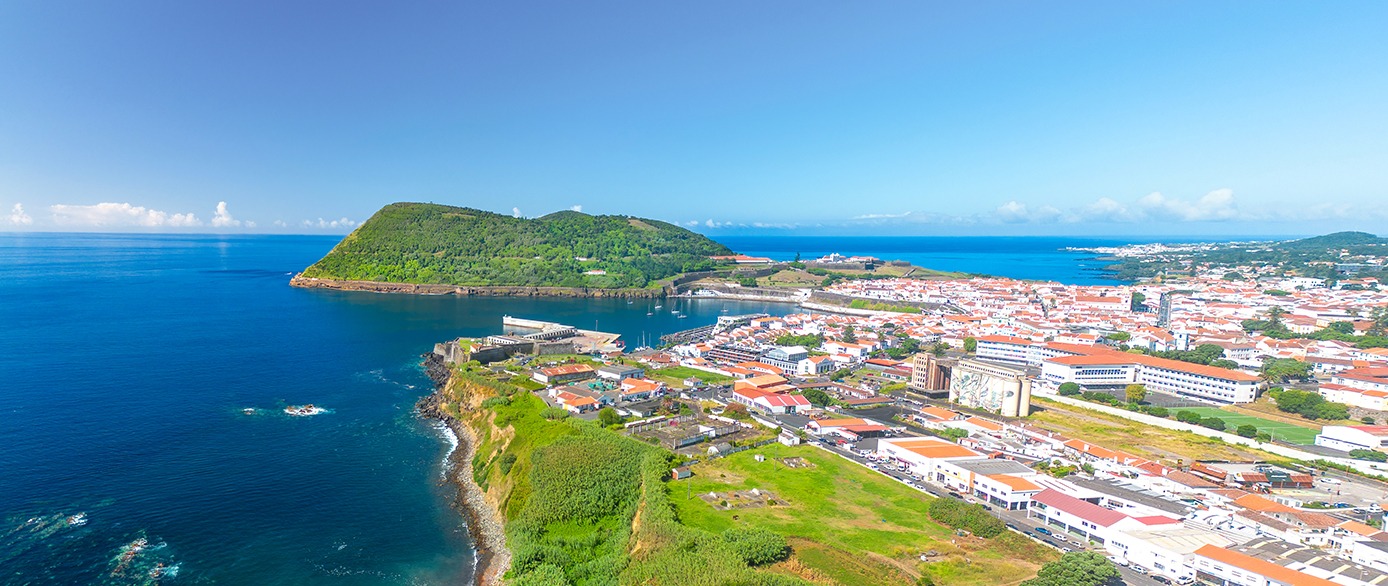
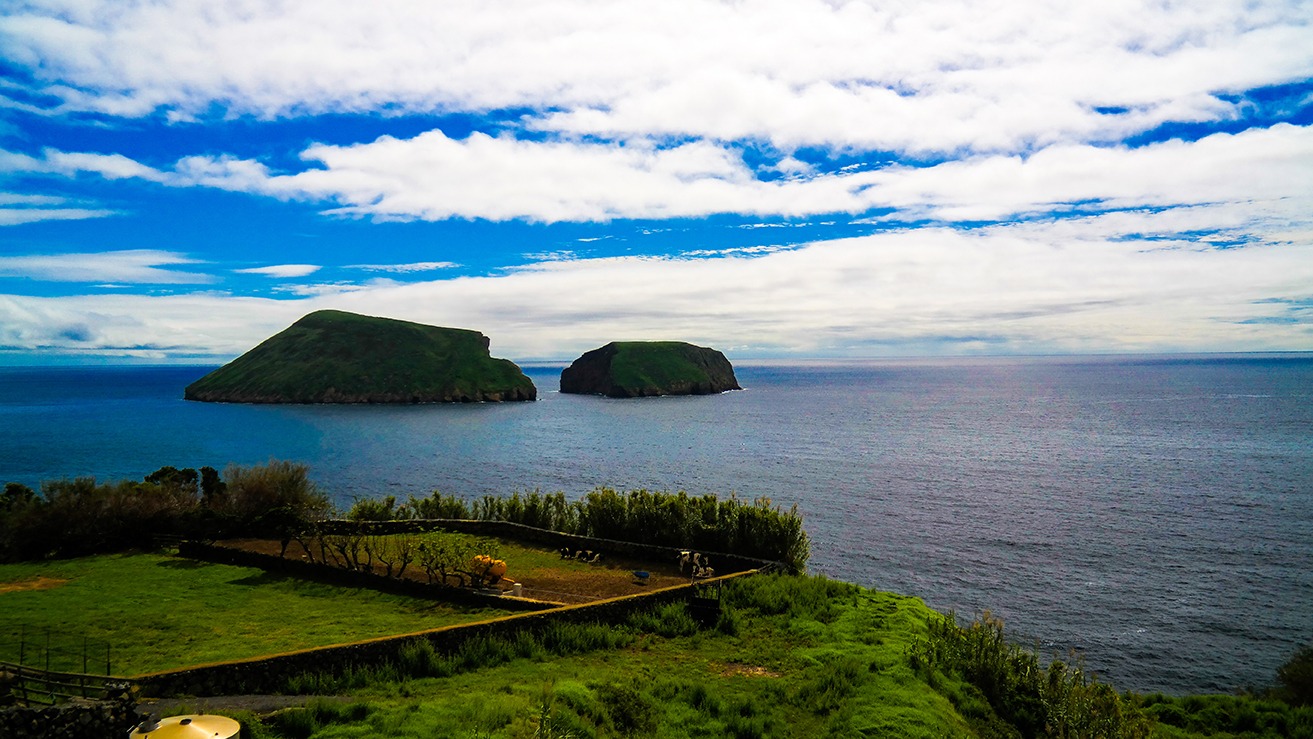
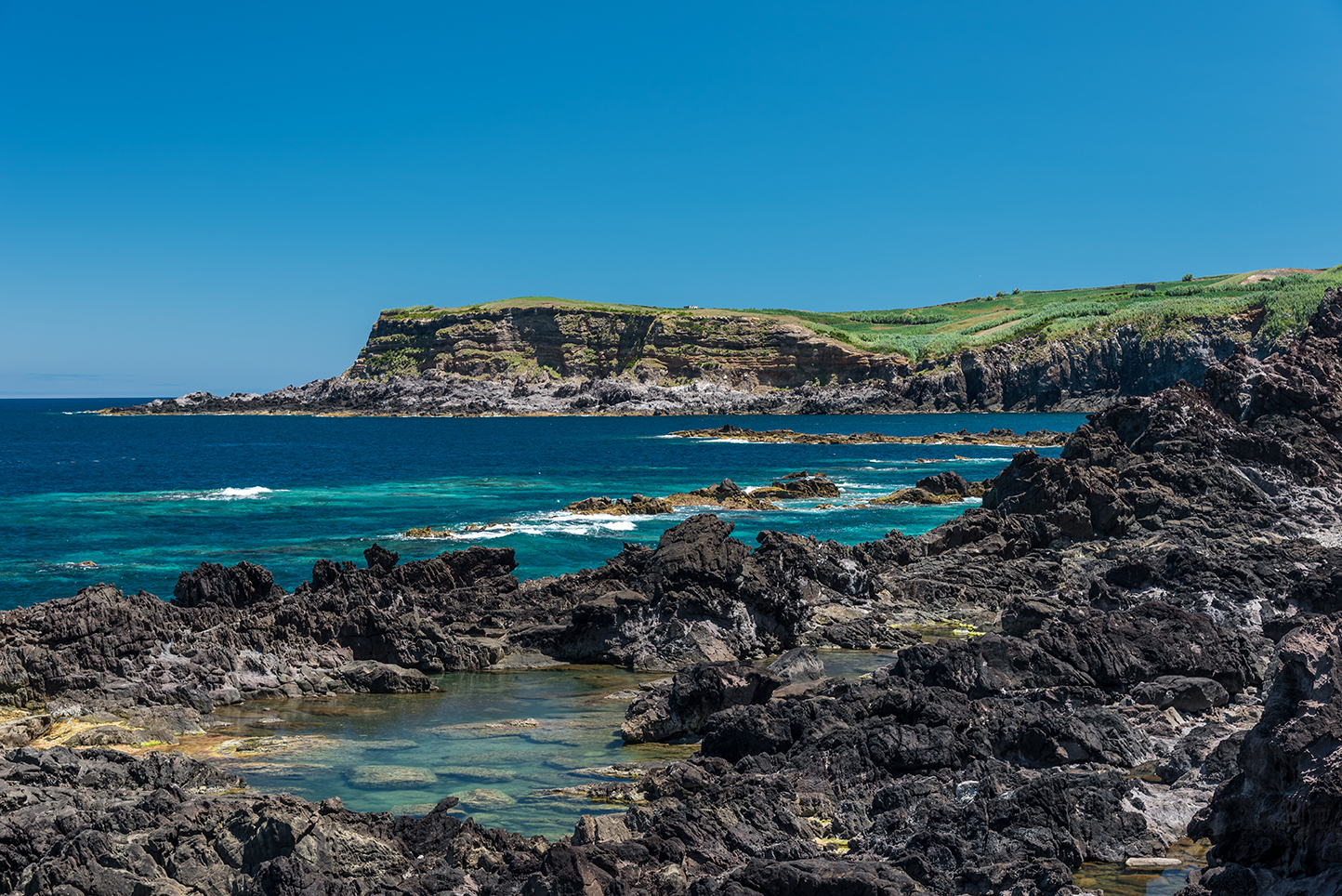
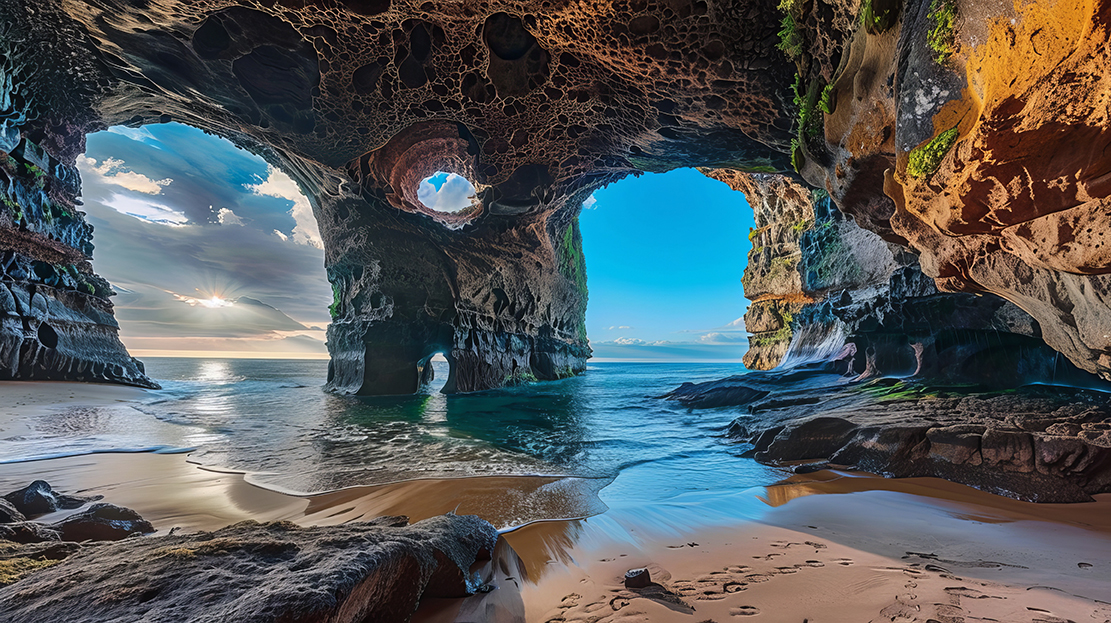
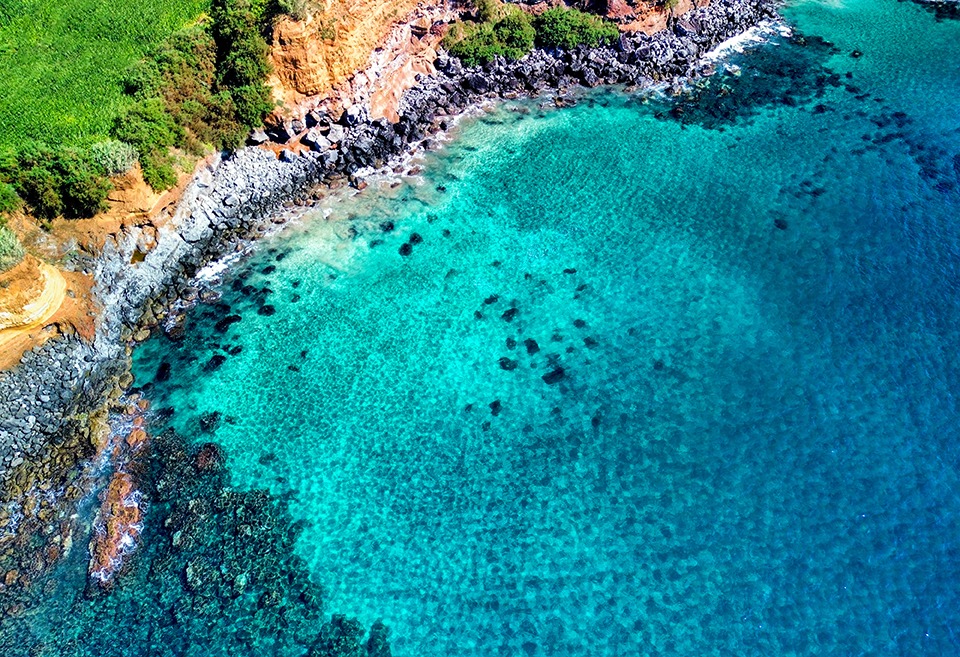
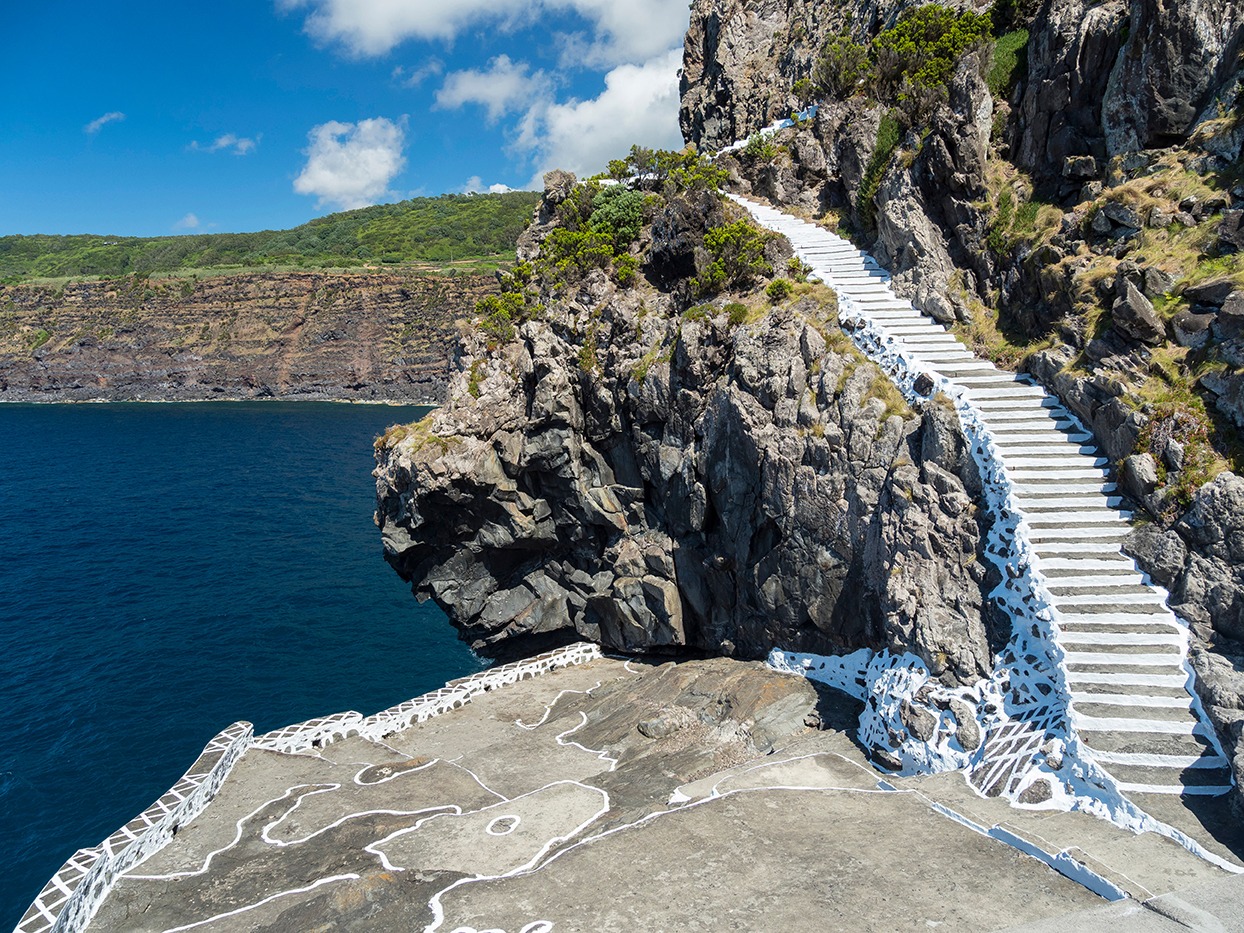
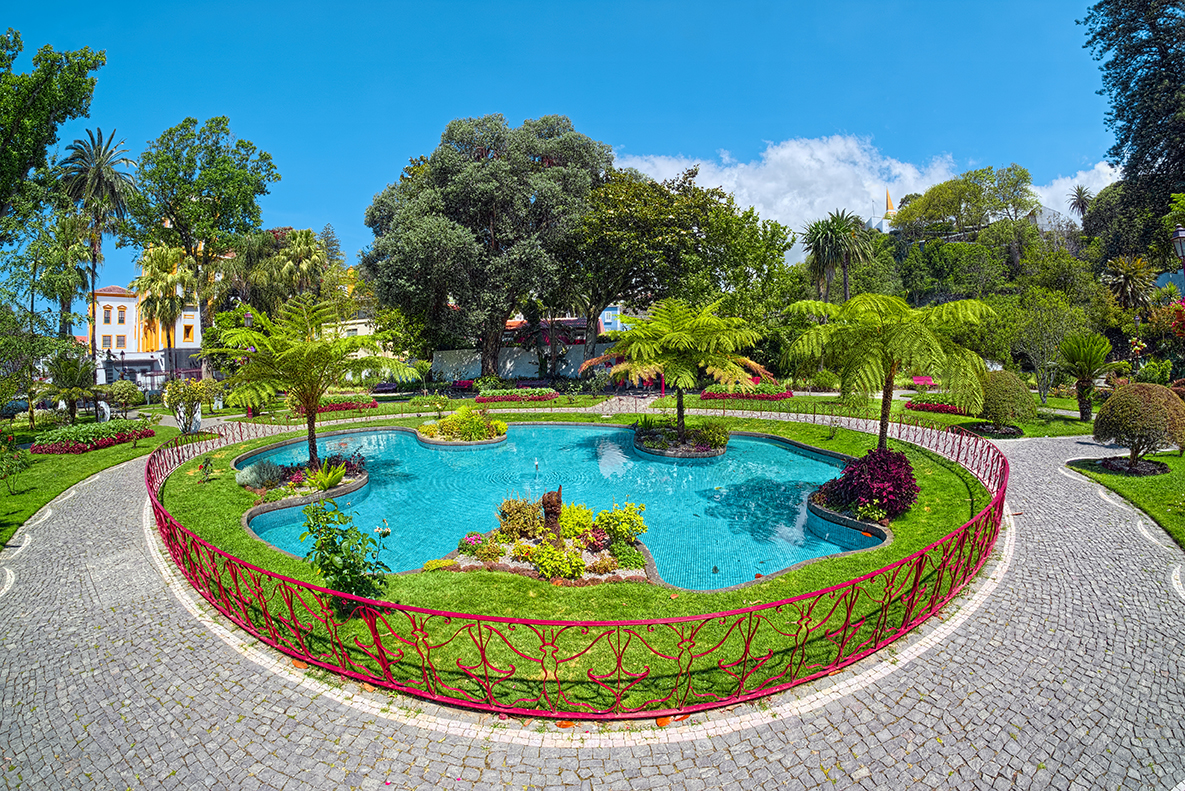
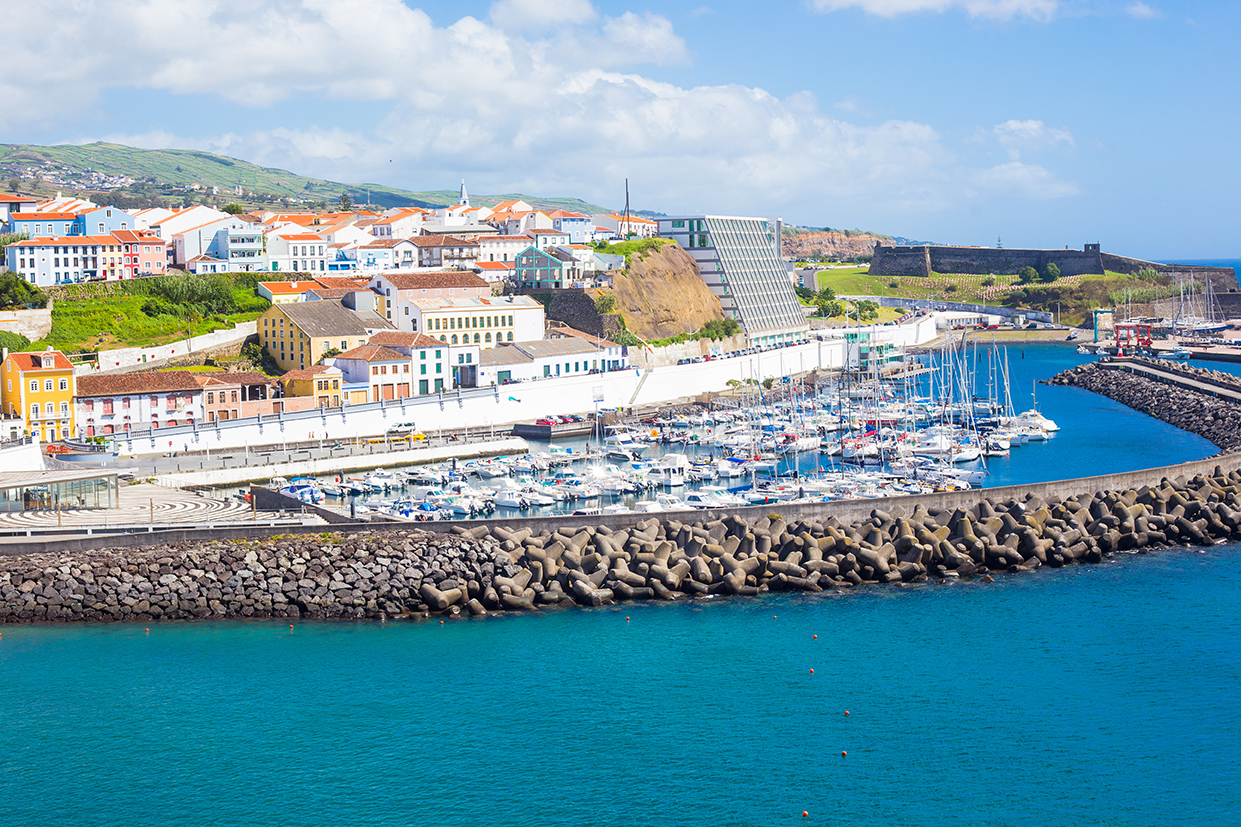
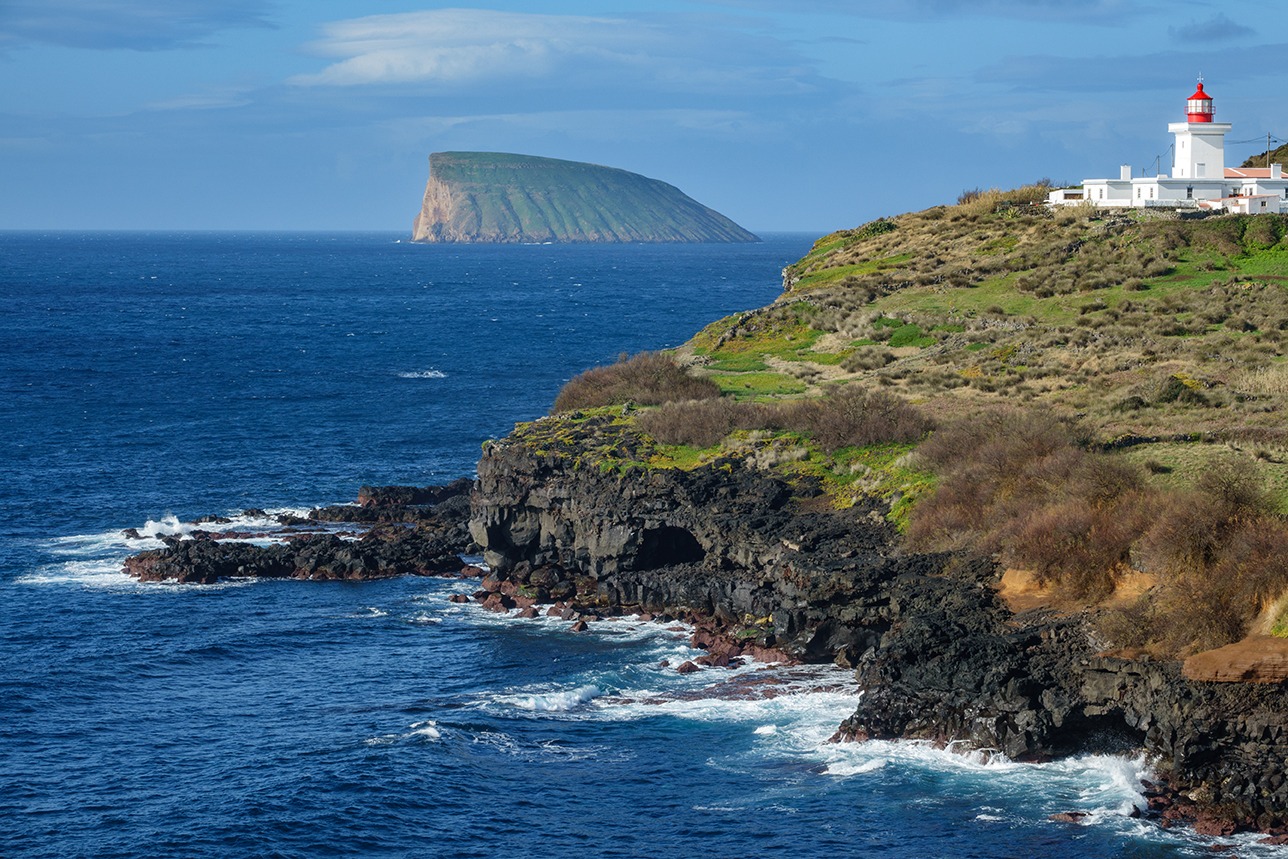
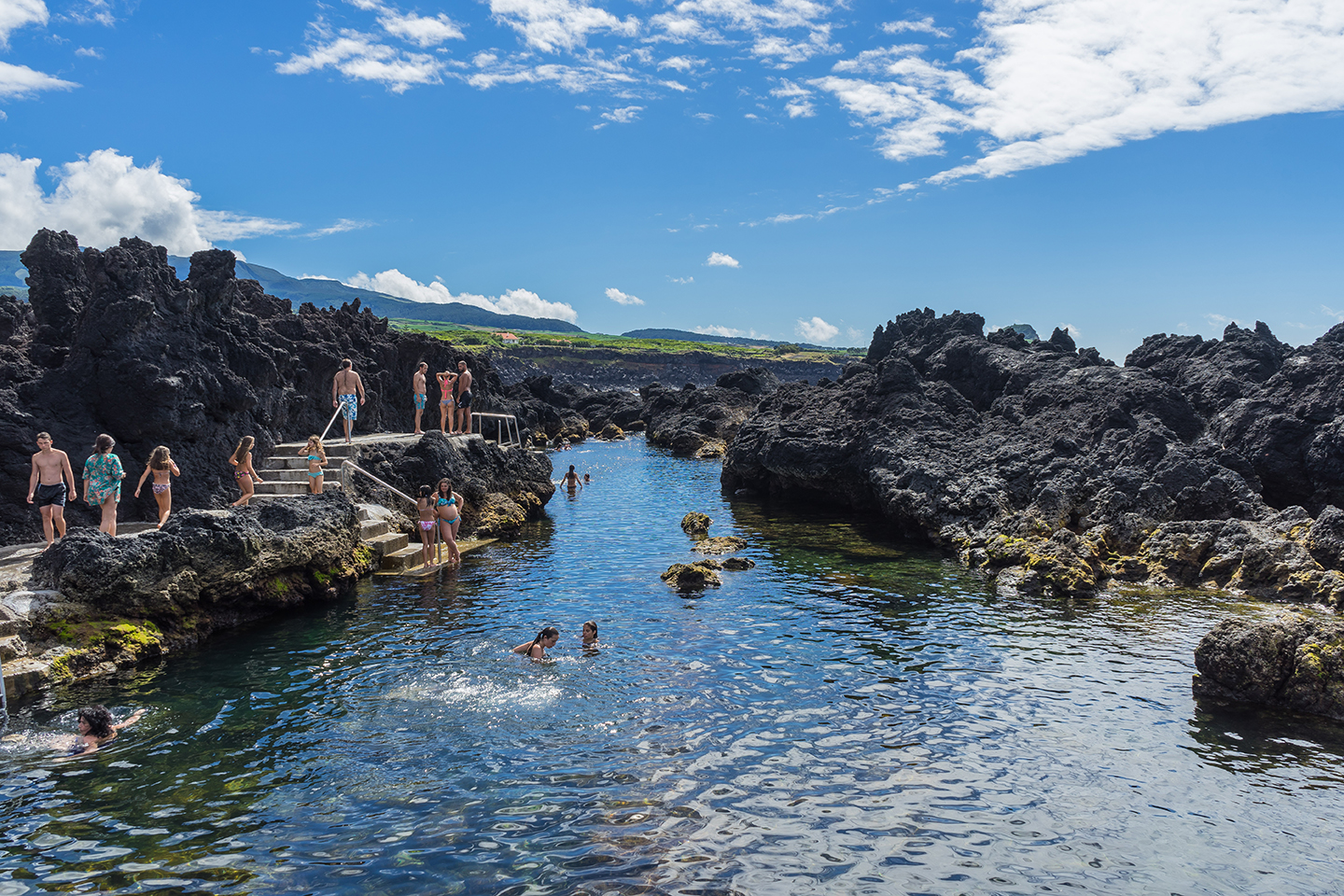
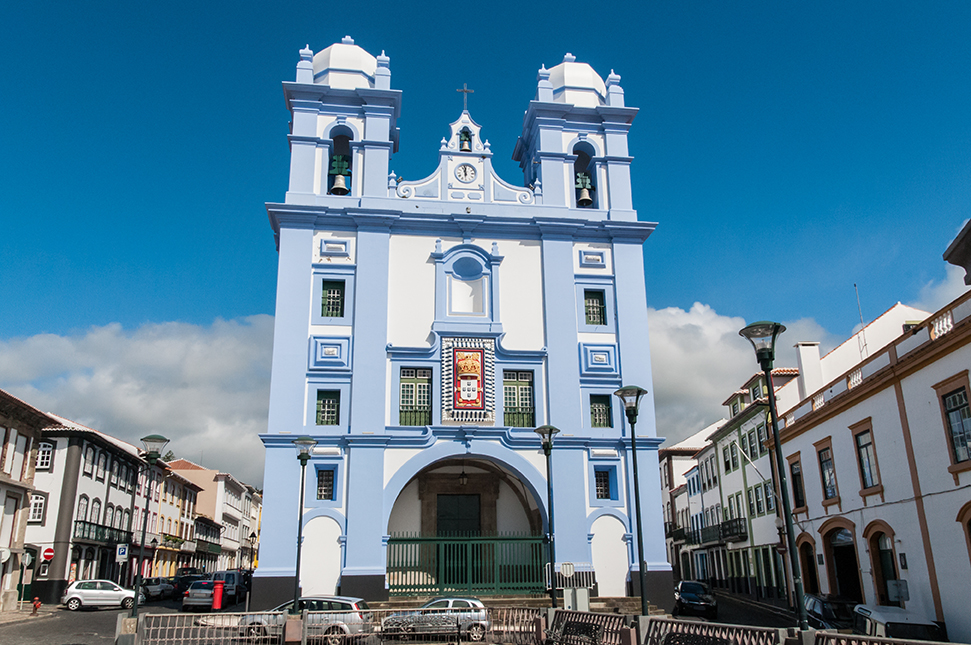
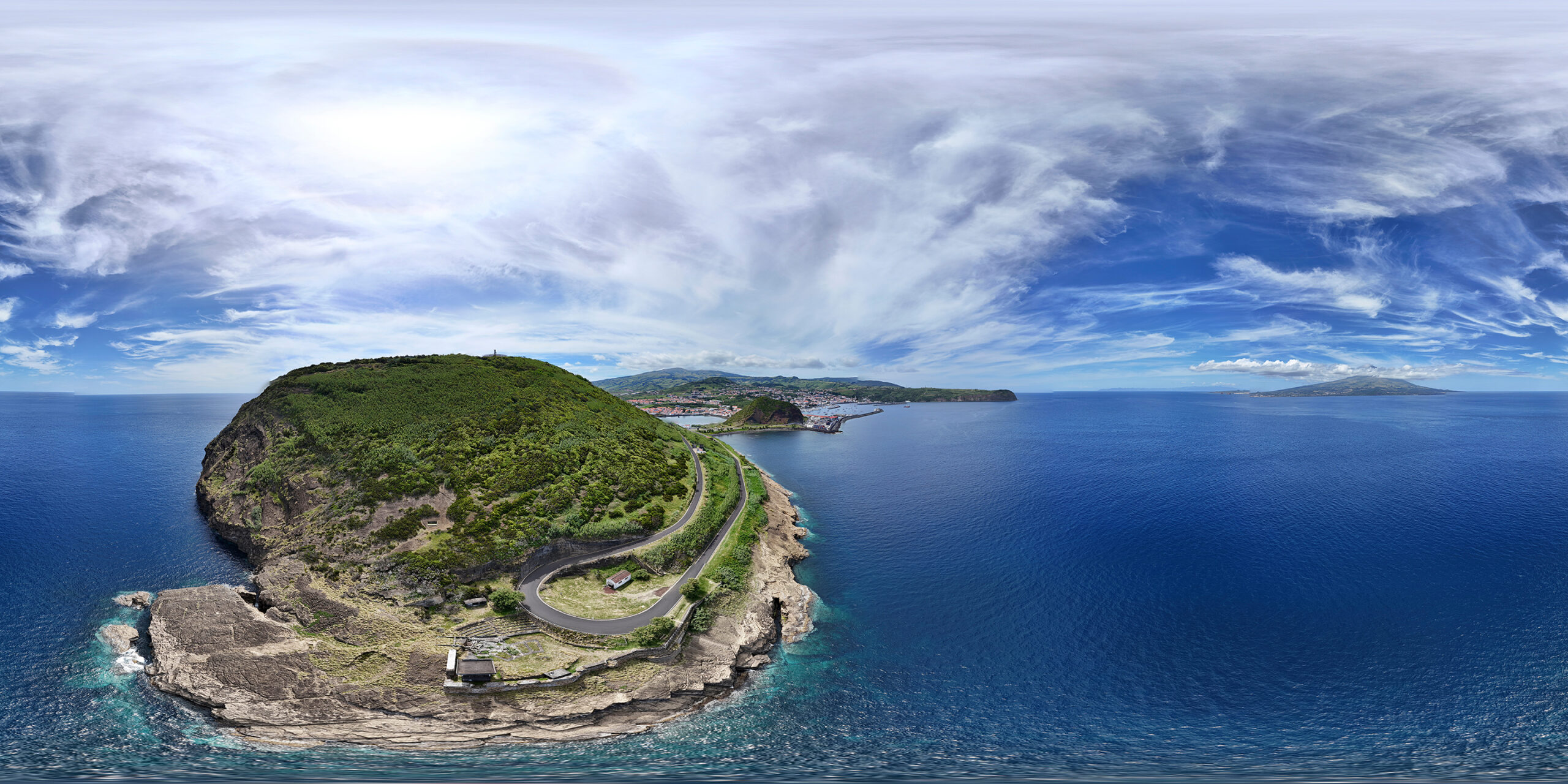
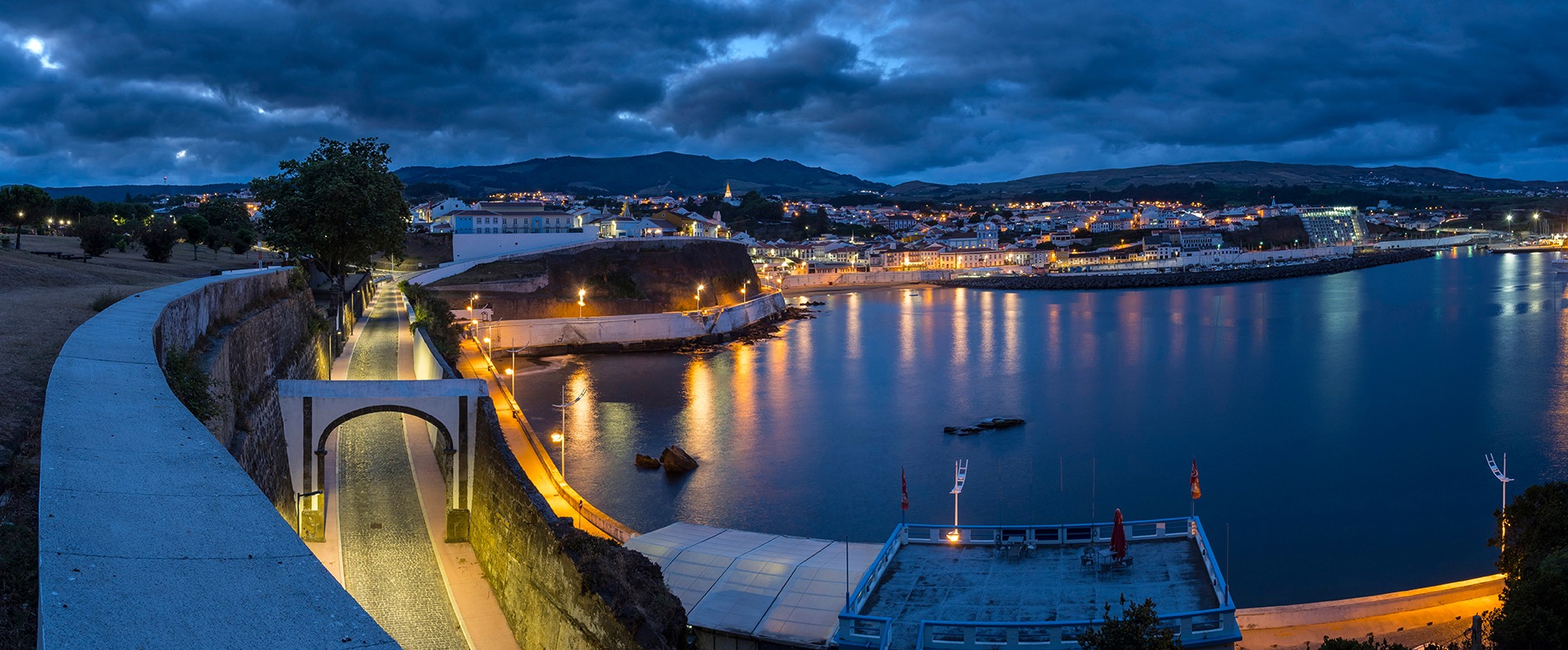
History isn’t preserved here. It’s still being lived. Some islands are best known for their landscapes. Terceira is remembered for its people. From the colorful streets of Angra do Heroísmo to the small villages that celebrate centuries-old traditions each summer, Terceira is an island where history, community, and culture remain part of everyday life. Brass bands still lead religious processions through village streets, neighbors gather for evening festivals, and traditions passed from one generation to the next continue to shape the rhythm of island life.
As one of the largest islands in the Azores, Terceira offers an extraordinary variety of experiences. Visitors can explore a UNESCO World Heritage city, descend into the interior of an ancient volcano, swim in natural lava pools, hike across green volcanic landscapes, and enjoy one of the liveliest festival calendars in Portugal.
Yet despite its rich history, Terceira never feels like an open-air museum. The island is alive. Its cafés fill with conversation, local markets showcase regional products, and families gather in town squares where children play beneath centuries-old churches. Whether you’re visiting during the famous Sanjoaninas, watching a traditional Tourada à Corda, or simply sharing a meal at a neighborhood restaurant, you’ll quickly discover that Terceira’s greatest attraction is its sense of community.
Some visitors arrive for the history.Others come for the festivals. Many leave remembering the warmth of the people who welcomed them.
Welcome to Terceira.
Why Visit Terceira?
Terceira offers one of the richest cultural experiences in the Azores. While its volcanic landscapes and dramatic coastline are beautiful, the island is equally defined by its history, traditions, and lively communities.
Spend the morning exploring the cobblestone streets of Angra do Heroísmo, one of Portugal’s most beautiful historic cities and a UNESCO World Heritage Site. In the afternoon, descend into the remarkable volcanic cave of Algar do Carvão, swim in natural lava pools at Biscoitos, or drive through green pastures framed by ancient stone walls.
By evening, you may find yourself enjoying live music in a village square, dining on traditional Azorean cuisine, or joining local residents as they celebrate one of the island’s many festivals.
Terceira is an island that invites visitors to experience the Azores through its history, hospitality, and enduring traditions.
Island Snapshot
A Brief History
Terceira has played a central role in the history of the Azores for more than five centuries.
Its strategic location in the Atlantic made it an important port during the Age of Discovery, serving as a vital stop for ships returning from Africa, Asia, and the Americas. Wealth from maritime trade helped transform Angra do Heroísmo into one of Portugal’s most important Atlantic cities, and many of its elegant churches, convents, and manor houses still reflect that prosperous era.
The island has also witnessed moments of conflict and resilience. During the Portuguese succession crisis of the sixteenth century, Terceira became a symbol of resistance. Later, during the Liberal Wars of the nineteenth century, it again played a significant role in shaping Portugal’s future. These events helped establish the island’s reputation for independence and determination.
Today, Angra do Heroísmo is recognized as a UNESCO World Heritage Site, celebrated for its remarkably preserved Renaissance street plan and historic architecture. Walking its cobbled streets offers more than a glimpse into the past—it reveals a city where history continues to be lived every day.
Beyond the capital, Terceira’s villages have preserved traditions that remain central to island life. Religious festivals, community celebrations, farming, and local craftsmanship continue to connect generations, creating an island where heritage is not simply remembered—it is celebrated.
Did You Know?
- Angra do Heroísmo has been a UNESCO World Heritage Site since 1983.
- Terceira is known as the Lilac Island, a nickname inspired by the many hydrangeas that bloom across the island.
- Algar do Carvão is one of the few volcanic chimneys in the world that visitors can explore from the inside.
- Traditional Touradas à Corda (bullfights on a rope) are unique to Terceira and remain an important cultural tradition.
- The island hosts the Sanjoaninas, one of the largest and most colorful festivals in the Azores.
- Terceira is home to impressive military fortifications that once protected ships crossing the Atlantic.
- Dairy farming continues to play an important role in the island’s economy and landscape.
Getting Around
Terceira is easy to explore by car, with well-maintained roads connecting its historic towns, coastal villages, scenic viewpoints, and natural attractions. Most destinations are less than thirty minutes apart, allowing visitors to experience several different landscapes in a single day.
Renting a car offers the greatest flexibility, especially if you plan to visit Algar do Carvão, the natural pools at Biscoitos, or the island’s many scenic miradouros. Public transportation serves the larger communities, but many of Terceira’s most rewarding places are best reached independently.
Take time to leave the main roads whenever possible. Small farming villages, quiet coastal lookouts, and roadside cafés often provide the most memorable moments of a visit.
On Terceira, history isn’t found only in museums.
It’s woven into the everyday landscape.
If You Only Have One Day...
Begin your morning exploring the colorful streets of Angra do Heroísmo, visiting the Sé Cathedral, the Duke of Terceira Garden, and the historic waterfront. Continue to Monte Brasil for sweeping views of the city and harbor before enjoying lunch at a traditional restaurant serving authentic Terceiran cuisine.
In the afternoon, descend into the remarkable volcanic cave of Algar do Carvão, then drive to Biscoitos for a swim in its natural lava pools. End your day at Serra do Cume, where one of the Azores’ most spectacular panoramic viewpoints overlooks the island’s patchwork of green fields stretching to the sea.
It’s a day that captures Terceira’s history, landscapes, and enduring spirit—and leaves plenty of reasons to return.
Natural Wonders
While Terceira is often celebrated for its history and traditions, its landscapes are equally remarkable. Volcanic eruptions, fertile farmland, and centuries of natural change have created an island where green pastures, rugged coastlines, and underground wonders exist side by side.
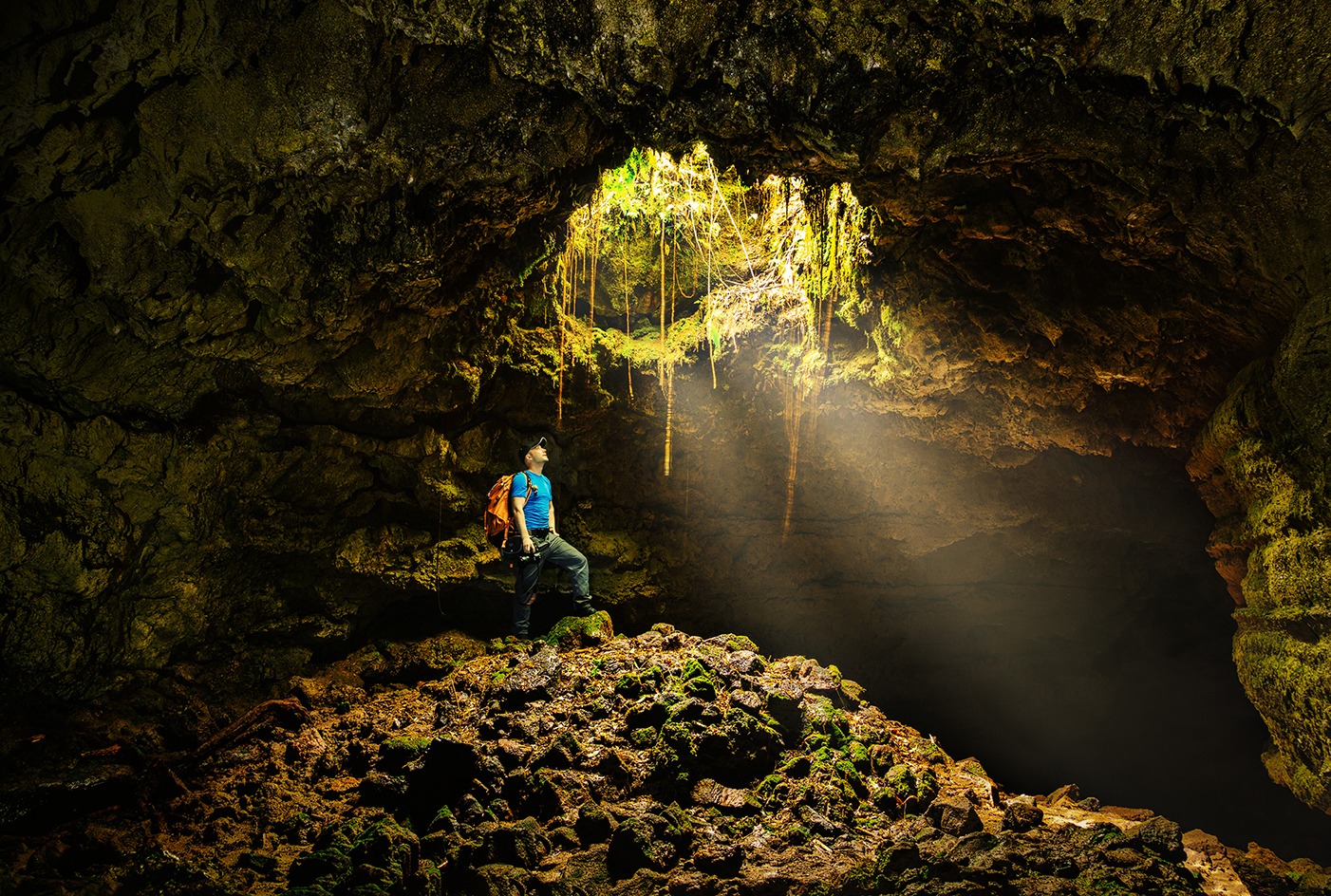
One of Terceira’s most extraordinary natural attractions is Algar do Carvão, an ancient volcanic chimney that allows visitors to descend deep into the interior of the earth. Moss-covered walls, lava formations, and a crystal-clear underground lake create an unforgettable experience unlike any other in the Azores.
Few places in the world offer the opportunity to walk inside the heart of an extinct volcano.
Nearby, Furnas do Enxofre reveals another reminder of the island’s volcanic origins. A network of walking trails passes steaming fumaroles, native vegetation, and areas where geothermal activity continues just below the surface. Interpretive signs explain the geological processes that continue to shape Terceira today.
The island’s highest viewpoints offer a different perspective. From Serra do Cume, visitors look out across an extraordinary patchwork of green pastures bordered by traditional stone walls, a landscape often described as one of the most beautiful panoramas in the Azores.
Along the coast, black volcanic cliffs meet the Atlantic, while lava flows have created natural swimming areas and dramatic rock formations that reflect the island’s volcanic past. Terceira’s landscapes may be quieter than its festivals, but they tell a story that began long before the first settlers arrived.
Outdoor Adventures
Terceira offers outdoor experiences that combine natural beauty with the island’s rich history.
An extensive network of hiking trails crosses forests, volcanic landscapes, coastal cliffs, and traditional farming communities. Some routes lead through native woodland, while others follow ancient footpaths once used to connect villages across the island. Along the way, hikers are rewarded with sweeping ocean views, historic chapels, and peaceful countryside that has changed little over the centuries.
For a more adventurous experience, descend into Algar do Carvão, one of the world’s few volcanic chimneys open to visitors. Exploring the cave offers a fascinating glimpse into the geological forces that created the Azores.
The Atlantic also plays an important role in outdoor life. Swimming, snorkeling, scuba diving, sailing, and seasonal whale and dolphin watching are all popular activities. The natural lava pools at Biscoitos provide one of the island’s favorite places to enjoy the sea, while the clear coastal waters attract divers eager to explore underwater lava formations and marine life.
Cycling is another enjoyable way to experience Terceira. Quiet country roads wind through green pastures, historic villages, and scenic viewpoints, allowing visitors to appreciate the island’s rural character at a relaxed pace.
Whether exploring underground caves, walking volcanic trails, or enjoying the Atlantic coastline, Terceira rewards travelers who enjoy discovering the island beyond its historic streets.
Towns & Villages
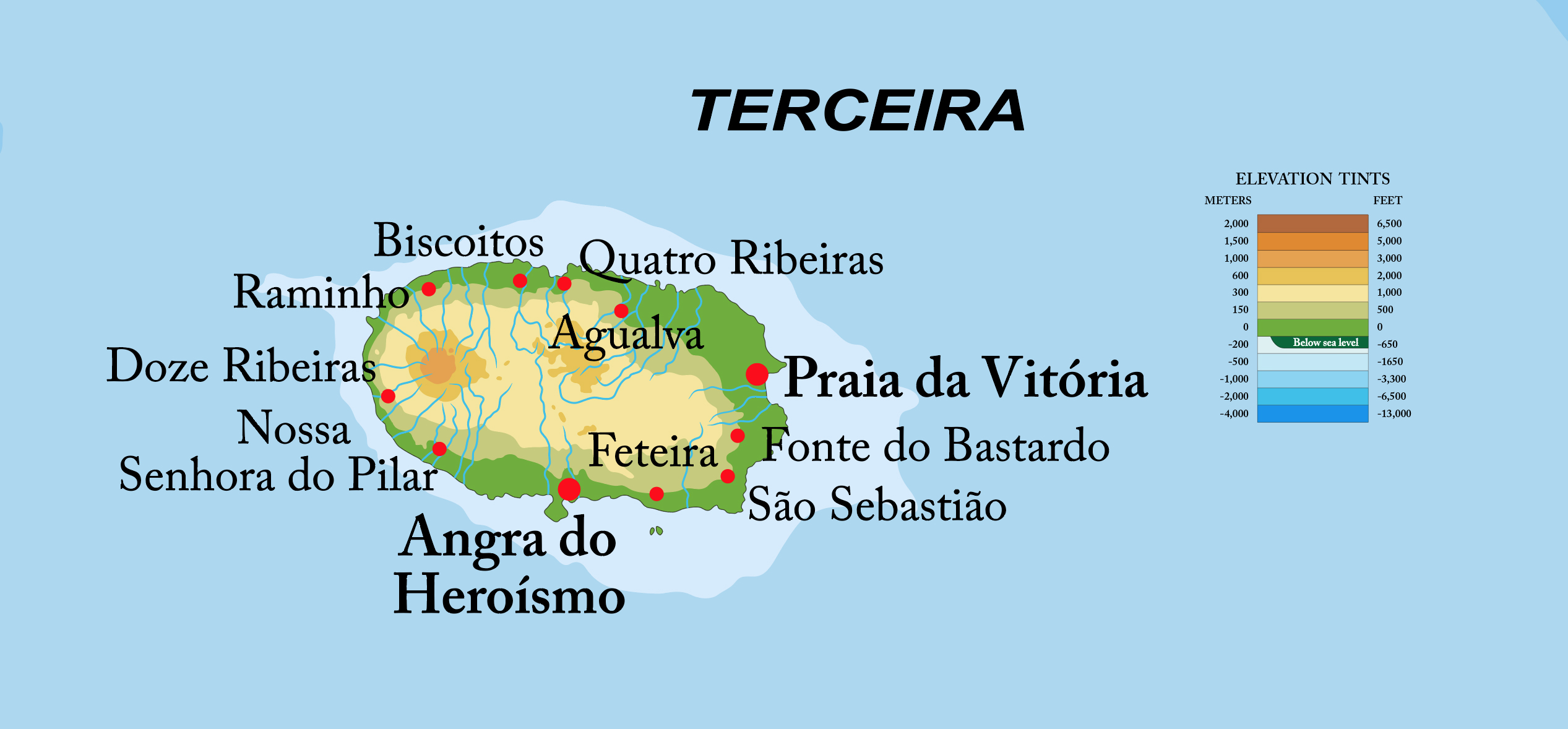
Terceira’s communities reflect centuries of history, tradition, and island pride. At the heart of the island is Angra do Heroísmo, one of Portugal’s most beautiful historic cities. Its colorful buildings, elegant churches, cobbled streets, and impressive fortifications earned it recognition as a UNESCO World Heritage Site. Yet Angra is far more than a historic landmark. It remains a vibrant city where cafés fill with conversation, markets bustle with activity, and residents continue traditions that have shaped the island for generations.
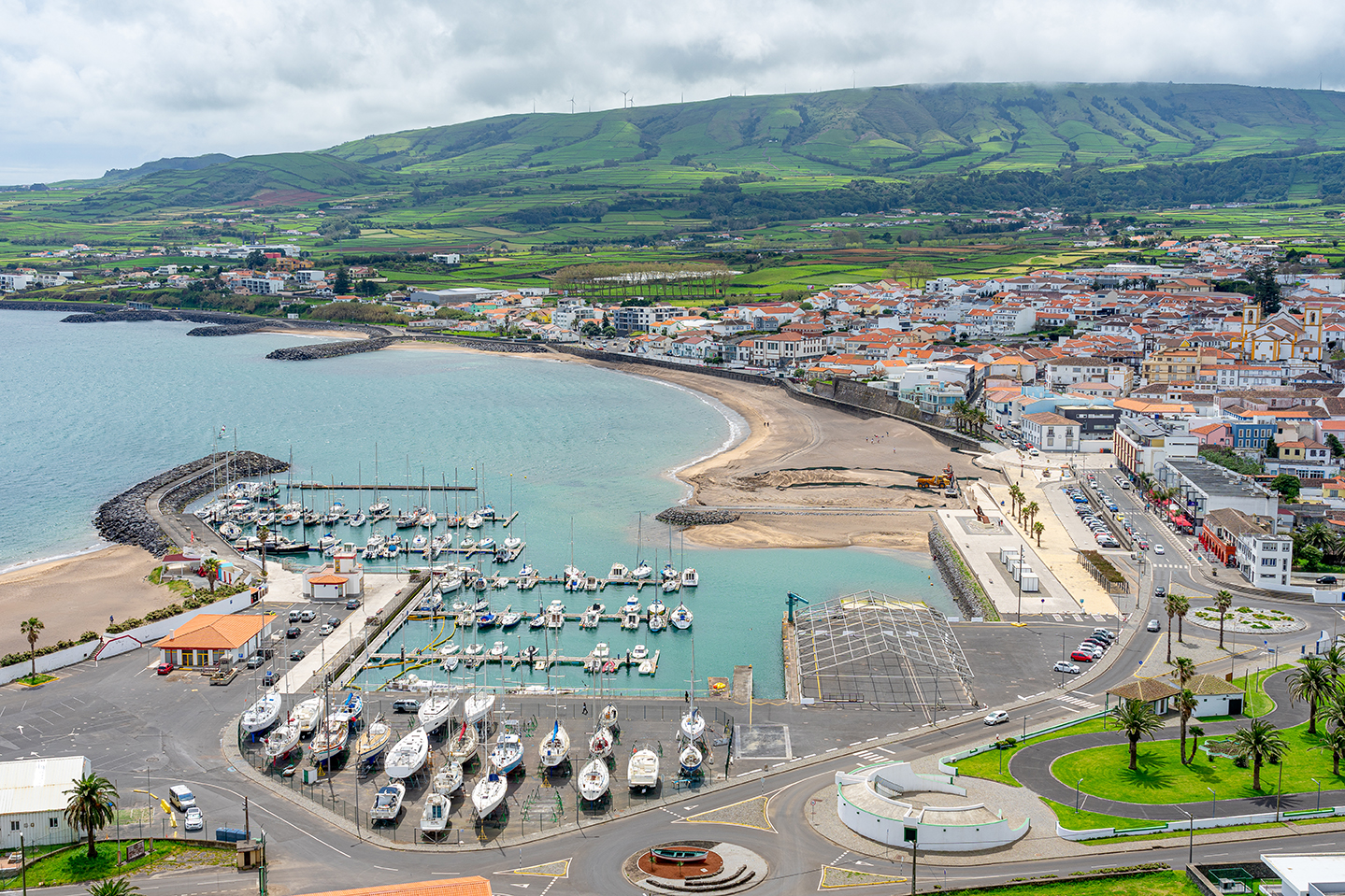
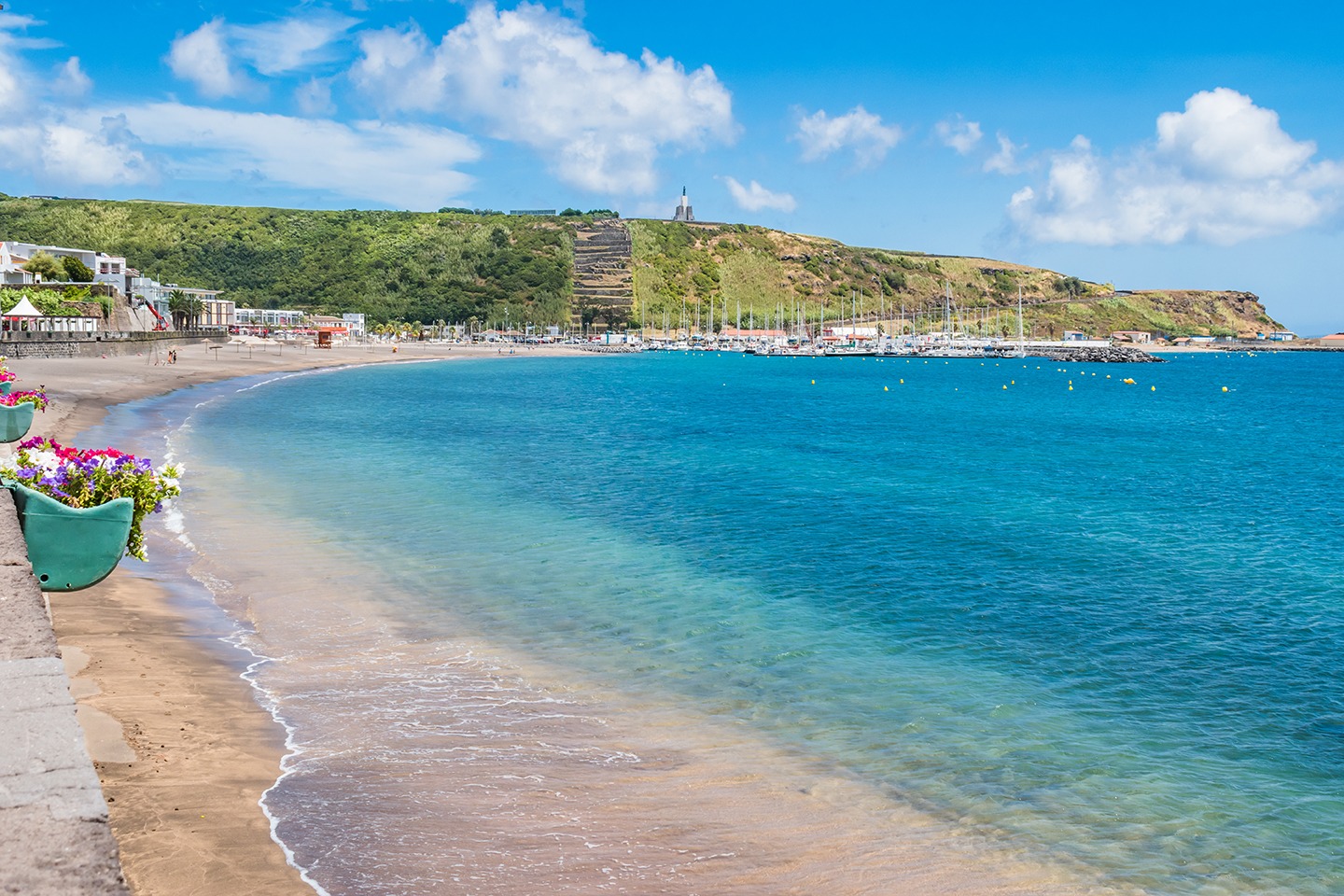
On the northern coast, Praia da Vitória offers a different atmosphere. Its broad marina, long waterfront promenade, and sandy beach create a relaxed setting that attracts both visitors and local families. The town also played an important role in Terceira’s maritime and military history, adding another layer to its character.
Beyond the two main cities, smaller villages preserve a slower pace of life. Whitewashed homes, parish churches, roadside chapels, and carefully maintained gardens reflect the island’s agricultural heritage and close-knit communities. During the summer, many villages become the center of local festivals, where neighbors gather to celebrate traditions that have been passed from one generation to the next.
Exploring Terceira’s towns reveals more than architecture.
It introduces visitors to the people who give the island its unmistakable character.
Along the Coast
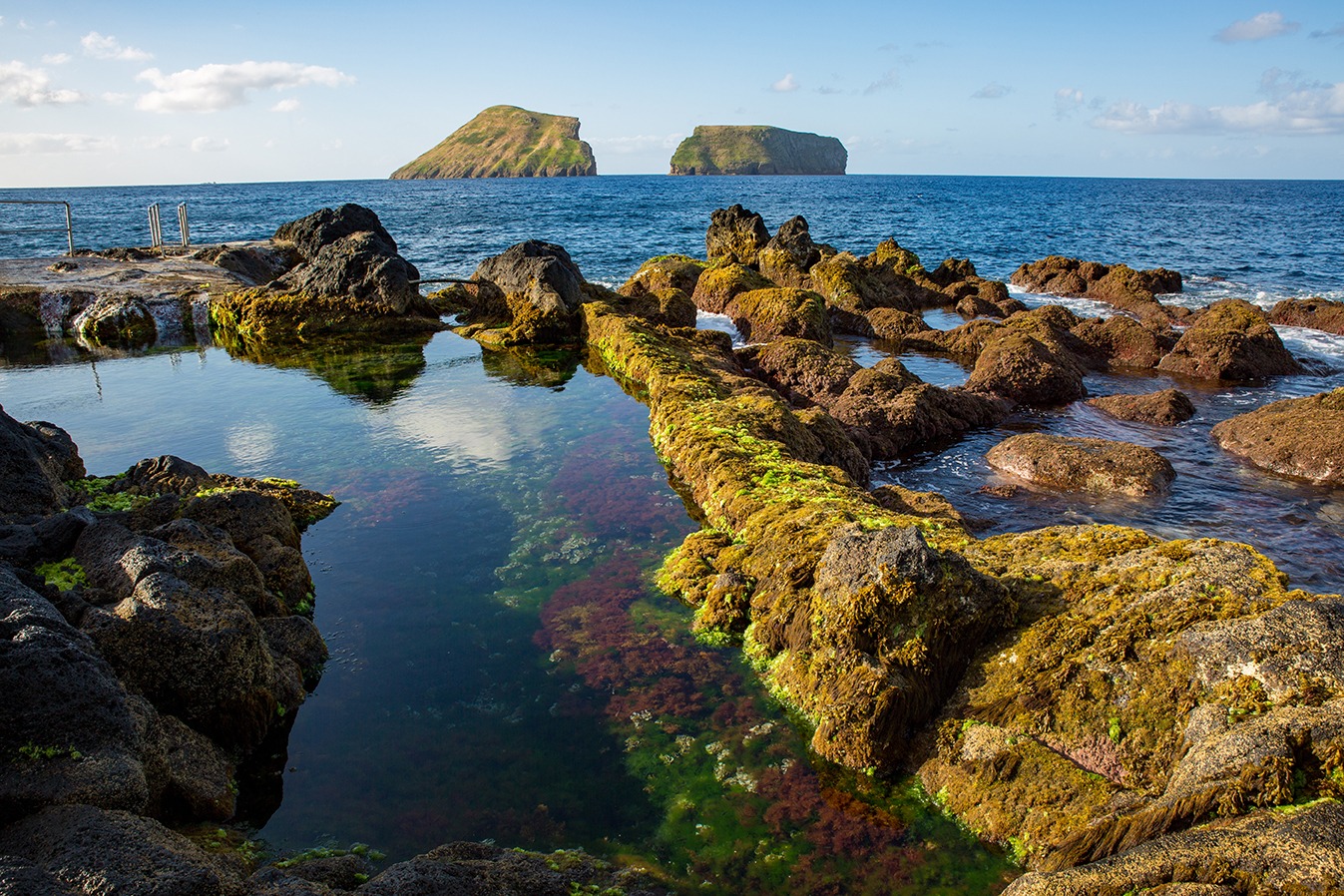
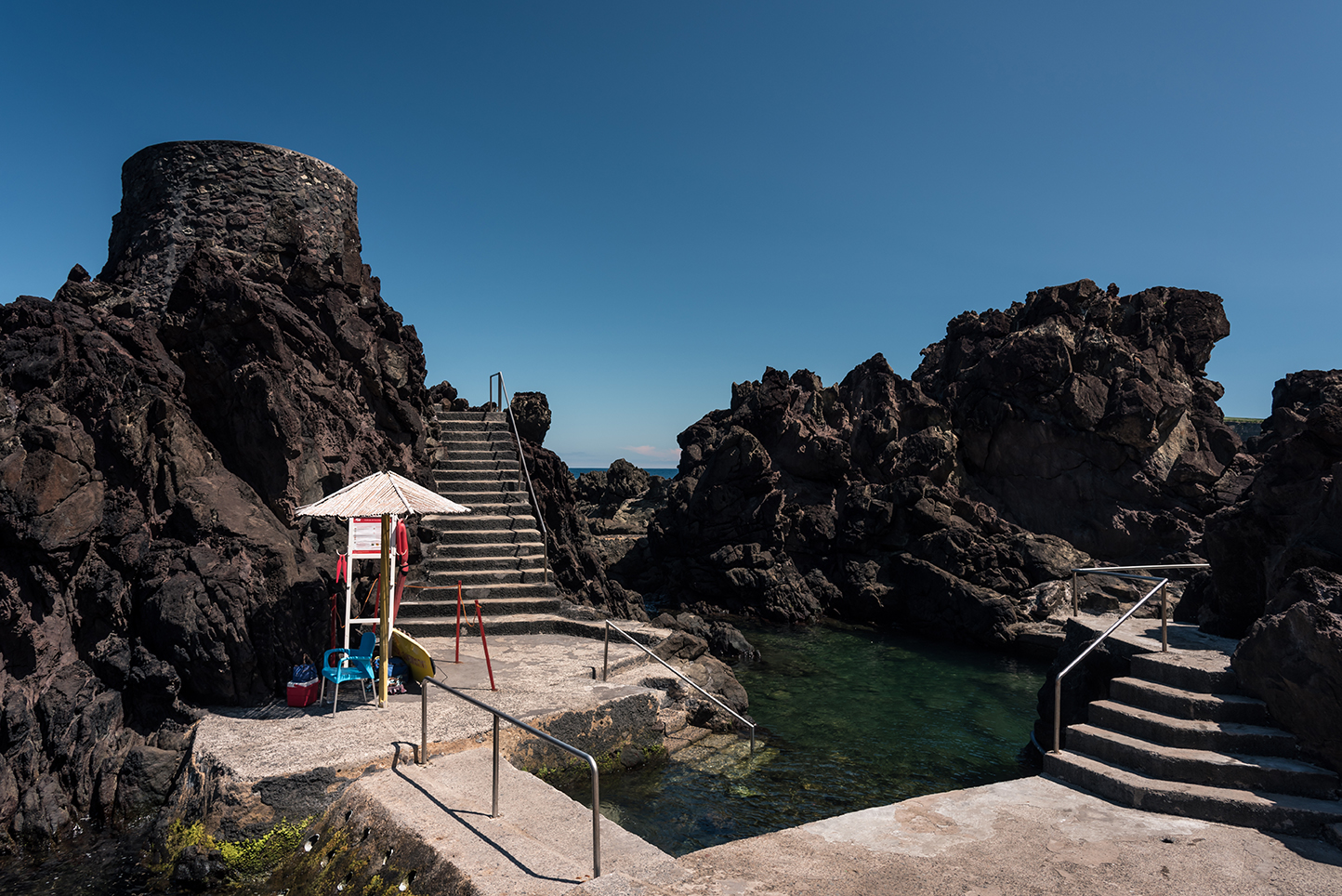
Terceira’s coastline is shaped by volcanic rock, powerful Atlantic waves, and centuries of maritime history. One of the island’s most popular coastal destinations is Biscoitos, where ancient lava flows have formed natural swimming pools filled with clear ocean water. During the warmer months, residents and visitors gather here to swim, relax, and enjoy one of the island’s most distinctive seaside settings.
The coastline is also dotted with historic fortresses that once defended ships traveling between Europe and the Americas. Fortaleza de São João Baptista, overlooking Angra do Heroísmo from Monte Brasil, stands as one of Portugal’s largest coastal fortifications and offers sweeping views of the harbor below.
Scenic coastal drives reveal dramatic cliffs, fishing villages, hidden coves, and countless opportunities to stop at a miradouro overlooking the Atlantic. Each stretch of shoreline tells another chapter in Terceira’s long relationship with the sea.
Whether you’re watching waves break against volcanic cliffs or enjoying a quiet afternoon beside the natural pools, the Atlantic remains an essential part of life on Terceira.
Family Experiences
Terceira offers families a wonderful combination of history, outdoor adventure, and cultural experiences.
Children enjoy exploring the underground passages of Algar do Carvão, climbing the trails around Monte Brasil, and swimming in the natural pools of Biscoitos. Historic fortresses, museums, and botanical gardens provide opportunities to learn while having fun, making the island an engaging destination for visitors of all ages.
Families visiting during the summer often discover that local festivals become some of their favorite memories. Music fills village streets, food stalls offer traditional specialties, and community celebrations create an atmosphere where everyone feels welcome.
The island’s compact size also makes it easy to explore without spending long hours in the car. Beaches, viewpoints, historic towns, and hiking trails are all within a short drive of one another, allowing families to enjoy a relaxed pace while experiencing a wide variety of attractions.
Terceira reminds us that some of the best family memories are created not by rushing from one attraction to the next, but by sharing experiences together.
Savor Terceira
Terceira’s cuisine is as generous as its people. Built on fresh local ingredients and centuries of tradition, the island’s food reflects its agricultural heritage, strong sense of community, and love of gathering around the table.
No dish is more closely associated with Terceira than Alcatra, the island’s signature beef stew. Slowly cooked for hours in a traditional clay pot with local wine, garlic, onions, bacon, and spices, the result is a rich, tender meal often served during festivals, family celebrations, and Sunday gatherings. Every family has its own recipe, making Alcatra as much a tradition as a favorite meal.
Fresh seafood also plays an important role in island cuisine. Tuna, grouper, octopus, limpets (lapas), and locally caught fish appear on menus throughout the island, often prepared simply to highlight their freshness. Along the coast, small restaurants serve the day’s catch alongside locally grown vegetables and homemade bread.
Terceira’s fertile pastures produce excellent dairy products, including butter and cheeses enjoyed throughout the Azores. Traditional pastries, sweet breads, and local desserts complete nearly every meal, while cafés invite visitors to linger over coffee and conversation.
Meals on Terceira are rarely rushed.
They’re a celebration of family, friendship, and hospitality.
Sharing food has always been one of the island’s favorite ways of bringing people together.
Local Favorite
Ask someone from Terceira where they go to relax, and many will tell you to head for Monte Brasil. While visitors often come for the panoramic views of Angra do Heroísmo, residents return again and again for the peaceful walking trails, shaded picnic areas, and quiet overlooks scattered throughout this ancient volcanic peninsula.
Take your time exploring the winding roads and forested paths. Watch sailboats enter the harbor, listen to birdsong beneath the trees, or simply enjoy one of the island’s finest views without feeling the need to hurry.
Monte Brasil isn’t just one of Terceira’s best viewpoints.
It’s one of the places where local life quietly unfolds.
Picture Perfect
Terceira offers photographers an extraordinary combination of historic architecture, volcanic landscapes, dramatic coastlines, and colorful festivals.
Best Sunrise
Serra do Cume
Watch the first light spread across the island’s famous patchwork of green fields, one of the most recognizable landscapes in the Azores.
Best Sunset
Monte Brasil
As the sun sets behind the Atlantic, Angra do Heroísmo glows beneath the cliffs while the harbor slowly comes alive with evening lights.
The Classic View
Angra do Heroísmo Waterfront
Historic buildings, colorful façades, church towers, and the marina create one of Portugal’s most beautiful urban landscapes.
Worth the Short Walk
Algar do Carvão
Few places offer photographs quite like the interior of an ancient volcanic chimney, where moss-covered walls descend toward an underground lake.
Most Peaceful Spot
Mata da Serreta
This tranquil forest reserve offers walking paths through native vegetation, creating a peaceful contrast to the island’s lively towns and festivals.
Best Coastal View
Biscoitos
The contrast of black volcanic lava, clear Atlantic water, and natural swimming pools creates one of Terceira’s most iconic coastal scenes.
Returning Home:
Reconnecting with Your Azorean Heritage
For many families throughout North America, Terceira has never been far from home.
Generations of Terceirenses built new lives in the United States, Canada, Bermuda, and beyond while preserving the traditions, recipes, music, and religious celebrations that connected them to the island. Today, many return to introduce children and grandchildren to the places where their family’s story began.
Walking through Angra do Heroísmo, attending a village festival, or visiting the parish church where an ancestor was baptized often creates a connection that extends far beyond genealogy. Family names appear on shop signs, cemetery monuments, and church records, reminding visitors that the island’s history is also their own.
If you’re researching your heritage, begin with your family’s freguesia (parish). Parish churches, municipal archives, and local historical societies preserve records that may help uncover generations of family history. Local residents are often proud to share stories about their communities, and conversations frequently become some of the most meaningful moments of a visit.
Even if your ancestors came from another island, Terceira offers something every visitor can appreciate.
A deep respect for history.
A strong sense of community.
And a reminder that traditions remain strongest when they continue to be shared.
Festivals & Traditions
To truly understand Terceira, experience the island during one of its festivals.
Throughout the year, streets fill with music, churches welcome worshippers, brass bands lead colorful parades, and entire communities gather to celebrate traditions that have shaped island life for centuries. While every Azorean island treasures its festivals, Terceira is especially renowned for the enthusiasm and pride with which it celebrates them.
For many families living abroad, these festivities are more than annual events—they are homecomings.
Sanjoaninas
Season: June
The Sanjoaninas are the largest and most famous celebrations on Terceira, transforming Angra do Heroísmo into a city-wide festival honoring Saint John the Baptist. For more than a week, historic streets come alive with concerts, cultural performances, parades, marching bands, sporting events, food vendors, exhibitions, and beautifully decorated public spaces. Residents and visitors fill the city from morning until late at night, creating an atmosphere unlike any other in the Azores.
Although the festival has religious origins, today it celebrates every aspect of Terceiran culture, combining centuries-old traditions with contemporary entertainment.
What You'll Experience
Travel Tip: Reserve accommodations well in advance. Sanjoaninas is one of the busiest weeks of the year on Terceira.
Touradas à Corda (Bullfights on a Rope)
Season: Primarily May through September
One of Terceira’s most distinctive traditions is the Tourada à Corda, or bullfight on a rope.
Unlike the formal bullrings found elsewhere, these community events take place on village streets where a bull, guided by experienced handlers using a long rope, runs through a carefully managed course. Residents gather along balconies, walls, and temporary viewing areas while participants test their agility by interacting with the animal.
For many Terceirenses, the Tourada à Corda is an important cultural tradition that brings neighbors and families together throughout the summer.
What You'll Experience
Travel Tip: Watch from designated spectator areas and always follow the guidance of local organizers. The event is both exciting and deeply rooted in local custom.
Festas do Espírito Santo
Season: Spring through Early Summer
Throughout Terceira, villages celebrate the Holy Spirit with beautifully decorated Impérios, religious processions, brass bands, community meals, and ceremonies that emphasize generosity and hospitality. These celebrations remain among the island’s most cherished traditions and continue to unite generations of Terceiran families both on the island and abroad.
What You'll Experience
Travel Tip: Visitors are warmly welcomed and encouraged to observe these celebrations respectfully.
Carnival on Terceira
Season: February or March
Carnival on Terceira is unlike anywhere else in Portugal.
Instead of large commercial parades, local amateur theater groups perform humorous musical productions known as Danças and Bailinhos de Carnaval in community halls across the island. These performances combine satire, music, storytelling, and island humor, drawing enthusiastic audiences year after year.
For many residents, Carnival is one of the highlights of the cultural calendar.
What You'll Experience
Travel Tip: Even if you don’t speak Portuguese fluently, the music, costumes, and energy make the
performances enjoyable.
Christmas & Holy Week
Christmas and Easter remain deeply meaningful celebrations throughout Terceira.
Churches host special liturgies, choirs perform seasonal music, and families gather around tables filled with traditional foods. Holy Week processions reflect centuries of faith, while Christmas brings festive lights, nativity displays, and community concerts to towns and villages across the island.
Planning Your Visit
Festival dates vary each year, particularly religious celebrations that follow the liturgical calendar. If you’re planning your visit around a specific event, consult the official tourism office or municipal calendar before making travel arrangements.
Hotels and local accommodations often reach capacity during Sanjoaninas and other major festivals, so early reservations are recommended.
Frequently Asked Questions
How many days should I spend on Terceira?
Four to six days provides enough time to explore Angra do Heroísmo, natural attractions, scenic drives, hiking trails, and local festivals while enjoying the island’s relaxed pace.
Why is Angra do Heroísmo a UNESCO World Heritage Site?
Its remarkably preserved Renaissance street plan, historic architecture, and importance during the Age of Discovery earned the city UNESCO recognition in 1983.
What is Terceira best known for?
Terceira is famous for Angra do Heroísmo, Sanjoaninas, Touradas à Corda, Algar do Carvão, Biscoitos, Monte Brasil, and its rich cultural traditions.
Is Terceira a good destination for families?
Yes. Historic sites, volcanic caves, natural swimming pools, festivals, museums, and outdoor activities provide something for every generation.
Do I need a rental car?
Yes. Although Angra do Heroísmo is easily explored on foot, renting a car makes it much easier to visit the island’s scenic viewpoints, villages, and natural attractions.
Is English widely spoken?
English is commonly spoken in hotels, restaurants, and tourism-related businesses. Learning a few Portuguese greetings is always appreciated.
Until Next Time...
Terceira is an island that reminds us history isn’t confined to museums or monuments. It lives in conversations shared over dinner, in the music that fills village squares during festivals, and in traditions that continue to bring families together year after year.
Perhaps you’ll remember standing inside an ancient volcano, watching the sunset from Monte Brasil, or wandering the colorful streets of Angra do Heroísmo.
Or perhaps your favorite memory will be the warmth of the people who welcomed you as though you had always belonged.
That’s Terceira.
An island where the past and present continue to walk side by side.
Whether you’ve come to explore its remarkable history or reconnect with your family’s heritage, we hope Terceira inspires you to return again.
Every island tells its own story. We hope you’ll discover them all.
Explore the Other Azores Islands
Every island in the Azores offers its own landscapes, traditions, and unforgettable experiences. While Terceira is often the first stop for many travelers, it’s only the beginning of the journey.
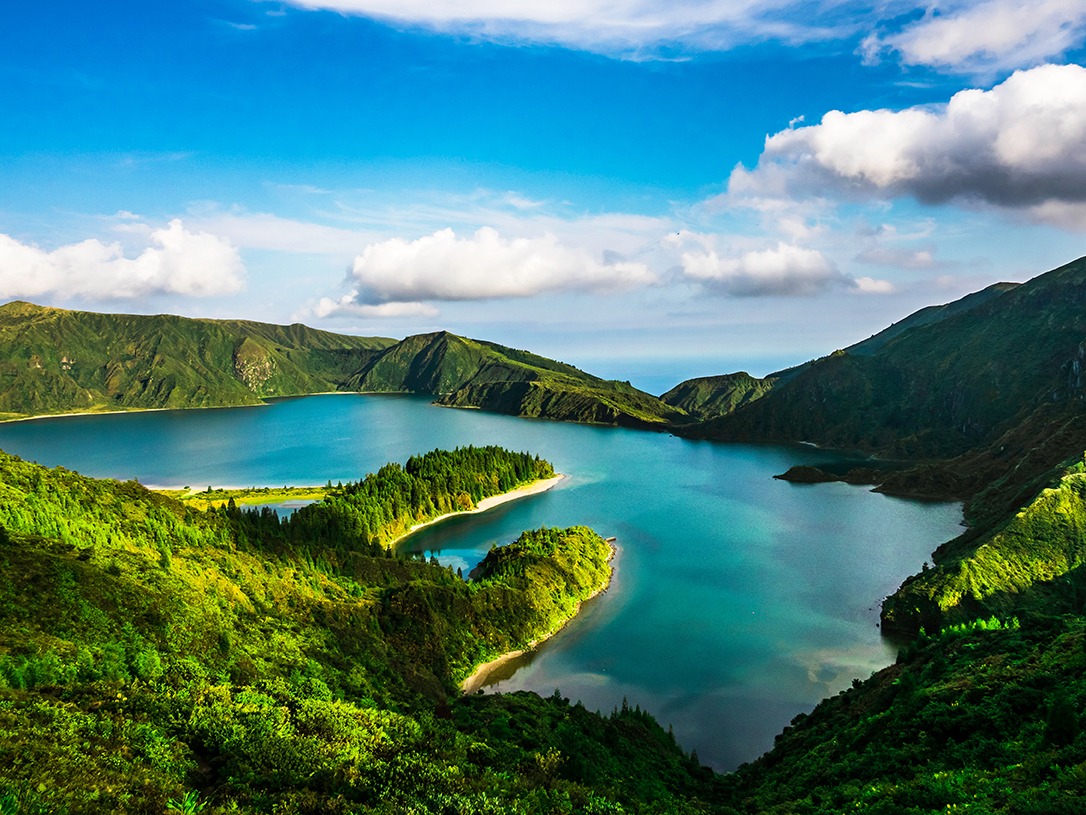
São Miguel
Known as the Green Island, São Miguel is famous for its volcanic crater lakes, geothermal hot springs, lush landscapes, tea plantations, and charming towns. As the largest island in the Azores, it offers the perfect blend of natural beauty, adventure, and local culture.
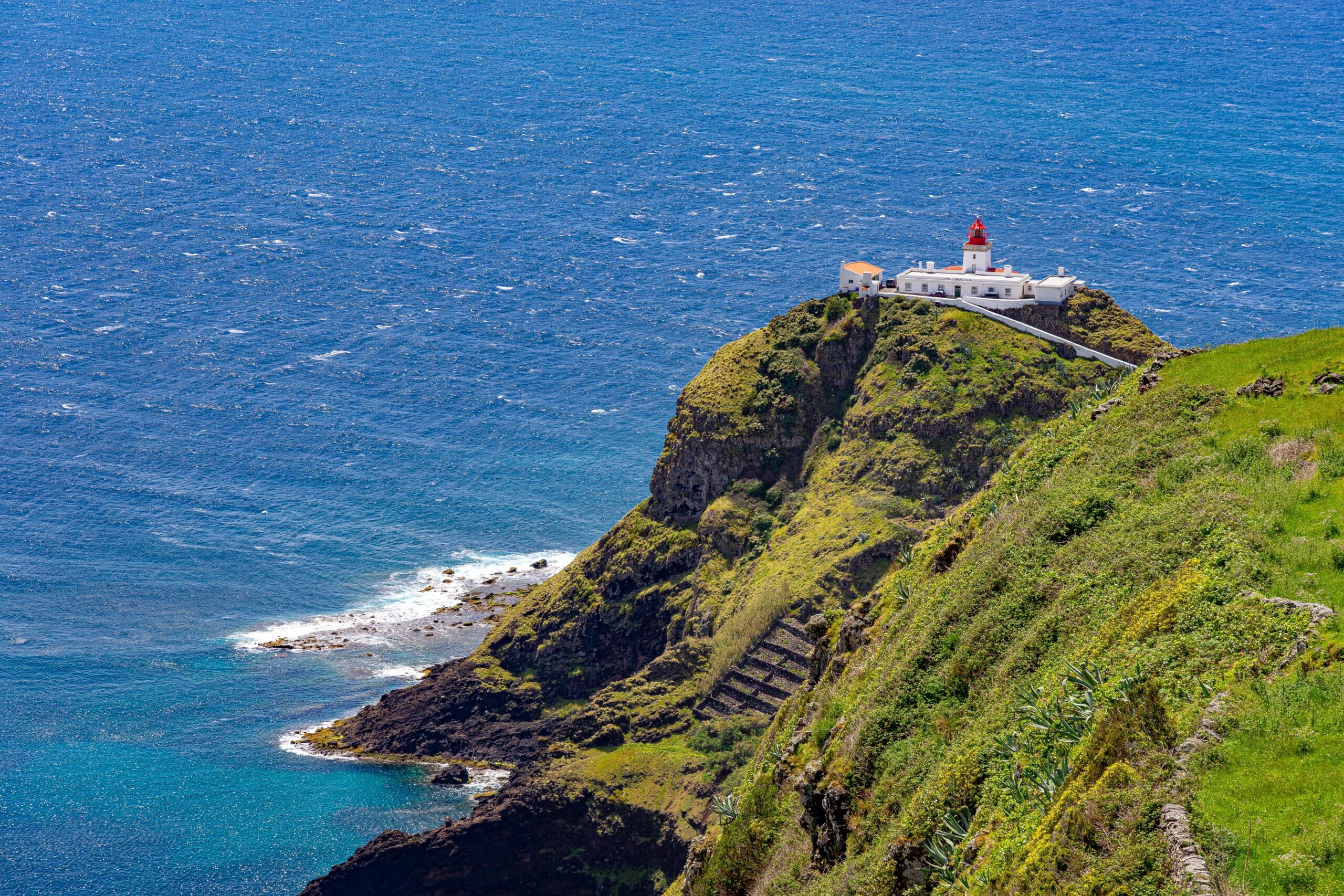
Santa Maria
Known as the Island of the Sun, Santa Maria is famous for its golden sandy beaches, warm climate, fossil-rich coastline, and relaxed pace of life. It’s the perfect destination for visitors looking to unwind while enjoying one of the oldest islands in the archipelago.
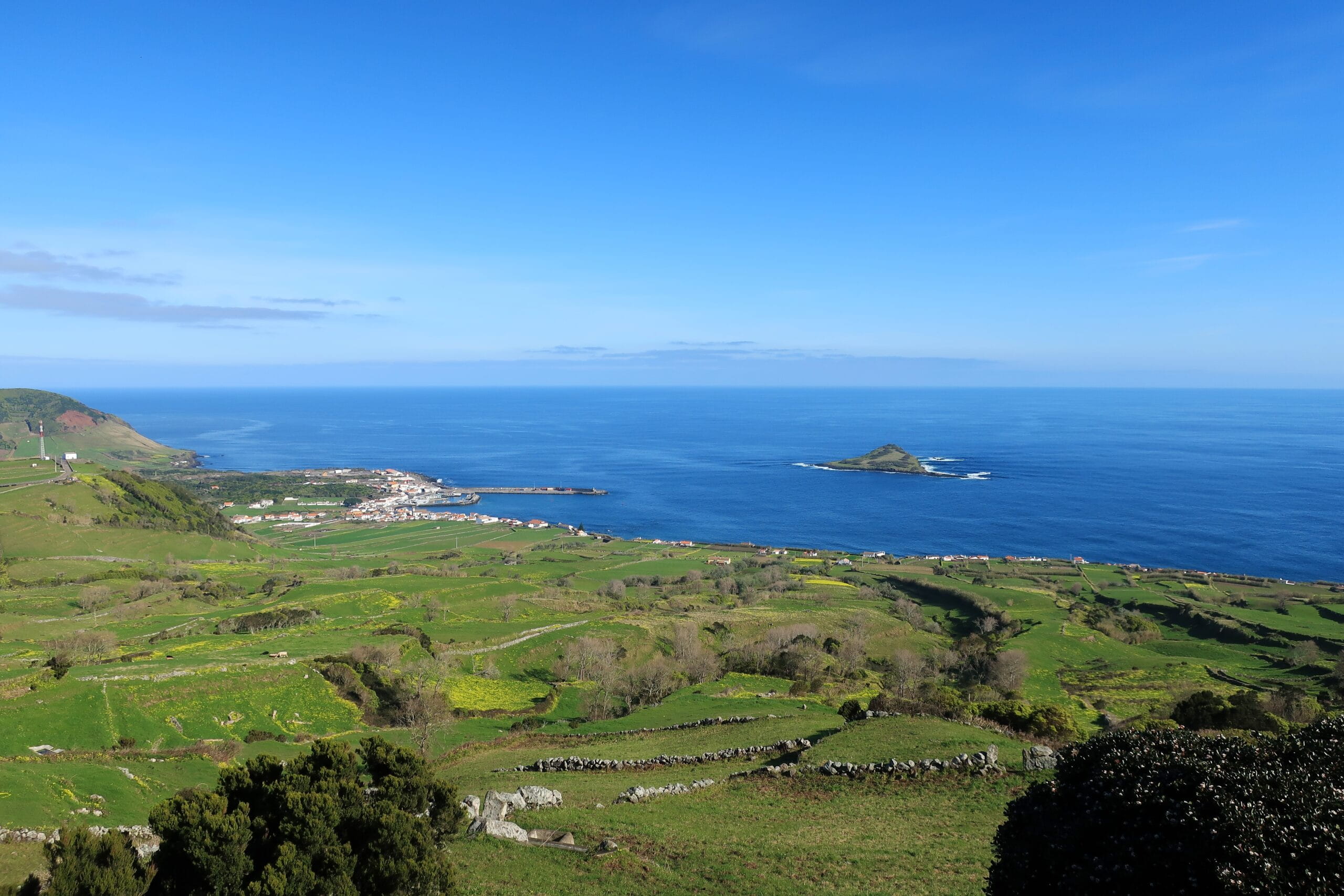
Graciosa
Peaceful, welcoming, and wonderfully unhurried, Graciosa is known for its whitewashed villages, traditional windmills, vineyards, and the remarkable Furna do Enxofre volcanic cave. It’s an island where quiet moments become lasting memories.
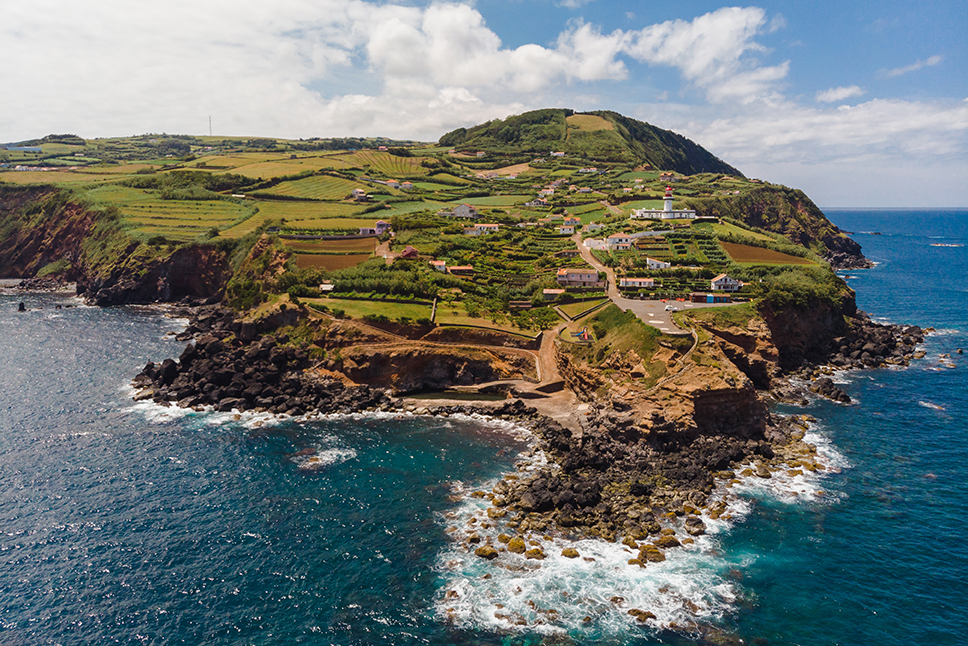
São Jorge
Steep cliffs, dramatic fajãs, scenic hiking trails, and the island’s world-famous cheese define São Jorge. Nature lovers and outdoor enthusiasts will discover breathtaking landscapes unlike anywhere else in the Azores.
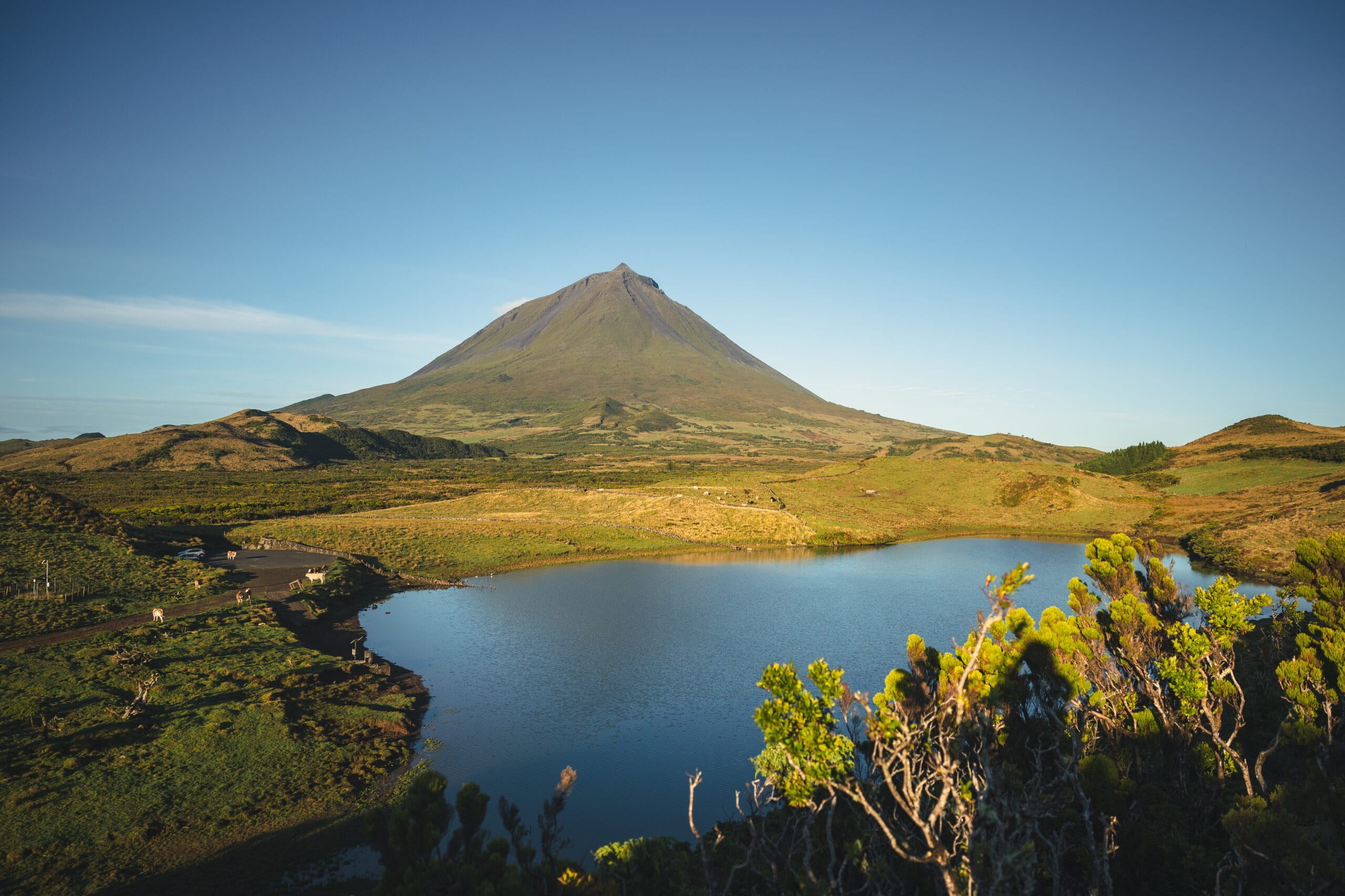
Pico
Dominated by Portugal’s highest mountain, Pico combines volcanic landscapes with UNESCO-listed vineyards, a rich whaling heritage, and some of the best whale watching in the Atlantic. It’s an island that celebrates both the sea and the mountain that gives it its identity.
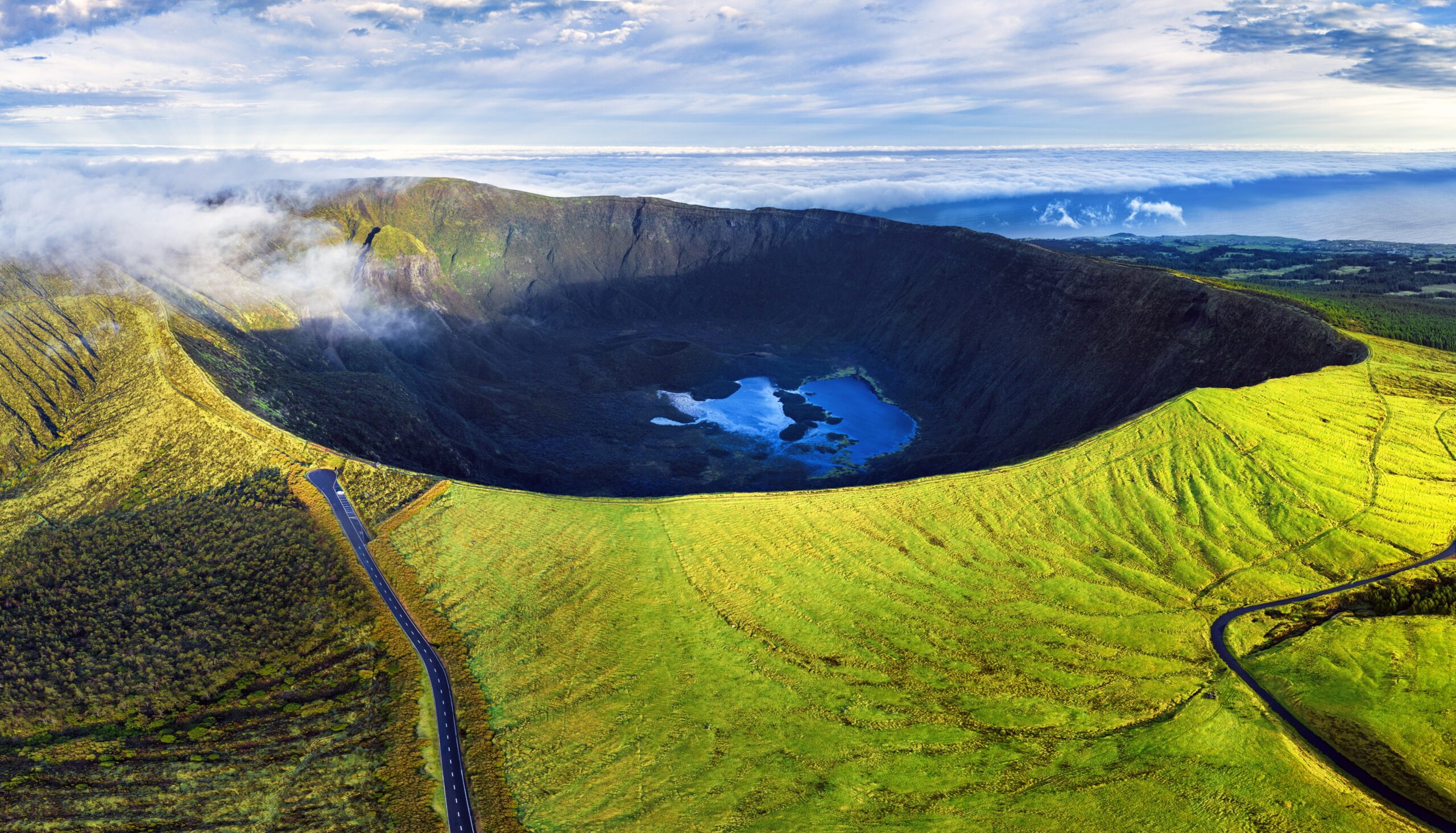
Faial
Known as the Blue Island, Faial welcomes sailors from around the world to the historic marina in Horta. Visitors also come to explore the dramatic Capelinhos Volcano, walk the rim of the Caldeira, and enjoy spectacular views of neighboring Pico.
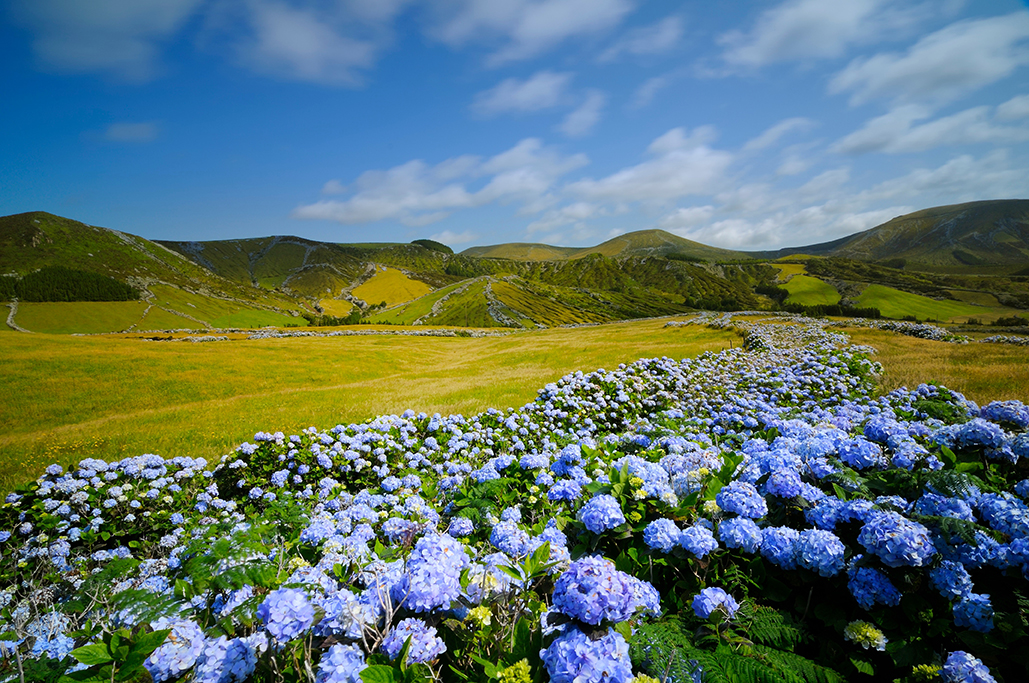
Flores
Often considered one of Europe’s most beautiful islands, Flores is a paradise of waterfalls, crater lakes, lush valleys, and dramatic cliffs. Nature is never far away, making every drive and every hike unforgettable.
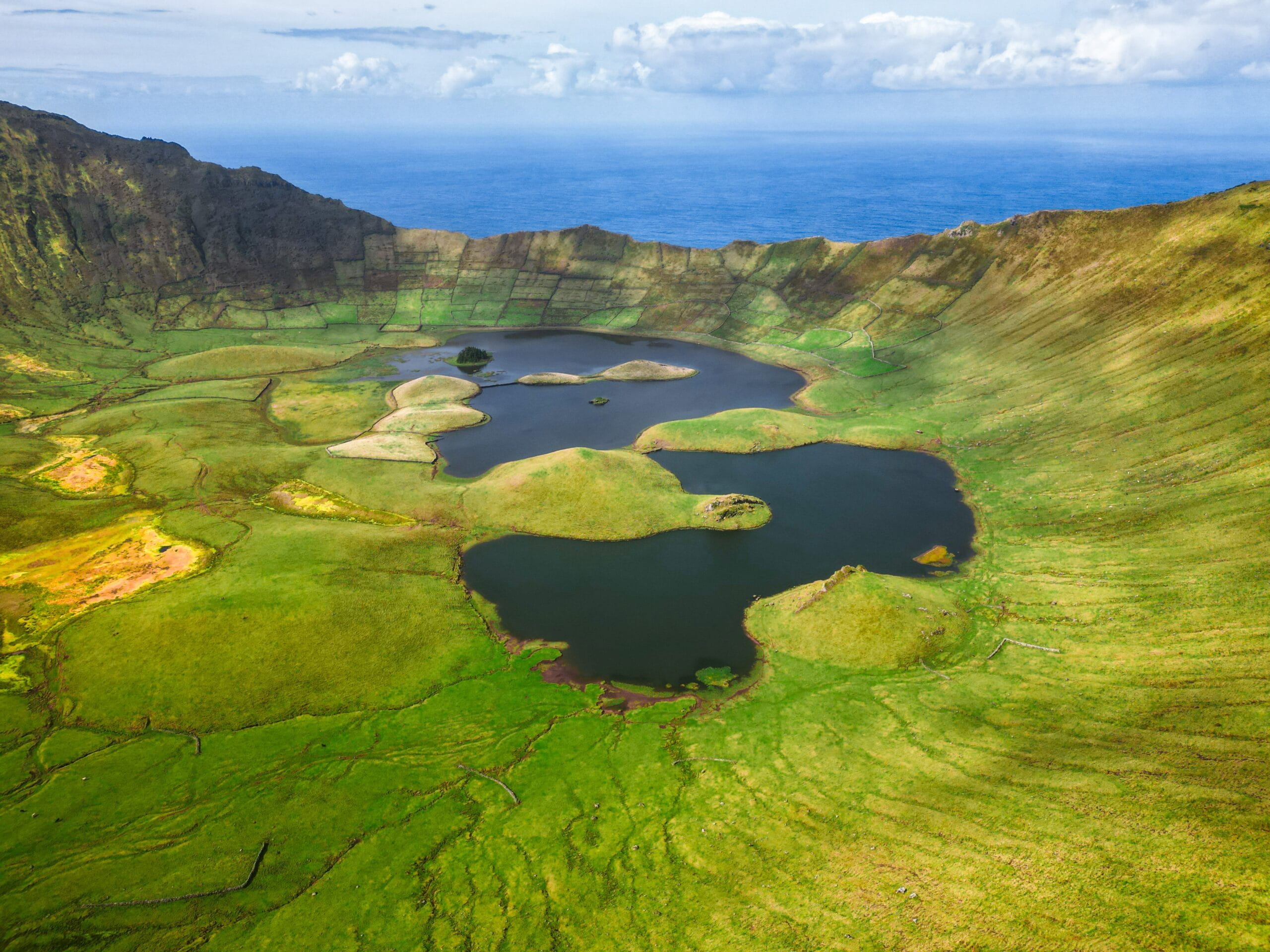
Corvo
The smallest island in the Azores offers one of its greatest rewards—peace. Home to a single village and the spectacular Caldeirão volcanic crater, Corvo invites visitors to slow down and experience island life at its simplest and most authentic.