Discover Faial, Azores
Where Sailors Find Their Way Home
Welcome to Faial
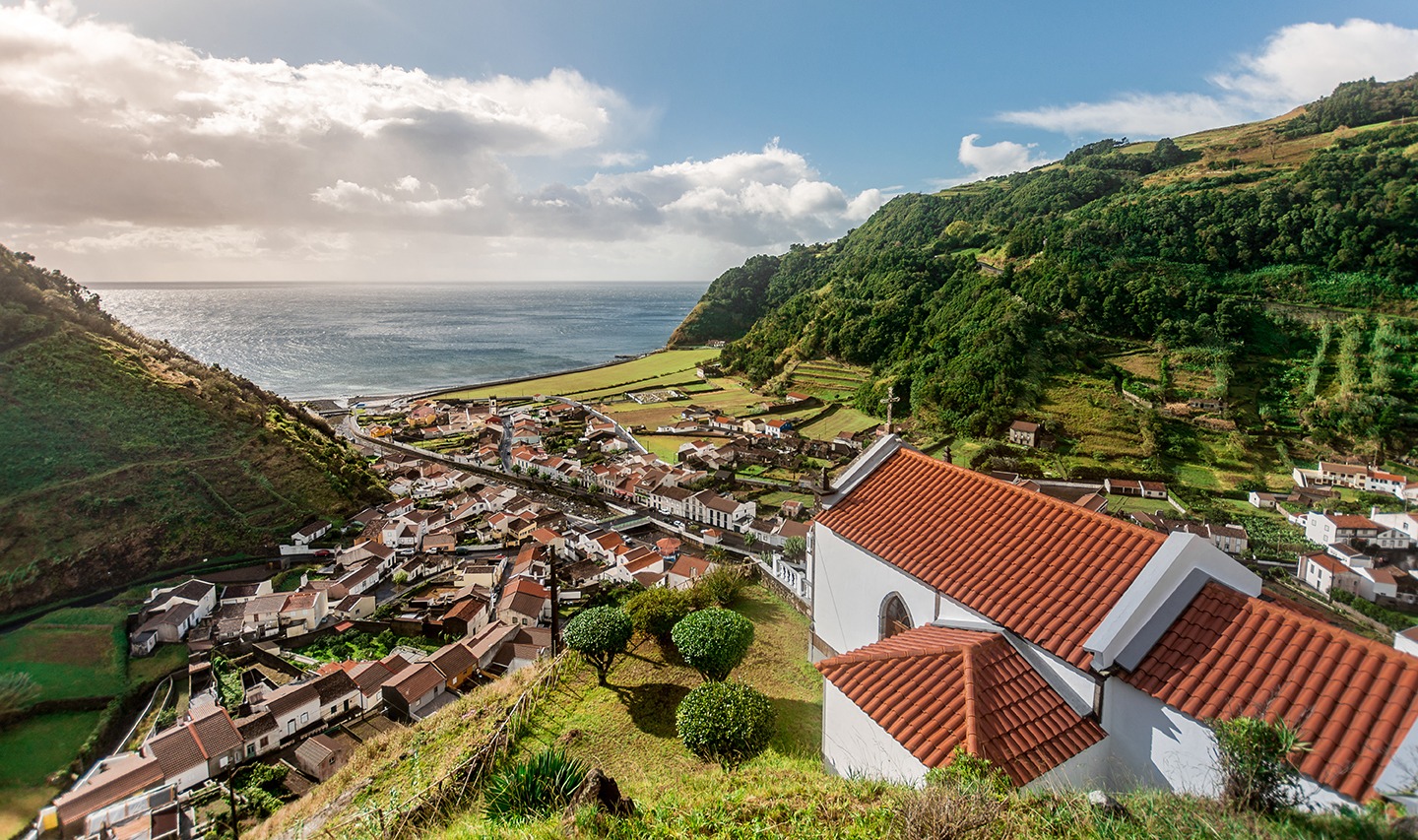
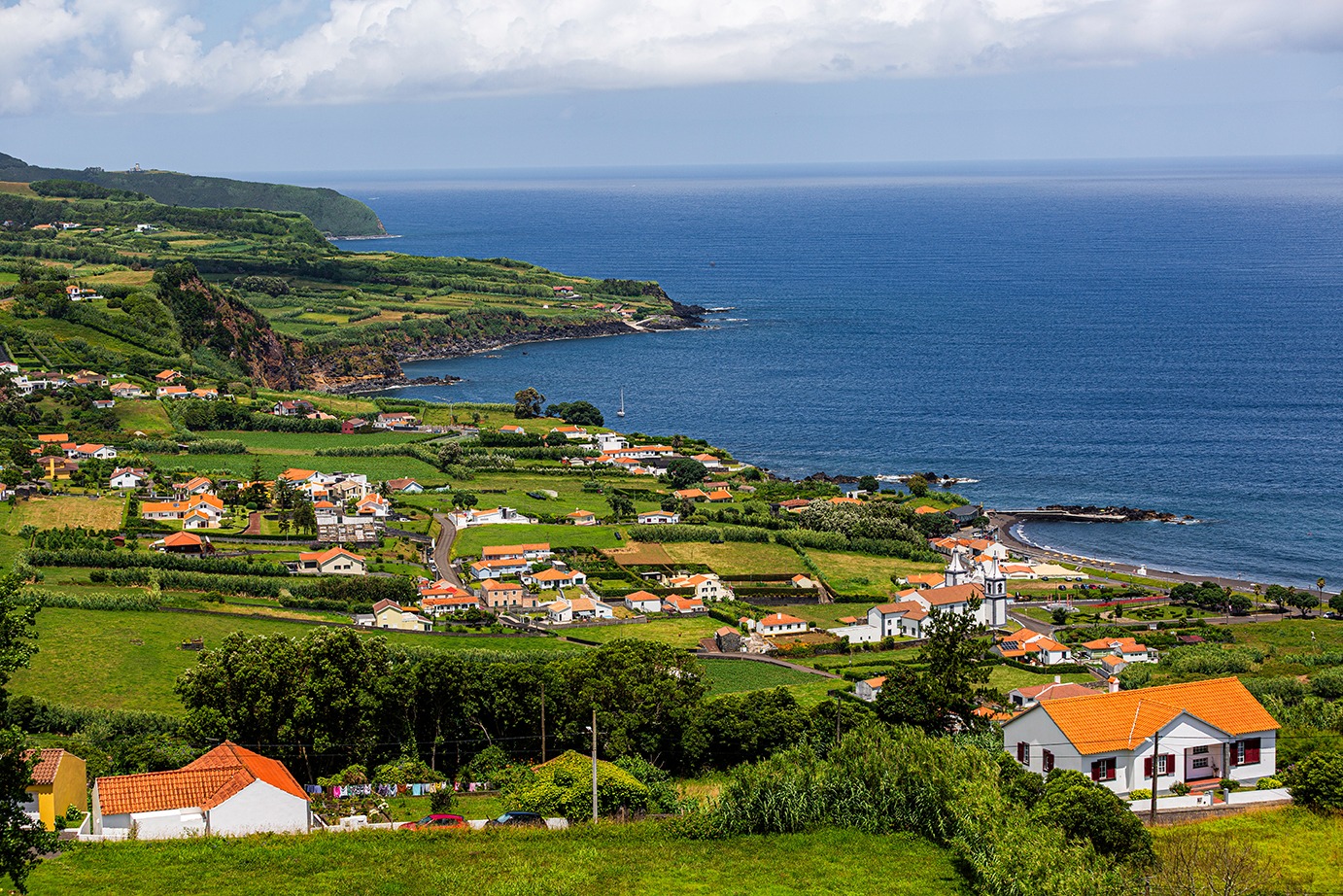
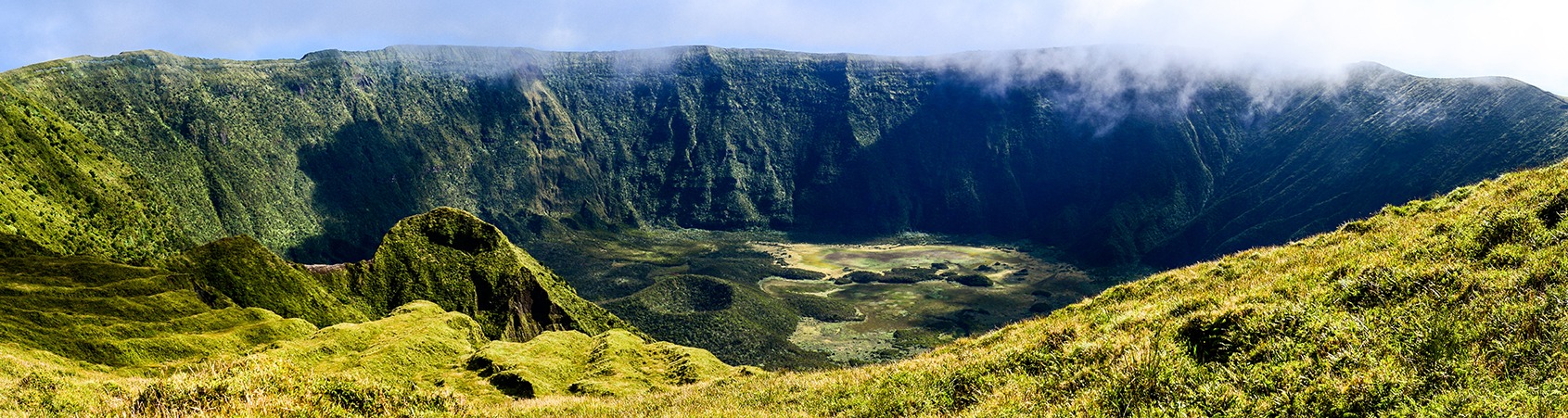
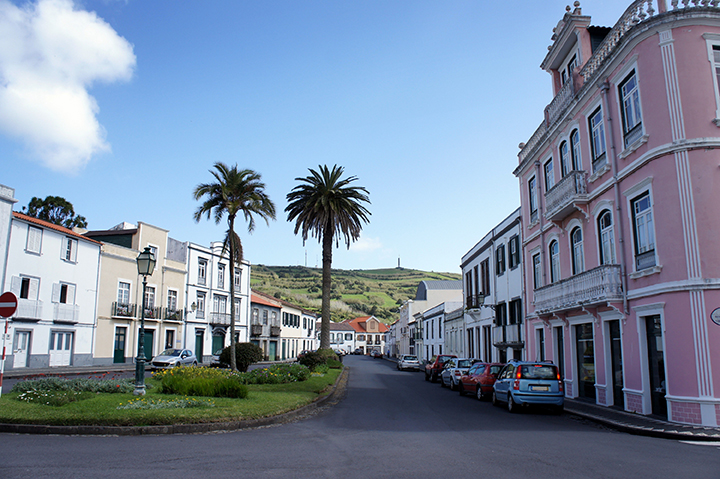
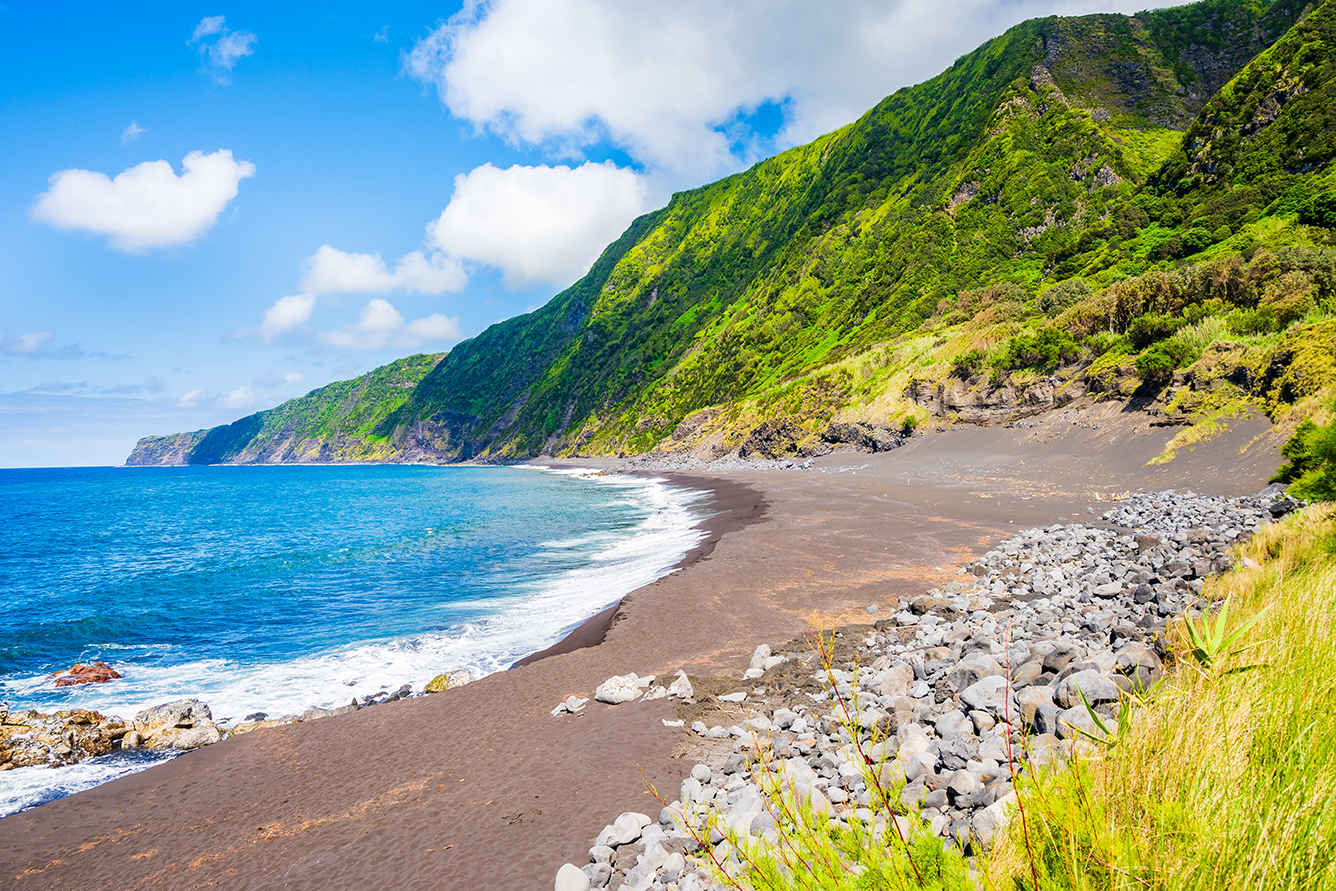
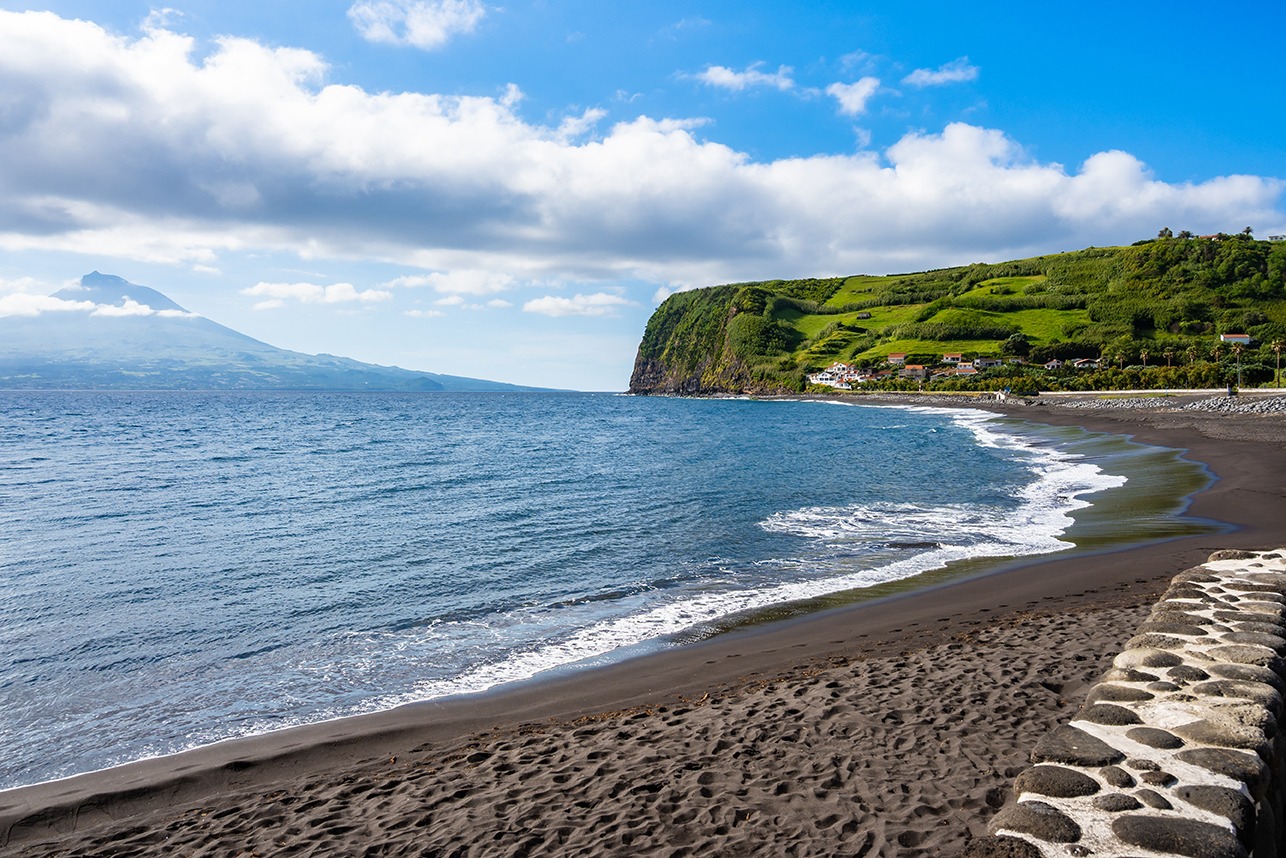
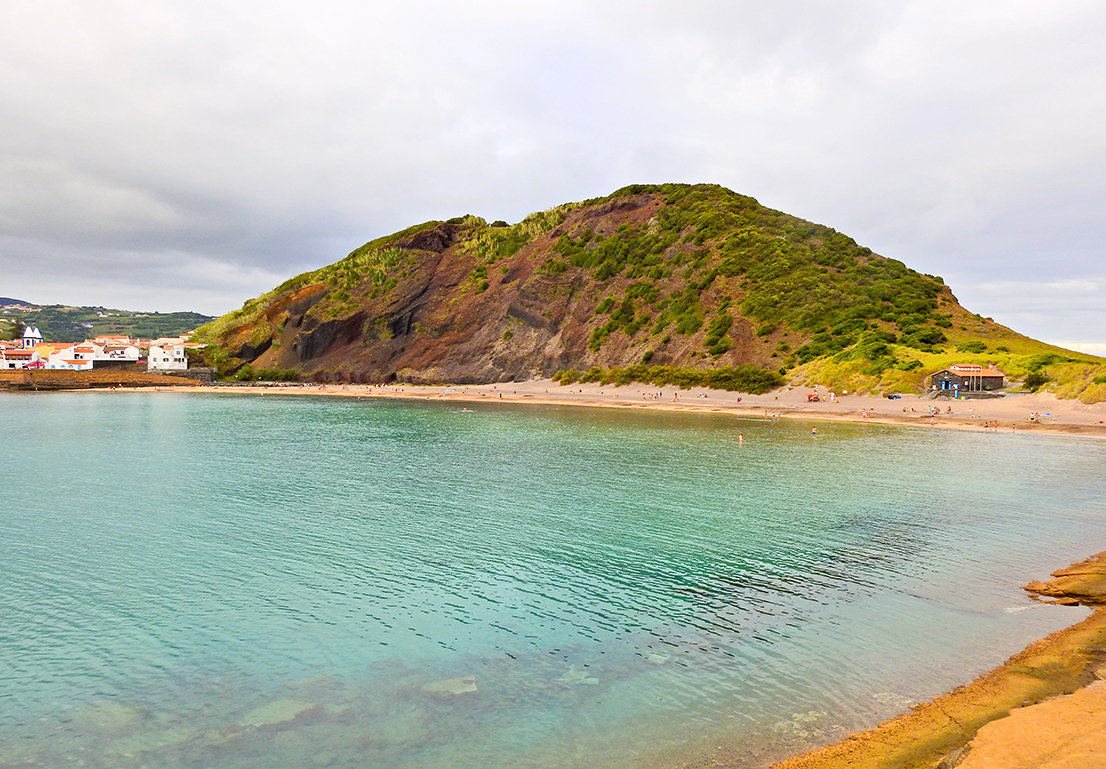
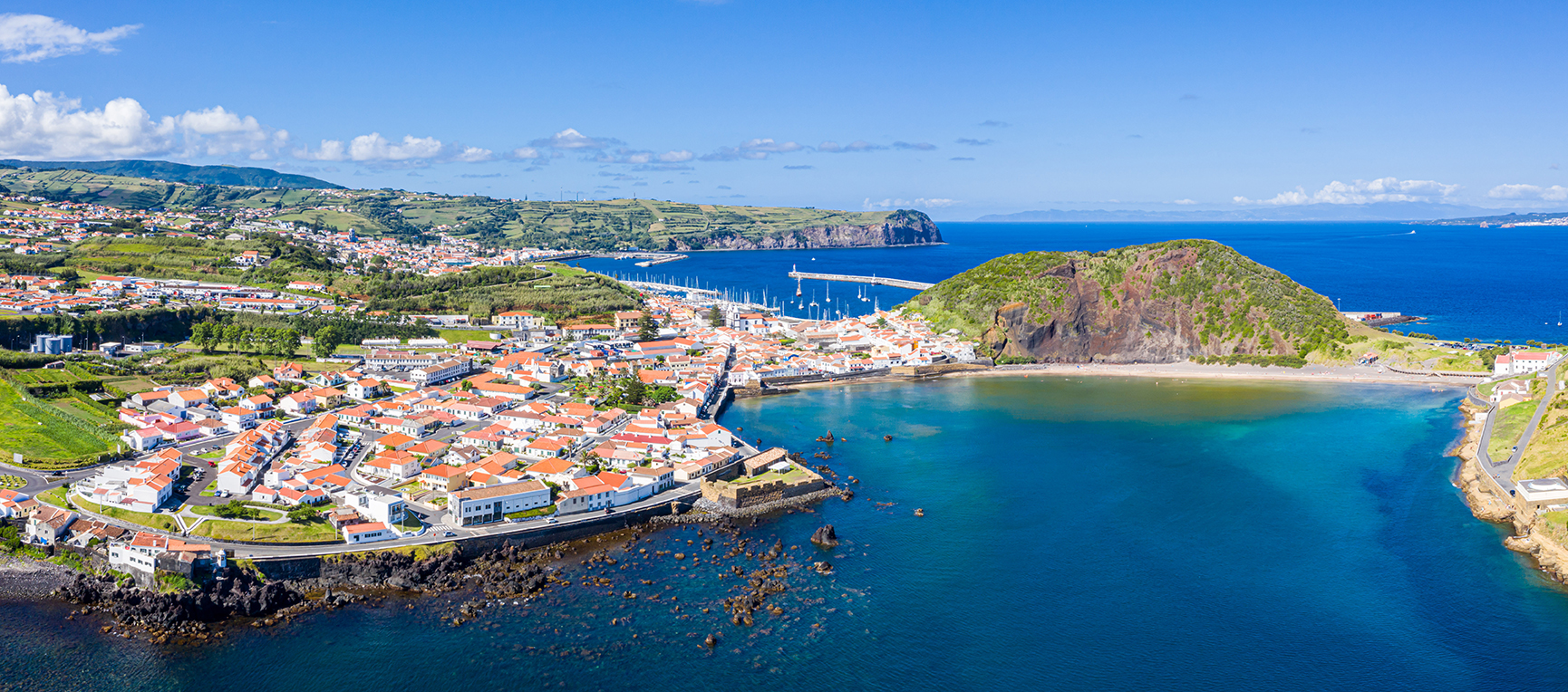
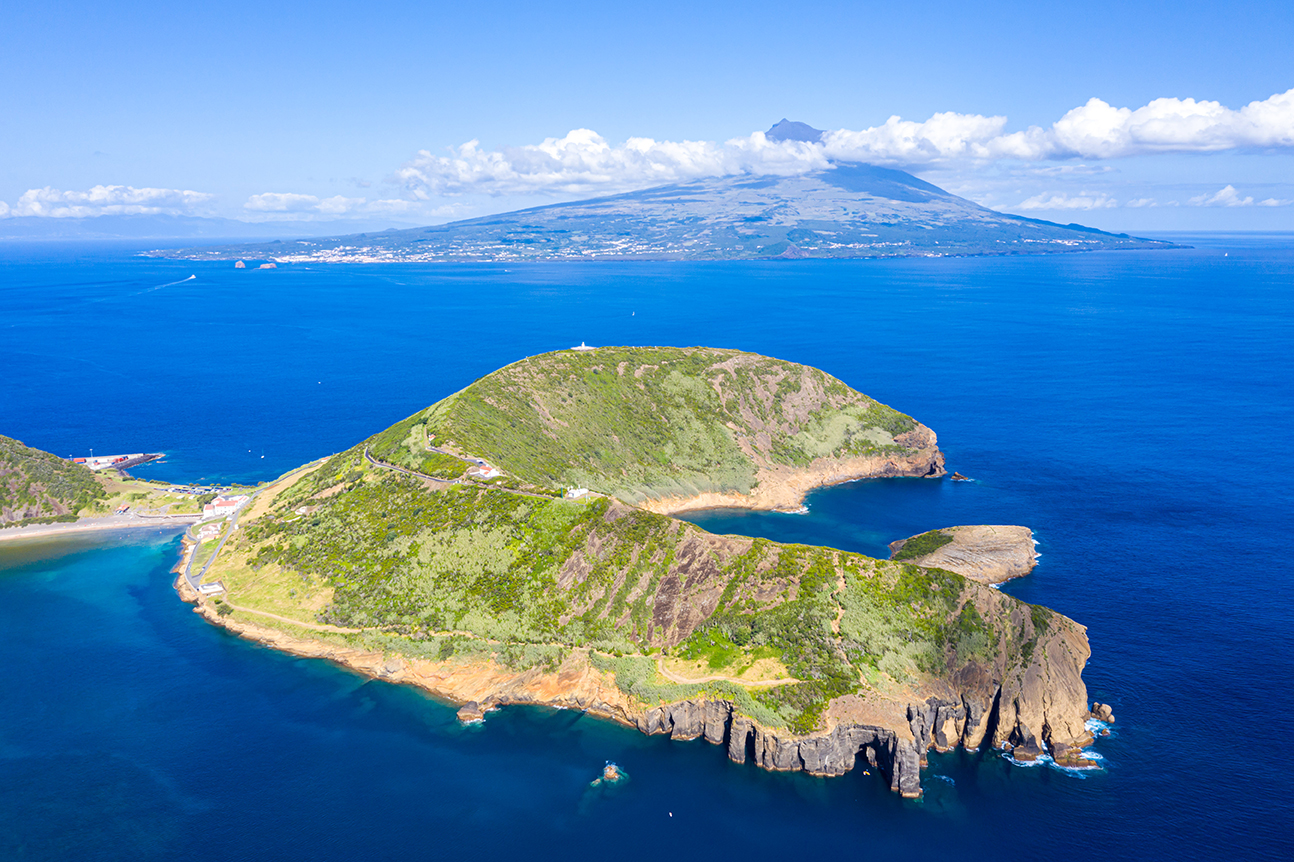
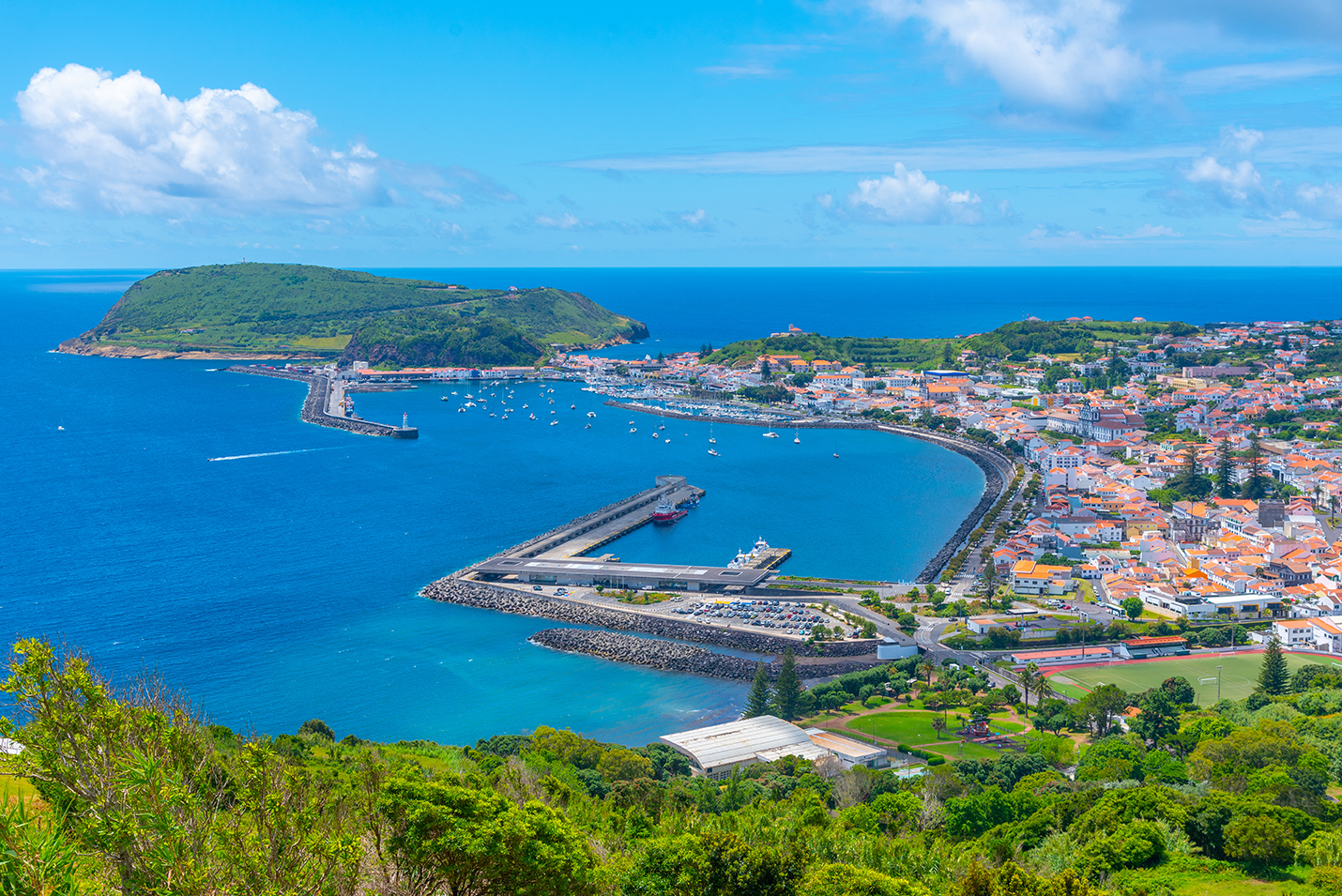
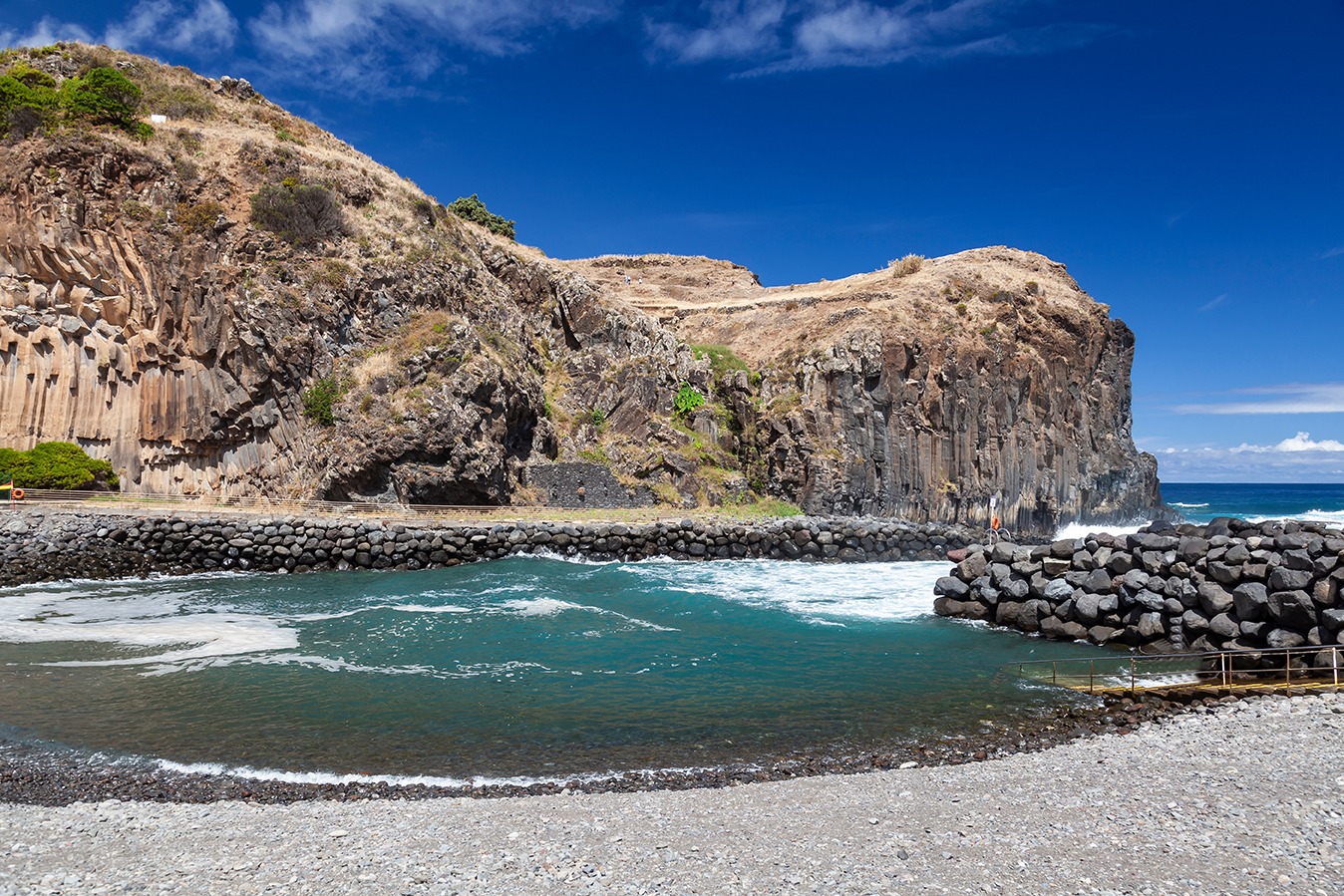
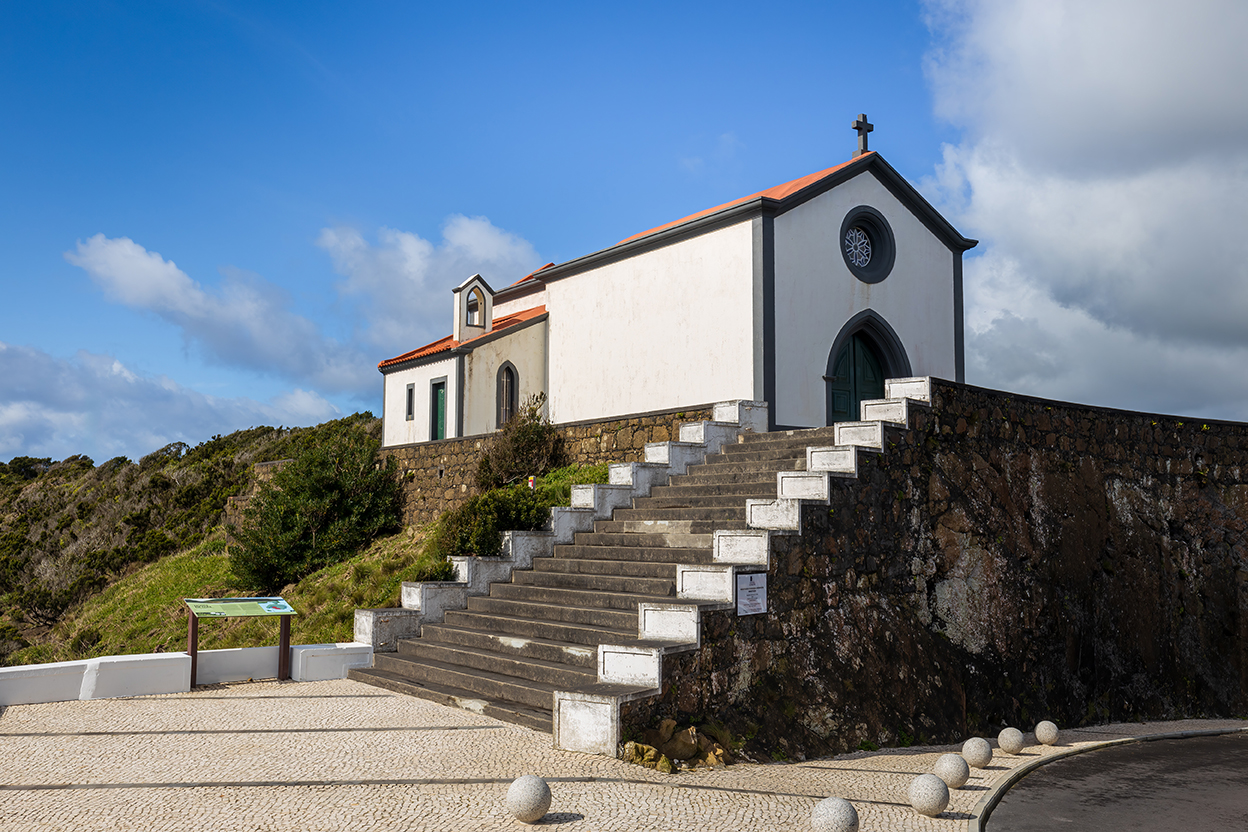
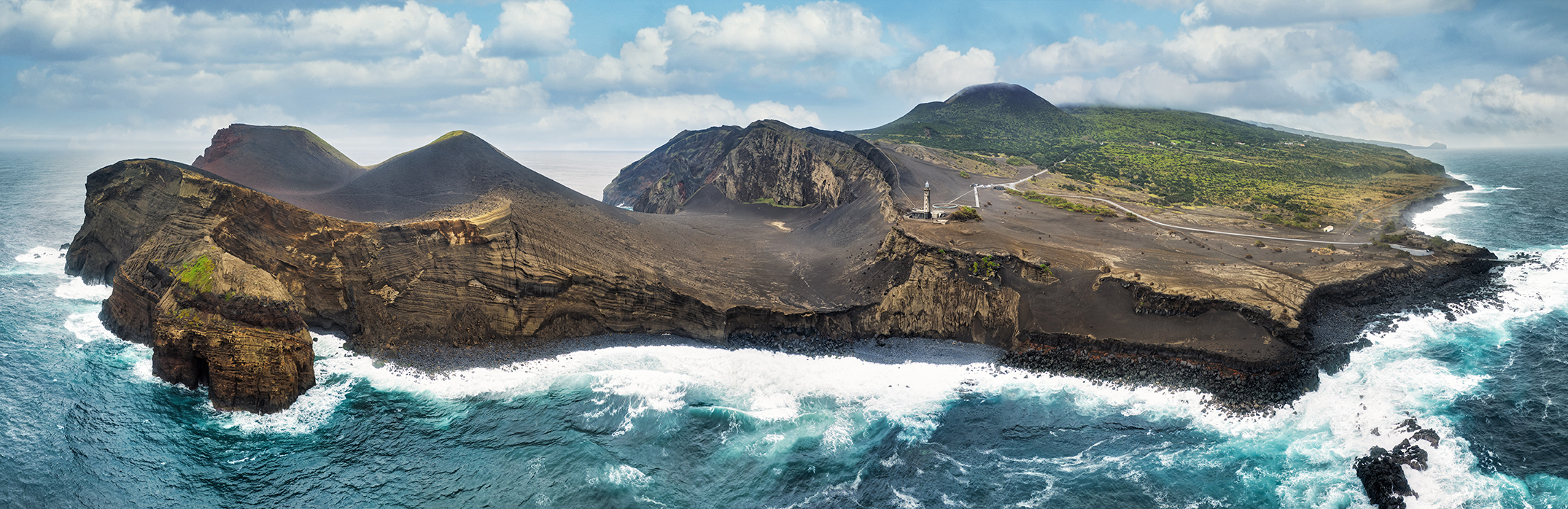
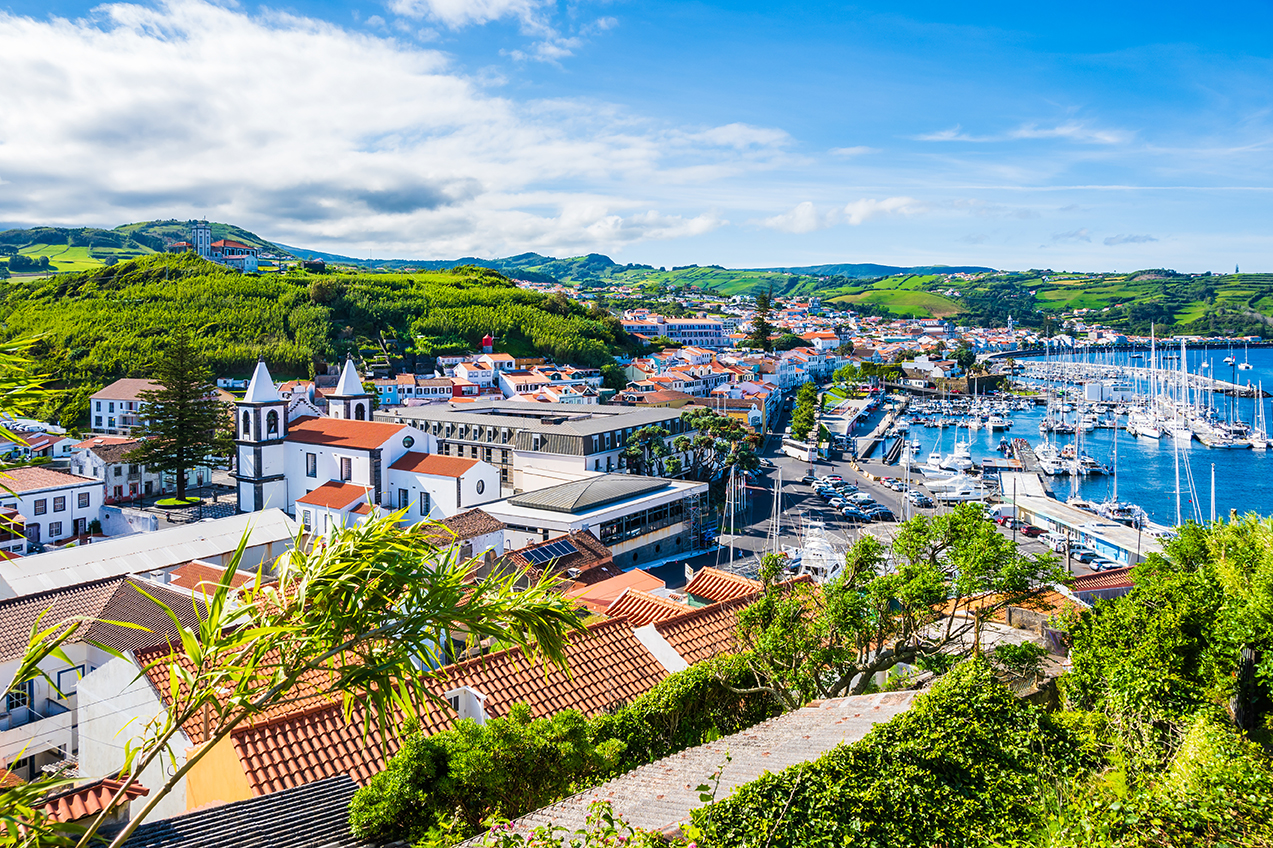
Every harbor has a story. Horta has thousands. For generations, sailors crossing the Atlantic have looked toward Faial with a sense of relief. Long before modern navigation, Horta became one of the world’s great natural harbors—a place where ships found shelter, supplies, and friendship before continuing across the ocean. Today, colorful yachts from every corner of the globe still fill the marina, carrying on a tradition that has made Faial one of the world’s most celebrated sailing destinations. But Faial is much more than a stopping point.
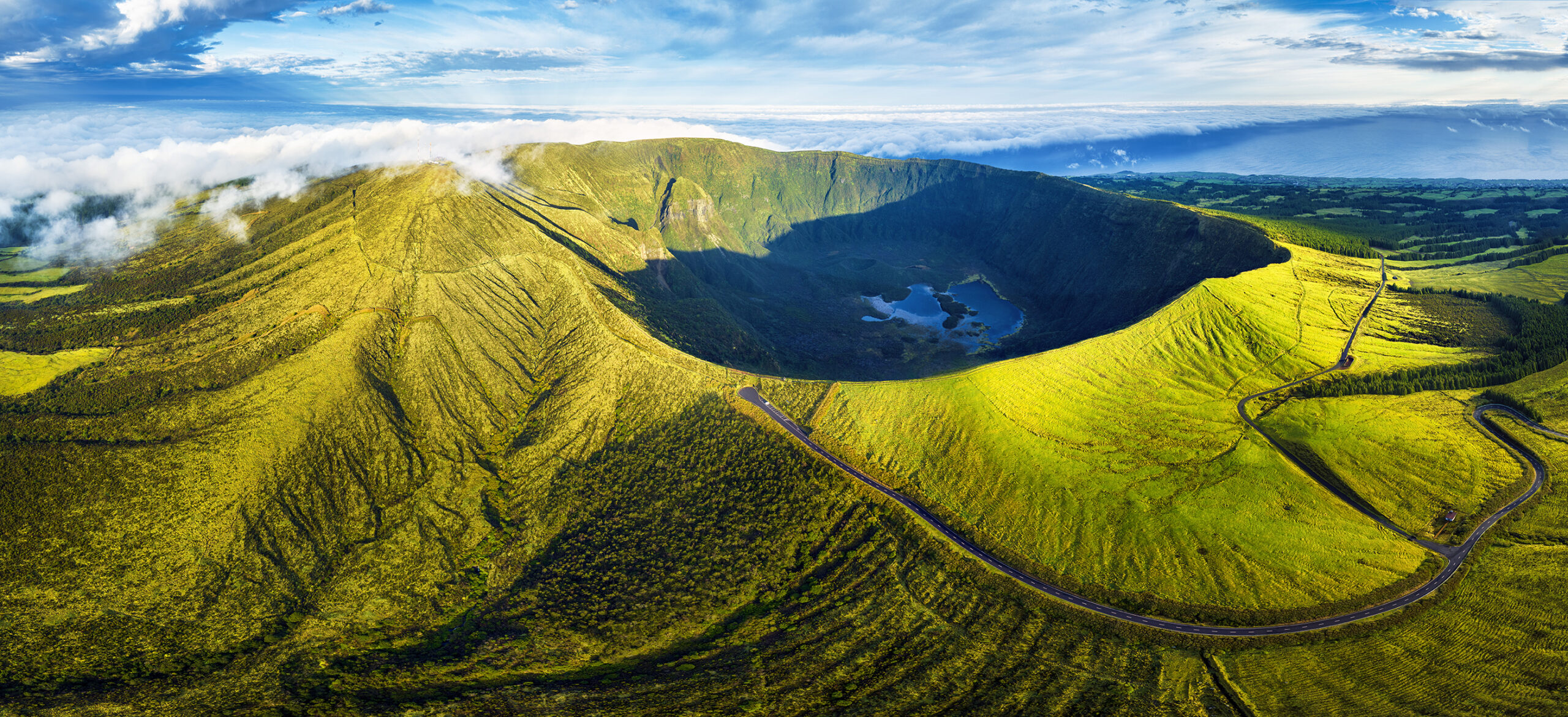
It’s an island of remarkable contrasts. On one side, the lush green rim of the Caldeira surrounds one of the Azores’ most spectacular volcanic craters. On the other hand, the dramatic landscape of Capelinhos Volcano tells the story of one of the most recent volcanic eruptions in Europe, where black ash and lava permanently reshaped the coastline during the late 1950s. Between these two landscapes lie quiet villages, dramatic coastal cliffs, natural swimming pools, blue hydrangeas that inspired the island’s nickname, and a community whose history has always been tied to the Atlantic.
Some visitors arrive by ferry from Pico. Others come to walk the rim of the Caldeira, explore Capelinhos, or experience the legendary hospitality of Horta. Many leave remembering something unexpected. A conversation on the marina. A painted mural left behind by sailors. Or the feeling that, on Faial, every arrival is worth celebrating.
Welcome to Faial.
Why Visit Faial?
Faial offers one of the most fascinating combinations of natural beauty and maritime history in the Azores.
In a single day, you can stand on the rim of a massive volcanic crater, explore the ash-covered landscape created by the Capelinhos eruption, stroll through one of the world’s most famous marinas, and enjoy dinner overlooking the Atlantic while sailboats arrive from distant shores.
The island is ideal for travelers who enjoy history, photography, hiking, sailing, geology, and whale watching. It also pairs perfectly with neighboring Pico, allowing visitors to experience two very different islands connected by only a short ferry ride.
Faial is an island shaped by arrivals and departures, where every visitor becomes part of a story that has been unfolding for centuries.
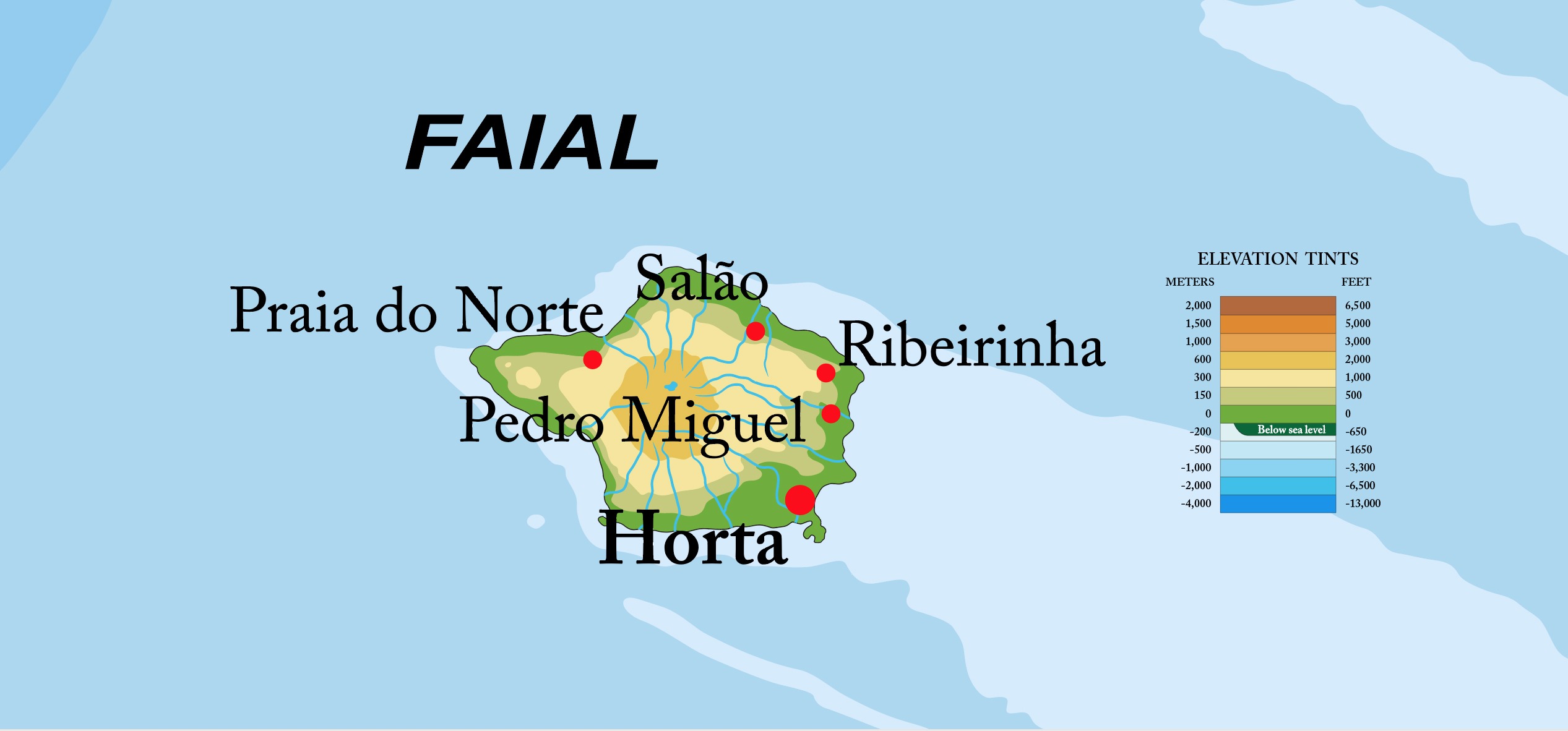
Island Snapshot
A Brief History
Faial’s history has always been closely connected to the Atlantic.
Settled during the fifteenth century, the island quickly became an important waypoint for ships traveling between Europe and the Americas. Its protected harbor at Horta offered a safe place to re-supply, repair vessels, and exchange news from across the world.
Over time, Horta developed into one of the Atlantic’s best-known ports, welcoming merchants, explorers, whalers, scientists, and eventually recreational sailors whose traditions continue today.
One of the defining moments in Faial’s history occurred in 1957, when the Capelinhos Volcano erupted off the island’s western coast. Over the following thirteen months, volcanic ash and lava dramatically expanded the island, buried homes and farmland, and transformed the surrounding landscape. The eruption also prompted many residents to emigrate, particularly to the United States and Canada, forever changing countless family histories.
Today, the Capelinhos Interpretation Centre tells this remarkable story through interactive exhibits built beneath the restored lighthouse that survived the eruption.
Although Faial embraces modern life, its maritime traditions remain as strong as ever. Fishing boats still share the harbor with sailing yachts from around the world, while generations of island families continue to celebrate the traditions that define life on this remarkable island.
Did You Know?
- Faial is known as the Blue Island because of the hydrangeas that bloom across the island during the summer.
- The Capelinhos Volcano eruption (1957–1958) added new land to the island.
- Horta Marina is one of the world’s most famous stopovers for transatlantic sailors.
- Sailors traditionally paint colorful murals on the marina walls before continuing their voyage.
- Peter Café Sport has welcomed sailors from around the world for more than a century and has become an iconic part of Faial’s maritime culture.
- The island’s Caldeira measures approximately two kilometers (1.2 miles) across.
- Pico’s mountain dominates the horizon just across the channel, creating one of the Azores’ most recognizable views.
Getting Around
Faial is easy to explore by car, with scenic roads connecting Horta, the Caldeira, Capelinhos, coastal villages, and numerous viewpoints across the island. Most attractions are less than thirty minutes from Horta, making it easy to explore several different landscapes in a single day. Renting a car provides the flexibility to stop at scenic miradouros, natural swimming areas, and quiet villages that many visitors might otherwise miss.
Although the island is compact, don’t rush.
Some of Faial’s most memorable moments happen while watching sailboats arrive in Horta, enjoying lunch overlooking the Atlantic, or simply pausing to admire Pico rising across the water.
If You Only Have One Day...
Begin your morning exploring Horta, strolling along the marina, visiting the colorful murals painted by sailors from around the world, and enjoying coffee near the waterfront before stopping at the historic Peter Café Sport.
Continue to the Caldeira, where an easy walk along the crater rim offers spectacular panoramic views across the island.
After lunch, drive west to Capelinhos Volcano, visiting the excellent Interpretation Center before walking across the dramatic volcanic landscape created by the 1957 eruption.
Finish your day watching the sunset over the Atlantic—or, if the skies are clear, looking east toward Mount Pico glowing in the evening light.
Natural Wonders
Faial’s landscapes tell a story of creation, destruction, and renewal.
At the center of the island lies the magnificent Caldeira, a massive volcanic crater nearly two kilometers (1.2 miles) across. Covered in lush vegetation, this protected nature reserve is one of the Azores’ most impressive volcanic formations. Walking along the rim offers sweeping views across the crater and, on clear days, toward the neighboring islands of Pico, São Jorge, and Graciosa.
On the island’s western tip, the landscape changes dramatically.
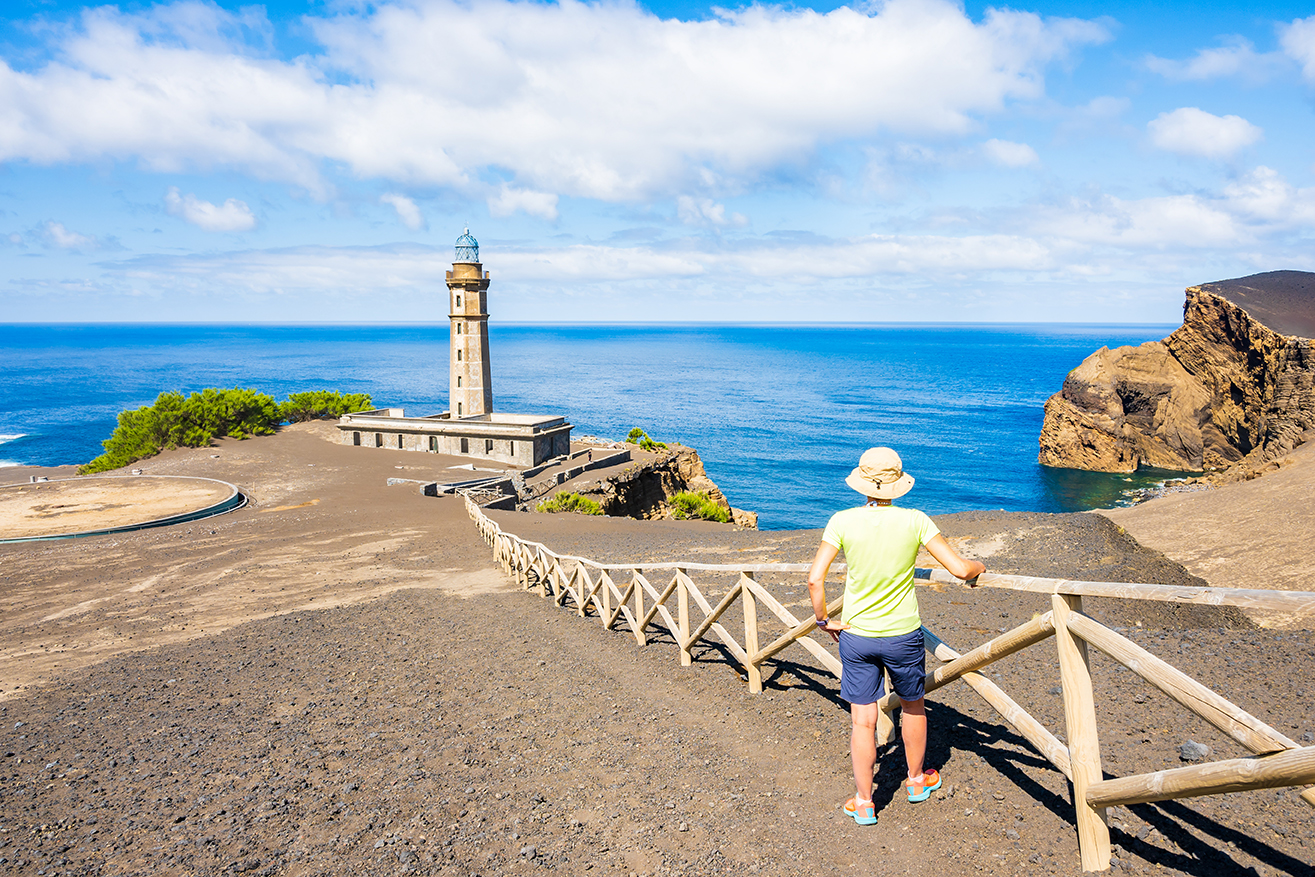
The Capelinhos Volcano stands as one of the most remarkable geological sites in Europe. Between 1957 and 1958, a series of volcanic eruptions dramatically reshaped Faial’s coastline, burying homes, farmland, and even part of the historic lighthouse beneath layers of ash and lava. Today, the stark volcanic landscape feels almost otherworldly—a striking reminder that the Azores remain a living volcanic archipelago.
Beneath the restored lighthouse, the Capelinhos Volcano Interpretation Centre tells the story of the eruption through interactive exhibits that explain both the science and the human impact of this extraordinary event.
Faial’s natural beauty extends far beyond its volcanoes. Green pastures bordered by traditional stone walls, forests of Japanese cedar and native vegetation, and countless scenic miradouros offer spectacular views across the Atlantic.
Few islands demonstrate the power of nature—and the resilience of its people—as beautifully as Faial.
Outdoor Adventures
Faial may be one of the smaller Azorean islands, but it offers an impressive variety of outdoor experiences. Walking the rim of the Caldeira is one of the island’s most rewarding hikes. The trail circles the enormous volcanic crater, offering constantly changing views of the lush interior and the Atlantic beyond. It’s a relatively easy walk in good weather, though sturdy footwear is recommended, and conditions should always be checked before setting out.
For a completely different landscape, explore the trails surrounding Capelinhos Volcano, where black volcanic ash, lava formations, and sparse vegetation create one of the youngest landscapes in Europe.
It’s a fascinating place to appreciate the forces that continue to shape the Azores.
The waters surrounding Faial are equally inviting. Whale and dolphin watching excursions operate throughout much of the year, offering opportunities to observe sperm whales, dolphins, and migrating whale species that pass through these rich Atlantic waters.
Divers will find excellent underwater visibility and fascinating volcanic formations, while sailors continue to regard Horta as one of the world’s great Atlantic ports. Kayaking, stand-up paddleboarding, and cycling are also popular ways to experience the island’s coastline and countryside.
Whether you’re hiking across volcanic landscapes or setting sail into the Atlantic, Faial encourages exploration at every turn.
Towns & Villages
Although compact, Faial’s communities each contribute to the island’s distinctive character.
The island’s capital, Horta, is one of the most recognizable towns in the Azores. Its colorful marina, lively waterfront, historic churches, museums, and welcoming cafés have greeted travelers for centuries. Walking through Horta reveals elegant nineteenth-century buildings, public gardens, traditional architecture, and a strong connection to the sea that remains central to everyday life.
One of Horta’s most famous landmarks is Peter Café Sport, a legendary meeting place for sailors since 1918. More than simply a café, it has become a symbol of the island’s maritime heritage, where stories of Atlantic crossings have been exchanged for generations.
Beyond Horta, smaller villages preserve a quieter rhythm of life.
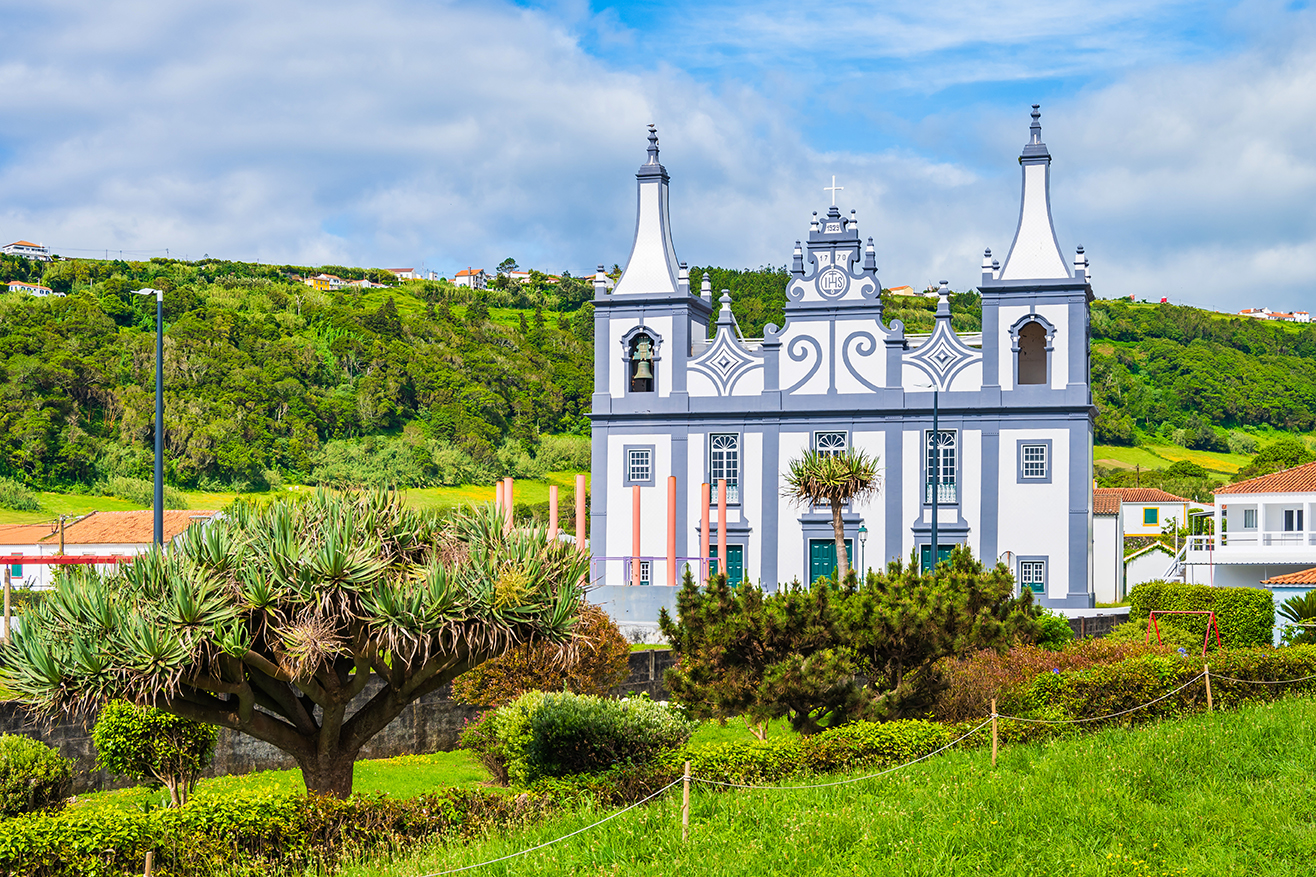
Capelo, located near Capelinhos, reflects the resilience of communities that rebuilt after the volcanic eruption, while villages such as Castelo Branco, Cedros, and Praia do Norte offer peaceful landscapes, traditional churches, and beautiful coastal scenery.
Traveling through Faial’s villages reveals an island where community remains at the heart of everyday life.
Along the Coast
The Atlantic defines Faial as much as its volcanoes.
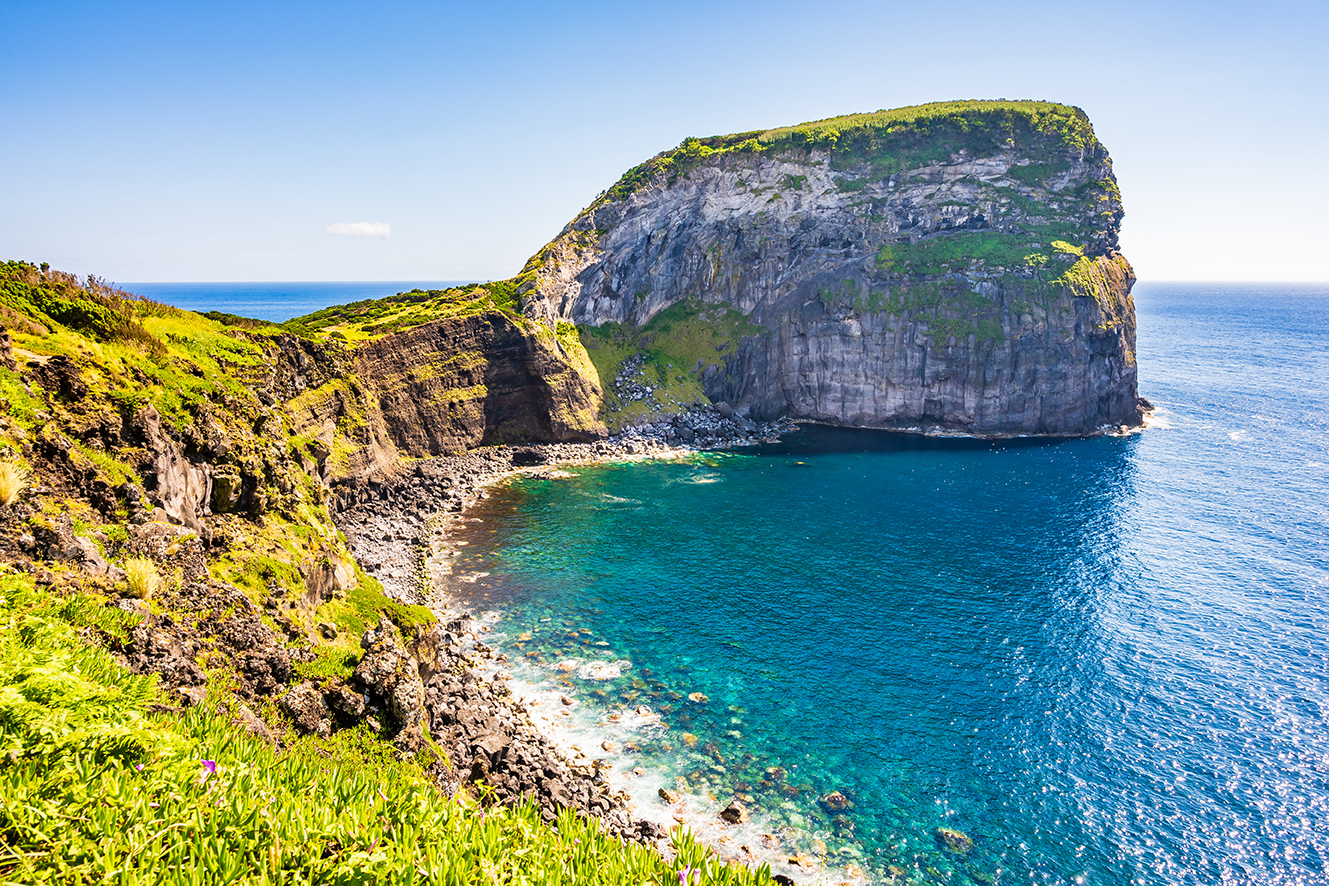
Much of the coastline consists of rugged black lava cliffs interrupted by natural swimming areas, quiet coves, and small harbors where fishing boats continue traditions that stretch back generations.
The island’s best-known waterfront is undoubtedly Horta Marina, where yachts from around the world arrive after crossing the Atlantic. Walking along the marina, visitors will notice hundreds of colorful paintings covering the breakwater. According to local tradition, many crews leave behind a mural before continuing their voyage, creating an ever-changing outdoor gallery unlike any other in the world.
Natural swimming areas around the island provide refreshing places to enjoy the sea during the warmer months. The volcanic coastline creates protected pools filled with crystal-clear Atlantic water, offering a uniquely Azorean swimming experience.
From dramatic western cliffs to peaceful eastern harbors, Faial’s coastline reflects centuries of exploration, commerce, and life lived beside the sea.
Family Experiences
Faial offers families a wonderful balance of outdoor adventure, history, and hands-on discovery.
Children are fascinated by the dramatic landscapes of Capelinhos Volcano, where they can learn how an eruption changed the island while exploring one of Europe’s youngest volcanic landscapes. The interactive exhibits at the Interpretation Centre make geology engaging for visitors of all ages.
Families also enjoy walking along Horta Marina, searching for colorful murals painted by sailors from around the world, and visiting the island’s museums to learn about its maritime history.
The island’s scenic viewpoints, botanical gardens, easy walking trails, and natural swimming areas provide opportunities to enjoy the outdoors together without long drives or demanding hikes. Boat trips offer the chance to spot whales and dolphins, often becoming one of the highlights of a family vacation.
Perhaps what families appreciate most is Faial’s welcoming atmosphere.
The island invites visitors to slow down, spend time together, and enjoy simple moments—whether watching sailboats arrive in the harbor or sharing a picnic overlooking the Atlantic.
Savor Pico
Faial’s cuisine reflects the island’s rich volcanic soil, abundant Atlantic waters, and long maritime history.
Meals are simple, generous, and centered on fresh local ingredients that have nourished island families for generations.
Seafood naturally plays a leading role. Fresh tuna, grouper, octopus, limpets (lapas), and a variety of seasonal fish appear on menus throughout the island, often grilled with olive oil, garlic, and herbs or served alongside locally grown vegetables. Waterfront restaurants in Horta frequently feature the day’s catch, allowing visitors to enjoy seafood just hours after it reaches shore.
The island’s fertile pastures also produce excellent dairy products and beef, while nearby Pico supplies many restaurants with its celebrated wines, making the two islands a perfect culinary pairing.
No visit to Faial is complete without stopping at the legendary Peter Café Sport. For more than a century, sailors crossing the Atlantic have gathered here to exchange stories, study weather charts, and celebrate successful voyages. Today, visitors can enjoy a meal, browse the adjacent Scrimshaw Museum, or simply soak in the atmosphere of one of the world’s most famous maritime cafés.
Traditional pastries, local cheeses, island honey, and seasonal fruits complete the culinary experience, while cafés throughout Horta invite visitors to slow down over coffee and conversation.
Like the island itself, Faial’s cuisine is welcoming, unpretentious, and best enjoyed at a leisurely pace.
Local Favorite
Ask a resident where to spend a peaceful evening, and many will suggest walking along Horta Marina just before sunset.
As yachts from around the world gently sway at their moorings, sailors gather on café terraces, fishermen prepare for the next day’s catch, and locals stroll the waterfront, greeting friends and neighbors.
Take time to admire the colorful murals painted on the marina walls, each one representing a crew that has crossed the Atlantic. Every painting tells a story, and together they create one of the world’s most unusual outdoor galleries.
It’s a simple walk—but one that perfectly captures Faial’s welcoming spirit.
Picture Perfect
Faial offers photographers a remarkable combination of volcanic landscapes, maritime history, and Atlantic scenery.
Best Sunrise
Caldeira
Morning light slowly fills the enormous volcanic crater while mist often lingers over the surrounding hills, creating one of the island’s most memorable views.
Best Sunset
Capelinhos Volcano
As the sun sinks into the Atlantic, the black volcanic landscape glows with warm golden light, creating an unforgettable contrast between land and sea.
The Classic View
Horta Marina with Mount Pico Beyond
Colorful sailboats, painted marina walls, and Portugal’s highest mountain rising across the channel create one of the most iconic images in the Azores.
Worth the Short Walk
Capelinhos Lighthouse
The restored lighthouse stands as a powerful reminder of the volcanic eruption that transformed Faial’s western coastline.
Most Peaceful Spot
Miradouro da Espalamaca
This scenic overlook provides sweeping views of Horta, Mount Pico, and the Atlantic stretching toward the horizon.
Best Coastal View
Varadouro
Natural volcanic pools, rugged lava formations, and endless ocean views make this one of Faial’s favorite places to relax beside the sea.
Returning Home:
Reconnecting with Your Azorean Heritage
For many families throughout North America, Faial holds a special place in their family history.
The eruption of Capelinhos Volcano between 1957 and 1958 dramatically changed life on the island, prompting thousands of residents to begin new lives in the United States and Canada. Many descendants return today to understand not only the eruption itself, but also the resilience and determination of the generations who rebuilt their lives.
Walking through Horta, visiting family parishes, or standing beside the Capelinhos Lighthouse often creates a powerful connection to the past. Parish churches, municipal archives, and local cemeteries preserve generations of family history, while conversations with longtime residents frequently reveal stories that never appear in official records.
Even visitors without family ties quickly discover that Faial’s greatest strength has always been its people.
For centuries, the island has welcomed strangers arriving from across the Atlantic.
Today, it welcomes returning families with that same spirit of hospitality.
Festivals & Traditions
One of the best ways to experience Faial is to visit during one of its festivals.
Throughout the year, communities celebrate the island’s maritime heritage, religious traditions, music, and local culture with festivals that bring together residents, returning emigrants, and visitors from around the world.
Whether you’re strolling through Horta during a major celebration or joining a village festival in the countryside, you’ll quickly discover how deeply community traditions remain woven into everyday life.
Semana do Mar (Sea Week)
Season: August
Without question, Semana do Mar is Faial’s signature celebration and one of the largest festivals in the Azores. Held each August in Horta, the festival celebrates the island’s enduring relationship with the sea through a week of sailing competitions, rowing events, live concerts, cultural performances, exhibitions, local cuisine, and family activities.
Sailors from around the world join residents in transforming the marina and waterfront into a lively gathering place filled with music and celebration.
For many returning emigrants, Semana do Mar has become an annual tradition that combines family reunions with one of the Azores’ most beloved festivals.
What You'll Experience
Travel Tip: Book accommodations well in advance. Semana do Mar attracts visitors from across the Azores, mainland Portugal, Europe, and North America.
Festas do Espírito Santo (Holy Spirit Festivals)
Season: Spring through Early Summer
The Holy Spirit Festivals remain among Faial’s most cherished traditions.
Each parish celebrates with beautifully decorated Impérios, religious ceremonies, brass bands, community meals, and processions that reflect centuries of faith, generosity, and hospitality. Families return from abroad each year to participate, making these celebrations an important homecoming for many Faialenses.
What You'll Experience
Travel Tip: Visitors are always welcome to observe the festivities respectfully and experience one of the Azores’ most meaningful traditions.
Nossa Senhora das Angústias Festival
Season: August
Dedicated to Horta’s patron saint, this important religious celebration combines solemn processions with community gatherings, concerts, cultural events, and traditional foods.
For residents, it is both a spiritual observance and a celebration of the city’s identity.
What You'll Experience
Travel Tip: Spend time exploring Horta’s historic center before joining the evening festivities.
Village Summer Festivals
Season: Summer
Throughout the island, villages celebrate their patron saints with festivals that bring neighbors together through music, dancing, food, and religious traditions.
These smaller celebrations provide visitors with an authentic opportunity to experience everyday island life while supporting local communities.
What You'll Experience
Travel Tip: Ask local residents which village festival is taking place during your visit—you may discover one of the most memorable experiences of your trip.
Christmas & Easter Traditions
Christmas and Easter continue to play an important role in Faial’s cultural life.
Churches host special liturgies, choirs perform traditional music, and families gather around tables filled with recipes passed from one generation to the next. Holy Week processions and Christmas celebrations offer visitors a meaningful opportunity to experience another side of island life.
Planning Your Visit
Festival dates vary from year to year, particularly religious celebrations that follow the liturgical calendar. If you’re planning to visit during a specific festival, consult the official municipal calendar or local tourism office before making travel arrangements.
Semana do Mar is especially popular, and accommodations often sell out well in advance.
Frequently Asked Questions
How many days should I spend on Faial?
Three to five days provides enough time to explore Horta, the Caldeira, Capelinhos, scenic viewpoints, hiking trails, and the island’s coastal villages.
What is Faial best known for?
Faial is famous for Horta Marina, the Capelinhos Volcano, the Caldeira, Semana do Mar, whale watching, and its long maritime history.
Why is Horta Marina so famous?
For generations, it has been one of the world’s most important stopovers for sailors crossing the Atlantic. Its painted marina walls and welcoming atmosphere have become symbols of international sailing.
Do I need a rental car?
Yes. Renting a car makes it easy to explore Capelinhos, the Caldeira, scenic viewpoints, and villages across the island.
Is Faial family-friendly?
Absolutely. Interactive museums, volcanic landscapes, whale watching, natural swimming pools, and scenic walks make Faial an excellent destination for visitors of all ages.
Can I visit Faial and Pico on the same trip?
Yes. Regular ferry service between Horta and Madalena makes it easy to combine both islands during one vacation.
Is English widely spoken?
English is commonly spoken in hotels, restaurants, museums, and tourism-related businesses, particularly in Horta.
Until Next Time...
Some islands are defined by their landscapes.
Faial is equally defined by the journeys that begin and end along its shores.
Perhaps you’ll remember standing on the edge of the Caldeira, exploring the dramatic landscape of Capelinhos, or watching sailboats arrive from distant horizons.
Or perhaps your favorite memory will be something quieter—a walk through Horta Marina, a conversation with a local resident, or a sunset with Mount Pico rising across the channel.
That’s the spirit of Faial.
An island that has welcomed travelers for centuries and still greets every arrival with warmth, curiosity, and a sense of adventure.
Whether you’ve crossed an ocean to get here or simply taken the short ferry from Pico, we hope Faial inspires you to continue exploring the remarkable islands of the Azores.
Every island tells its own story. We hope you’ll discover them all.
Explore the Other Azores Islands
Every island in the Azores offers its own landscapes, traditions, and unforgettable experiences. While
Faial is often the first stop for many travelers, it’s only the beginning of the journey.
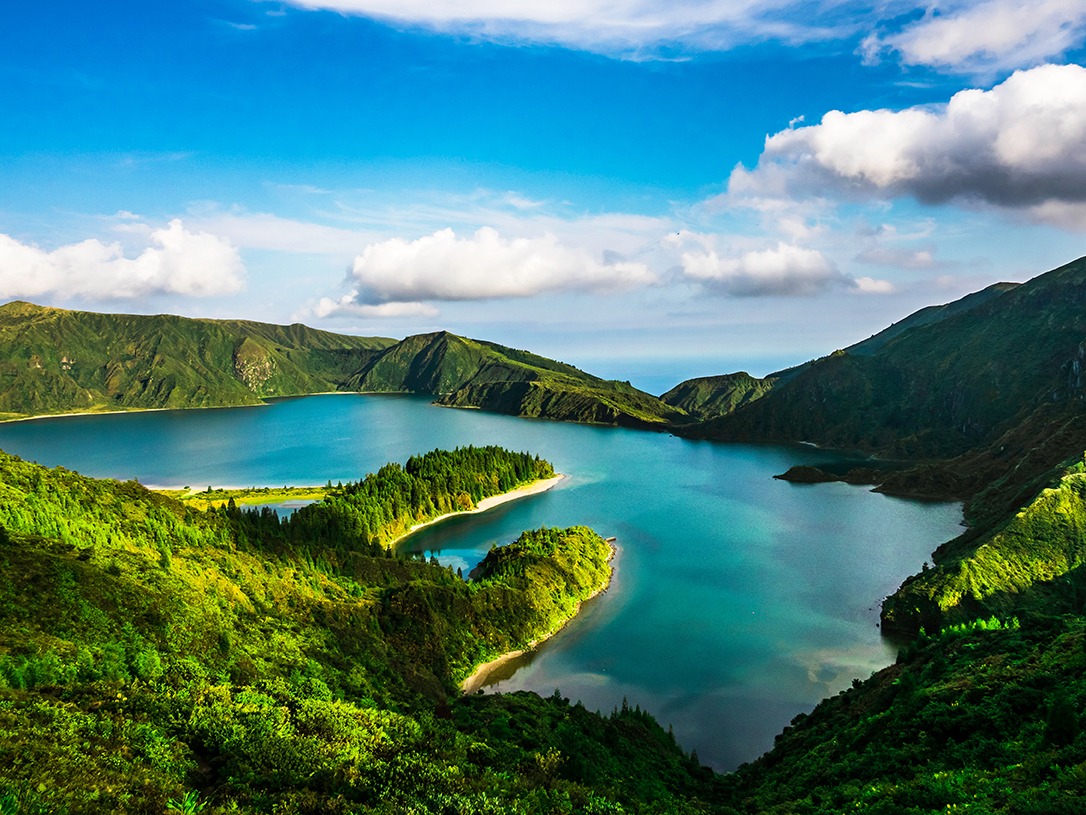
São Miguel
Known as the Green Island, São Miguel is famous for its volcanic crater lakes, geothermal hot springs, lush landscapes, tea plantations, and charming towns. As the largest island in the Azores, it offers the perfect blend of natural beauty, adventure, and local culture.
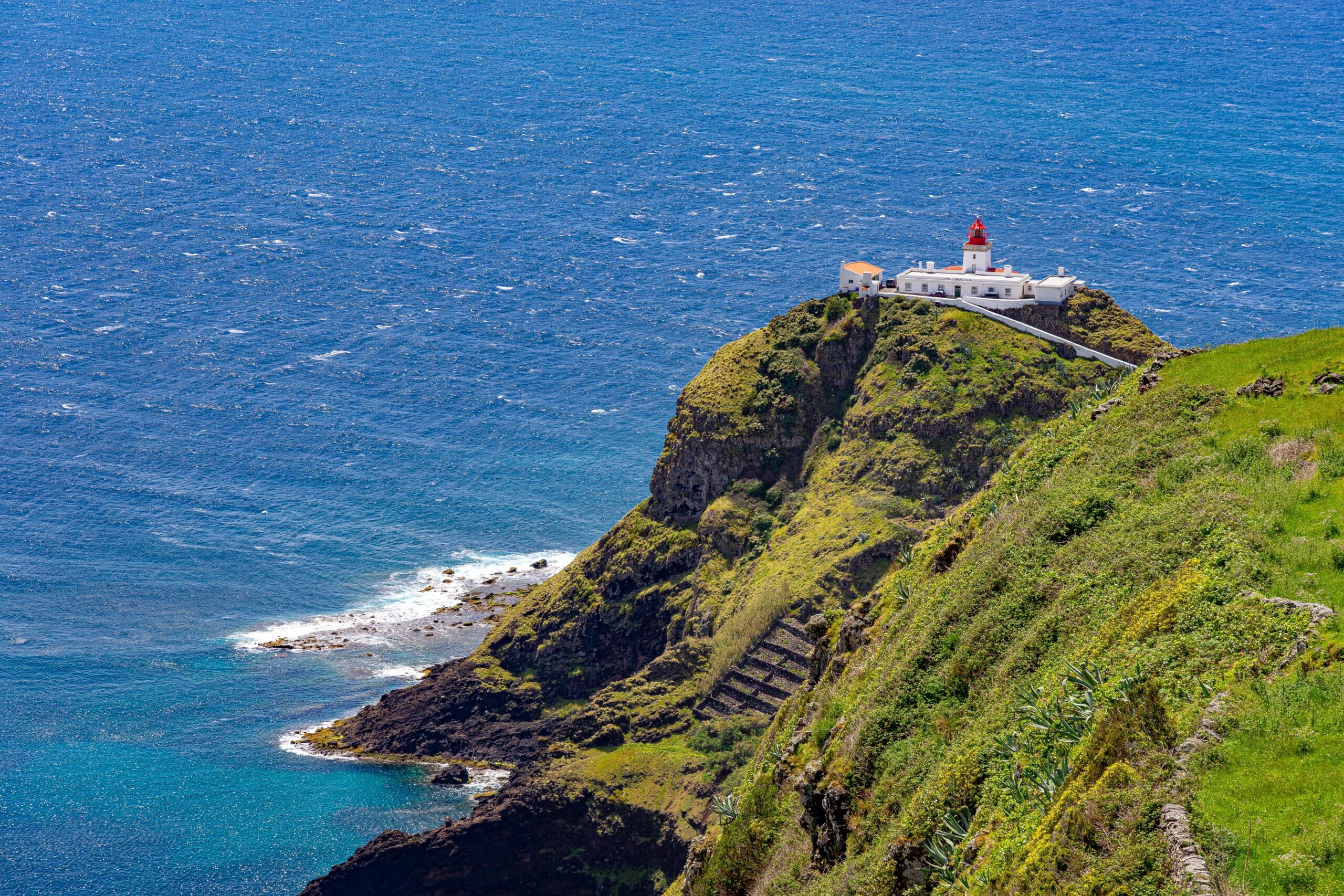
Santa Maria
Known as the Island of the Sun, Santa Maria is famous for its golden sandy beaches, warm climate, fossil-rich coastline, and relaxed pace of life. It’s the perfect destination for visitors looking to unwind while enjoying one of the oldest islands in the archipelago.
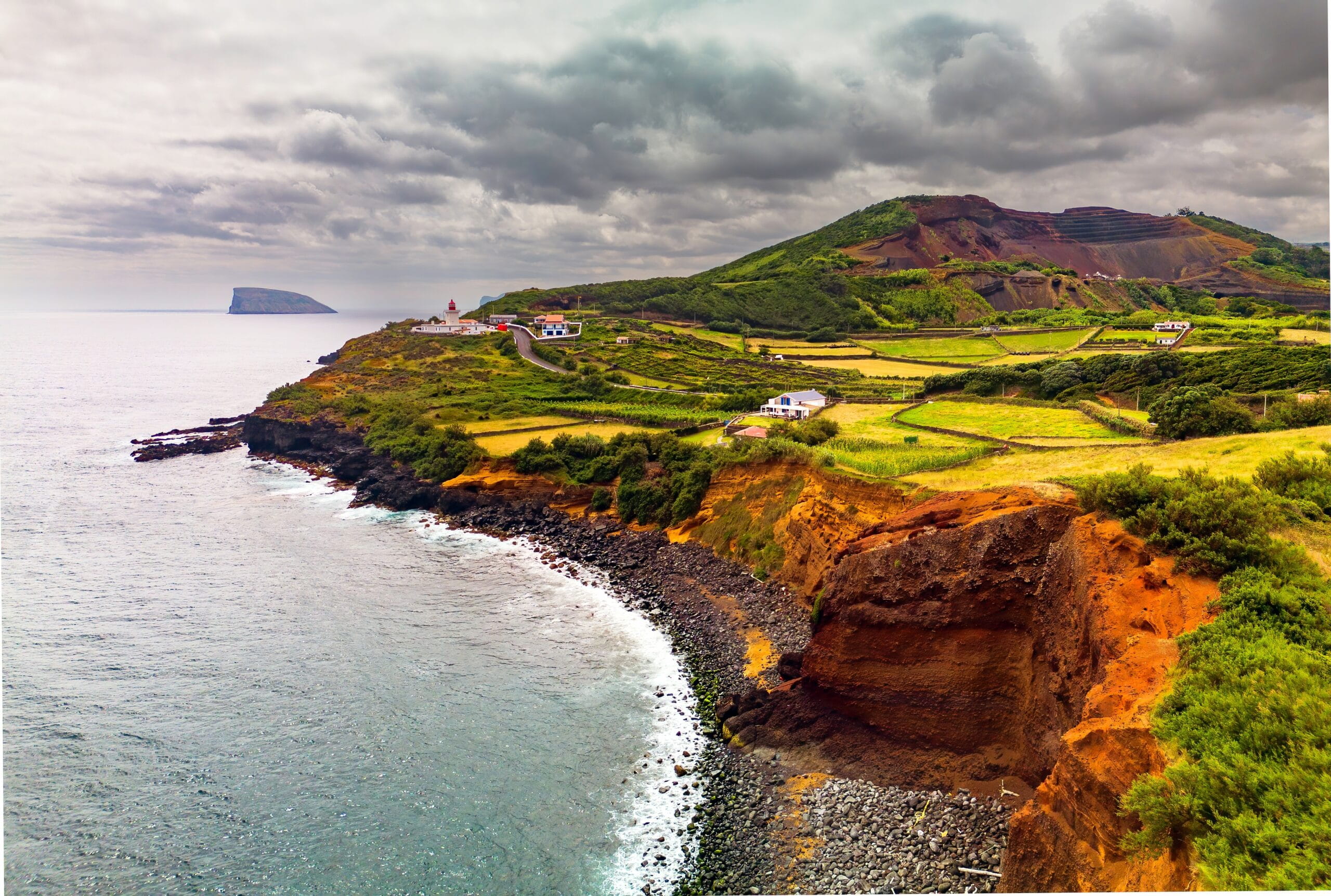
Terceira
A UNESCO World Heritage city, colorful festivals, lively traditions, and centuries of history make Terceira one of the cultural hearts of the Azores. From Angra do Heroísmo to the island’s famous Sanjoaninas celebrations, Terceira is rich in heritage and community spirit.
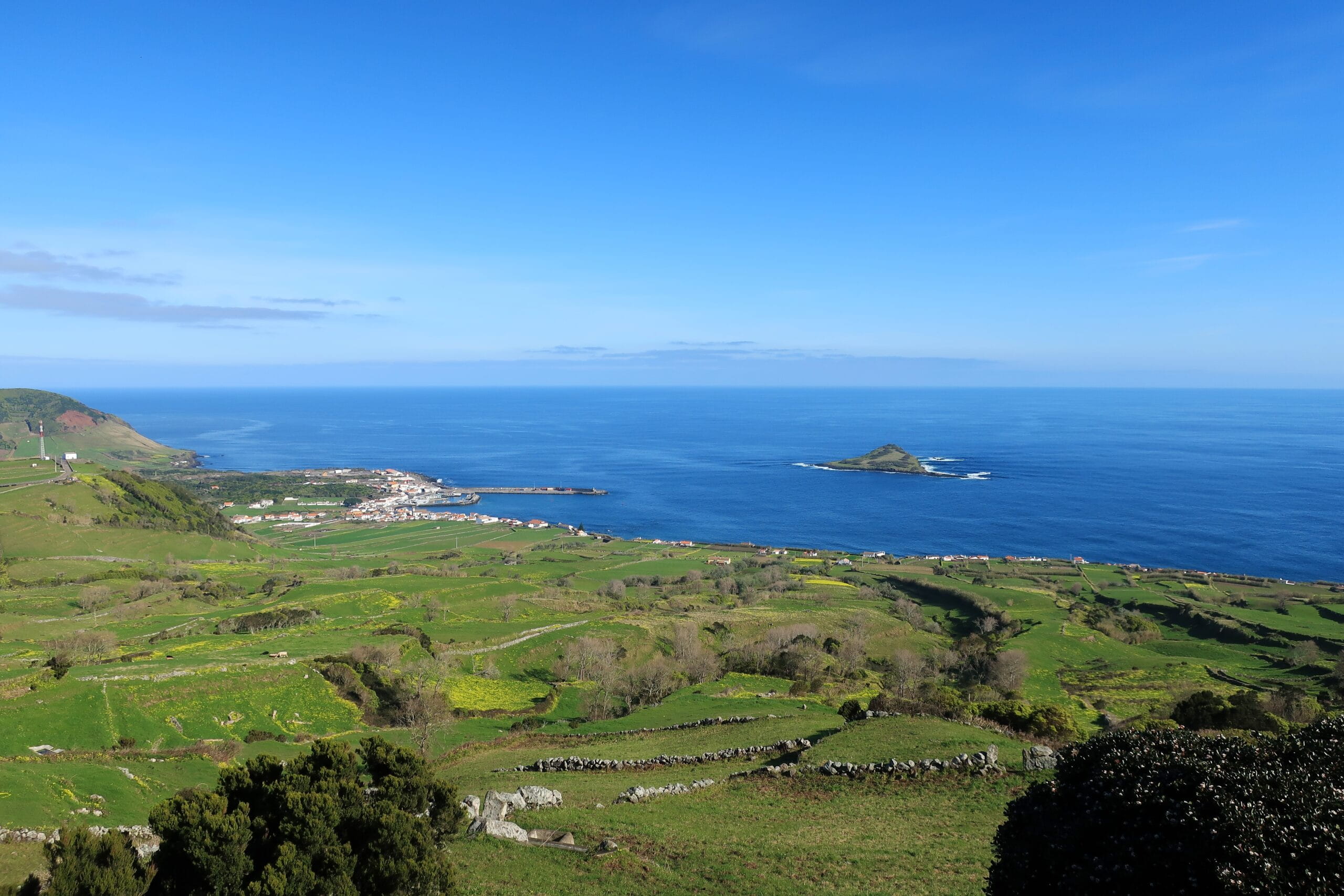
Graciosa
Peaceful, welcoming, and wonderfully unhurried, Graciosa is known for its whitewashed villages, traditional windmills, vineyards, and the remarkable Furna do Enxofre volcanic cave. It’s an island where quiet moments become lasting memories.
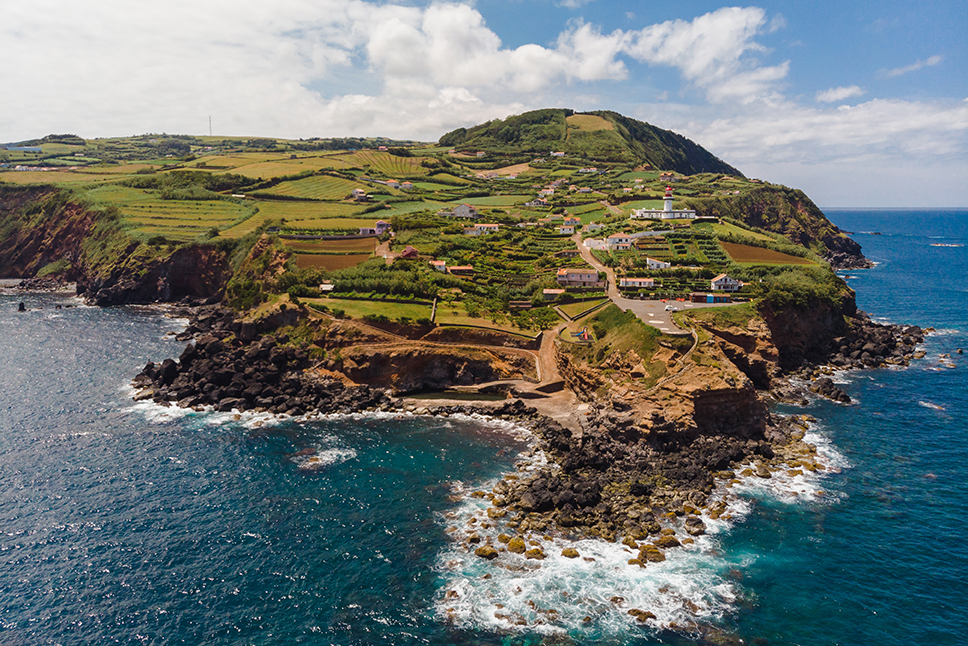
São Jorge
Steep cliffs, dramatic fajãs, scenic hiking trails, and the island’s world-famous cheese define São Jorge. Nature lovers and outdoor enthusiasts will discover breathtaking landscapes unlike anywhere else in the Azores.
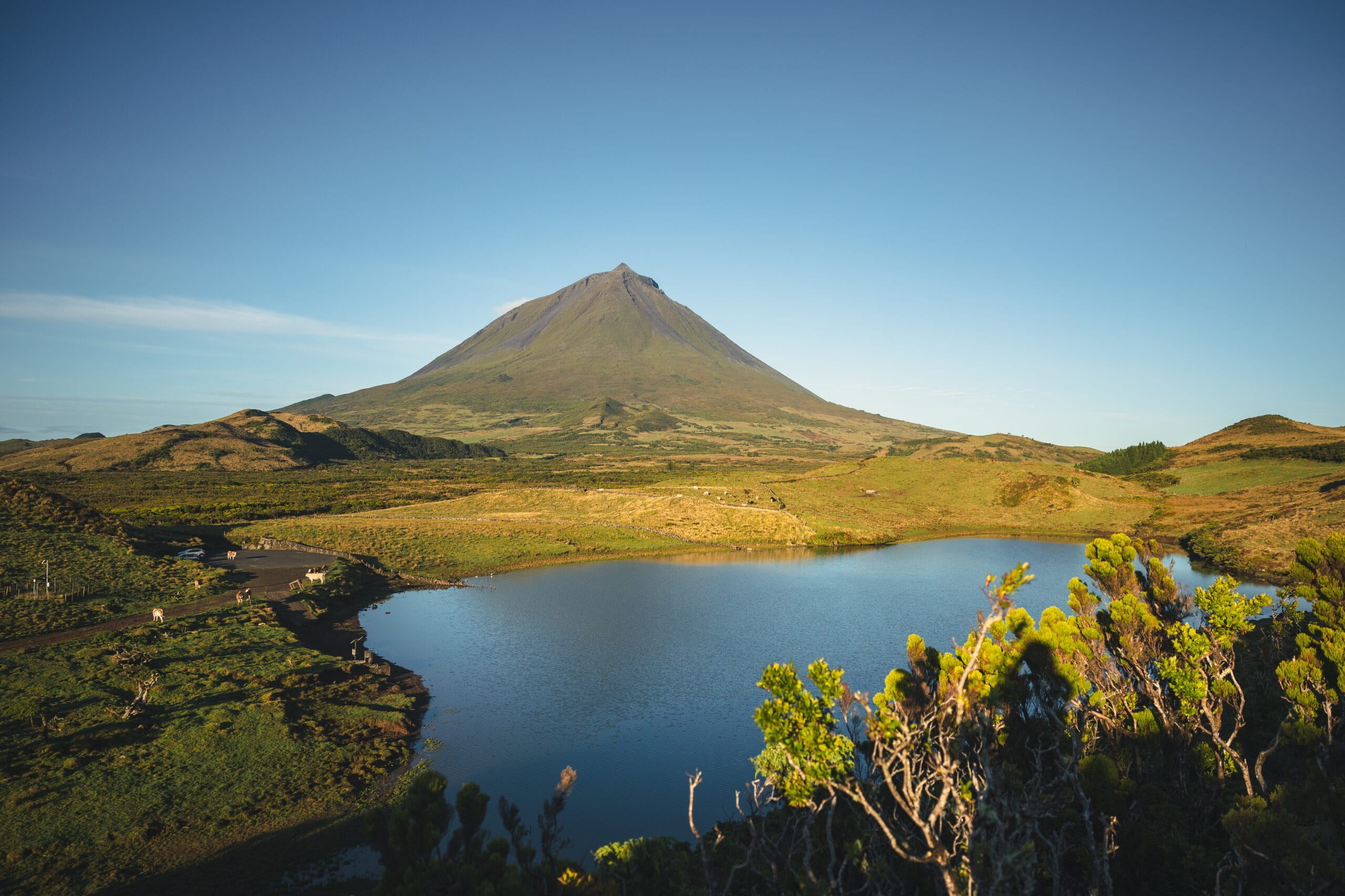
Pico
Dominated by Portugal’s highest mountain, Pico combines volcanic landscapes with UNESCO-listed vineyards, a rich whaling heritage, and some of the best whale watching in the Atlantic. It’s an island that celebrates both the sea and the mountain that gives it its identity.
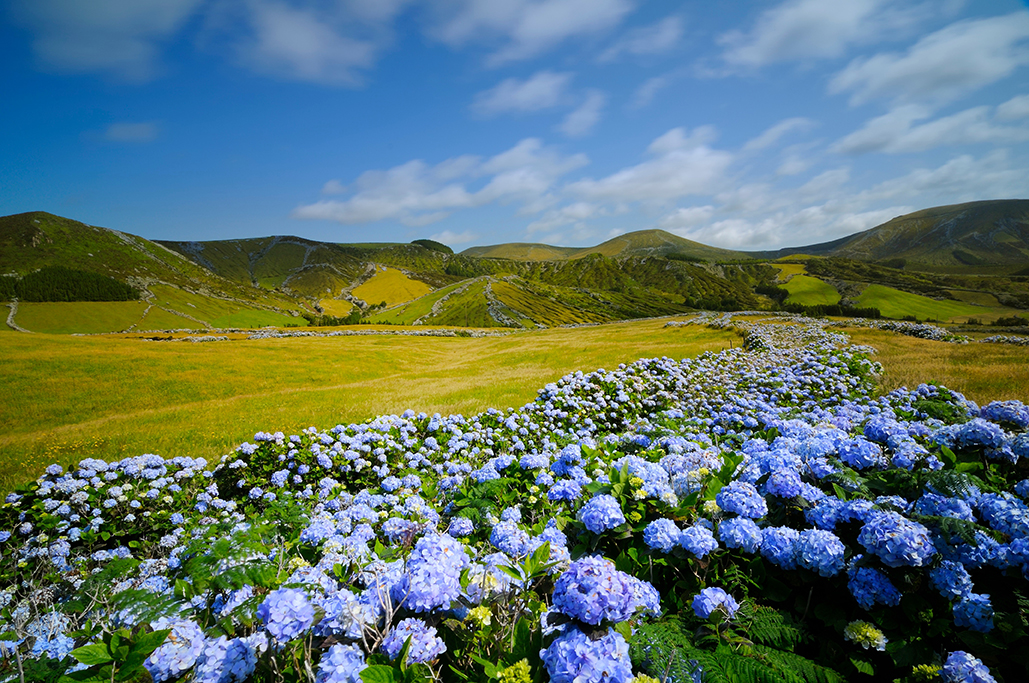
Flores
Often considered one of Europe’s most beautiful islands, Flores is a paradise of waterfalls, crater lakes, lush valleys, and dramatic cliffs. Nature is never far away, making every drive and every hike unforgettable.
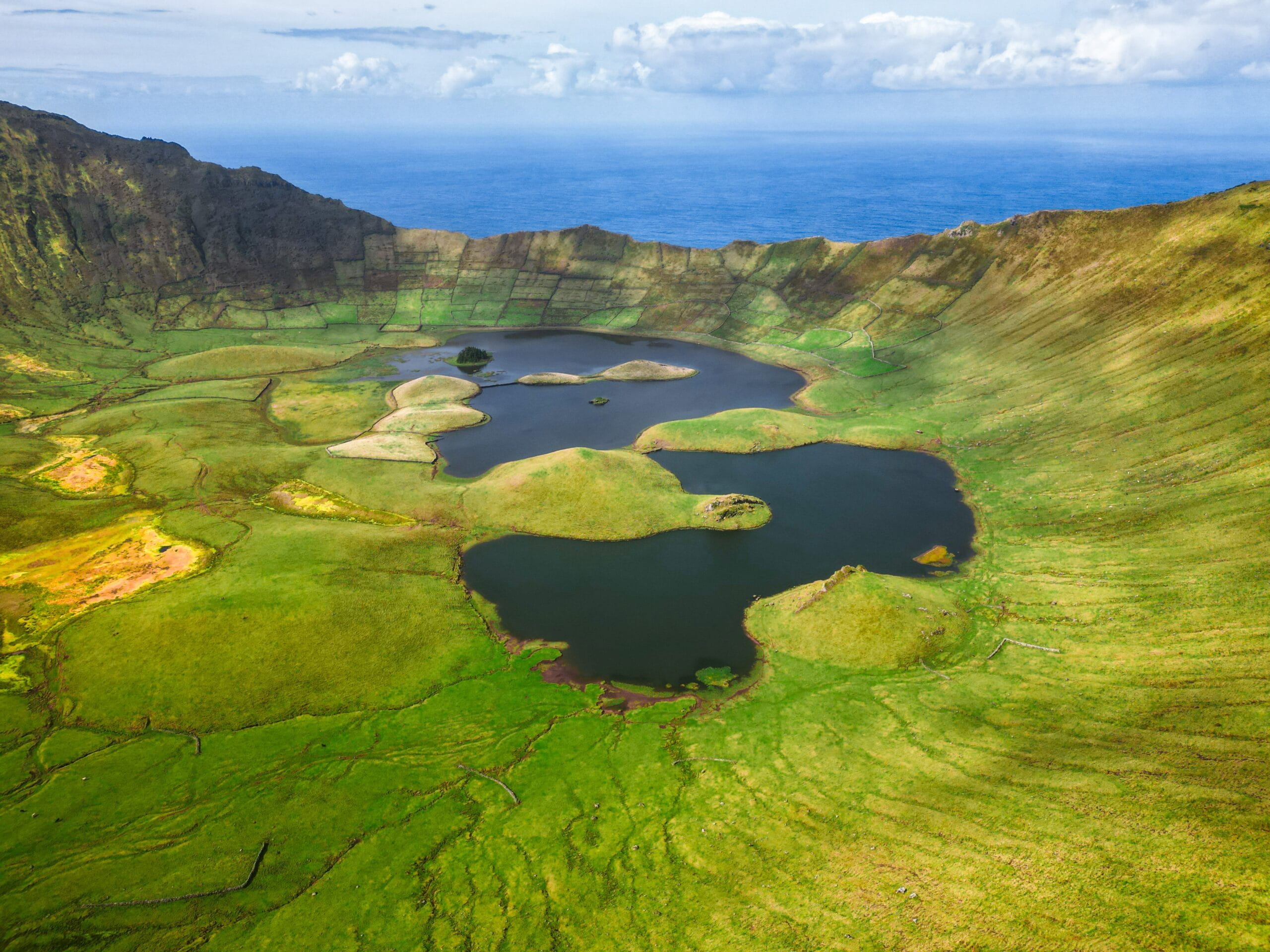
Corvo
The smallest island in the Azores offers one of its greatest rewards—peace. Home to a single village and the spectacular Caldeirão volcanic crater, Corvo invites visitors to slow down and experience island life at its simplest and most authentic.